The look of it
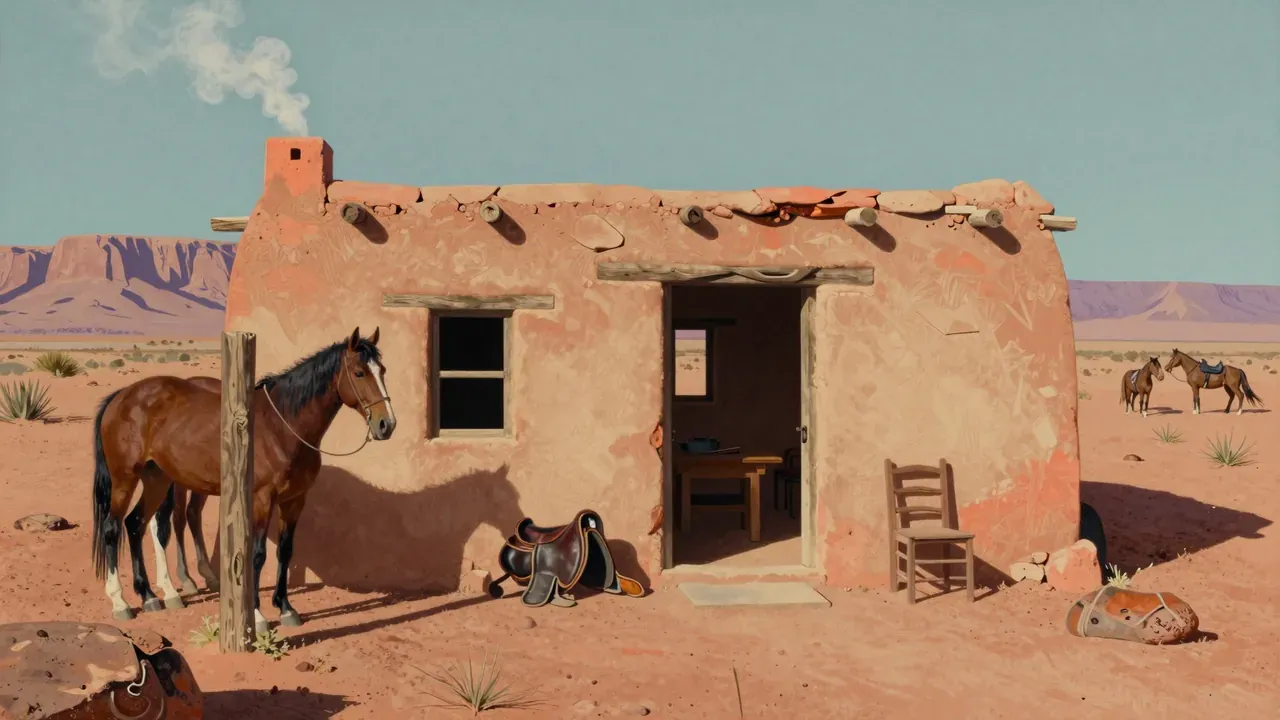
One-Eyed Jacks is a Western that attempts to rework the genre’s moral binaries through psychological interiority and geographical displacement — moving its revenge plot from New Mexico to the windswept, fog-draped coast of Monterey and Baja California. It tries to treat vengeance not as catharsis but as a slow erosion of self, anchored in a man whose identity fractures between outlaw, lover, and prisoner of memory. Marlon Brando’s direction seeks a tactile realism: weathered faces, unvarnished dialogue, physical consequence — the whip, the broken hand, the sand clinging to sweat-slicked skin. The film rejects mythic shorthand; even its landscape feels reluctant, withholding grandeur in favour of damp cliffs and grey light. It aims for emotional authenticity over action, lingering on hesitation rather than resolution. Its ambition lies in making a Western feel like a wound that has not yet scabbed — raw, tender, misshapen by time and silence. This is not a story about winning or losing a gunfight, but about what remains when the last shot is fired and no one is left to witness it. (142 words)
The weight of it
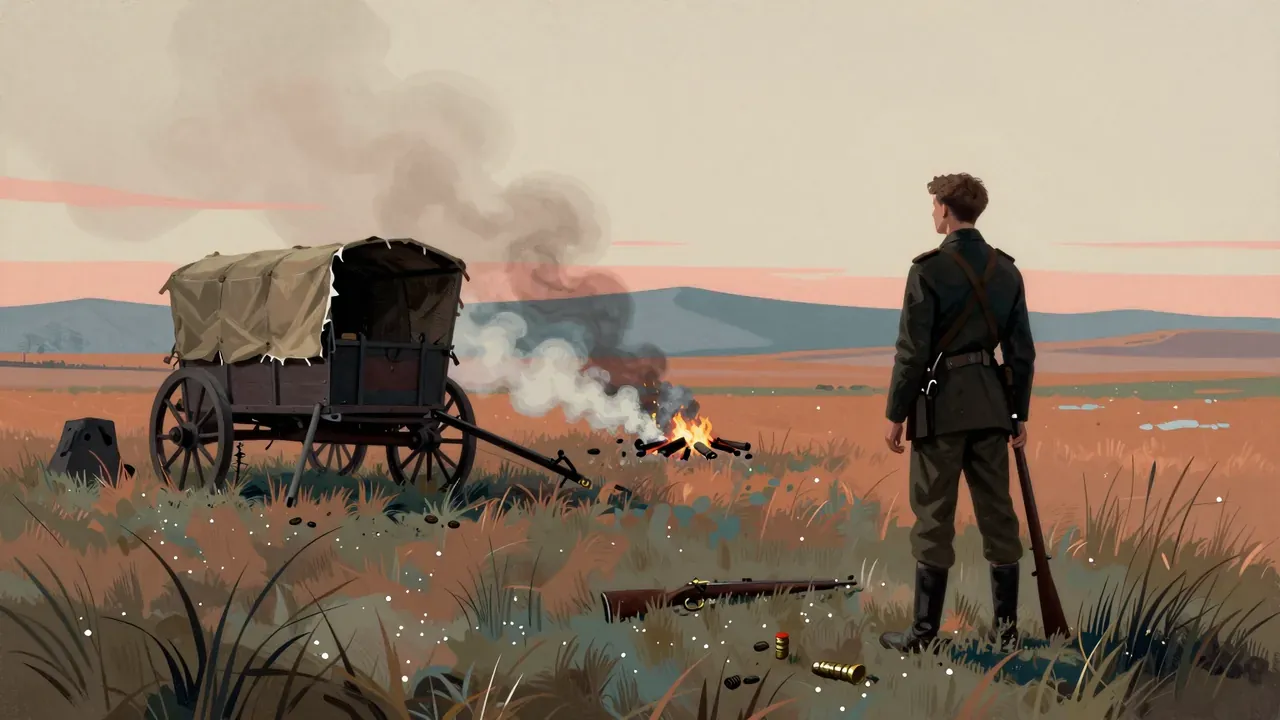
The story unfolds with deliberate, sometimes halting pacing, following Rio’s return to Monterey after five years in Mexican prison, his entanglement with Dad Longworth’s household, and the collapse of his plan into moral paralysis. Brando’s performance is physically grounded — posture weighted, voice low and uneven, eyes often avoiding direct contact — while Karl Malden gives Dad a quiet, watchful menace that never tips into caricature. Katy Jurado and Pina Pellicer bring restrained gravity to Maria and Louisa, their silences carrying more narrative weight than many of the men’s speeches. Charles Lang’s VistaVision cinematography captures texture over spectacle: salt-crusted wood, wet wool, the grain of sun-bleached adobe. Hugo Friedhofer’s score avoids fanfare, favouring low strings and sparse piano motifs that underscore unease rather than drama. Archie Marshek’s editing — shaped without Brando’s final input — sustains a brooding rhythm, though some transitions feel abrupt, as if scenes were excised mid-thought. The craft coheres around restraint: no music swells to cue emotion, no close-up lingers to explain it. (147 words)
The rhythm of it
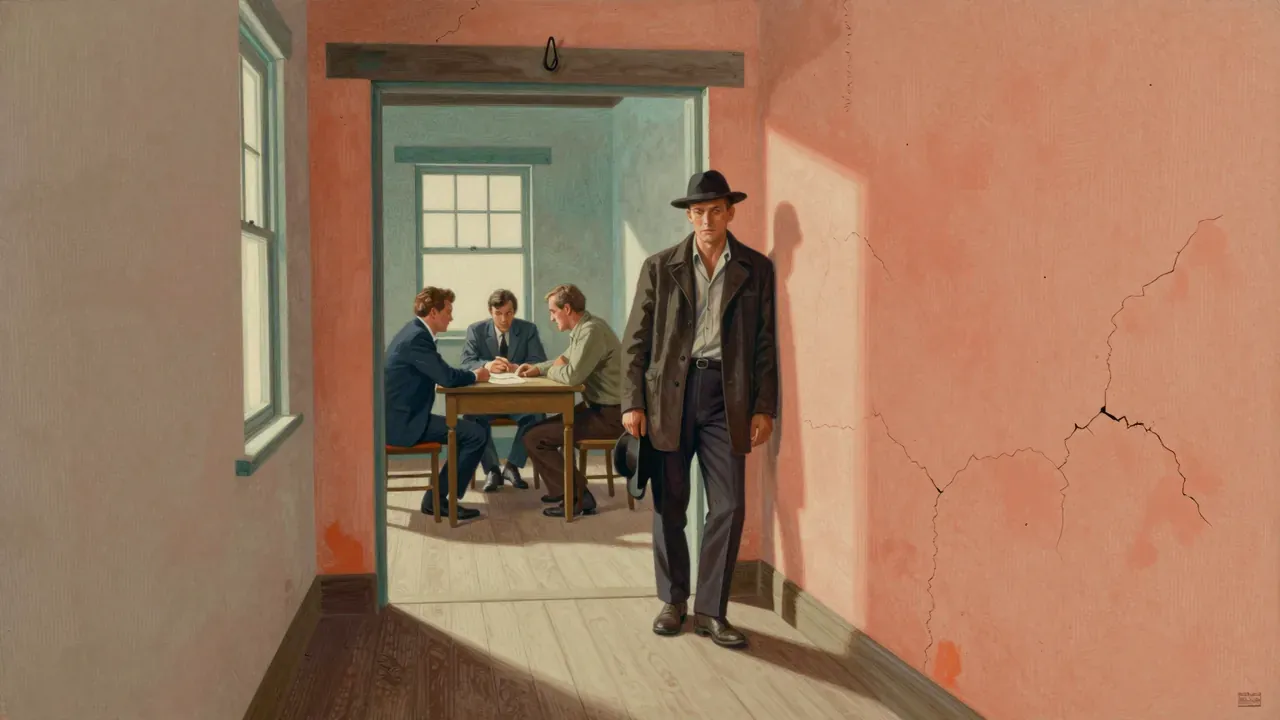
What lands most firmly is the film’s atmosphere of unresolved tension — the way hostility and affection occupy the same space, often in the same glance. The beach sequence between Rio and Louisa works not because it is romantic, but because it is awkward, tentative, edged with mutual suspicion and sudden vulnerability. The public whipping scene lands with visceral discomfort: the sound of leather on skin, the crowd’s uneasy stillness, Rio’s refusal to cry out. Brando’s physical embodiment of injury — the trembling hand, the slumped gait, the way he holds his breath before speaking — conveys more about trauma than any exposition could. The coastal locations do not serve as backdrop but as active presence: wind disrupts dialogue, fog muffles confrontation, the ocean’s indifference frames every human gesture. Even the film’s structural looseness — digressions, pauses, repetitions — begins to feel less like indecision and more like fidelity to how memory and grievance actually behave: looping, resistant to narrative closure. These choices accumulate into something emotionally precise, if not always narratively efficient. (146 words)
The gaps in it
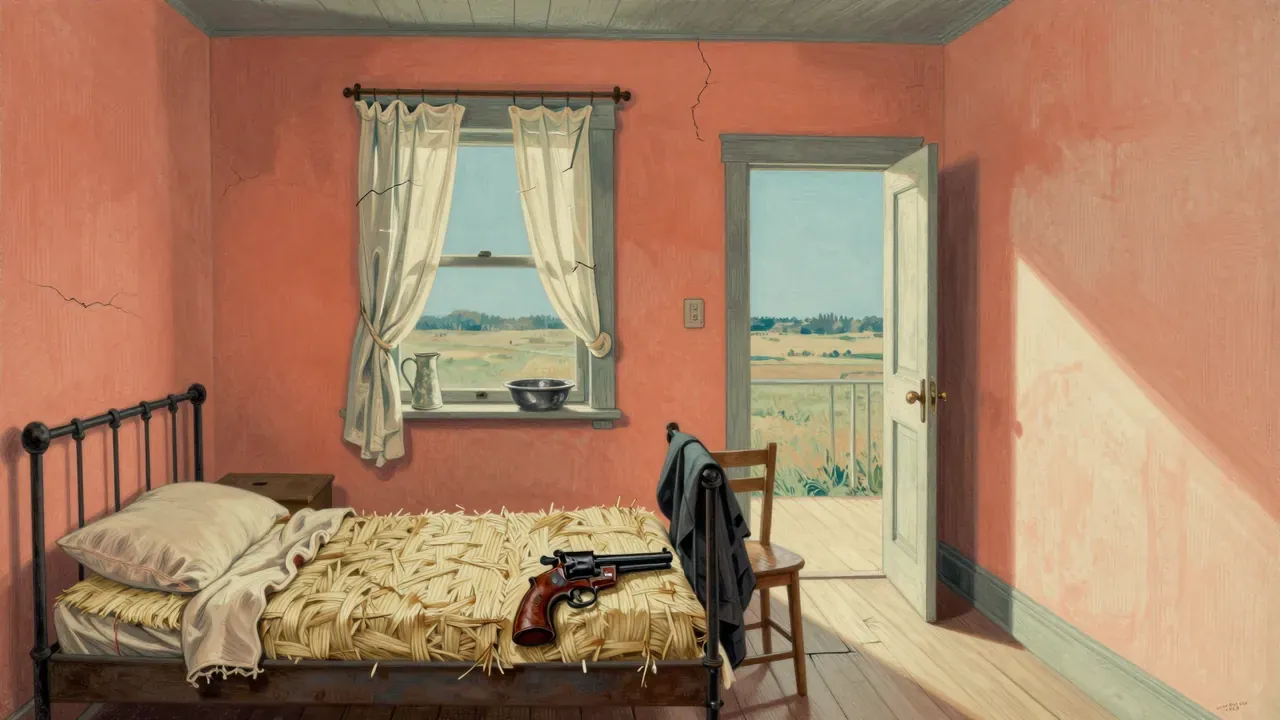
What does not land is the film’s attempt to balance its dual impulses — intimate character study and genre convention — without fully committing to either. The bank heist subplot arrives late and resolves too hastily, its stakes undercut by earlier emotional preoccupations. Several supporting characters — Chico Modesto, Bob Emory, Harvey Johnson — remain sketches, their motivations opaque, their exits unmourned. The shift from Rio’s vow of vengeance to his sudden renunciation feels underprepared, relying on internal logic the script does not articulate. Some scenes — particularly those involving Lon Dedrick — verge on melodrama without the tonal control to sustain them. The film’s length, while justified by its mood, occasionally becomes indistinguishable from inertia: long takes that should deepen immersion instead risk diffusing focus. And though Brando’s direction avoids theatricality, it sometimes mistakes stillness for significance — a pause that feels earned in one scene reads as uncertainty in another. The final shootout, though visually stark, lacks the psychological weight of earlier confrontations, arriving as anticlimax rather than culmination. (148 words)
The shape of it
The themes that matter are betrayal as inheritance, masculinity as performance under duress, and revenge as a form of arrested time. Dad Longworth does not merely abandon Rio — he installs himself as the architect of Rio’s future, shaping his imprisonment, his rage, his very sense of self. The film treats fatherhood not as nurture but as imposition: Dad claims Rio as son, then breaks him as rival. Rio’s struggle is not to kill Dad, but to stop being defined by him — a task made harder by Louisa’s resemblance to Maria, by the town’s familiarity with both men, by the very geography that echoes their shared past. The Western setting is not incidental; it is diagnostic. The frontier here is not one of expansion but of containment — borders drawn by law, loyalty, language, and blood. The film’s quietest moments interrogate complicity: Maria’s silence, Louisa’s obedience, even the rurales’ pursuit — all suggest that violence is rarely solitary, but sustained by collective looking away. There is no redemption arc, only recognition: that some wounds do not heal, they calcify into posture. (143 words)
The audience for it
This film is for viewers who value psychological texture over plot propulsion, who find resonance in ambiguity and are willing to sit with unresolved endings. It suits those familiar with mid-century American Westerns — especially the work of Anthony Mann or early Sam Peckinpah — and want to see the genre turned inward, stripped of swagger. It is not for viewers who require clear moral alignment, tight narrative economy, or conventional genre payoffs; those expecting a taut revenge thriller will find its rhythms frustrating. Fans of Brando’s acting may be disappointed by his directorial hesitations, while admirers of classical Hollywood pacing may balk at its stretches of near-stasis. Those who prize historical accuracy or authentic period detail will note the anachronistic liberties — the Monterey setting, the modern inflections in dialogue — but these are deliberate, not careless. A viewer who values craft over clarity, mood over momentum, will find much to hold. Someone who needs the film to decide for them — who Rio is, what he wants, whether he wins — will leave unsatisfied. (140 words)
The leaving of it
Yes, it is worth your evening — but only if you approach it as a mood piece, not a story. Its 141 minutes unfold like a tide receding slowly, revealing contours only visible in retrospect. It rewards attention to gesture, to silence, to the way light falls across a face at dusk. Those who watch it expecting narrative efficiency or cathartic release will likely feel short-changed; the film refuses to resolve its central tensions cleanly. Critics who dismissed it on release — and some still do — mistake its reticence for emptiness. What changes the verdict is willingness: to accept that some films are less about what happens than how it feels to endure it. Its reputation has grown not because it was misunderstood, but because its concerns — inherited guilt, performative masculinity, the impossibility of clean breaks — have become more legible over time. It is not a film you consume, but one you absorb, like sea air or salt on skin. (141 words)