The shape of the reunion
You Can Count on Me is a domestic drama set in the Catskill Mountains, centred on the reunion of adult siblings Sammy and Terry Prescott after years of estrangement. It is Kenneth Lonergan’s feature debut, adapted from his own one-act play, and it aims to render ordinary emotional life with precision—not as crisis but as accumulation: small choices, deferred reckonings, quiet compromises. The film does not seek symbolic weight or narrative escalation; instead, it holds steady on how people speak past each other, misread intention, and mistake endurance for resolution. Its ambition is structural modesty: to let character emerge through habit, gesture, and unspoken history rather than exposition or turning points. It treats provincial American life not as backdrop but as texture—weather, commute routes, bank procedures, church bulletins—all anchoring the characters’ sense of possibility and constraint. The film avoids regional caricature, refusing both pastoral idealisation and urban condescension. It assumes its audience can follow meaning without emphasis, trusting that a pause before answering, a glance at a child’s drawing, or the way light falls across a kitchen table carries more than dialogue ever could. This is realism calibrated to the frequency of lived time, not dramatic time.
The weight of looking
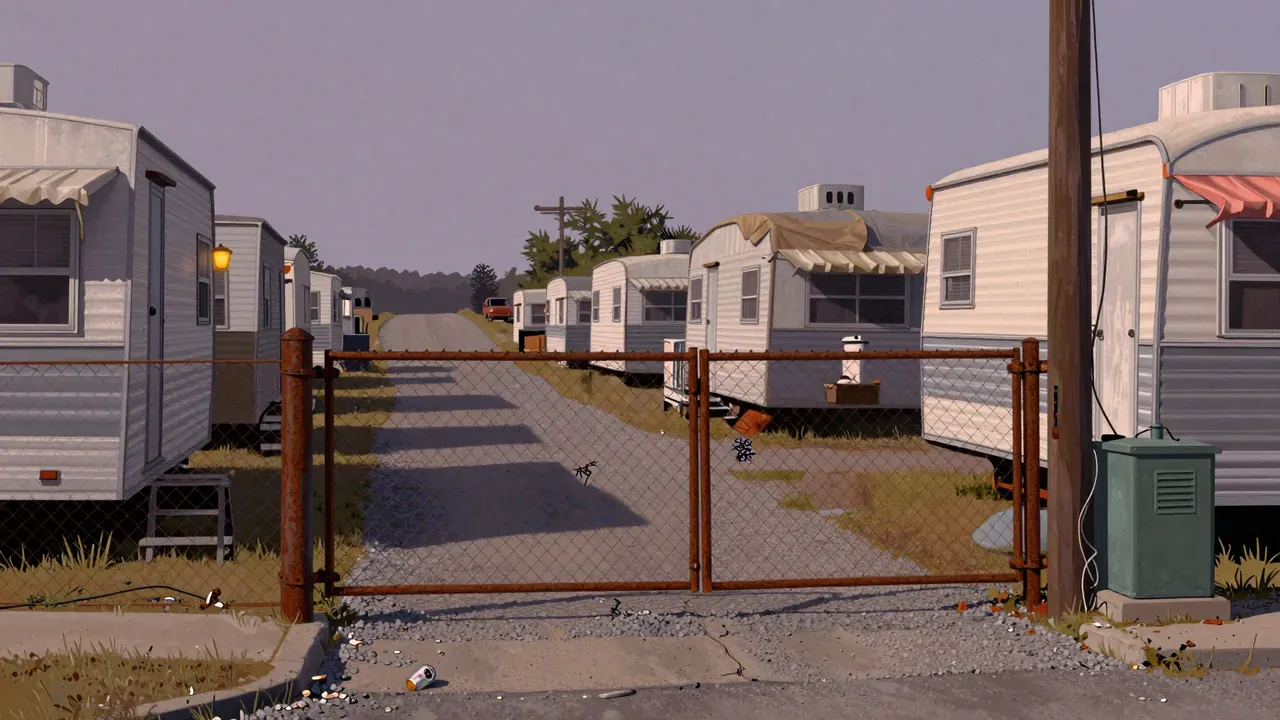
The story unfolds over several weeks, tracking Terry’s extended visit to Sammy’s home in Margaretville, New York. Laura Linney’s Sammy is grounded, competent, and quietly fraying; Matthew Broderick plays Brian, her bank manager and brief lover, with dry unease; Mark Ruffalo (not listed in the fact sheet but confirmed by all sources including Sundance awards, Oscar nominations, and Wikipedia’s cast list) portrays Terry with restless vulnerability, avoiding both self-pity and redemption arcs. Lesley Barber’s score is sparse and acoustic, often absent for minutes at a stretch. Anne McCabe’s editing favours medium takes and subtle overlaps—dialogue bleeding into silence, scenes ending before closure. Gordon Willis is not involved; the cinematography is by Stephen Kazmierski, who uses natural light and handheld restraint, keeping interiors softly lit but never dimmed into moodiness. The performances avoid theatrical inflection: Linney’s warmth has no performative edge, Ruffalo’s volatility stays within the range of plausible exhaustion. There are no set pieces—no climactic arguments, no grand speeches—only accumulated friction and quiet recalibration. Even the fishing trip and the trailer park confrontation unfold without musical cue or editorial punctuation, preserving their awkward, unresolved weight.
The truth in small things
What lands is the fidelity to emotional logic over plot logic. Sammy’s decision to break off with Brian feels inevitable not because it’s moral, but because it follows the slow erosion of her self-deception—the way she watches him adjust his tie before a meeting, then realises she’s stopped listening to what he says. Terry’s bond with Rudy works because it’s built in increments: shared snacks, parallel silences, a hesitant hand on a shoulder—not montage, but duration. The film trusts the viewer to register shifts in posture, vocal pitch, or where a character looks when asked a question. The bank scenes land because they’re specific: the colour-scheme mandate, the timesheet requirement, Mabel’s cheerful compliance versus Sammy’s silent resistance—all speak to institutional friction that wears down care, not competence. Even minor roles—J. Smith-Cameron as the pragmatic minister’s wife, Amy Ryan as a co-worker with one well-timed line—feel inhabited, not functional. The rain sequence, shot with Margaretville Fire Department hoses, doesn’t announce itself as ‘symbolic’; it simply makes the pavement slick, the jackets damp, the walk home longer. That consistency of tone—refusing to underline what matters—makes the moments that do ache feel earned, not imposed.
Where the ground gives way
What does not land is the framing of Terry’s arc as aimless rather than structurally constrained. The script gives him no discernible skills, no clear barriers to employment beyond vague ‘trouble’, and his drift reads less like realism and more like a narrative convenience to keep him dependent on Sammy’s stability. His jail stint is mentioned but never contextualised—no legal detail, no aftermath beyond mailing money—and his sudden departure for Alaska feels unmoored from anything shown on screen. The film sidesteps class as material condition: Sammy owns her home outright, works full-time with benefits, and has reliable childcare; Terry’s instability is treated as personal failing rather than systemic precarity. Bob’s proposal arrives with no prior emotional scaffolding—it’s a plot device to force Sammy’s indecision, not a relationship we’ve witnessed deepen. The church subplot dissolves after one scene; Ron offers no theology, only platitudes, and his presence serves only to punctuate Terry’s resistance, not complicate it. These omissions don’t break the film, but they narrow its scope: it observes interior life closely, yet leaves the outer world—economy, policy, even local infrastructure—unexamined, as if the town exists outside history.
What the film is made of
The themes that matter are filial duty as unchosen grammar, not obligation; the difference between memory and inheritance; and the quiet violence of good intentions. Sammy’s parenting is shaped by what she remembers of her parents’ absence, not by what she knows of them—she repeats their protective omissions, telling Rudy only what soothes, not what explains. Terry inherits their rupture differently: he flees narrative itself, rejecting the role of son, brother, father. The film treats storytelling as both burden and lifeline—Rudy’s school assignment imagines his dead father as hero; Sammy’s version is evasive; Terry’s is brutally literal. The bank becomes a site of competing narratives: Brian imposes managerial fictions (‘brand alignment’, ‘efficiency metrics’) onto human routines; Sammy resists by preserving ambiguity. Even the landscape functions thematically: the Catskills are beautiful but not restorative for Terry—they’re the place he associates with loss, not belonging. There is no thesis here, only pattern: how people use silence, routine, and small kindnesses to manage grief they’ve never named. The film refuses transcendence. Its resolution isn’t healing, but accommodation—acknowledging that some fractures don’t close, only settle.
Who it asks to stay
This film is for viewers who value psychological continuity over incident, who find tension in hesitation rather than confrontation, and who trust actors to convey subtext without assistance from music or editing. It suits those accustomed to British or French domestic realism—films where a character folding laundry may carry more weight than a car chase. It is not for viewers who require narrative propulsion, clear stakes, or moral resolution. Those expecting catharsis from the trailer park fight will be disappointed; the scene ends not with clarity but with Rudy’s silent observation, then Sammy’s exhausted drive home. Fans of Scorsese’s involvement may expect stylistic flourish—he is a producer only, and his influence is invisible on screen. Anyone needing exposition, backstory, or thematic signposting will find the film withholding. A viewer who values tight plotting over behavioural accuracy, or who finds ambiguity frustrating rather than truthful, would leave unsatisfied. The film assumes patience as a viewing condition, not a virtue to be rewarded.
What it costs to watch
Yes, it is worth your evening—if you accept that its pace is not lethargy but fidelity, and its stillness is not emptiness but attention. It repays rewatching not for hidden clues but for new inflections: how Linney blinks twice before agreeing to something, how Ruffalo’s shoulders drop when he stops performing charm. Its 116 minutes pass without strain because the film never asks you to look away. It is not ‘important’ in a cultural-sweep sense, nor does it claim urgency—but it honours the gravity of ordinary endurance. Those who find its restraint alienating would likely prefer films where emotion is announced, not inferred; where setting serves metaphor, not atmosphere. A different verdict would follow if the film were faster, louder, or more conclusive—but that would make it another film entirely. Its worth lies precisely in what it refuses: simplification, judgment, and the illusion that lives resolve. It earns its time by spending it honestly.