filmbriefs
Topic

Ambition

The drive to make something, and what it costs the maker.

33
in film
13:00
average
429 min
in total
46
across the network
Ambition across the network →
All briefs33
13:00

Afire

Christian Petzold · 2023

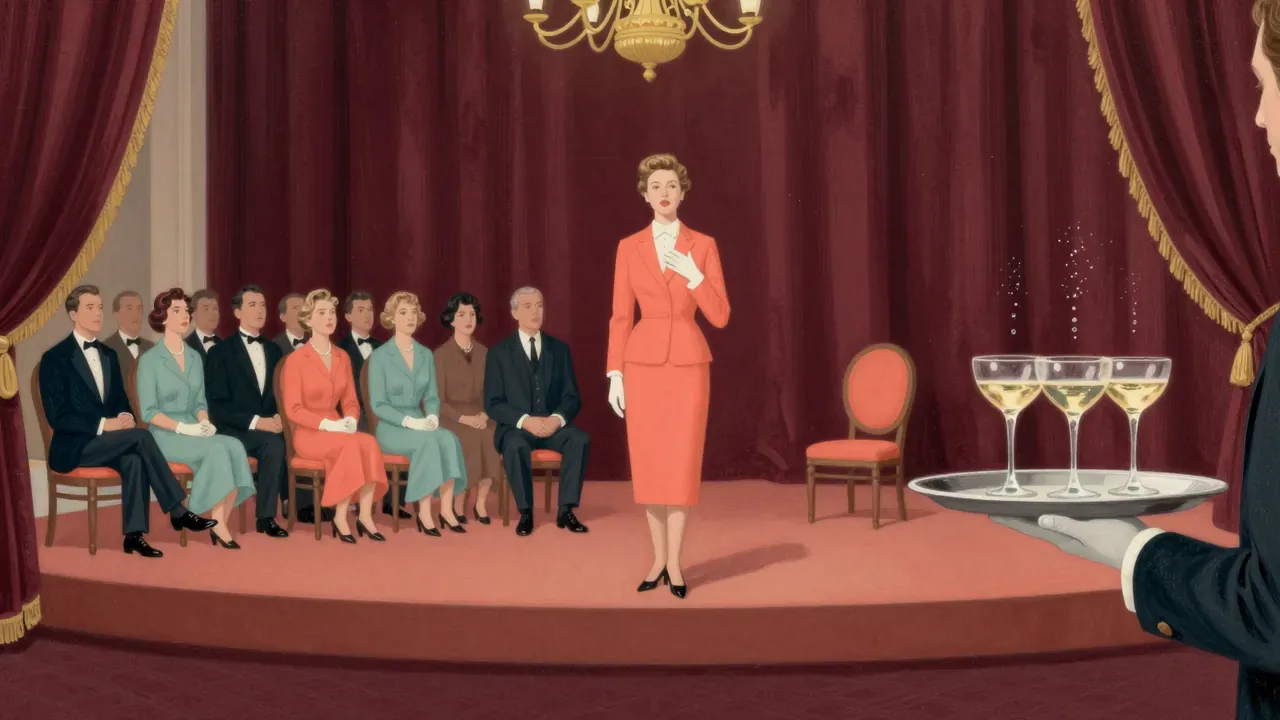
Christian Petzold’s Afire follows a brittle young writer whose self-absorption fractures under the pressure of shared space, honest criticism, and an approaching forest fire. Set in a Baltic holiday home, the film traces his slow disorientation as relationships shift and catastrophe interrupts narrative control. With restrained performances and unadorned craft, it asks how people begin to see clearly only after their stories stop holding.
13:00

All About Eve

Joseph L. Mankiewicz · 1950

All About Eve (1950) follows ageing Broadway star Margo Channing as she takes in devoted fan Eve Harrington, only to find her career, relationships, and sense of self quietly displaced. Written and directed by Joseph L. Mankiewicz, it unfolds through layered narration, razor-sharp dialogue, and restrained performances — especially Bette Davis as Margo and Anne Baxter as Eve. Shot in black-and-white by Milton Krasner, edited by Barbara McLean, and scored by Alfred Newman, it is a precise, unsentimental study of power, performance, and professional inheritance.

13:00

All That Jazz

Bob Fosse · 1979

Bob Fosse’s 1979 semi-autobiographical musical follows Joe Gideon—a director and editor burning himself out across Broadway and Hollywood—as his body fails. Using dance, dream logic, and clinical realism, it maps the collision of creative obsession and physical collapse. Roy Scheider stars; Giuseppe Rotunno shoots; Alan Heim edits; Ralph Burns scores. It won four Oscars and the Palme d’Or, and remains a benchmark for formal audacity in American cinema.

13:00

Bottle Rocket

Wes Anderson · 1996

Wes Anderson’s 1996 debut follows three Texas friends attempting increasingly ill-conceived robberies, not for money or thrills but to inhabit roles — planner, accomplice, driver — that confer identity and connection. Shot with flat, frontal precision by Robert Yeoman and scored with wry minimalism by Mark Mothersbaugh, it treats ambition, failure, and affection with equal, unblinking calm.

13:00

Downhill Racer

Michael Ritchie · 1969

Michael Ritchie’s 1969 debut follows American downhill skier David Chappellet — played by Robert Redford — as he joins the U.S. Ski Team in Europe. Written by James Salter and shot on real World Cup courses, the film avoids sports-movie tropes: no training montages, no last-minute comebacks, no emotional breakthroughs. Instead, it observes Chappellet’s unyielding self-containment — his victories, silences, and failures — with clinical precision. Brian Probyn’s cinematography and Kenyon Hopkins’ sparse score reinforce its austere tone. It is less about skiing than about the cost of treating excellence as a solitary metric.

13:00

Election

Alexander Payne · 1999

Alexander Payne’s 1999 black comedy follows a high school teacher’s attempt to sabotage an overachieving student’s bid for class president. Told through four intersecting voiceovers and shot on location in Omaha, it uses the mechanics of a student election to dissect ambition, resentment, and institutional failure — with Reese Witherspoon and Matthew Broderick delivering performances of unnerving clarity.

13:00

High Art

Lisa Cholodenko · 1998

Lisa Cholodenko’s 1998 debut follows Syd, a young magazine editor drawn into the orbit of Lucy, a reclusive photographer whose fame and heroin dependency unsettle Syd’s orderly life. Shot by Tami Reiker and anchored by Ally Sheedy’s restrained performance, the film traces the blurring of professional and personal boundaries in New York’s art world—with precision, restraint, and no easy answers.

13:00

I Knew Her Well

Antonio Pietrangeli · 1965

Antonio Pietrangeli’s I Knew Her Well follows Adriana Astarelli, a provincial woman navigating Rome’s celebrity fringes in 1965. With Stefania Sandrelli in a performance of quiet intensity, the film avoids plot in favour of cumulative observation: each encounter reveals how attention is rationed, gender shapes access, and ambition functions as rational response to constraint. Armando Nannuzzi’s cinematography and Benedetto Ghiglia’s restrained score support a structure built on repetition, silence, and unexplained exits. It is arthouse realism at its most patient — a portrait that asks the viewer to attend, not interpret.

13:00

Mildred Pierce

Michael Curtiz · 1945

Mildred Pierce (1945) is a Warner Bros. drama directed by Michael Curtiz, starring Joan Crawford as a divorced mother who builds a restaurant empire only to be undone by her daughter’s ambition and cruelty. Adapted from James M. Cain’s novel but reshaped as a murder-tinged thriller to satisfy censorship rules, it foregrounds Crawford’s restrained, physically precise performance and Ernest Haller’s atmospheric cinematography. Though structurally conventional and morally rigid, its focus on labour, class, and maternal exhaustion gives it enduring resonance.

13:00

Night and the City

Jules Dassin · 1950

Jules Dassin’s 1950 London-set noir follows American tout Harry Fabian as he schemes to corner the city’s wrestling trade, only to be undone by his own miscalculations, betrayals, and the implacable logic of the underworld he misunderstands. Shot on location and at Shepperton Studios, it features Richard Widmark in a tightly coiled performance, Mutz Greenbaum’s precise cinematography, and Franz Waxman’s urgent score. Unsentimental and structurally rigorous, it ends not with reflection but with finality.

13:00

Nightmare Alley

Edmund Goulding · 1947

Nightmare Alley (1947) follows carnival barker Stanton Carlisle as he masters deception, rises in Chicago society, and implodes under the weight of his own fabrications. Directed by Edmund Goulding from Jules Furthman’s adaptation of William Lindsay Gresham’s novel, it stars Tyrone Power in a career-defining turn away from romantic leads. Shot by Lee Garmes and edited by Barbara McLean, the film balances studio polish with unflinching thematic rigour — though its softened ending and underdeveloped urban milieu dilute its fatalism. It remains a landmark of psychological crime cinema, less for its shocks than for its sustained, unsentimental scrutiny of self-deception.

13:00

Raven's End

Bo Widerberg · 1963

Bo Widerberg’s 1963 debut Raven’s End follows Anders, a working-class teenager in 1930s Malmö, as he writes a novel about his tenement block, faces rejection from a Stockholm publisher, and leaves home after his girlfriend becomes pregnant. Shot on location in a soon-to-be-demolished building, it uses restrained performances, natural light, and sparse sound to render aspiration, shame, and quiet departure without sentiment or resolution.

13:00

Safety Last!

Fred C. Newmeyer, Sam Taylor · 1923

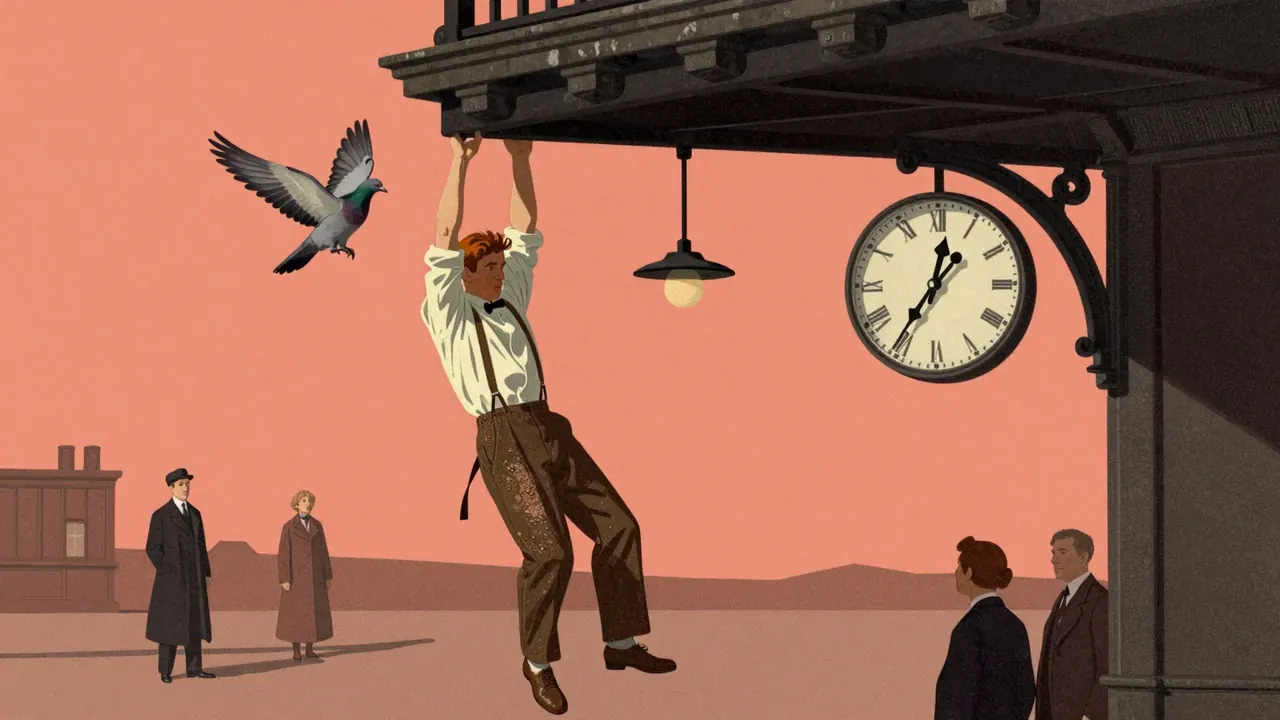
A 1923 silent romantic comedy starring Harold Lloyd, Safety Last! follows a young man’s desperate attempts to appear successful in 1920s Los Angeles so he can marry his girlfriend. When a publicity stunt goes awry, he must scale a skyscraper — culminating in the iconic clock-face sequence. Directed by Fred C. Newmeyer and Sam Taylor for Hal Roach Studios, it balances slapstick with narrative rigour, using physical comedy to explore ambition, class, and endurance.

13:00

The Moment of Truth

Francesco Rosi · 1965

Francesco Rosi’s 1965 drama follows Miguel Romero, a young man from rural poverty who abandons farming for bullfighting in search of dignity and recognition. Shot with restrained realism by Di Venanzo, De Santis and Parolin, and performed largely by real bullfighters including Miguelín himself, the film avoids mythmaking in favour of procedural observation — tracing how ritual, class and visibility reshape identity. Linda Christian appears as an ambiguous outsider. Its themes centre on substitution, erasure and the cost of becoming legible in a hierarchical world.

13:00

The Story of the Last Chrysanthemum

Kenji Mizoguchi · 1939

Kenji Mizoguchi’s 1939 film follows Kikunosuke Onoe, an onnagata striving to master his craft in Meiji-era Japan. His progress is inextricable from Otoku, the wet nurse who becomes his critic, partner, and eventual sacrifice. Shot in extended takes by Minoru Miki and written by Shōfū Muramatsu and Yoshikata Yoda, the film charts fourteen years of ambition, exile, and quiet endurance — culminating not in reconciliation but in belated recognition, delivered too late to alter outcome.

13:00

Throne of Blood

Akira Kurosawa · 1957

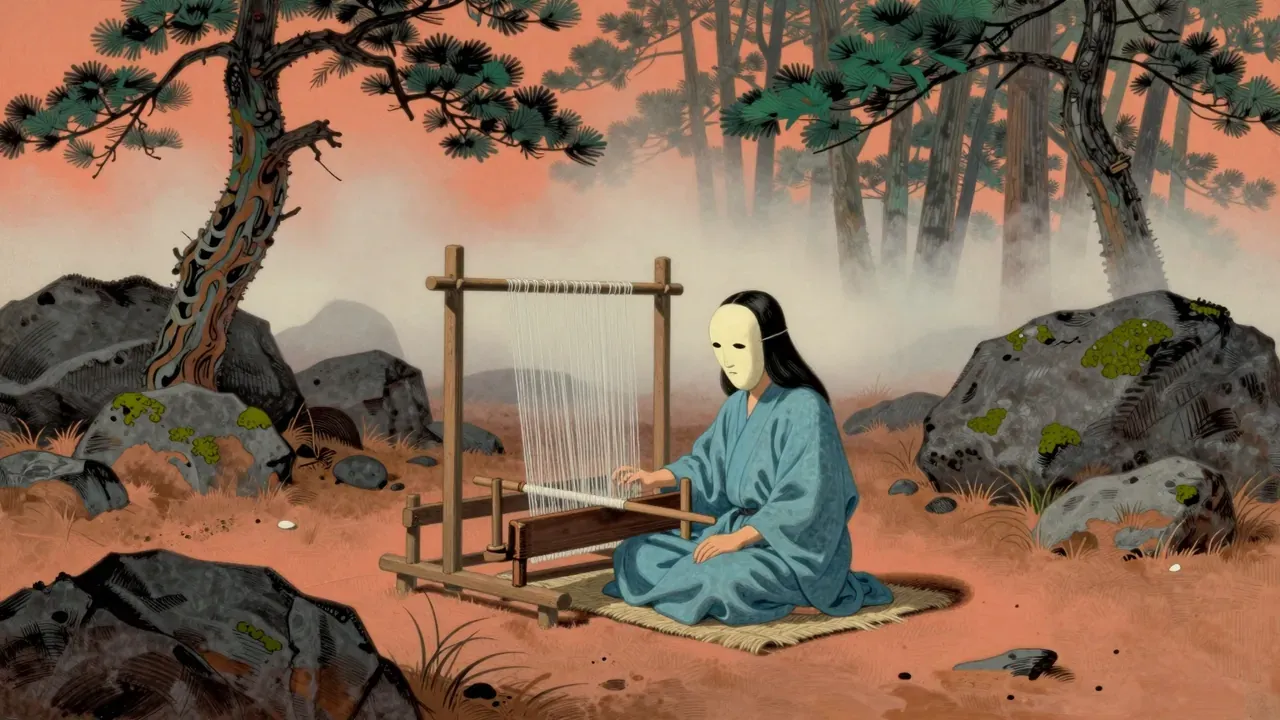
Akira Kurosawa’s 1957 Throne of Blood transposes Macbeth to feudal Japan, using Noh aesthetics, volcanic landscapes, and deliberate stillness to trace the physical and psychological narrowing of a man who kills to become lord — and finds only enclosure. Toshirō Mifune and Isuzu Yamada anchor a film where fog obscures but never excuses, and silence carries more threat than speech.

13:00

To Joy

Ingmar Bergman · 1950

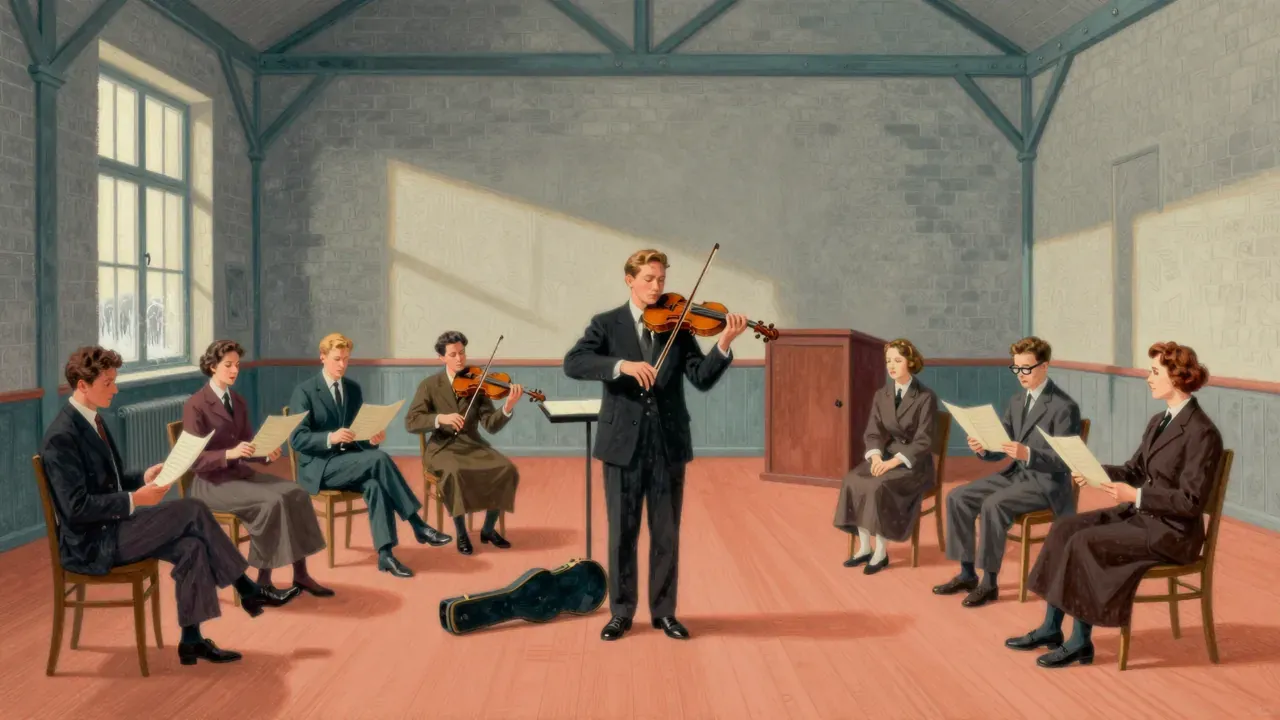
Ingmar Bergman’s 1950 drama follows violinists Stig and Marta as their marriage frays under the pressure of professional compromise, unspoken resentment, and the lure of easier affections. Shot in restrained black-and-white by Gunnar Fischer, with performances rooted in physical detail rather than declamation, it is a film of accumulations — glances, silences, repeated gestures — rather than climaxes. Its power lies in its refusal to moralise or resolve.

13:00

Valley of the Dolls

Mark Robson · 1967

Valley of the Dolls (1967), directed by Mark Robson, adapts Jacqueline Susann’s novel into a glossy, emotionally heightened drama about three women whose careers in entertainment unravel amid barbiturate dependency. Starring Barbara Parkins, Patty Duke, and Sharon Tate, with Susan Hayward as the formidable Helen Lawson, it uses tight close-ups, emphatic scoring, and location shooting to anchor its melodrama in a specific cultural moment — the twilight of the studio system. Though critically divided and formally uneven, it endures as a revealing artefact of how mid-century Hollywood represented female ambition, exhaustion, and systemic collapse.

13:00

Variety Lights

Federico Fellini, Alberto Lattuada · 1950

Federico Fellini and Alberto Lattuada’s 1950 debut follows a struggling vaudeville troupe as ambition fractures loyalty and routine masks exhaustion. Shot on location and at Rome’s Scalera Studios, it stars Peppino De Filippo, Carla Del Poggio and Giulietta Masina, and charts the quiet economics of attention, ageing and reinvention — without flourish, without judgement, and without resolution.

13:00

The Red Shoes

Emeric Pressburger, Michael Powell · 1948

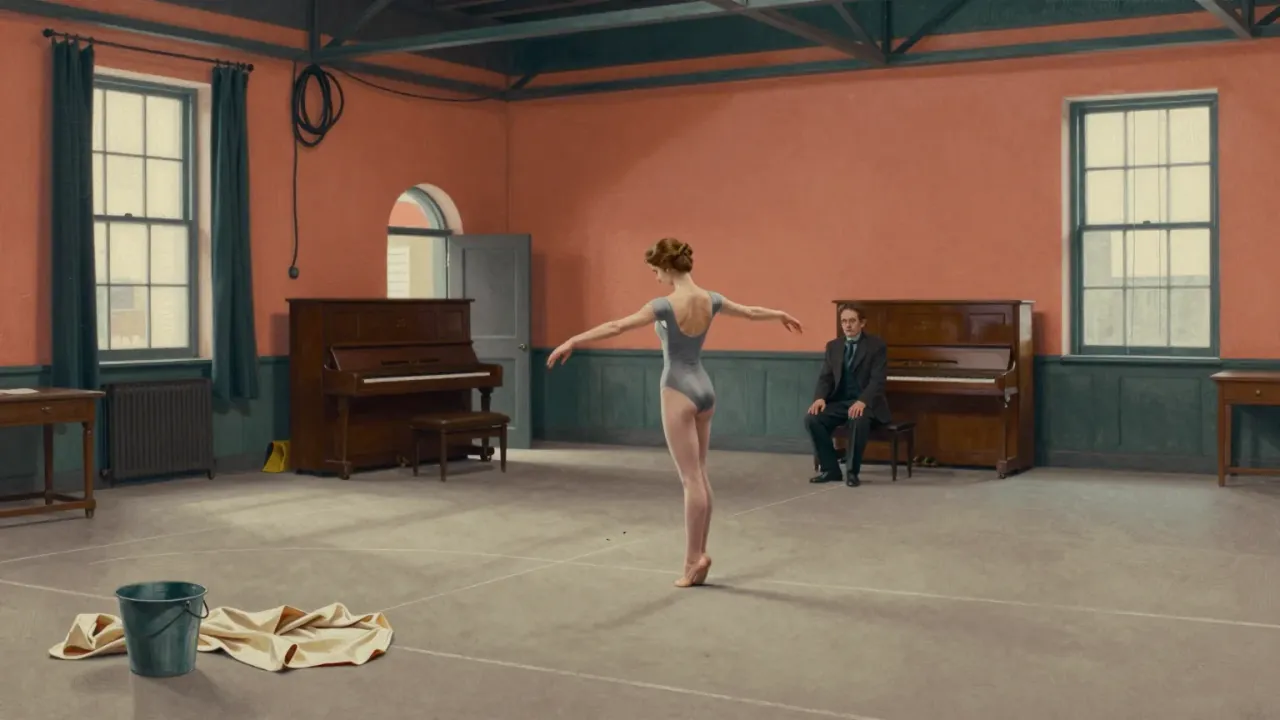
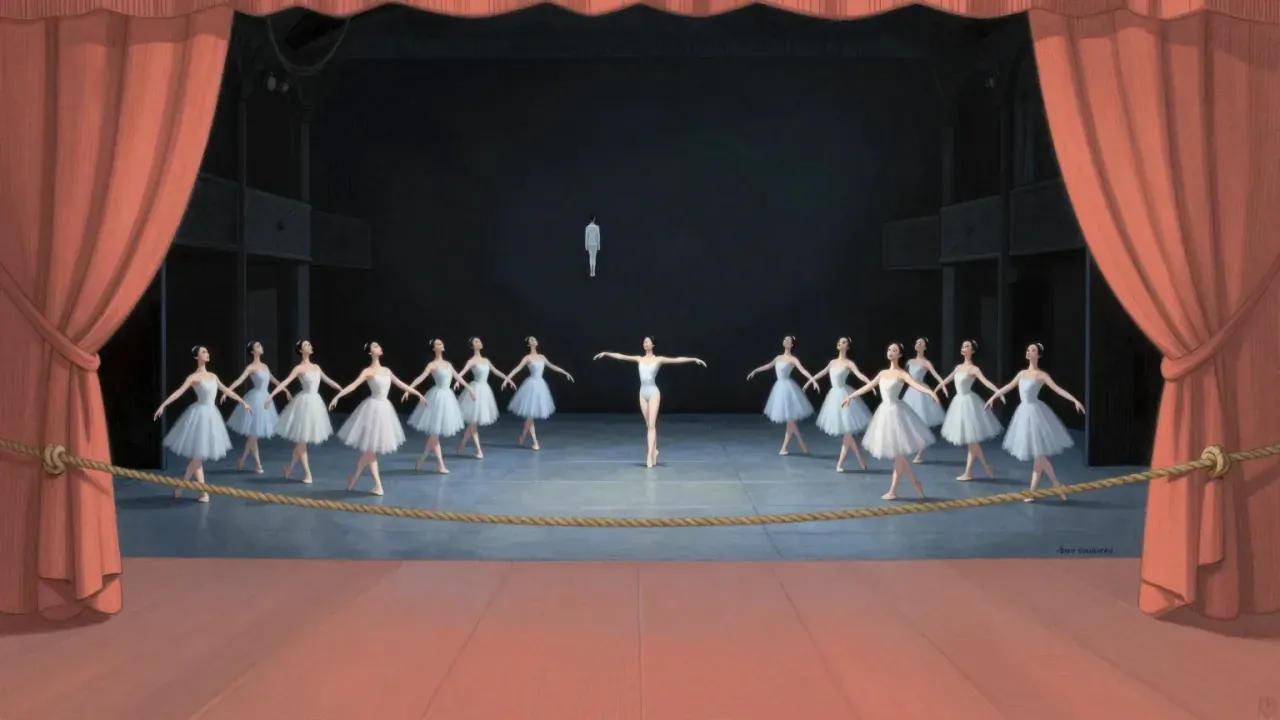
The Red Shoes (1948) is a British dance drama directed by Powell and Pressburger, following ballerina Victoria Page as she joins a prestigious company, falls in love with a composer, and faces an ultimatum from her domineering director. Built around a fifteen-minute ballet adaptation of the Hans Christian Andersen fairy tale, the film uses saturated Technicolor, disciplined choreography, and a tightly wound narrative to explore the cost of artistic commitment. Moira Shearer stars in her film debut, supported by Anton Walbrook and Marius Goring. Shot largely in Paris and at Pinewood Studios, it won two Academy Awards and remains a landmark of cinematic integration of dance and drama.

13:00

Working Girl

Mike Nichols · 1988

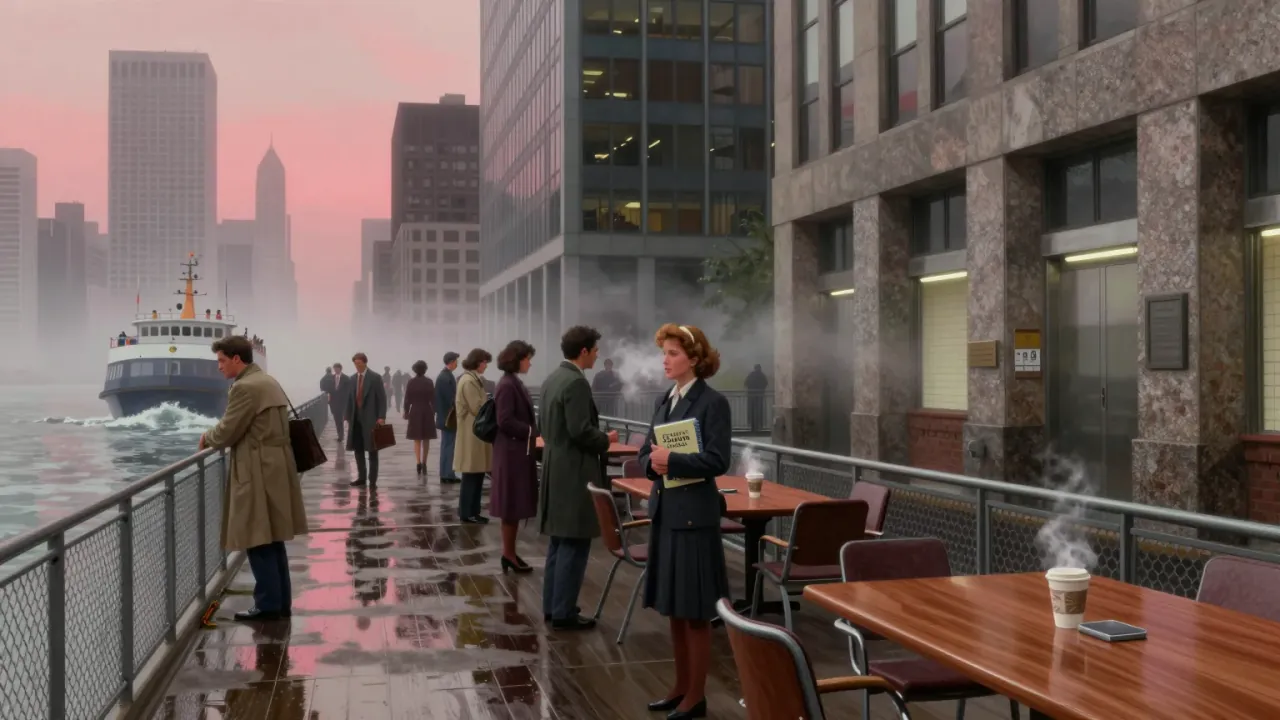
Working Girl (1988), directed by Mike Nichols, follows Tess McGill, a Staten Island secretary with a night-school business degree, as she navigates corporate Manhattan. After being fired from one brokerage, she lands a job with Katharine Parker at Petty Marsh — only to discover her boss intends to steal her idea for a radio-network acquisition. When Katharine breaks her leg, Tess steps in, borrows her wardrobe, and executes the deal herself. Melanie Griffith, Harrison Ford, and Sigourney Weaver anchor a tightly written, visually controlled film that treats ambition as procedural, not mythical — and success as earned, narrow, and reversible.

13:00

The Band Wagon

Vincente Minnelli · 1953

Tony Hunter, a fading musical star, joins a Broadway show written by friends — only for its director to recast it as a pretentious Faust adaptation. Clashing with ballerina Gabrielle Gerard, he walks out, then returns to reshape the show as light entertainment. Directed by Vincente Minnelli, with songs by Schwartz and Dietz and choreography by Michael Kidd, the film treats musical theatre as a living, negotiable form — not a vehicle for stardom, but a site of collective recalibration.

13:00

The Man Who Would Be King

John Huston · 1975

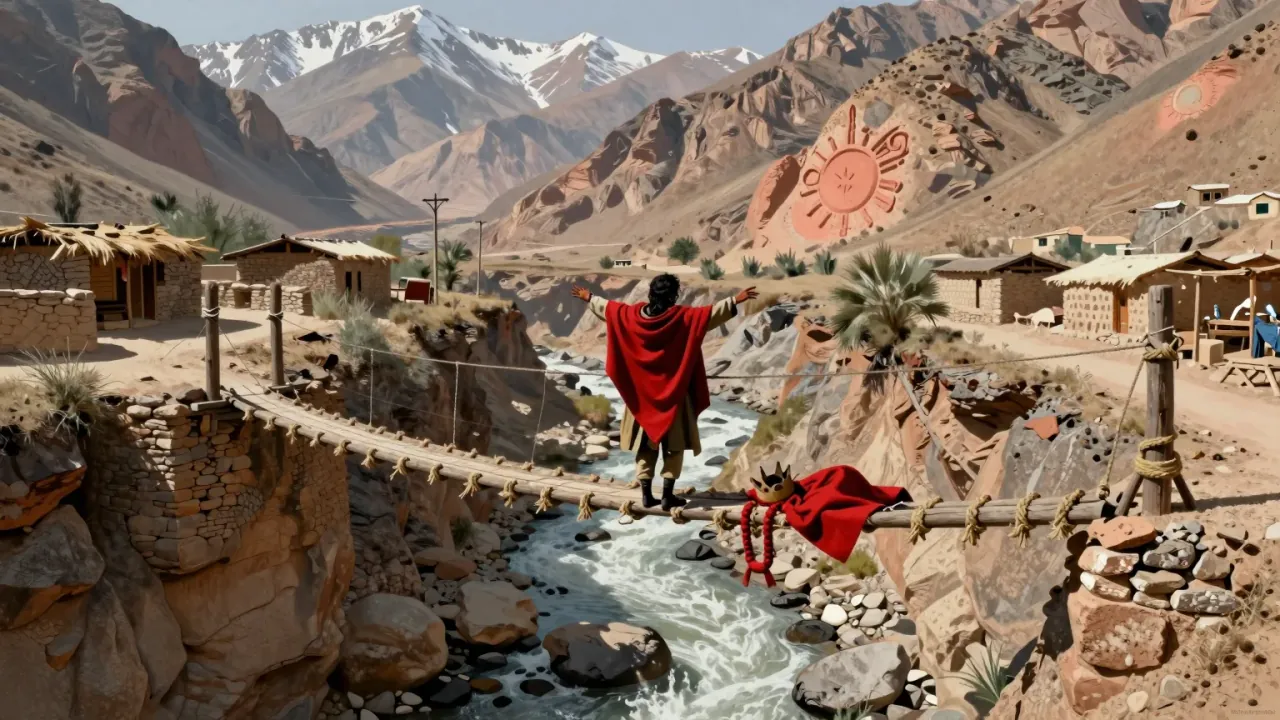
John Huston’s 1975 film adapts Kipling’s novella into a morally austere, visually grounded account of two British ex-soldiers who impersonate gods in Kafiristan. Michael Caine and Sean Connery anchor a story about ritual, sovereignty, and the material conditions of belief — shot in Morocco and France, scored by Maurice Jarre, and edited with deliberate restraint. It avoids moralising, instead tracing the slow, logical erosion of a lie until only consequence remains.

13:00

Aguirre, the Wrath of God

Werner Herzog · 1972

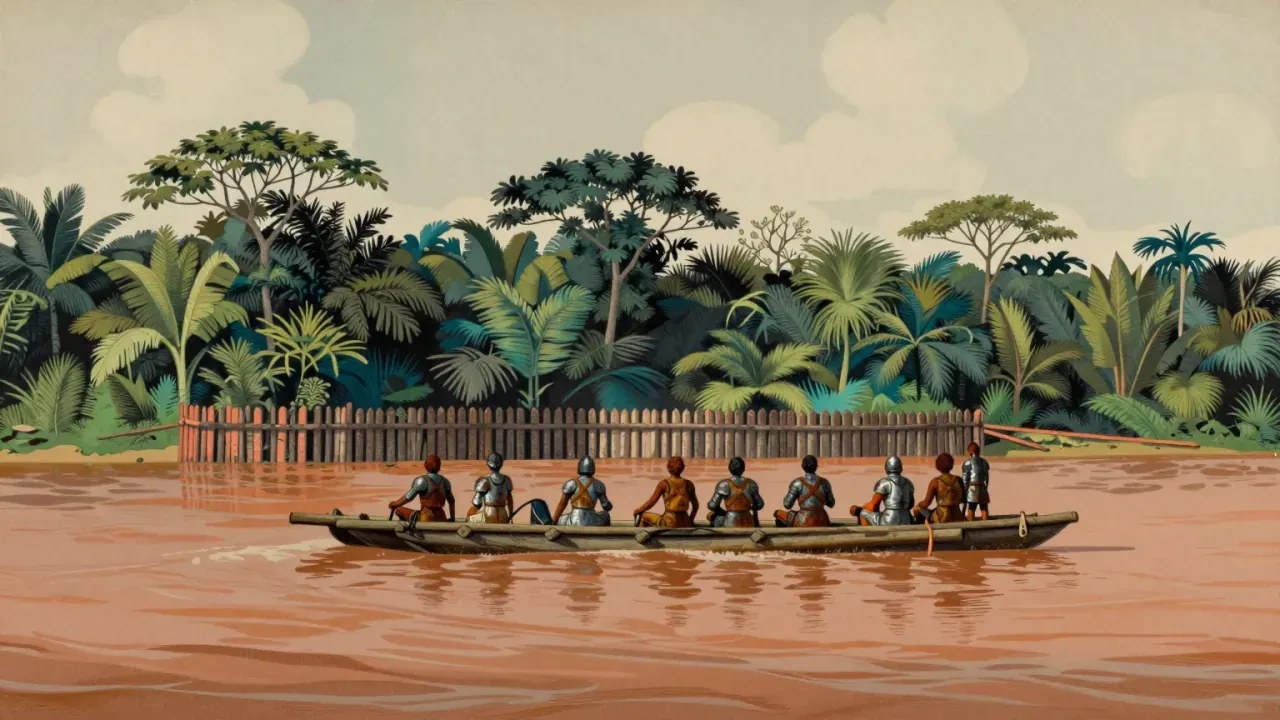
Werner Herzog's 1972 film follows Spanish conquistador Lope de Aguirre, played by Klaus Kinski in the first of five collaborations between the two, as he leads a splinter group of Spanish soldiers deeper into the Amazon in a doomed search for the mythical city of gold, El Dorado. Written in under three days, shot chronologically over five weeks entirely on location in the Peruvian rainforest on a budget of roughly $370,000, and scored by Popol Vuh, the film became a cult favourite whose off-screen production stories, including Kinski's on-set volatility, are nearly as well known as the film itself.

13:00

Black Swan

Darren Aronofsky · 2010

Nina Sayers, a disciplined but fragile dancer at a New York ballet company, wins the lead in Swan Lake and starts losing her grip on reality as she competes with a looser, more sensual rival for the role's darker half. Aronofsky built the film from a decade-old idea about doppelgängers and understudies, shot it on a $13 million budget with Matthew Libatique's camera pressed close to Portman's face, and had his lead actors train in ballet for months before a single scene was filmed.

13:00

Citizen Kane

Orson Welles · 1941

Orson Welles's 1941 debut tells the life of publishing baron Charles Foster Kane through the conflicting memories of the people who knew him, filmed by Gregg Toland in deep focus that keeps whole rooms in sharp relief at once. It cost RKO under $840,000, won a single Oscar out of nine nominations, and lost money on release before critics rebuilt its reputation from the 1950s onward.

13:00

Fitzcarraldo

Werner Herzog · 1982

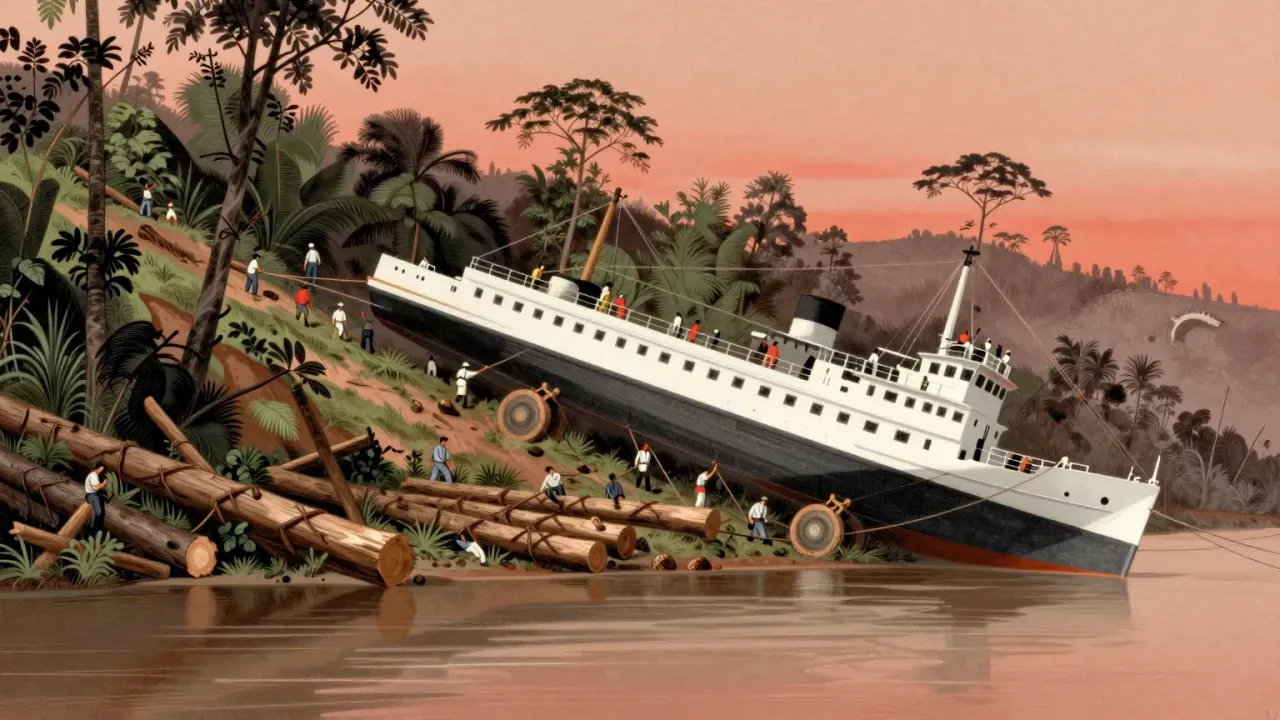
Werner Herzog's 1982 account of an Irish rubber-boom dreamer who portages a real steamship over a Peruvian hillside to fund an opera house, filmed with a real ship, a volatile Klaus Kinski, and none of the effects that would have made it easier.

13:00

Jurassic Park

Steven Spielberg · 1993

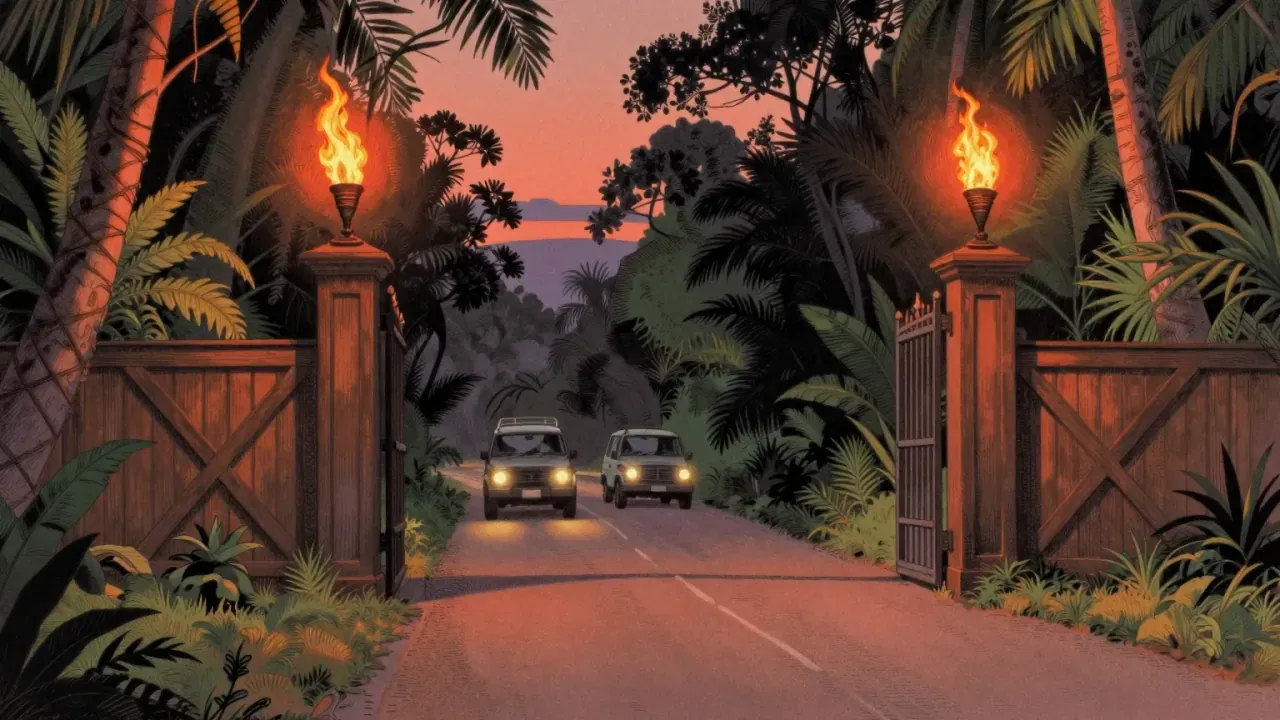
Steven Spielberg's 1993 adaptation of Michael Crichton's novel follows a Costa Rican dinosaur park that collapses once its systems, and its owner's judgement, both fail during a single act of sabotage. Combining Stan Winston's animatronics with Industrial Light & Magic's early computer-generated dinosaurs on a budget reported as either $56 or $63 million, it grossed over $914 million on its original release, briefly the highest-grossing film ever made, and won three Academy Awards for its sound and visual effects.

13:00

Scarface

Brian De Palma · 1983

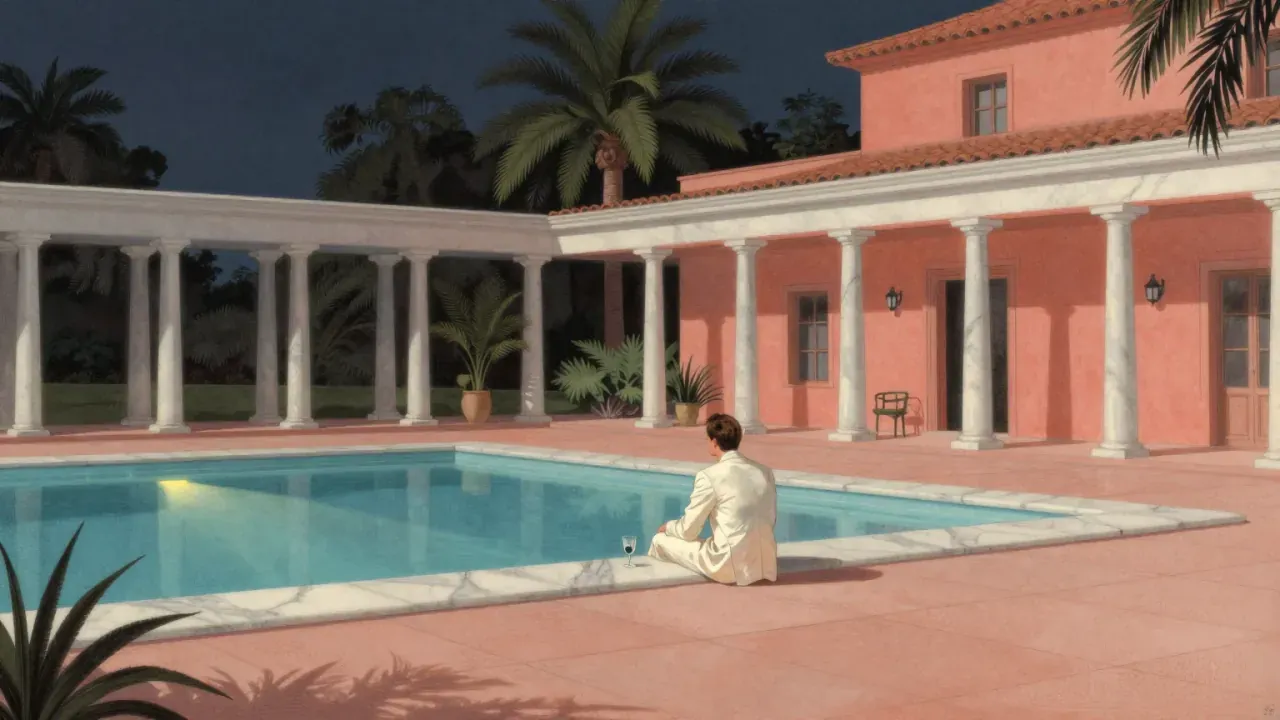
Brian De Palma's 1983 remake of Howard Hawks' original relocates the story to Miami's 1980 Mariel boatlift, with Oliver Stone's screenplay tracking a Cuban refugee's rise through the cocaine trade under Al Pacino at his most excessive. Giorgio Moroder's synthesizer score and a mansion-siege finale that a visiting Steven Spielberg helped shoot gave the film an afterlife in pop culture far larger than its mixed initial reviews suggested.

13:00

The Nightmare Before Christmas

Henry Selick · 1993

The Nightmare Before Christmas follows Jack Skellington, Halloween Town's bored king, as he discovers Christmas Town and decides, badly, that he can run the holiday himself. Henry Selick directed the stop-motion musical from a story and poem by Tim Burton, with songs and score by Danny Elfman, who also voices Jack's singing parts. Released under Disney's Touchstone label rather than the studio's own name, it grossed $75.1 million and earned an Academy Award nomination for Best Visual Effects, a first for an animated film.

13:00

The Secret of NIMH

Don Bluth · 1982

A widowed field mouse named Mrs. Brisby has to move her sick son before the farmer's plough destroys their home, and finds help among a colony of unusually intelligent rats who escaped a laboratory years earlier. Don Bluth directed the film as his debut after leaving Disney's animation department with several colleagues in 1979 to found an independent studio, taking on a book Disney had rejected twice before, adding mystical elements not present in the source novel, and finishing the whole project on a tighter budget and schedule than the studio he'd left would have allowed.

13:00

The Social Network

David Fincher · 2010

The Social Network reconstructs the founding of Facebook through the two lawsuits that followed it, cutting between Harvard in 2003 and the depositions years later where Mark Zuckerberg, Eduardo Saverin, and the Winklevoss twins each give a different account of who invented what. David Fincher directs Aaron Sorkin's script, based loosely on Ben Mezrich's book, with Jesse Eisenberg as Zuckerberg and a score by Trent Reznor and Atticus Ross that treats a founding myth as something closer to a thriller.

13:00

There Will Be Blood

Paul Thomas Anderson · 2007

There Will Be Blood follows Daniel Plainview, a silver miner turned oilman, across roughly three decades of the Californian oil boom, loosely adapting Upton Sinclair's novel Oil! Daniel Day-Lewis plays Plainview opposite Paul Dano's preacher Eli Sunday, with Jonny Greenwood's score and Robert Elswit's cinematography setting a tone closer to horror than period drama. Anderson's screenplay narrows Sinclair's sprawling novel to its first chapters and lets one man's ambition curdle into something closer to a diagnosis than a character study.