filmbriefs
Topic

New York

The city that keeps being declared over and keeps setting the terms.

15
in film
13:00
average
195 min
in total
36
across the network
New York across the network →
All briefs15
13:00

An Unmarried Woman

Paul Mazursky · 1978

Erica Benton’s marriage ends abruptly when her husband leaves for another woman. Over the next months in Manhattan, she navigates divorce, dating, motherhood and self-redefinition without grand declarations or easy answers. Directed by Paul Mazursky and anchored by Jill Clayburgh’s precise, unsentimental performance, the film observes the quiet recalibration of identity with patience and psychological fidelity.
13:00

Crossing Delancey

Joan Micklin Silver · 1988

Crossing Delancey (1988), directed by Joan Micklin Silver and adapted by Susan Sandler from her play, follows Isabelle Grossman — a New York bookseller torn between literary aspiration and familial expectation — as she navigates a matchmaker’s introduction to Sam Posner, a pickle merchant. Set against the Lower East Side’s Orthodox Jewish community, the film charts quiet emotional recalibrations rather than grand transformations, anchored by Amy Irving’s restrained performance and Reizl Bozyk’s luminous final screen role.

13:00

Frances Ha

Noah Baumbach · 2012

Frances Ha (2012) follows Frances, a 27-year-old dancer in New York, as her career stalls and her closest friendship frays. Shot in black-and-white on consumer-grade equipment, it favours observational detail over plot, using Gerwig’s performance and Baumbach’s direction to chart emotional shifts across apartments, cities and roles — from Brooklyn to Sacramento to Paris to Washington Heights. Its themes centre on friendship as infrastructure, class as daily friction, and identity as something folded, not fixed.

13:00

Girlfriends

Claudia Weill · 1978

Claudia Weill’s 1978 debut follows Susan Weinblatt, a Jewish photographer in Manhattan, as her life shifts after her best friend and roommate moves out to marry. Shot over a year on a shoestring budget, the film traces Susan’s struggles with freelance work, romantic missteps, and the slow build toward her first gallery show — all rendered with documentary-like precision, naturalistic performances, and a refusal to resolve its central tensions. It won the Toronto People’s Choice Award and was named one of the National Board of Review’s Top Ten Films of 1978.

13:00

Marriage Story

Noah Baumbach · 2019

Marriage Story follows a New York theatre director and his actress wife as their amicable separation hardens into a bi-coastal custody battle. Written and directed by Noah Baumbach, it stars Adam Driver and Scarlett Johansson, with Laura Dern winning an Oscar for her turn as a formidable divorce lawyer. Shot by Robbie Ryan and edited by Jennifer Lame, it avoids melodrama in favour of procedural realism and emotional granularity — tracking how love endures as habit, memory, and quiet gesture long after the legal terms are settled.

13:00

Prince of Broadway

Sean Baker · 2008

Sean Baker’s 2008 debut Prince of Broadway follows Lucky, a New York street vendor, after his ex-girlfriend brings their young son into his life. Shot on digital with minimal resources, it relies on behavioural nuance and environmental texture rather than plot mechanics. Though its second act sags and some relationships remain underdeveloped, the film’s commitment to quiet observation — and Adu’s understated performance — yields moments of genuine, unforced emotional weight.

13:00

The Seventh Victim

Mark Robson · 1943

The Seventh Victim (1943) is a Val Lewton-produced RKO horror film directed by Mark Robson, following a young woman’s search for her missing sister in New York City, which leads her to a secretive Satanic cult called the Palladists. Shot in 24 days with restrained performances, Nicholas Musuraca’s shadow-heavy cinematography, and Roy Webb’s dissonant score, it sustains unease through implication and omission. Four scenes were cut in post-production, leaving narrative gaps that critics have long noted. Though commercially unsuccessful on release, it gained stature as a moody, morally ambiguous precursor to modern psychological horror.

13:00

Black Swan

Darren Aronofsky · 2010

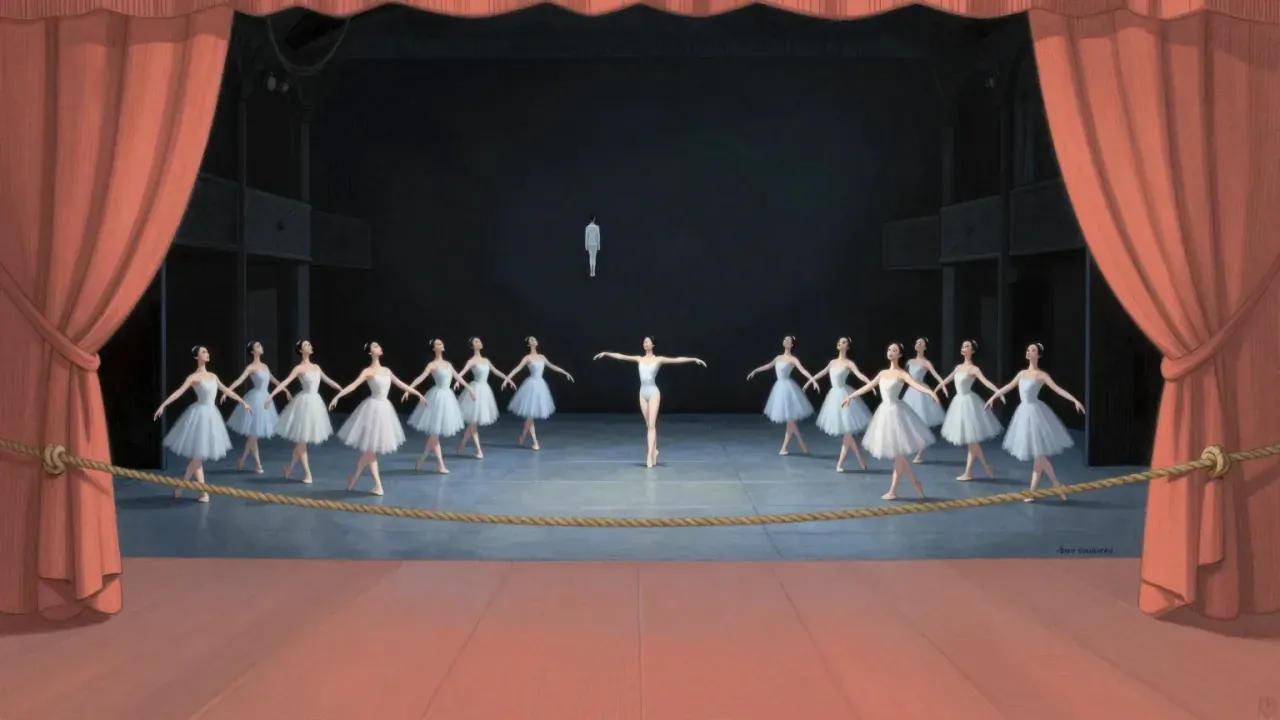
Nina Sayers, a disciplined but fragile dancer at a New York ballet company, wins the lead in Swan Lake and starts losing her grip on reality as she competes with a looser, more sensual rival for the role's darker half. Aronofsky built the film from a decade-old idea about doppelgängers and understudies, shot it on a $13 million budget with Matthew Libatique's camera pressed close to Portman's face, and had his lead actors train in ballet for months before a single scene was filmed.

13:00

Dog Day Afternoon

Sidney Lumet · 1975

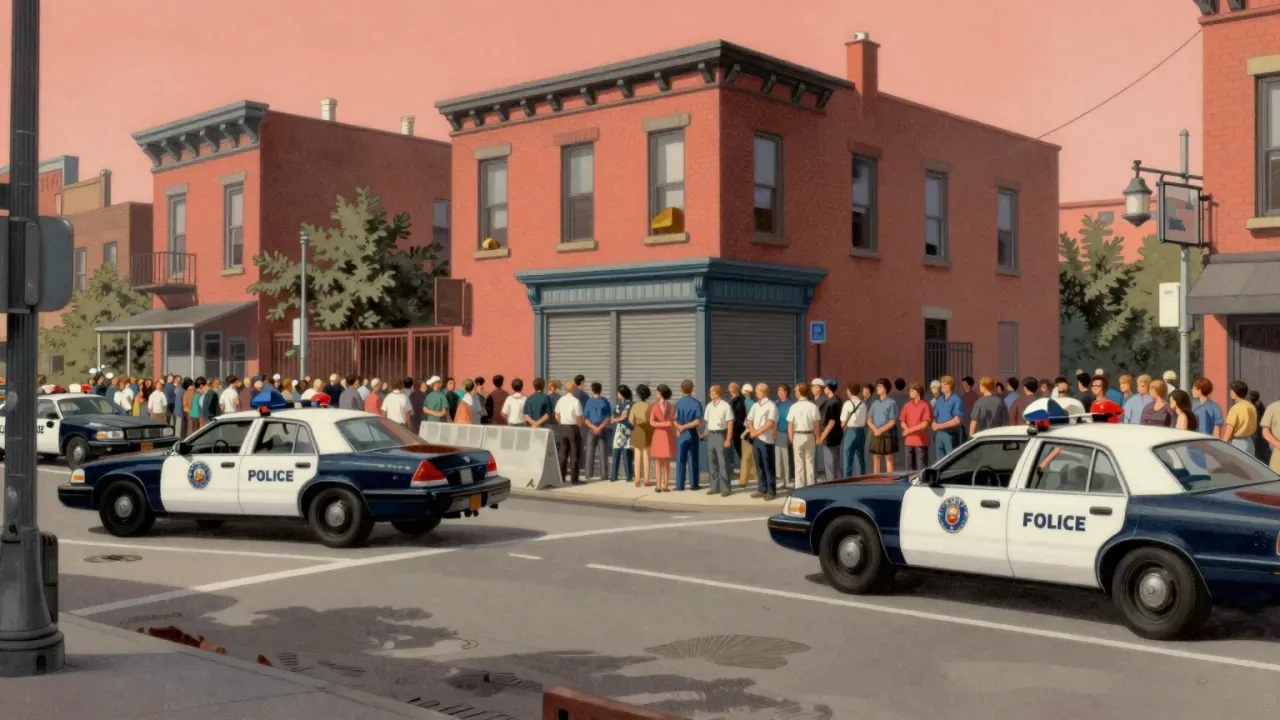
In August 1972, an amateur robbery of a Brooklyn bank branch turns into a fourteen-hour hostage standoff broadcast live to a crowd outside. Sidney Lumet's film, built from Frank Pierson's Oscar-winning script and Al Pacino's live-wire performance as Sonny Wortzik, treats the robbery as already lost from its first minute, following what happens to a small, desperate plan once it becomes public spectacle.

13:00

Goodfellas

Martin Scorsese · 1990

Martin Scorsese's 1990 account of Henry Hill's rise and fall inside the Lucchese crime family, adapted from Nicholas Pileggi's book Wiseguy. Told through overlapping narration and a compressed, accelerating style, it follows money, loyalty and violence as the daily business of a life Hill first found glamorous and eventually could not escape.

13:00

Robot Dreams

Pablo Berger · 2023

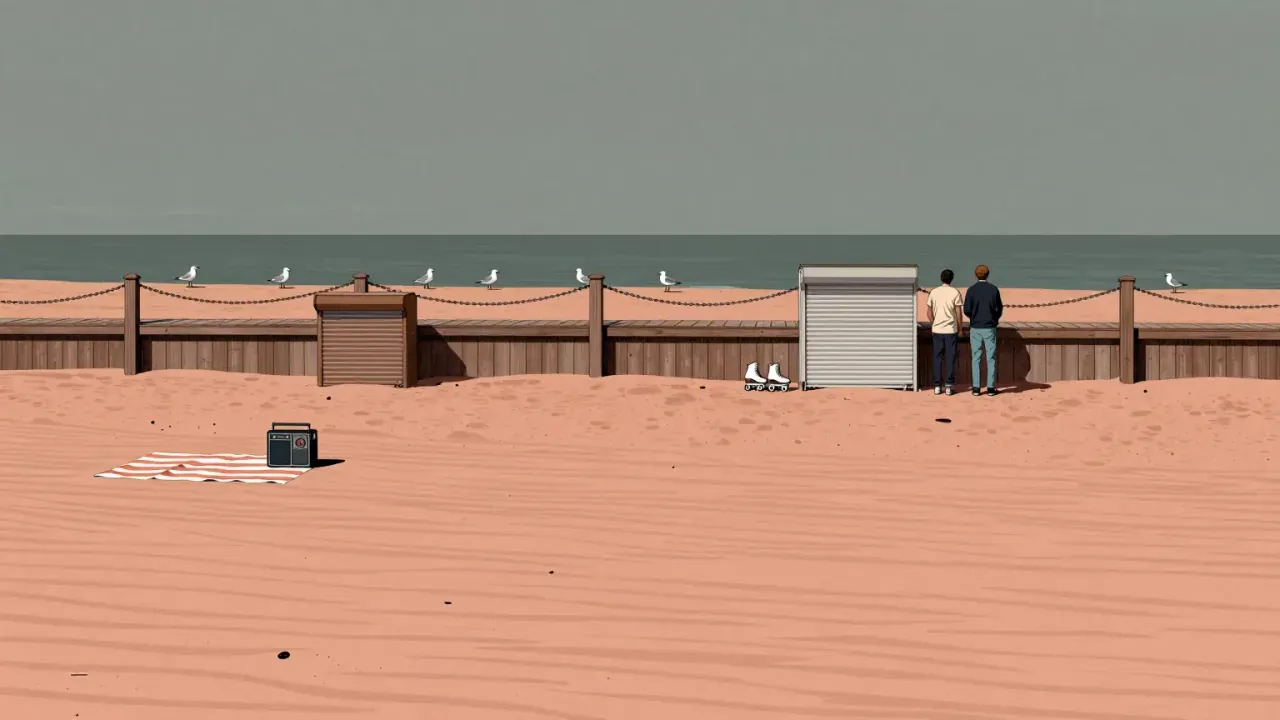
In 1985 Manhattan, a lonely dog orders a robot companion by mail, and the two become inseparable until a day at the beach leaves the robot rusted, stranded and eventually lost to a junkyard. Pablo Berger adapts Sara Varon's 2007 graphic novel entirely without dialogue, built around the recurring pull of Earth, Wind and Fire's September.

13:00

Spider-Man: Into the Spider-Verse

Peter Ramsey, Rodney Rothman, Bob Persichetti · 2018

After a radioactive spider bite and Peter Parker's death at the hands of Kingpin, Brooklyn teenager Miles Morales is thrown together with five other Spider-People pulled in from parallel universes to stop a machine that threatens to destroy them all. Phil Lord and Christopher Miller's screenplay, directed by Bob Persichetti, Peter Ramsey and Rodney Rothman, pairs a six-Spider-Man ensemble with a hand-drawn comic-book visual technique built specifically to make computer animation look like it was inked and printed.

13:00

Taxi Driver

Martin Scorsese · 1976

Martin Scorsese's 1976 film follows Travis Bickle, an insomniac Vietnam veteran driving a New York taxi through the city's worst hours, as his isolation and contempt for the people around him build toward an act of violence aimed first at a political candidate and then at the pimp controlling a twelve-year-old sex worker he has taken an interest in. Written by Paul Schrader, shot with a jittery, restless camera, and scored by Bernard Herrmann in the days before his death, the film was made for $1.9 million and returned over $117 million, winning the Palme d'Or and later becoming entangled in real-world controversy after inspiring an actual assassination attempt.

13:00

The French Connection

William Friedkin · 1971

The French Connection follows two New York narcotics detectives, modelled on real officers Eddie Egan and Sonny Grosso, as they trail a heroin shipment tied to an actual 1962 seizure. Made for $1.8 million after seven actors turned down the lead, it won five Academy Awards including Best Picture and Best Actor for Gene Hackman, and its documentary-style handheld camera and an unscripted-feeling car chase set a template for the decade of American crime films that followed it.

13:00

The Godfather

Francis Ford Coppola · 1972

Francis Ford Coppola's 1972 adaptation of Mario Puzo's novel follows the Corleone family as the youngest son, Michael, is pulled from war-hero outsider into the head of an organised-crime dynasty. Shot by Gordon Willis in interiors so underlit that faces disappear into shadow, scored by Nino Rota, and built on an ensemble led by Marlon Brando and Al Pacino, it cost Paramount $7 million and returned over $268 million, and swept that year's Best Picture, Best Actor and Best Adapted Screenplay Oscars.