filmbriefs
Topic

Decolonisation

Fifty empires becoming a hundred and fifty countries in thirty years.

18
in film
13:00
average
234 min
in total
46
across the network
Decolonisation across the network →
All briefs18
13:00

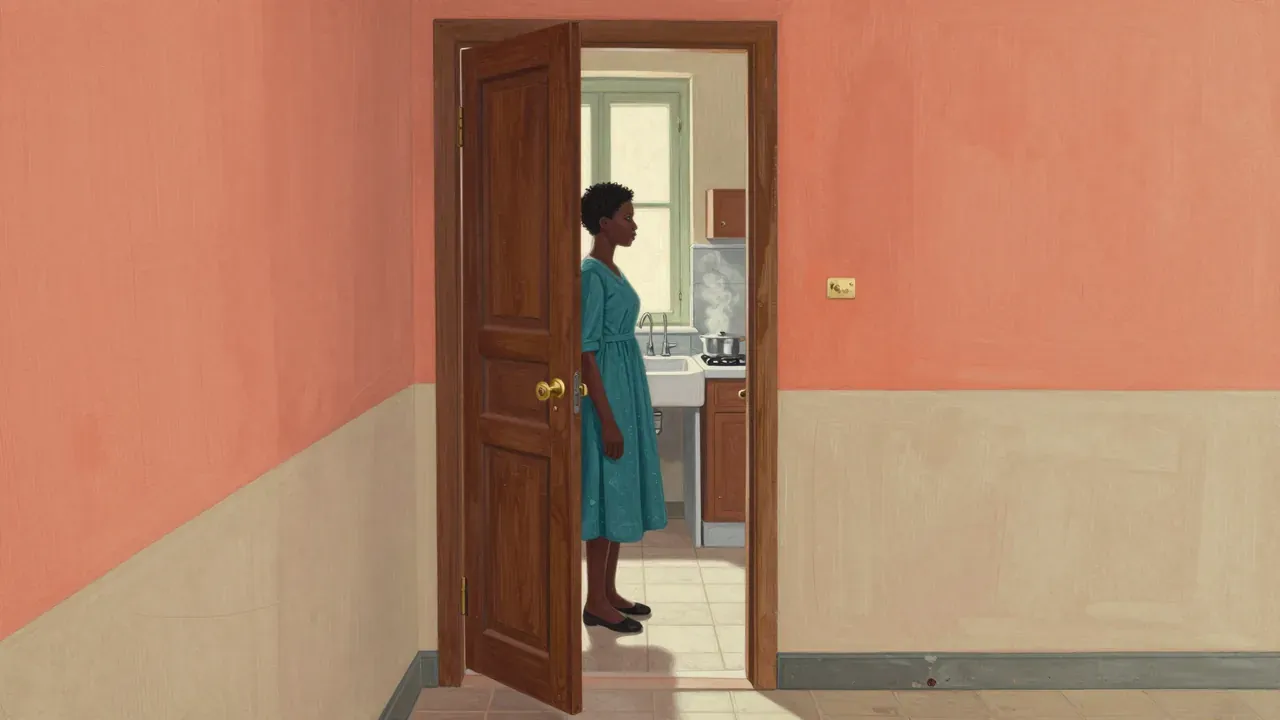
Black Girl

Ousmane Sembène · 1966

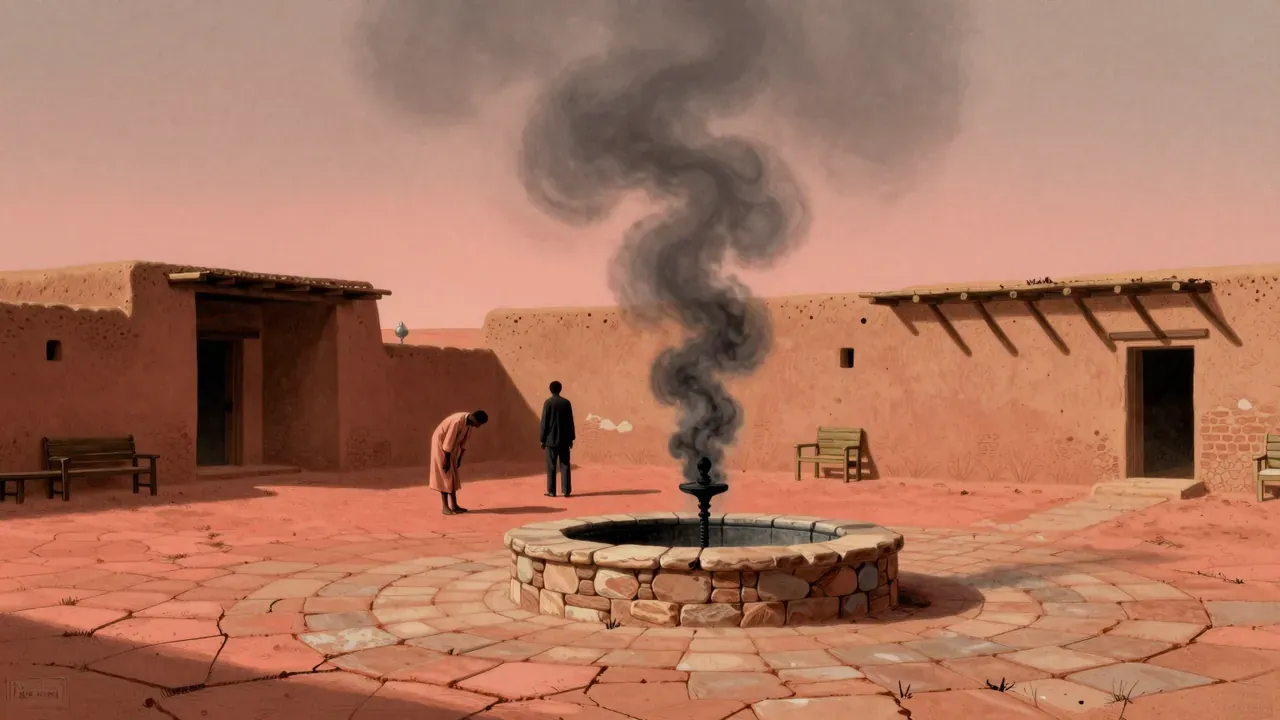
Ousmane Sembène’s 1966 feature debut follows Diouana, a young Senegalese woman who moves to France to work for a French couple, only to find her identity stripped away by isolation, linguistic erasure, and routine condescension. Shot in Senegal with a minimal crew and dubbed dialogue, the film uses stark visual contrast and elliptical editing to trace the psychological toll of colonial labour. Its power lies in restraint: no score, no exposition, no redemption—just the quiet accumulation of small violences, culminating in an act of final autonomy. Widely regarded as the first Sub-Saharan African feature by an African filmmaker to gain international attention, it remains a foundational text of anti-colonial cinema.
13:00

Ceddo

Ousmane Sembène · 1977

Ousmane Sembène’s 1977 Ceddo is a Senegalese historical drama set in a pre-colonial West African village torn between animist tradition, Islam, Christianity, and the slave trade. When the ceddo — the outsiders — abduct the king’s daughter to protest forced conversion, the conflict escalates into violence, conversion, and regicide. Shot in French with Wolof cultural grammar, the film refuses exposition, moral simplification, or sentimental resolution. Its power lies in its formal rigour, political clarity, and unwavering centreing of African epistemic autonomy.

13:00

Chronicle of the Years of Fire

Mohammed Lakhdar-Hamina · 1975

Chronicle of the Years of Fire (1975), directed by Mohammed Lakhdar-Hamina, follows Ahmed, an Algerian peasant, across seventeen years leading to the 1954 uprising against French rule. Structured in six chapters, it charts the slow, embodied formation of national consciousness under colonialism — through drought, conscription, broken promises and massacre. Shot by Marcello Gatti and scored by Philippe Arthuys, it favours duration over drama, collective experience over individual psychology. It won the Palme d’Or at Cannes and remains a landmark of postcolonial cinema.

13:00

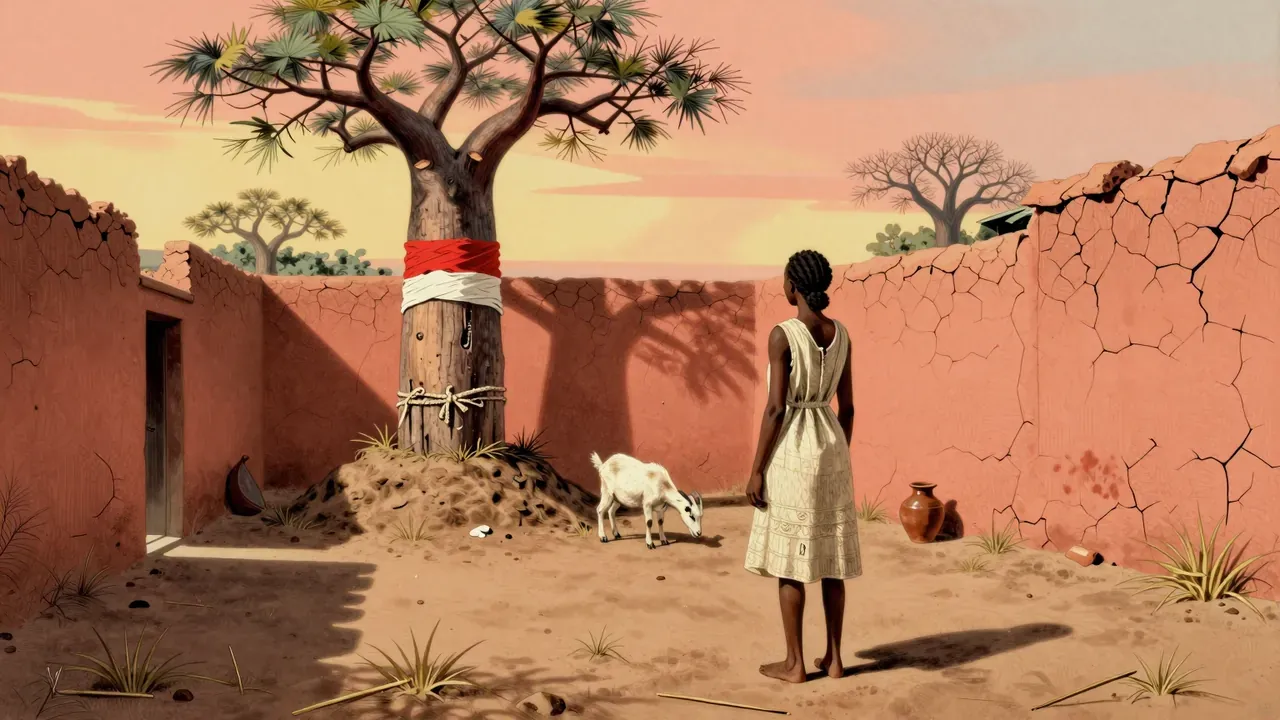
Emitaï

Ousmane Sembène · 1971

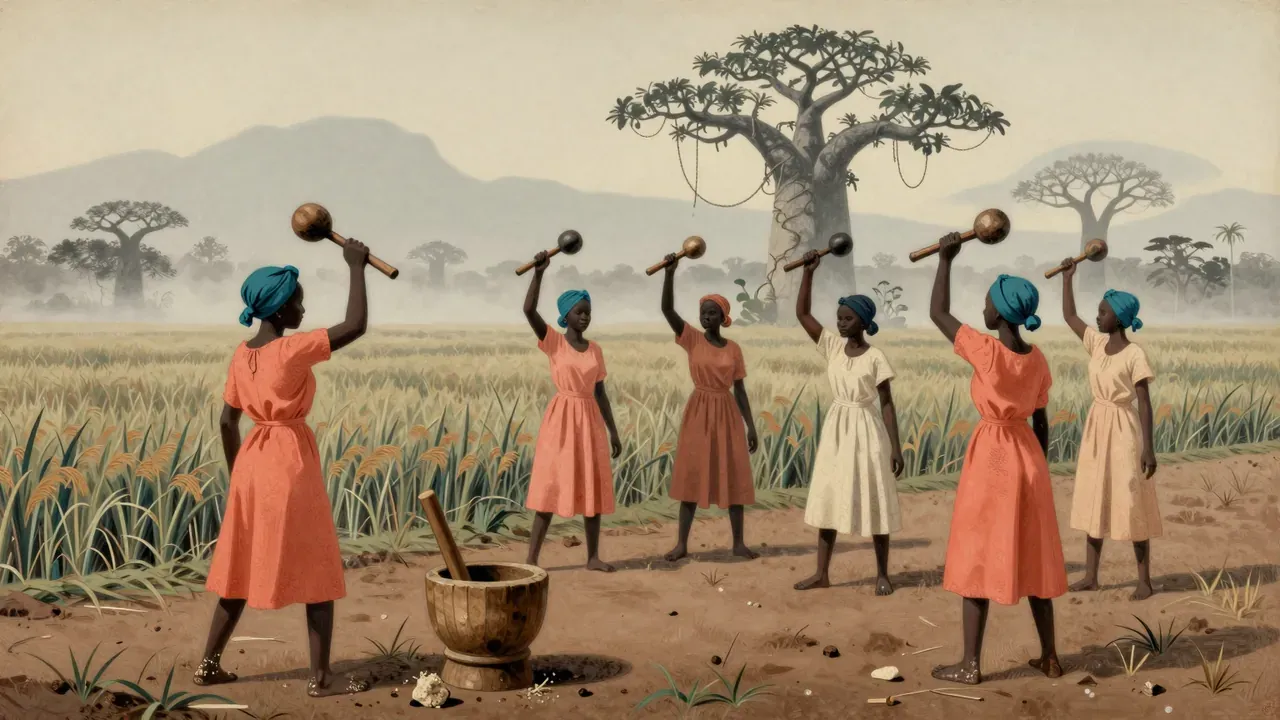
Ousmane Sembène’s 1971 drama Emitaï depicts a Diola village in Senegal resisting forced grain requisitions first by Vichy France, then by Free French forces during the Second World War. Shot in French with Diola-speaking non-professionals, it centres women’s labour, ancestral consultation, and the brutal continuity of colonial administration — culminating in a massacre that arrives without fanfare or framing. The film’s formal restraint, moral clarity, and anti-colonial urgency make it a landmark of African cinema.

13:00

Magellan

Lav Diaz · 2025

Lav Diaz’s *Magellan* is a 156-minute Portuguese-language historical epic filmed in the Philippines, Portugal and Spain. It follows Ferdinand Magellan’s expedition not as triumph but as narrative construction, proposing that Datu Lapu-Lapu was a myth invented by Rajah Humabon to resist conversion and consolidate authority. Starring Gael García Bernal and Hazel Orencio, the film uses tableau vivant cinematography, minimal dialogue and rigorous historical research to interrogate how power shapes memory. It premiered at Cannes 2025 and was selected as the Philippines’ Oscar submission.

13:00

Mandabi

Ousmane Sembène · 1968

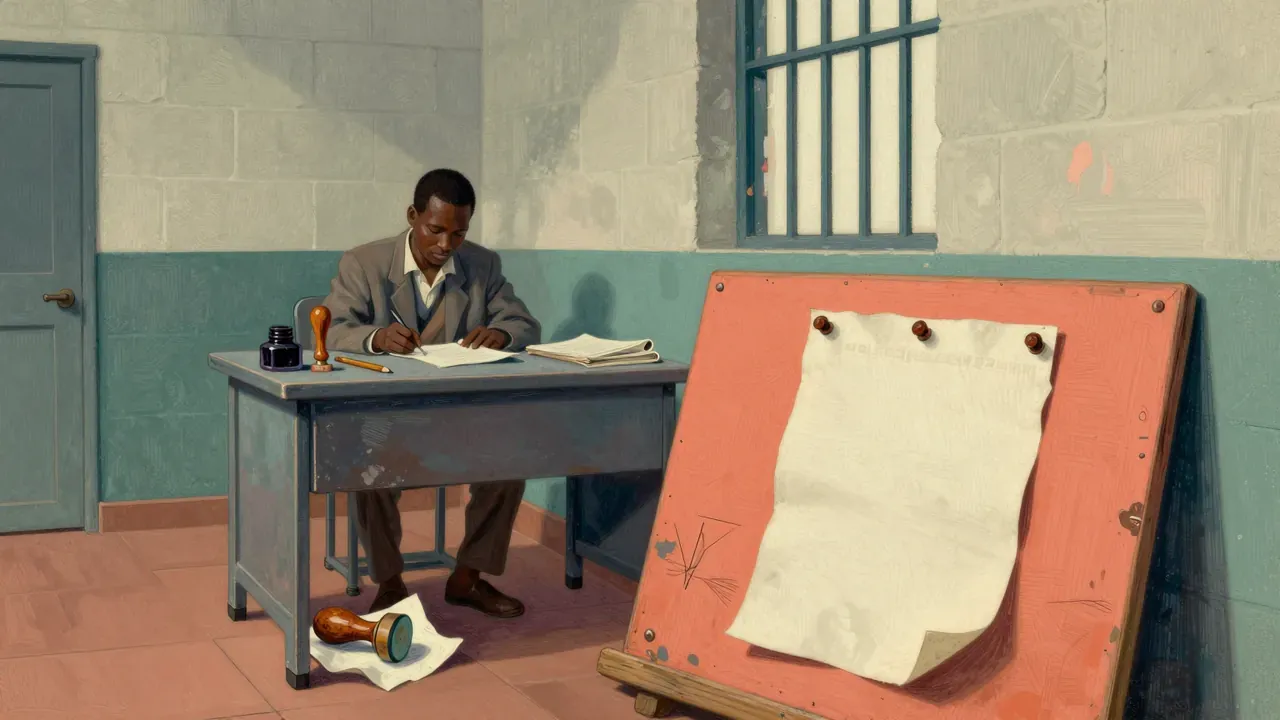
Ousmane Sembène’s 1968 Wolof-language debut follows Ibrahima Dieng, an illiterate Dakar resident, as he attempts to collect a money order from his nephew in Paris. Blocked at every turn by identity requirements, administrative fees, and familial obligations, he sinks deeper into debt — culminating in theft by a relative. Shot with documentary restraint and rooted in Senegalese social reality, Mandabi is a foundational work of African cinema that treats bureaucracy as violence and language as power.

13:00

Mister Johnson

Bruce Beresford · 1990

Bruce Beresford’s 1990 drama adapts Joyce Cary’s 1939 novel, following Maynard Eziashi’s Mister Johnson — a Nigerian clerk in 1929 colonial Nigeria who fervently adopts English manners, language, and bureaucracy in pursuit of status and belonging. Shot on location in Toro, Nigeria, the film observes his gradual unraveling as loyalty to colonial ideals clashes with material reality, kinship obligations, and administrative scrutiny. With restrained craft and a career-launching performance, it avoids easy moral binaries, instead tracing the quiet, logical collapse of a worldview built on mimicry.

13:00

Muna Moto

Jean-Pierre Dikongué Pipa · 1975

A 1975 Cameroonian drama by Jean-Pierre Dikongué Pipa, set in a rural community where Ngando’s love for Ndomé is undone by the unyielding requirement of dowry payment. When she bears his child, the village arranges her marriage to his uncle — a man who can fulfil the custom. Ngando’s final act is to take his daughter on the day of the feast. Shot in French with minimal music or camera movement, the film observes ritual, silence, and social consequence without explanation or judgement.

13:00

Sambizanga

Sarah Maldoror · 1972

Sarah Maldoror’s 1972 Sambizanga follows Maria’s search for her arrested husband Domingos across Luanda’s colonial prisons, intercut with his silent detention and death. Shot in the Congo with non-professional actors linked to African liberation movements, it adapts José Luandino Vieira’s novella into a stark, unsentimental record of early Angolan resistance — where political force resides in persistence, not proclamation.

13:00

Sanders of the River

Zoltan Korda · 1935

Sanders of the River (1935) is a British colonial drama directed by Zoltán Korda, starring Leslie Banks and Paul Robeson. Set in Nigeria, it portrays imperial administration as benevolent and necessary, centring Commissioner Sanders as a stabilising force among fractious tribes. Though technically accomplished and commercially successful, it was condemned by Robeson, Nigerian officials, and anti-colonial thinkers for its pro-imperial message and cultural distortions. Its legacy rests less on artistic merit than on its stark documentation of how empire narrated itself — and how collaborators came to reject that narration.

13:00

Soleil Ô

Med Hondo · 1967

Soleil Ô (1970) is a French-Mauritanian essay-film written and directed by Med Hondo. Shot in 1967 and released after its 1970 Cannes premiere, it follows a Black West African man arriving in Paris in search of Gaulish ancestry — a premise that exposes the absurdity of colonial logic. Blending documentary, musical, and absurdist elements, it critiques institutional racism, linguistic erasure, and bureaucratic violence. François Catonné’s cinematography and George Anderson’s score reinforce its fractured, argumentative form. Restored in 2017, it remains a rigorous, unsentimental work of decolonial cinema.

13:00

Touki Bouki

Djibril Diop Mambéty · 1973

Djibril Diop Mambéty’s 1973 Senegalese drama follows Mory and Anta as they dream of Paris, steal to get there, and fail at the last moment. Shot in Wolof with a $30,000 budget, it uses jump cuts, dissonant sound collage, and folk symbolism to explore postcolonial aspiration, mobility, and self-sabotage — not as ideas, but as embodied, rhythmic conditions.

13:00

Trances

Ahmed El Maanouni · 1981

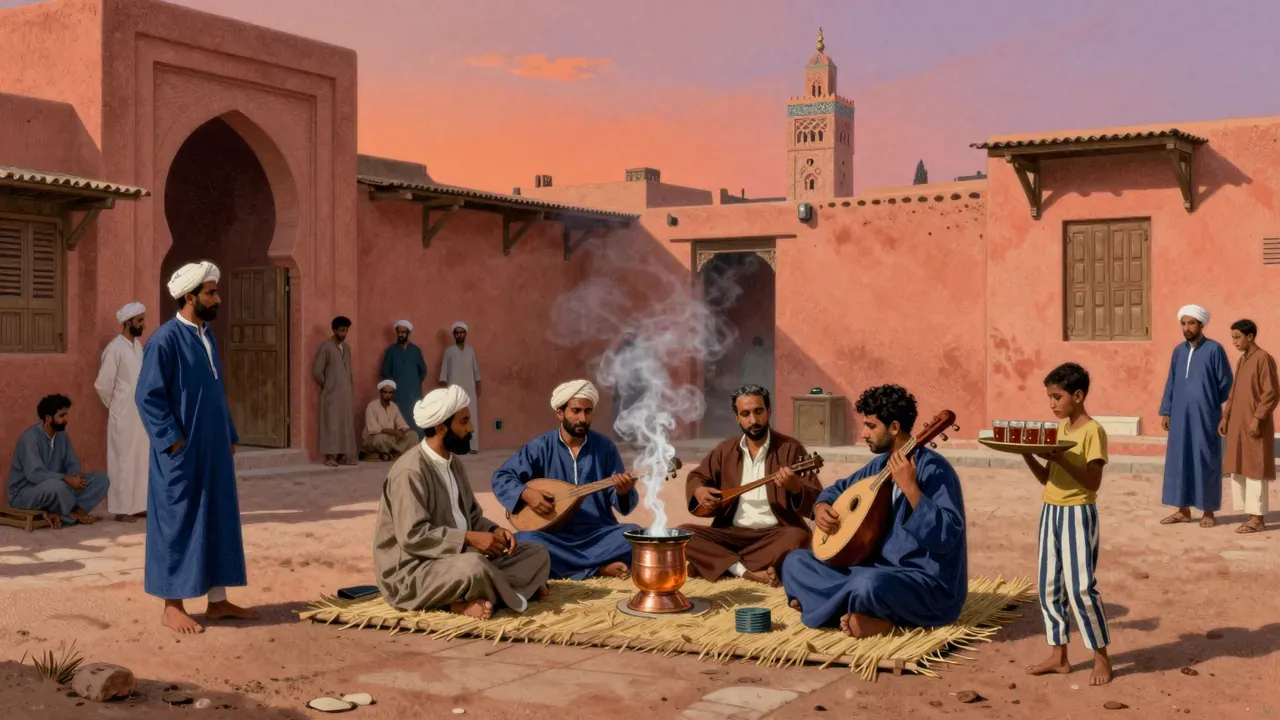
Trances (1981) is Ahmed El Maanouni’s docufiction portrait of Moroccan band Nass El Ghiwane, filmed in Morocco during live performances, interviews, and everyday moments. Blending contemporary footage with silent colonial-era archival clips, it foregrounds voice, rhythm, and communal presence over narrative or exposition. Restored in 2007 and distributed by Criterion, it remains a singular work of musical and cultural testimony.

13:00

West Indies

Med Hondo · 1979

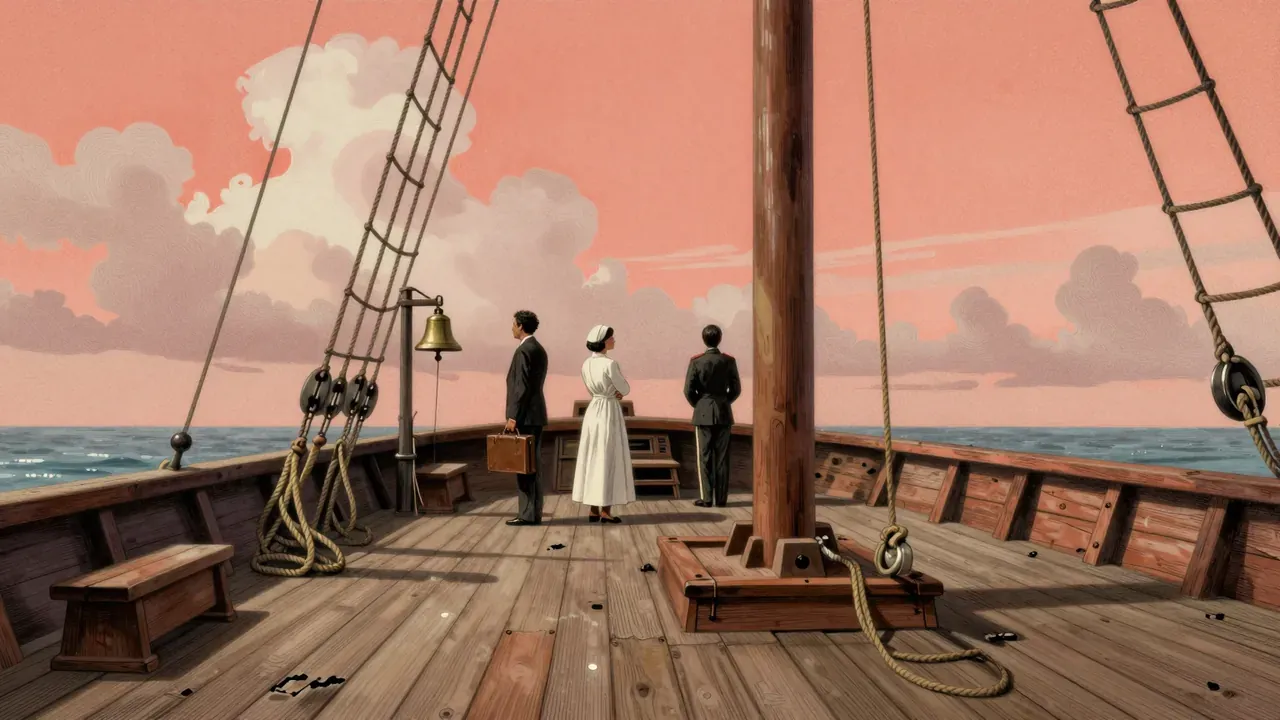
Med Hondo’s West Indies (1979) is a French-language arthouse drama filmed in Mauritania. Adapted from Daniel Boukman’s play Les négriers, it stages the transatlantic slave trade aboard a ship that doubles as theatre, using song, satire, and Brechtian technique to expose the administrative, theological, and linguistic scaffolding of French imperialism. Starring Fernand Berset, Roland Bertin, Gérard Bloncourt, Toto Bissainthe, and Hélène Vincent, it rejects historical realism in favour of forensic allegory.

13:00

White Material

Claire Denis · 2009

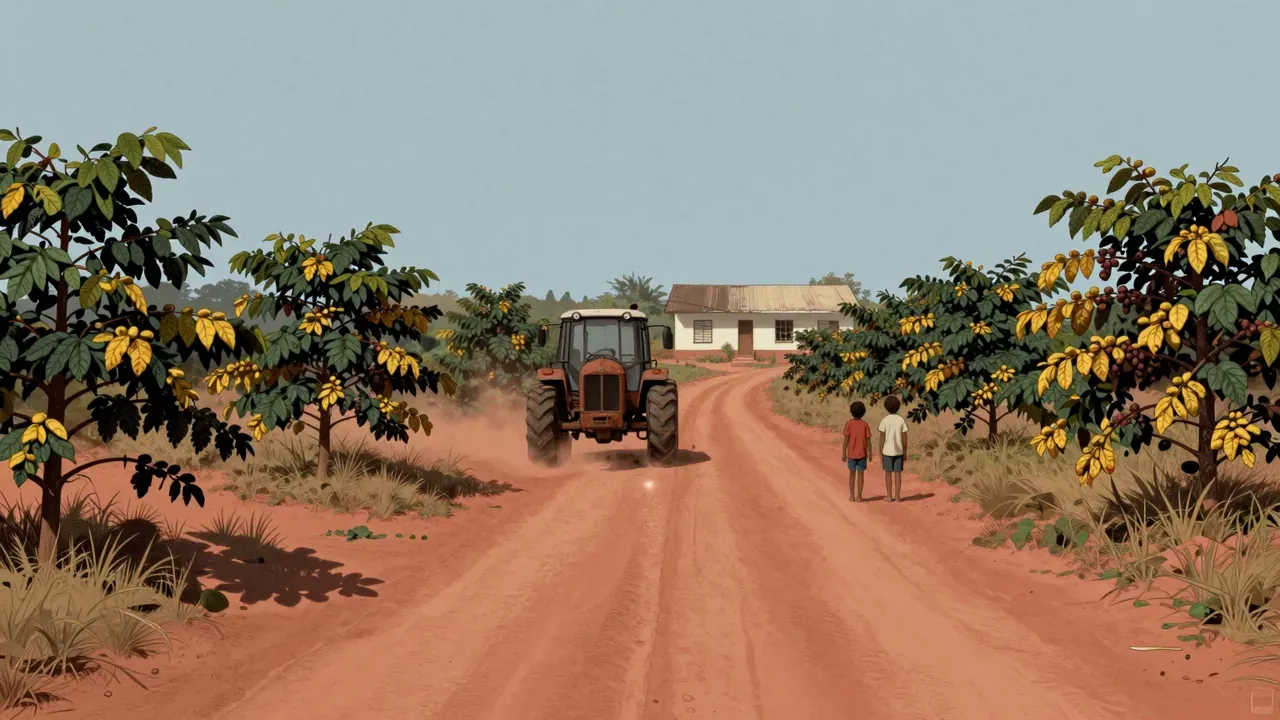
Claire Denis’s 2009 drama follows Maria Vial, a French coffee farmer in an unnamed African country, as she refuses to evacuate her failing plantation amid civil war. Anchored by Isabelle Huppert’s tightly coiled performance and Yves Cape’s humid, unvarnished cinematography, the film traces the slow, logical collapse of agency, inheritance, and meaning — not as tragedy, but as process. It avoids exposition, moral framing, and historical specificity, focusing instead on the material weight of objects, the silence between warnings, and the quiet violence of persistence.

13:00

Xala

Ousmane Sembène · 1975

Ousmane Sembène’s 1975 satire follows El Hadji, a Senegalese businessman whose sudden impotence coincides with his appointment to the Chamber of Commerce and his third marriage. As his business unravels and his authority crumbles, the affliction proves allegorical: a diagnosis of moral and political failure in post-independence Senegal. Stylised, unsentimental and precisely constructed, the film uses folk logic and social ritual to indict elite complicity, not individual weakness.

13:00

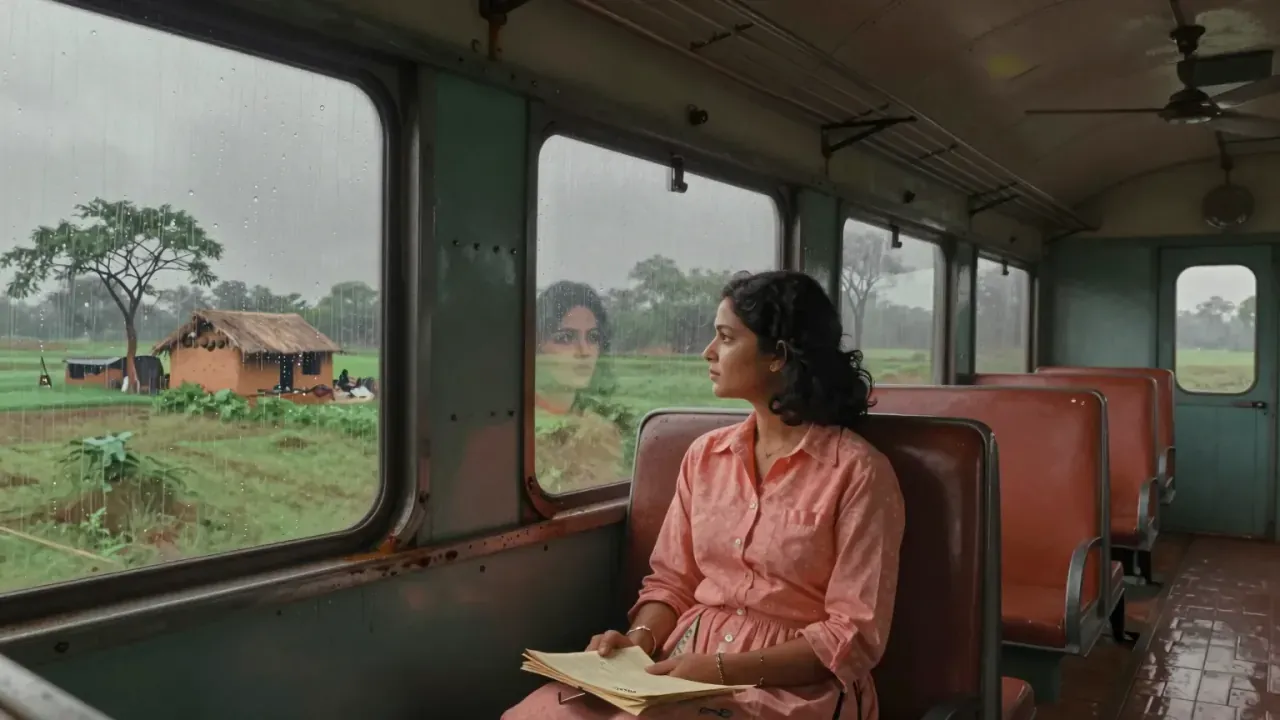
Heat and Dust

James Ivory · 1983

Heat and Dust (1983), directed by James Ivory from Ruth Prawer Jhabvala’s adapted screenplay, interweaves two women’s lives across 1920s and 1982 India. Greta Scacchi and Julie Christie play Olivia and Anne, whose parallel affairs with Indian men expose enduring structures of power, desire and silence. Walter Lassally’s restrained cinematography and Humphrey Dixon’s measured editing sustain a mood of quiet inevitability. It is less a romance than a forensic study of inheritance — of privilege, of trauma, of the unspeakable things passed down with letters and land.

13:00

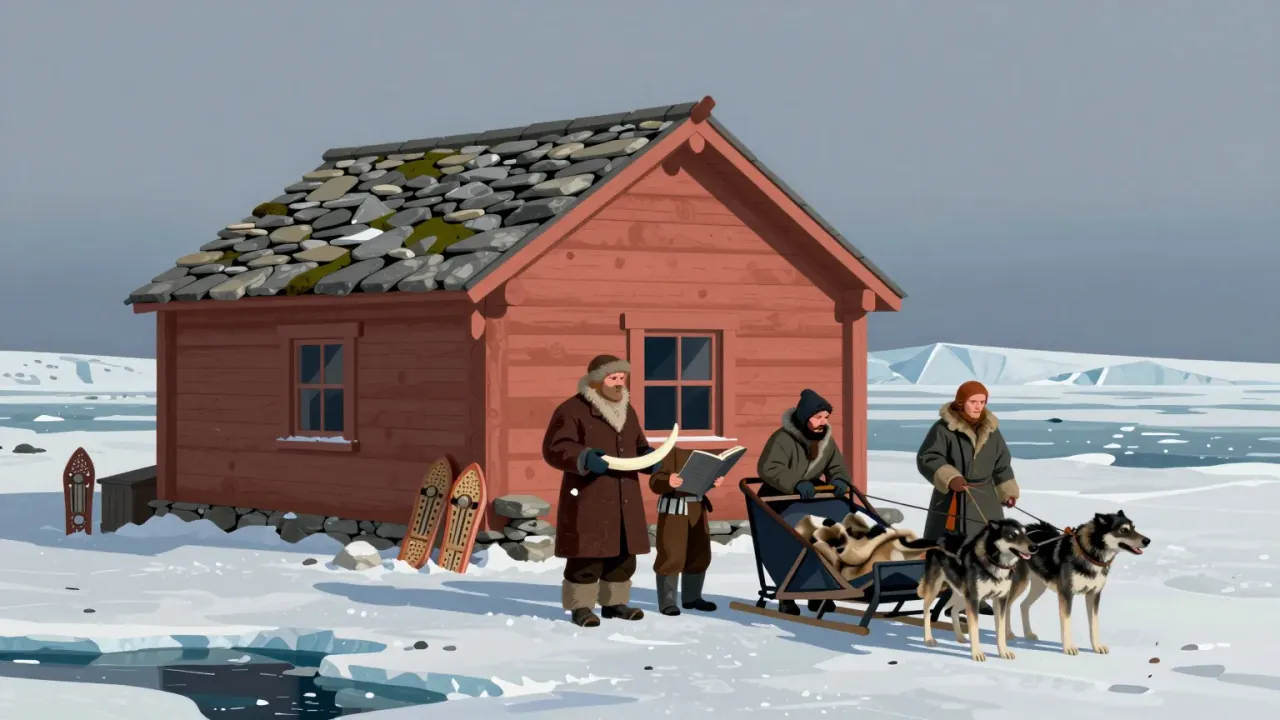
Nanook of the North

Robert J. Flaherty · 1922

A 1922 silent film directed by Robert J. Flaherty, Nanook of the North follows an Inuk man named Nanook (Allakariallak) and his family in northern Quebec. Shot over fourteen months with one camera and no artificial light, it stages key sequences — including igloo-building and walrus hunting — to render Inuit life visible to southern audiences. Though celebrated as the first commercially successful feature-length documentary, it has been widely critiqued for misrepresenting relationships, omitting colonial context, and romanticising timelessness. Preserved by the Library of Congress in 1989, it remains essential not as ethnography but as a landmark in the ethics and aesthetics of non-fiction cinema.