filmbriefs
Topic

Friendship

The relationship with no contract and the strongest obligations.

22
in film
13:00
average
286 min
in total
24
across the network
Friendship across the network →
All briefs22
13:00

A Confucian Confusion

Edward Yang · 1994

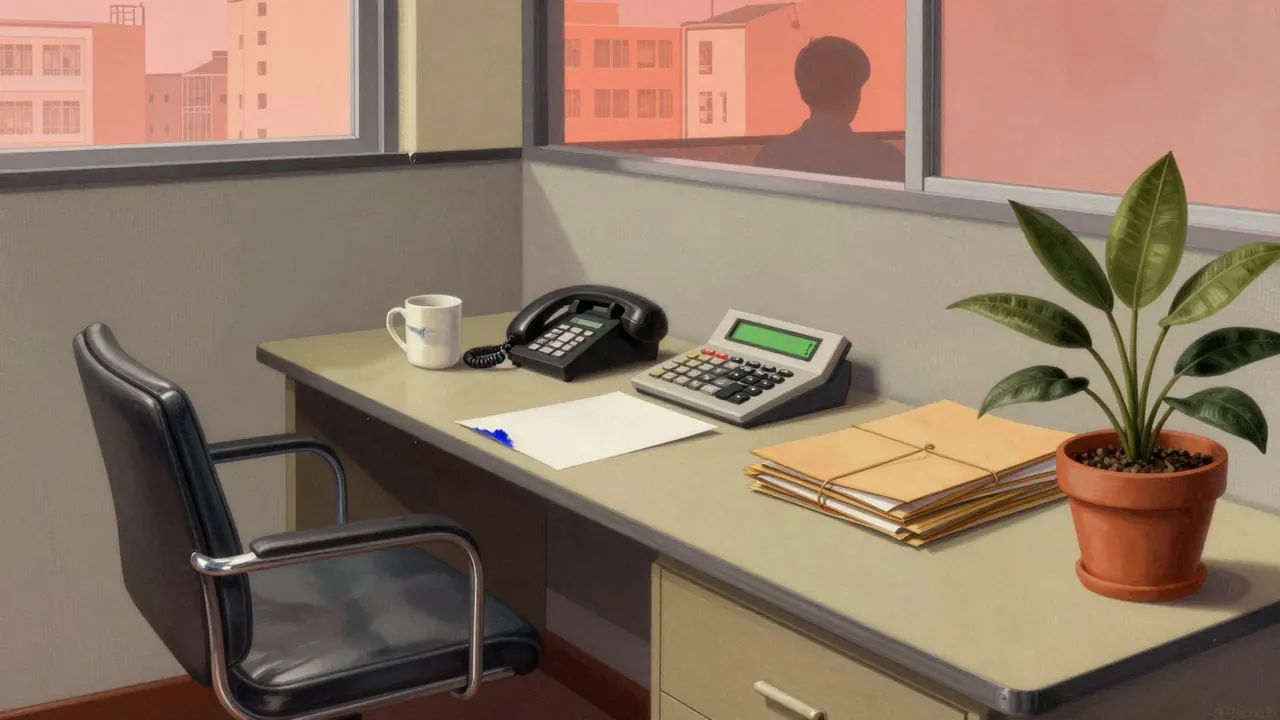
Edward Yang’s 1994 satirical comedy follows a web of young professionals in 1994 Taipei whose relationships, careers, and self-presentation are governed by unspoken codes of duty, face, and transactional loyalty. Over three days, misunderstandings accrue not from malice but from systemic pressure to perform coherence — whether in love, work, or art. With muted performances, flat lighting, and procedural pacing, it maps the quiet corrosion of authenticity under late-capitalist professionalism.
13:00

Autumn Tale

Éric Rohmer · 1998

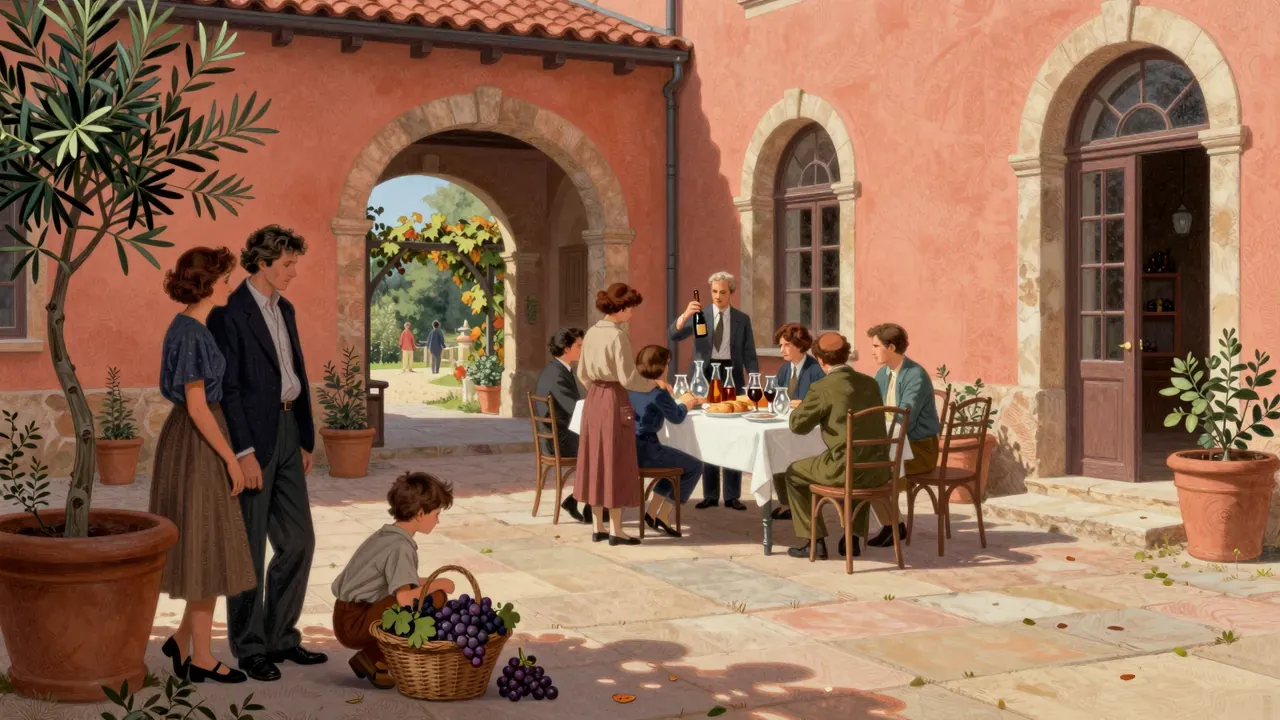
Éric Rohmer’s 1998 Autumn Tale, the final chapter of his Tales of the Four Seasons, follows a widowed winemaker in the Rhône Valley as her friends orchestrate quiet, conflicting attempts to reintroduce her to love. Shot with calm precision by Diane Baratier and performed with understated rigour by Béatrice Romand and Marie Rivière, it locates emotional truth in hesitation, miscommunication, and the slow realignment of intention. Its power lies in restraint: no grand declarations, no dramatic reversals—just the fragile, earned possibility of connection, harvested like grapes at the right moment.

13:00

Bottle Rocket

Wes Anderson · 1996

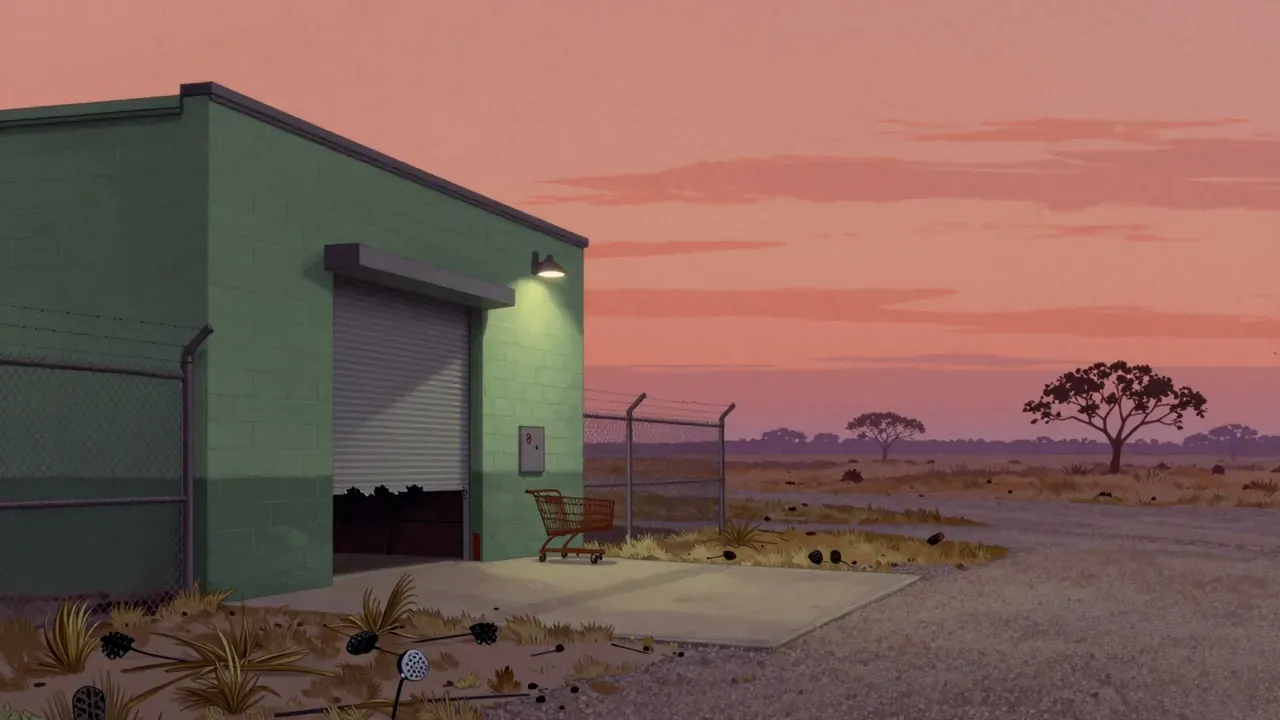
Wes Anderson’s 1996 debut follows three Texas friends attempting increasingly ill-conceived robberies, not for money or thrills but to inhabit roles — planner, accomplice, driver — that confer identity and connection. Shot with flat, frontal precision by Robert Yeoman and scored with wry minimalism by Mark Mothersbaugh, it treats ambition, failure, and affection with equal, unblinking calm.

13:00

Chasing Amy

Kevin Smith · 1997

Kevin Smith’s third feature follows comic artist Holden McNeil as he falls for lesbian writer Alyssa Jones, fracturing his lifelong friendship with Banky Edwards. Shot on a $250,000 budget in New York, the film uses talk, not spectacle, to explore jealousy, sexual history, and the limits of empathy. It won Independent Spirit Awards for Best Screenplay and Best Supporting Male (Jason Lee), and remains a defining — if contested — entry in 90s American indie cinema.

13:00

Chimes at Midnight

Orson Welles · 1965

Orson Welles’s 1965 Chimes at Midnight condenses five Shakespeare plays into a stark, tactile drama centred on Sir John Falstaff and Prince Hal. Shot in Spain on a tight budget, it privileges physical presence and moral ambiguity over narrative fluency or sonic consistency. Its enduring power lies in Welles’s performance, Edmond Richard’s muted cinematography, and a vision of kingship as betrayal dressed as duty.

13:00

Classe tous risques

Claude Sautet · 1960

Claude Sautet’s 1960 crime film follows a fugitive gangster who returns to Paris with his sons, seeking help from former associates now settled into bourgeois comfort. As old loyalties fray and new alliances prove fragile, his attempt to secure a future ends in isolation and inevitability. Shot with restraint by Ghislain Cloquet and scored with quiet melancholy by Georges Delerue, it is a study in moral erosion, not spectacle.

13:00

Cooley High

Michael Schultz · 1975

Set in 1964 Chicago, Cooley High follows two Black high school seniors navigating friendship, romance, and impending adulthood in the final weeks before graduation. Written by Eric Monte and directed by Michael Schultz, it balances light-hearted moments — skipping class, betting on love, dancing to Motown — with sudden, unvarnished tragedy. Shot on location in and around Cabrini–Green, it avoids stereotype, opting instead for behavioural realism and quiet specificity. Its legacy rests on its humane focus, its influence on later Black cinema, and its preservation in the US National Film Registry.

13:00

Frances Ha

Noah Baumbach · 2012

Frances Ha (2012) follows Frances, a 27-year-old dancer in New York, as her career stalls and her closest friendship frays. Shot in black-and-white on consumer-grade equipment, it favours observational detail over plot, using Gerwig’s performance and Baumbach’s direction to chart emotional shifts across apartments, cities and roles — from Brooklyn to Sacramento to Paris to Washington Heights. Its themes centre on friendship as infrastructure, class as daily friction, and identity as something folded, not fixed.

13:00

Girlfriends

Claudia Weill · 1978

Claudia Weill’s 1978 debut follows Susan Weinblatt, a Jewish photographer in Manhattan, as her life shifts after her best friend and roommate moves out to marry. Shot over a year on a shoestring budget, the film traces Susan’s struggles with freelance work, romantic missteps, and the slow build toward her first gallery show — all rendered with documentary-like precision, naturalistic performances, and a refusal to resolve its central tensions. It won the Toronto People’s Choice Award and was named one of the National Board of Review’s Top Ten Films of 1978.

13:00

Late Autumn

Yasujirō Ozu · 1960

Yasujirō Ozu’s 1960 drama follows a widow and her daughter in Tokyo as three friends attempt to arrange marriages for both. With quiet precision, the film traces the unspoken tensions of filial duty, ageing, and companionship — not through crisis but through accumulation: of glances, silences, and small, repeated gestures. Setsuko Hara and Yōko Tsukasa anchor a cast that treats emotion as behaviour, not exposition. Shot by Yūharu Atsuta and edited by Yoshiyasu Hamamura, it is a masterclass in compositional restraint.

13:00

Mikey and Nicky

Elaine May · 1976

Elaine May’s 1976 film follows two Philadelphia men—a desperate mob associate and his loyal friend—over one fractured night. Built around John Cassavetes and Peter Falk’s physically exacting performances, it uses repetition, silence, and unvarnished realism to trace the erosion of intimacy under pressure. Shot over 110 nights and edited for nearly two years, it resists genre expectations to focus on gesture, memory, and the labour of sustaining a relationship neither man fully understands.

13:00

My Dinner with Andre

Louis Malle · 1981

My Dinner with Andre (1981) is a 111-minute filmed dialogue between Wallace Shawn and Andre Gregory, playing fictionalised versions of themselves over dinner in a Manhattan restaurant. Directed by Louis Malle, it unfolds as a single, sustained exchange about theatre, mysticism, fear, and everyday life — with no subplot, no visual digression, and no resolution beyond mutual understanding. Shot in Richmond, Virginia, and edited for rhythmic continuity rather than emphasis, it relies entirely on performance, writing, and acoustic intimacy. Its reputation rests on its formal rigour and philosophical candour.

13:00

Night on Earth

Jim Jarmusch · 1991

Night on Earth (1991) is Jim Jarmusch’s anthology film following five taxi rides across Los Angeles, New York, Paris, Rome, and Helsinki, all occurring over the same night. Each vignette centres on a temporary, often fraught, bond between driver and passenger. Shot on location with minimal intervention, it prioritises quiet observation over plot, using natural light, sparse music by Tom Waits, and unhurried performances to explore miscommunication, class, mortality, and fleeting kinship. Though uneven in impact—its Paris and Rome segments falter linguistically and tonally—the film’s cumulative power lies in its restraint and specificity.

13:00

Old Joy

Kelly Reichardt · 2006

Kelly Reichardt’s 2006 debut follows two old friends, Mark and Kurt, on an overnight camping trip to Bagby Hot Springs in Oregon. Mark is settling into domestic life and impending fatherhood; Kurt remains rootless, spiritually adrift. Their conversation circles shared history and unspoken distance, culminating not in reconciliation but in quiet, mutual departure. Shot on a $30,000 budget, the film relies on understated performances, natural light, and ambient sound to trace the subtle erosion of intimacy across divergent adult paths.

13:00

Suzanne's Career

Éric Rohmer · 1963

Éric Rohmer’s 1963 film follows two Parisian students — the timid Bertrand and the brash Guillaume — as they encounter Suzanne, a working woman studying Italian at night. Guillaume seduces and discards her; Bertrand watches, judges, and gradually finds his certainties undermined when Suzanne moves on — not in defeat, but in quiet self-determination. Shot in black-and-white with non-professional actors, it is the second of Rohmer’s Six Moral Tales: a precise, unsentimental study of self-deception, class, and the asymmetry of moral attention.

13:00

The Big Chill

Lawrence Kasdan · 1983

The Big Chill follows eight former University of Michigan students reuniting in Beaufort, South Carolina, after the suicide of their friend Alex. Over a weekend, conversations, silences, and a soul-heavy soundtrack reveal how their 1960s idealism has settled into early-1980s compromises — in love, work, and self-understanding. Directed by Lawrence Kasdan and shot by John Bailey, it relies on ensemble performance and atmospheric craft rather than plot mechanics. Though its portrait of baby boomer disillusionment remains culturally resonant, its structural gaps and tonal consistency divide opinion. Selected for the National Film Registry in 2025, it endures as a study in emotional realism over narrative resolution.

13:00

The Eight Mountains

Felix van Groeningen, Charlotte Vandermeersch · 2022

Co-directed by Felix van Groeningen and Charlotte Vandermeersch, The Eight Mountains follows Pietro and Bruno across thirty years as their childhood bond in the Italian Alps fractures, endures, and reshapes itself through distance, grief, and divergent choices. Shot by Ruben Impens and scored by Daniel Norgren, it treats landscape as character and time as weather — a slow, tactile drama about inheritance, solitude, and the quiet persistence of place.

13:00

The Princess Bride

Rob Reiner · 1987

Rob Reiner’s 1987 adaptation of William Goldman’s novel frames a swashbuckling romance as a grandfather’s bedtime story. With precise performances, Adrian Biddle’s understated cinematography, and Mark Knopfler’s acoustic score, it balances earnest adventure and gentle parody — landing its themes of fidelity and craft without irony or condescension.

13:00

Two Girls on the Street

André de Toth · 1939

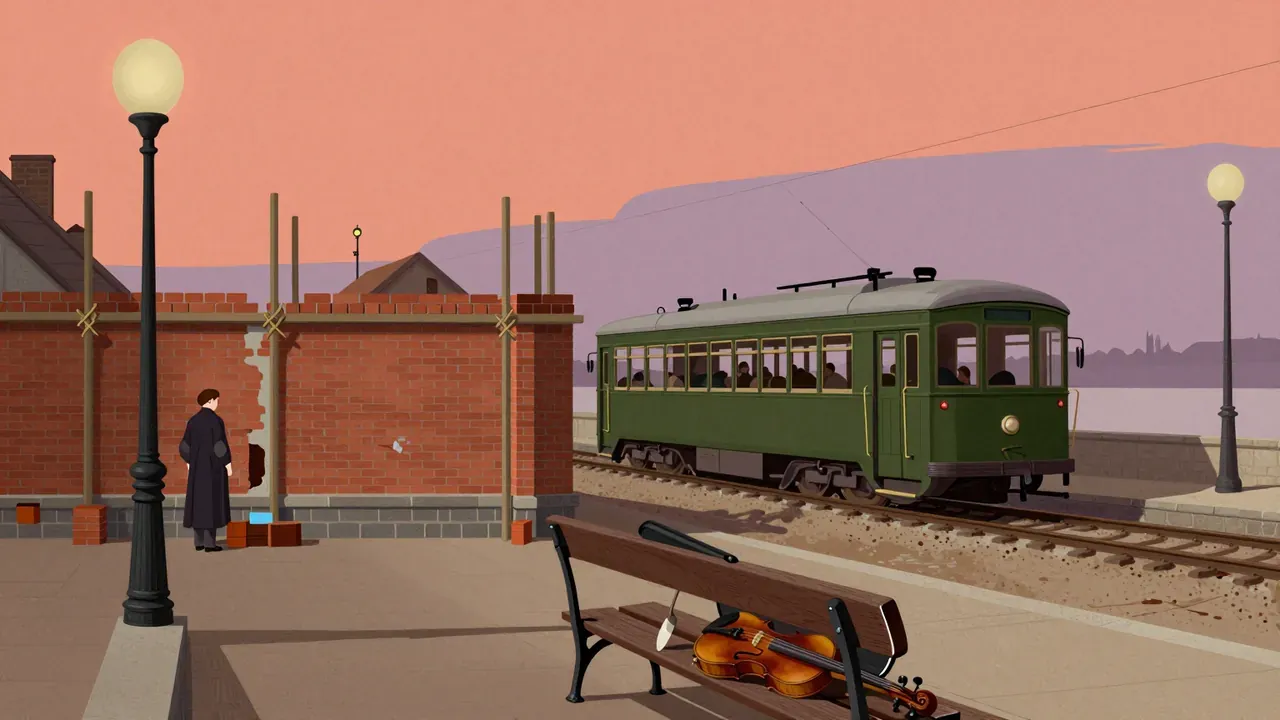
Two Girls on the Street (1939) follows two young women — a violinist and a bricklayer — as they navigate work, friendship, and love in Budapest after leaving their village. Directed by André de Toth in his first feature, it adapts a stage play with unshowy craft, grounding its comedy in occupational detail and urban texture. Restored by Cinémathèque de Bologne and released by Criterion in 2022, it rewards attention to the ordinary: how people move, speak, build, and play in a city on the cusp of change.

13:00

Columbus

Kogonada · 2017

A Korean-American translator and a young architecture enthusiast meet in Columbus, Indiana, and spend several days walking among its landmark Modernist buildings. Their conversations about design gradually open onto unspoken grief, filial duty, and the quiet courage of choosing oneself. Kogonada’s debut is composed with architectural rigour: still, precise, attentive to negative space, and anchored by restrained, deeply felt performances from John Cho and Haley Lu Richardson.

13:00

Days and Nights in the Forest

Satyajit Ray · 1970

Satyajit Ray’s 1970 drama follows four Calcutta friends on a brief forest retreat in Jharkhand, where their assumptions about class, gender, and civility quietly erode. Adapted from Sunil Gangopadhyay’s novel, it unfolds with unhurried precision: gestures matter more than speeches, silences carry more weight than declarations, and dignity resides in small, unperformed acts. Soumendu Roy’s restrained cinematography and Ray’s subtle score support performances that favour nuance over exposition. Though some Western critics found it inert, its power lies in its refusal to explain — trusting the viewer to feel the tremor beneath composure.

13:00

Heartbeats

Xavier Dolan · 2010

Xavier Dolan’s 2010 French-language drama Heartbeats follows two Montreal friends who fall for the same man, charting their rivalry, self-deception, and shared performance of longing. Shot by Stéphanie Weber Biron and edited by Dolan, it favours composition, gesture, and repetition over exposition, treating romance as a site of identity construction rather than emotional resolution.