filmbriefs
Topic

Dreams

The mind off the leash, interpreted by every era in its own image.

18
in film
13:00
average
234 min
in total
32
across the network
Dreams across the network →
All briefs18
13:00

3 Women

Robert Altman · 1977

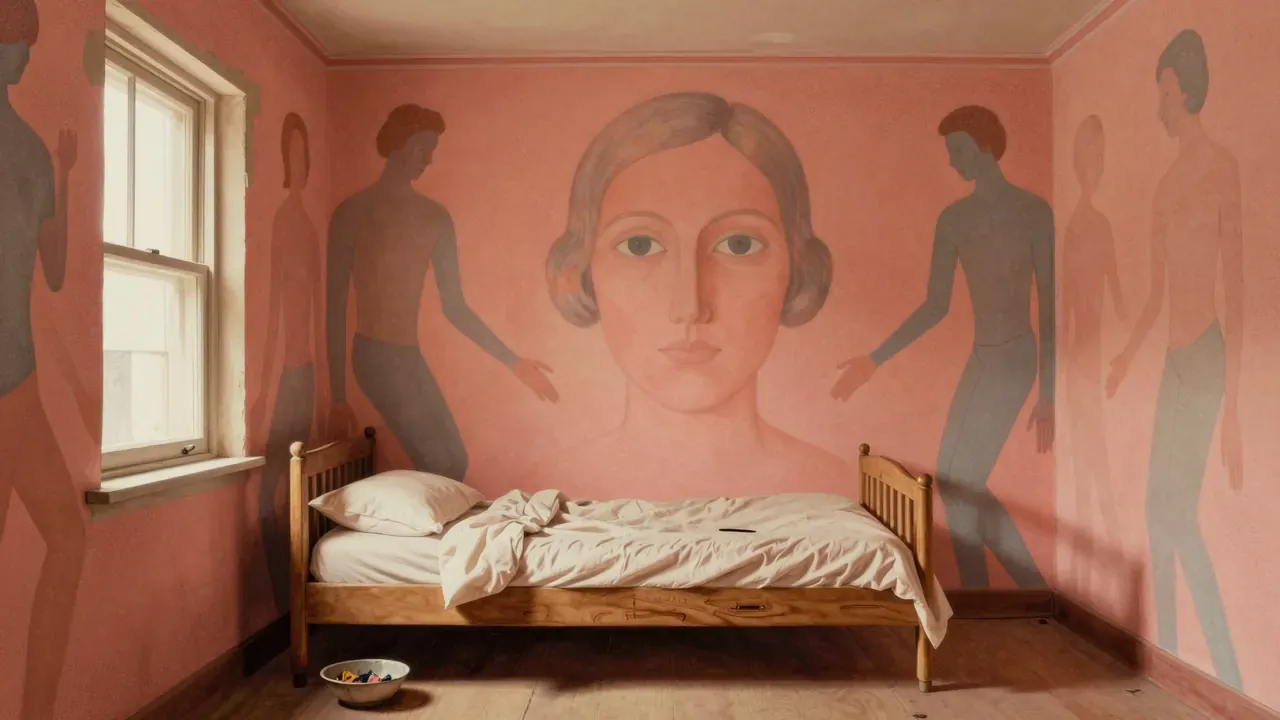
Robert Altman’s 1977 film 3 Women follows the uncanny merging of identities among a timid young woman, her garrulous roommate and a silent, pregnant artist in a sun-scorched California town. Built from a dream and shot with deliberate, unhurried precision, it uses repetition, reflection and improvisation to explore how selves are borrowed, performed and abandoned.
13:00

Billy Liar

John Schlesinger · 1963

A 1963 British tragicomedy starring Tom Courtenay as Billy Fisher, a young undertaker’s clerk in Yorkshire whose elaborate fantasies of ruling the imaginary nation of Ambrosia mask his inability to act on real desire. Directed by John Schlesinger and adapted by Willis Hall from Keith Waterhouse’s novel, it uses real locations in Bradford and Denys Coop’s CinemaScope photography to anchor its surrealism in social reality. The film ends not with escape but with Billy stepping off a train to London—and walking home alone.

13:00

Black Moon

Louis Malle · 1975

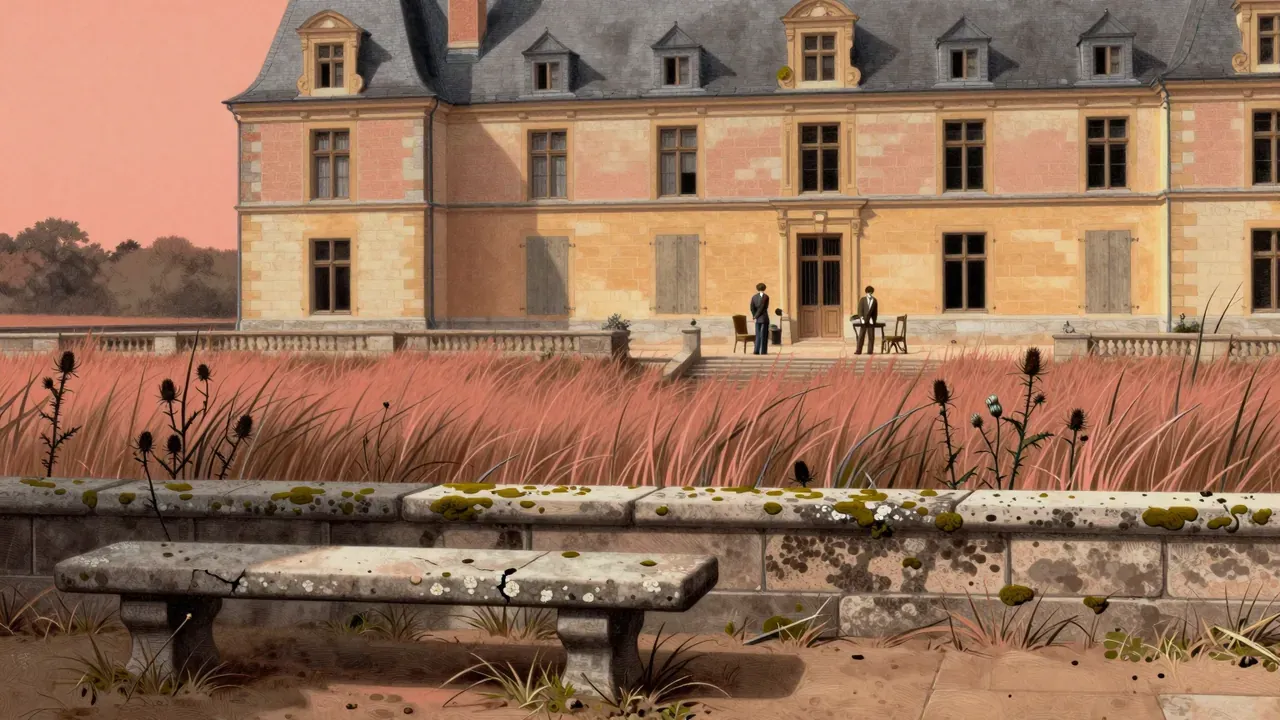
Louis Malle’s 1975 Black Moon is a self-contained, English-language French fantasy filmed at his Dordogne estate. Cathryn Harrison plays Lily, a young woman fleeing gendered violence who stumbles into a decaying château inhabited by talking animals, resurrected elders, telepathic siblings and a judging unicorn. Shot by Sven Nykvist with deliberate under-lighting and edited for hypnotic slowness, it rejects narrative logic in favour of sustained mood and symbolic recurrence. Though divisive, it won César Awards for cinematography and sound.

13:00

Carnival of Souls

Herk Harvey · 1962

Carnival of Souls (1962), directed by Herk Harvey, follows organist Mary Henry as her grip on reality loosens after a car accident. Shot on location in Kansas and Utah for $33,000, it uses stark black-and-white cinematography, Gene Moore’s eerie organ score, and deliberate pacing to build psychological unease. With no gore, few close-ups, and minimal dialogue, it relies on atmosphere, reflection, and liminal spaces — especially the derelict Saltair Pavilion — to evoke dislocation and ontological doubt. Though overlooked on release, it gained cult status for its formal rigour and sustained mood. The 84-minute director’s cut is considered definitive.

13:00

Diamonds of the Night

Jan Němec · 1964

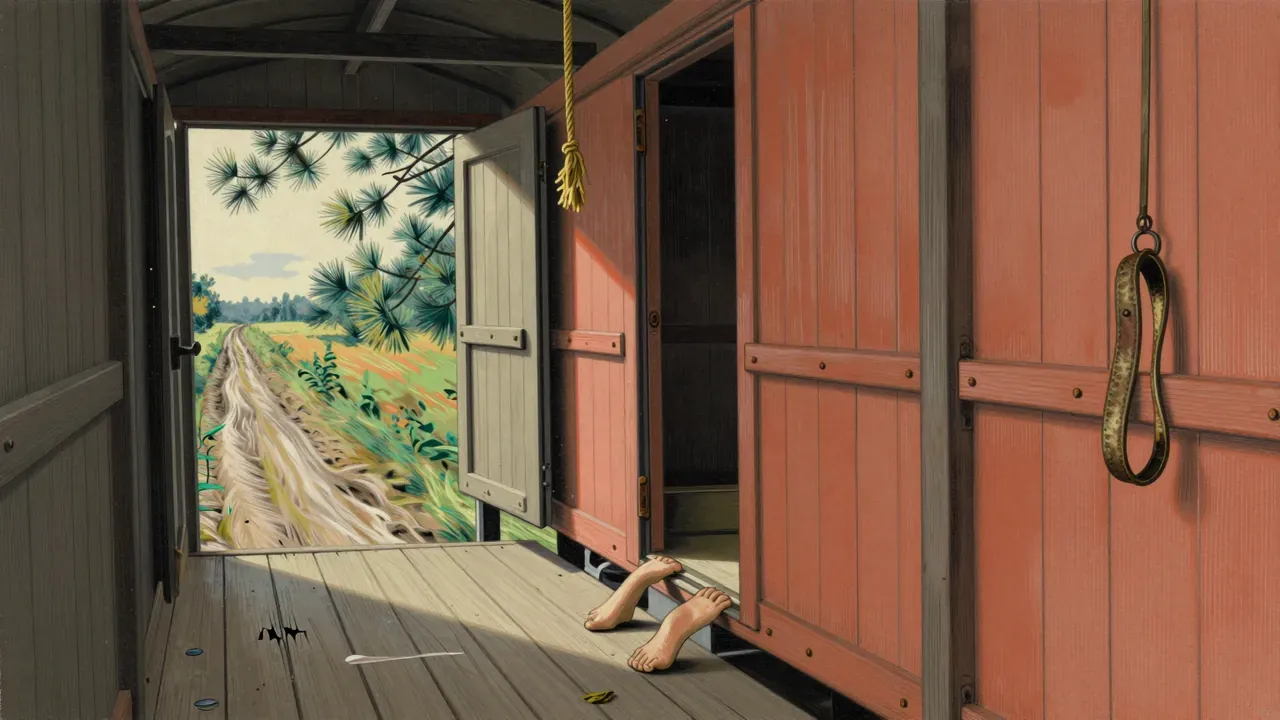
Jan Němec’s 1964 debut Diamonds of the Night follows two teenage boys fleeing a train to a concentration camp. With minimal dialogue and radical editing, it immerses the viewer in their physical and psychological disintegration—hunger, memory, hallucination and exhaustion rendered through stark cinematography, tactile sound design and restrained performances. Adapted from Arnošt Lustig’s autobiographical story, it avoids exposition in favour of embodied realism and surreal rupture. Its power lies in what it withholds as much as what it shows.

13:00

Dodes'ka-den

Akira Kurosawa · 1970

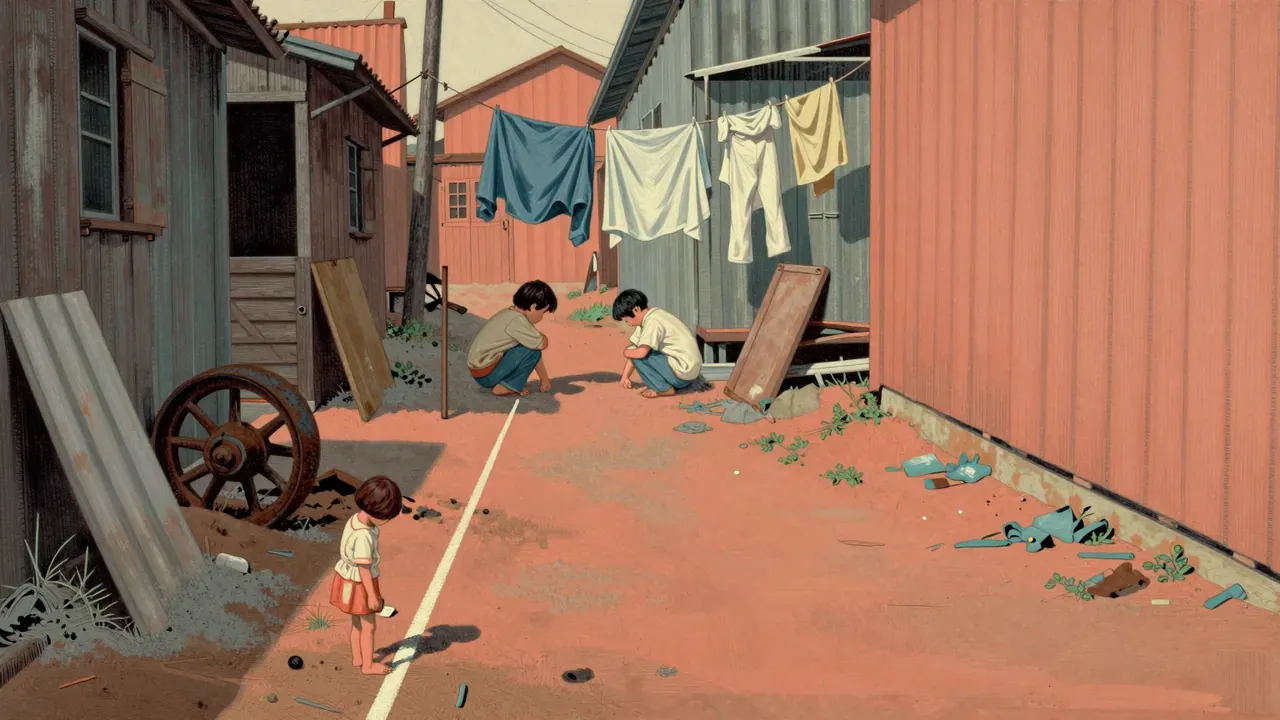
Akira Kurosawa’s 1970 film is a mosaic of lives in a Tokyo shantytown, structured as overlapping vignettes rather than a linear narrative. With no central protagonist, it follows characters including a boy who imagines himself a trolley driver, a silversmith who aids thieves, and parents burdened by neglect and infidelity. Shot in colour for the first time by Kurosawa, with Takao Saito as cinematographer and Tōru Takemitsu scoring in restrained, percussive tones, the film insists on dignity without sentiment, endurance without triumph. Its 140-minute runtime unfolds with unhurried precision, asking the viewer to inhabit a world shaped by scarcity, imagination, and quiet reciprocity.

13:00

Dreams

Akira Kurosawa, Ishirō Honda · 1990

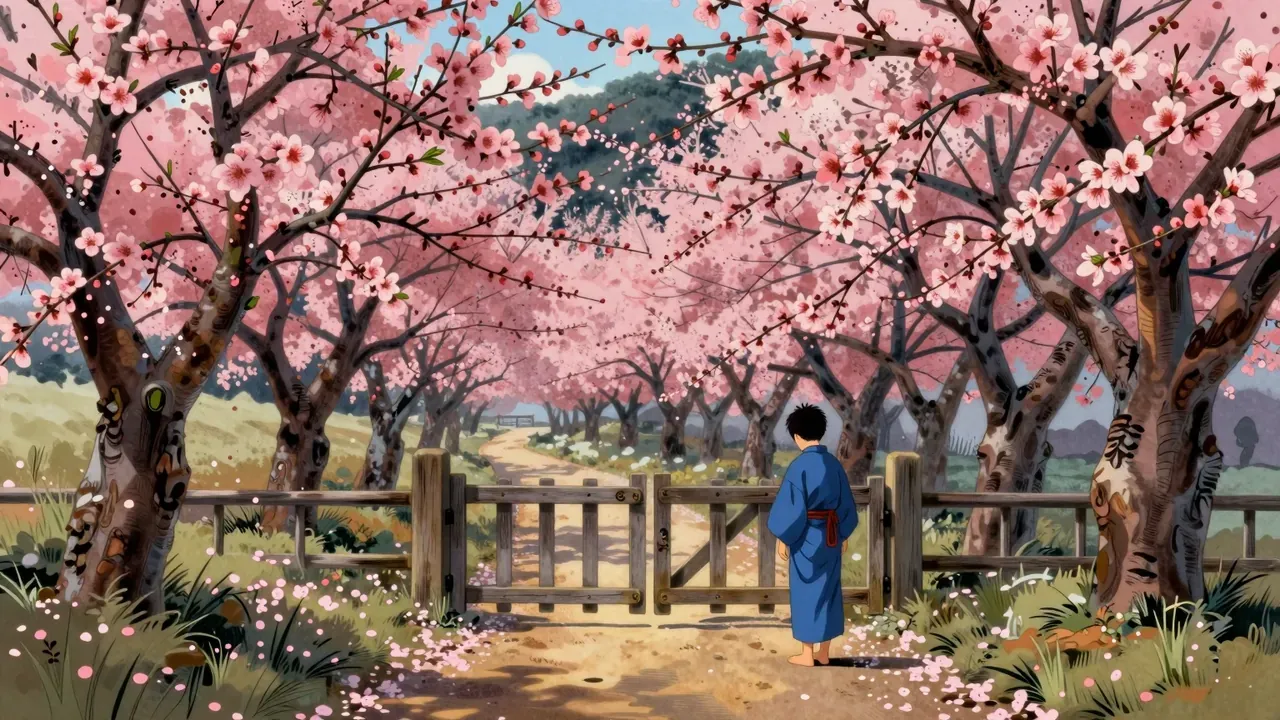
Akira Kurosawa’s 1990 anthology film Dreams comprises eight vignettes drawn from his own recurring dreams. Shot in Japan with assistance from Steven Spielberg and George Lucas, it deploys rigorous formalism — saturated colour, symmetrical framing, long takes — to render emotional states rather than narratives. Starring Akira Terao, Martin Scorsese as Van Gogh, and Chishū Ryū, it explores childhood, mortality, ecology, and ritual without exposition or irony. Though structurally loose and uneven in impact, its best sequences achieve a rare fusion of painterly control and moral gravity.

13:00

I Am Waiting

Koreyoshi Kurahara · 1957

Directed by Koreyoshi Kurahara and released in 1957, I Am Waiting follows a disgraced boxer and a failing cabaret singer as they shelter together in a Tokyo restaurant, evading gangsters and their own pasts. Written by Shintarō Ishihara and starring Yūjirō Ishihara and Mie Kitahara, it is a tightly wound drama of quiet desperation, built on withheld information, atmospheric tension, and the weight of unspoken histories. Part of Nikkatsu’s early noir wave, it trades plot mechanics for psychological compression and visual restraint.

13:00

Ivan's Childhood

Andrei Tarkovsky · 1962

Andrei Tarkovsky’s 1962 debut follows twelve-year-old Ivan, an orphan turned reconnaissance scout on the Eastern Front. Shot by Vadim Yusov near the Dnieper River, it juxtaposes stark wartime realism with lyrical dream sequences, using landscape and silence to articulate loss. The film won the Golden Lion at Venice and established Tarkovsky’s signature preoccupation with time, memory and nature as witness. It is austere, unsentimental, and structurally rigorous—less a story of survival than a meditation on what survives after survival is no longer possible.

13:00

Lynch/Oz

Alexandre O. Philippe · 2022

Lynch/Oz (2022) is a documentary by Alexandre O. Philippe examining the enduring formal and psychological resonance between The Wizard of Oz (1939) and David Lynch’s filmography. Structured in six chapters narrated by filmmakers and critics, it uses rapid, precise editing to draw visual and thematic parallels across Lynch’s career — from The Alphabet to Twin Peaks: The Return — without claiming direct causation. Shot partly on drone in Colorado’s Central City Opera House, it favours atmosphere over argument, pattern over proof.

13:00

Resurrection

Bi Gan · 2025

Bi Gan’s Resurrection is a 156-minute Mandarin-language science fiction film structured around the six Buddhist senses. Starring Jackson Yee as a dying ‘Deliriant’ who relives a century across four dreams, aided by Shu Qi’s enigmatic guide, it uses formal techniques — long takes, double exposure, stop motion — to explore dreaming as forbidden ritual. Shot by Dong Jingsong and scored by M83, it premiered at Cannes 2025, winning the Prix Spécial, and was released theatrically in China and France late that year. Its ambition is liturgical: to make cinema itself the site of resurrection.

13:00

Spellbound

Alfred Hitchcock · 1945

Alfred Hitchcock’s 1945 thriller Spellbound stars Ingrid Bergman and Gregory Peck as psychiatrists entangled in a mystery of identity, memory, and repression. Made for Selznick International Pictures, it uses Freudian concepts as narrative architecture, anchored by Miklós Rózsa’s theremin-scored score and a famously truncated Dalí-designed dream sequence. Though its clinical framework feels period-specific, its formal discipline and psychological clarity remain compelling.

13:00

Meshes of the Afternoon

Maya Deren, Alexandr Hackenschmied · 1943

A fourteen-minute 1943 American experimental film directed by Maya Deren and Alexandr Hackenschmied, starring Deren and shot by Hackenschmied. It uses repetition, recursive editing, and shifting subjectivity to map the interior logic of anxiety and dissociation—not as metaphor but as cinematic structure. Silent on release, later scored by Teiji Ito. Preserved in the US National Film Registry for cultural and aesthetic significance.

13:00

Juliet of the Spirits

Federico Fellini · 1965

Federico Fellini’s 1965 Juliet of the Spirits is his first feature-length colour film, starring Giulietta Masina as a Roman housewife whose repressed inner life erupts in visions, memories and surreal encounters. Shot at Safa Palatino and Cinecittà Studios, it uses colour, costume and set design as primary tools to map a woman’s slow, non-linear path toward self-perception. Though nominated for two Academy Awards and widely acclaimed abroad, its reception in Italy was divided — some critics finding its baroque surfaces overwhelming its human core.

13:00

The City of Lost Children

Jean-Pierre Jeunet, Marc Caro · 1995

Jean-Pierre Jeunet and Marc Caro’s 1995 science fiction film constructs a decaying, steampunk-adjacent port city where dreams are harvested, children kidnapped, and bodies augmented. Ron Perlman plays a strongman searching for his abducted brother, aided by a resourceful orphan and a salvaged scientist. Its power lies in tactile worldbuilding — costume, lighting, set design — rather than plot mechanics. Though critically admired for its visual imagination, its narrative opacity divides viewers. It is arthouse science fiction that prioritises atmosphere over explanation.

13:00

The Discreet Charm of the Bourgeoisie

Luis Buñuel · 1972

Luis Buñuel’s 1972 surrealist comedy follows a group of French bourgeois and a South American ambassador as they repeatedly fail to share a meal. Structured around five thwarted gatherings and four interwoven dreams, the film uses repetition, deadpan performance, and seamless shifts between reality and fantasy to dissect ritual, class, and the quiet violence of politeness. Shot by Edmond Richard and edited by Hélène Plemiannikov, it won the 1973 Academy Award for Best International Feature Film.

13:00

Un Chien Andalou

Luis Buñuel · 1929

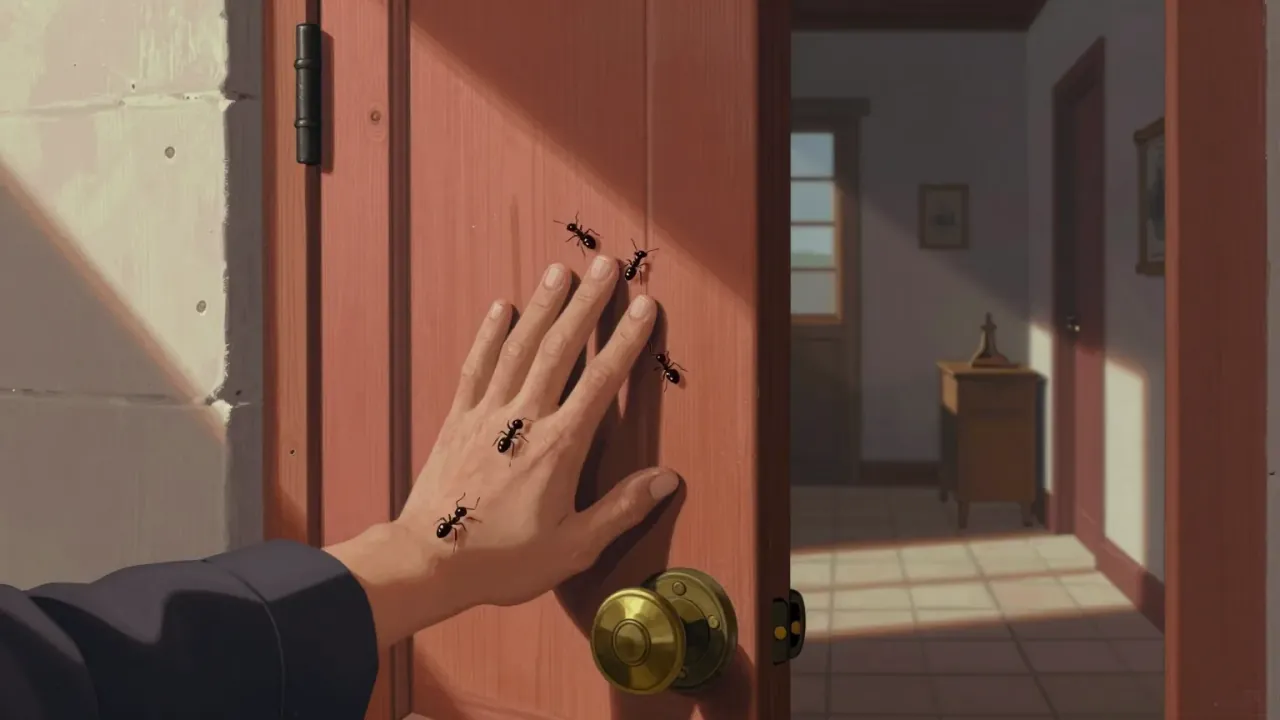
A 1929 French silent short co-written and directed by Luis Buñuel and Salvador Dalí, Un Chien Andalou rejects narrative, chronology and symbolism in favour of dream-logic assembled from two shared dreams. Filmed in black-and-white over ten days, it deploys stark imagery — a sliced eye, ants from a hand, pianos dragging dead donkeys — with clinical precision. Its sixteen minutes offer no resolution, no character psychology, no moral framework: only a sustained, principled refusal of sense.

13:00

Until the End of the World

Wim Wenders · 1991

Wim Wenders’ 1991 epic follows Claire and Sam across continents as they evade bounty hunters and test a camera that lets the blind see recorded experiences. Shot across eleven countries with Robby Müller, it treats the road movie as philosophical drift — prioritising texture, duration, and the fragility of perception over plot or resolution.