filmbriefs
Topic

Disasters

The event, and the decisions that made it possible.

13
in film
13:00
average
169 min
in total
59
across the network
Disasters across the network →
All briefs13
13:00

A Night to Remember

Roy Ward Baker · 1958

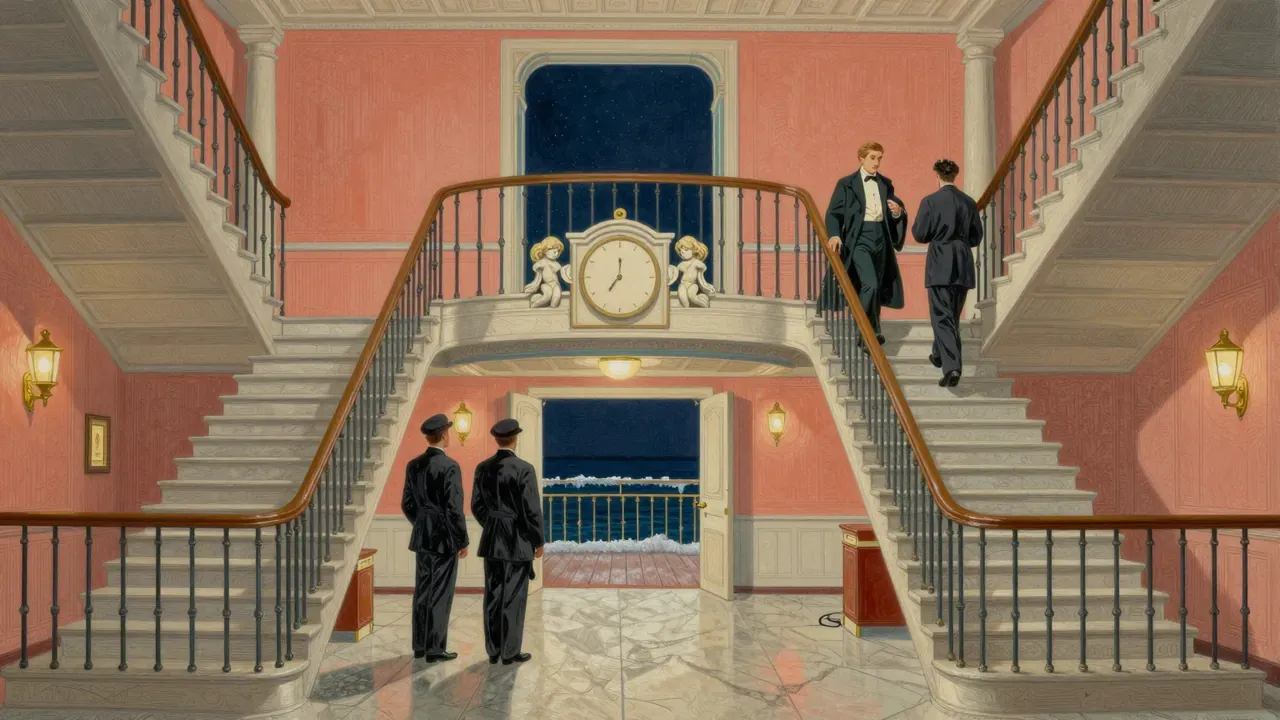
A 1958 British drama reconstructing the sinking of the RMS Titanic with procedural fidelity, based on Walter Lord’s 1955 book and informed by survivor testimony. Directed by Roy Ward Baker and produced by William MacQuitty, it avoids sentimentality in favour of chronological precision, using authentic sets, restrained performances and Geoffrey Unsworth’s understated cinematography to trace the collapse of routine, hierarchy and certainty.
13:00

Armageddon

Michael Bay · 1998

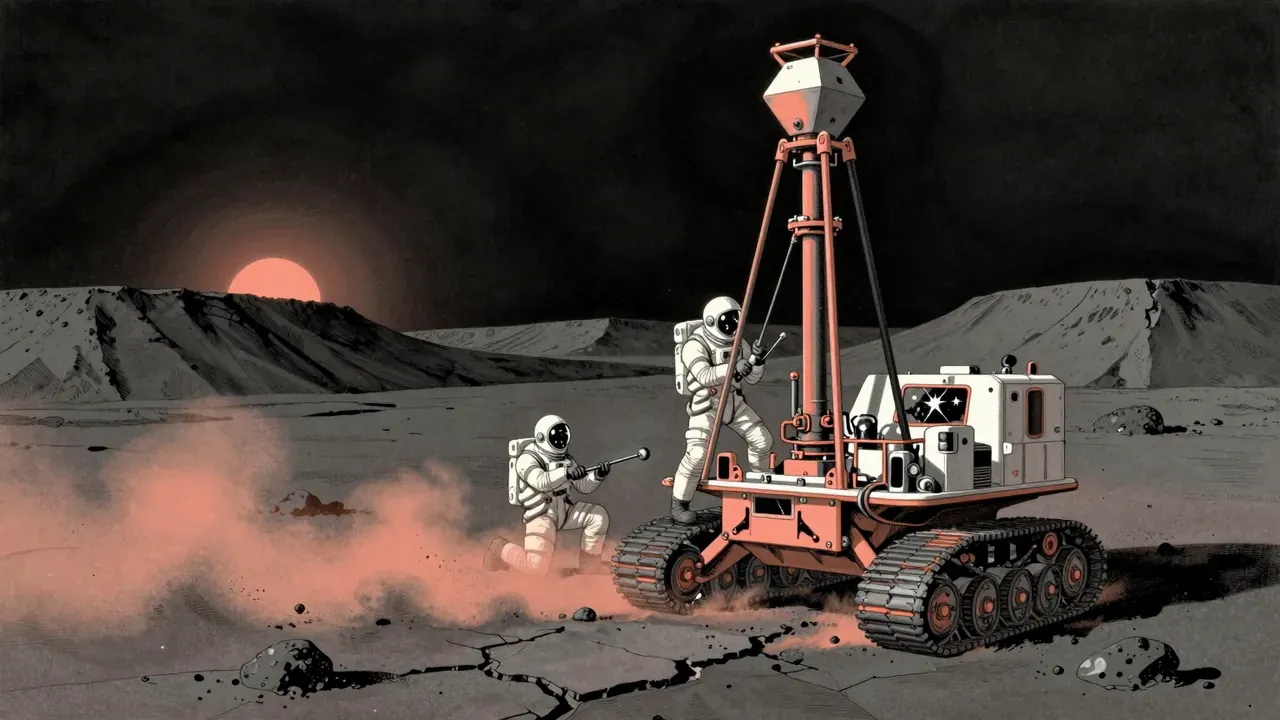
A 1998 American action film directed by Michael Bay, Armageddon follows a team of oil drillers recruited by NASA to destroy a Texas-sized asteroid hurtling toward Earth. With a $140 million budget and an ensemble cast including Bruce Willis, Ben Affleck and Liv Tyler, it prioritises emotional clarity, physical craft and relentless momentum over scientific plausibility or psychological nuance. Though critically divided, it became the highest-grossing film of 1998 and remains a benchmark for large-scale, character-driven spectacle.

13:00

Gimme Shelter

Charlotte Zwerin, Albert Maysles, David Maysles · 1970

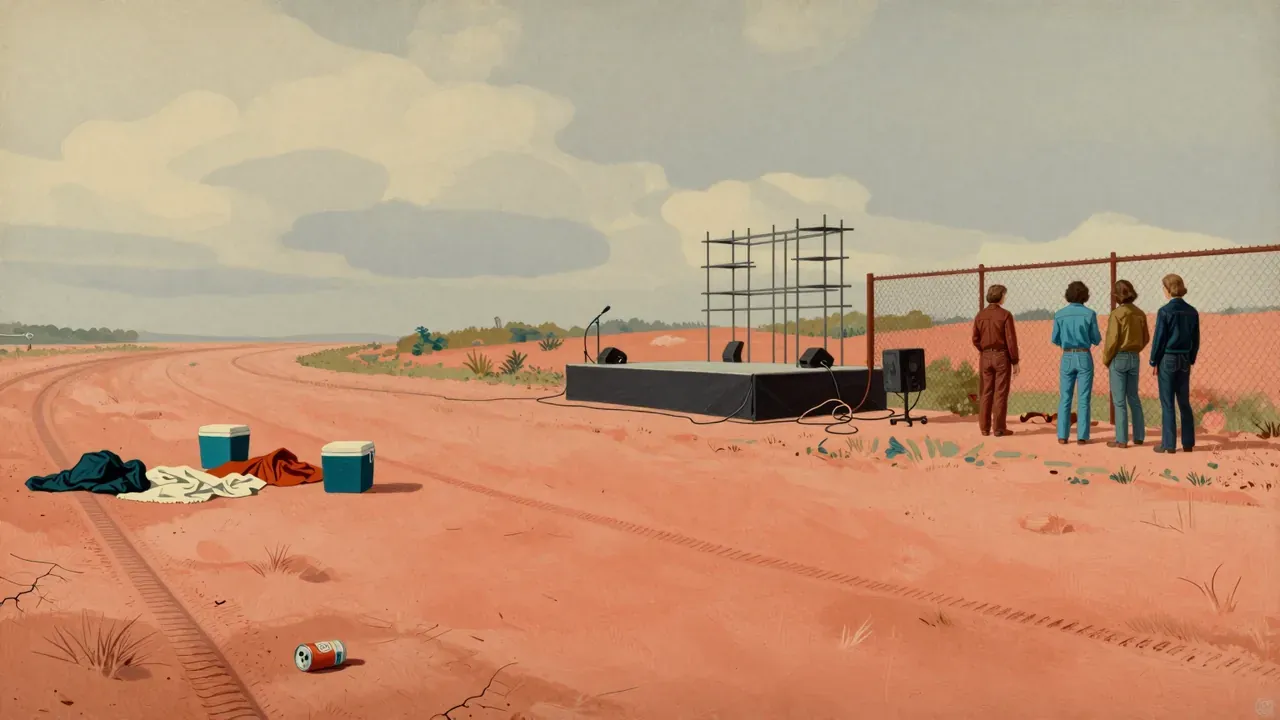
Gimme Shelter is a 1970 Direct Cinema documentary following the Rolling Stones’ 1969 US tour to its violent end at the Altamont Free Concert. Shot by Albert and David Maysles with Charlotte Zwerin’s editing, it records studio sessions, concerts, negotiations and the fatal stabbing of Meredith Hunter — without voiceover, interviews or moral framing. Its power lies in its unblinking chronology and refusal to resolve what it witnesses.

13:00

Godzilla

Ishirō Honda · 1954

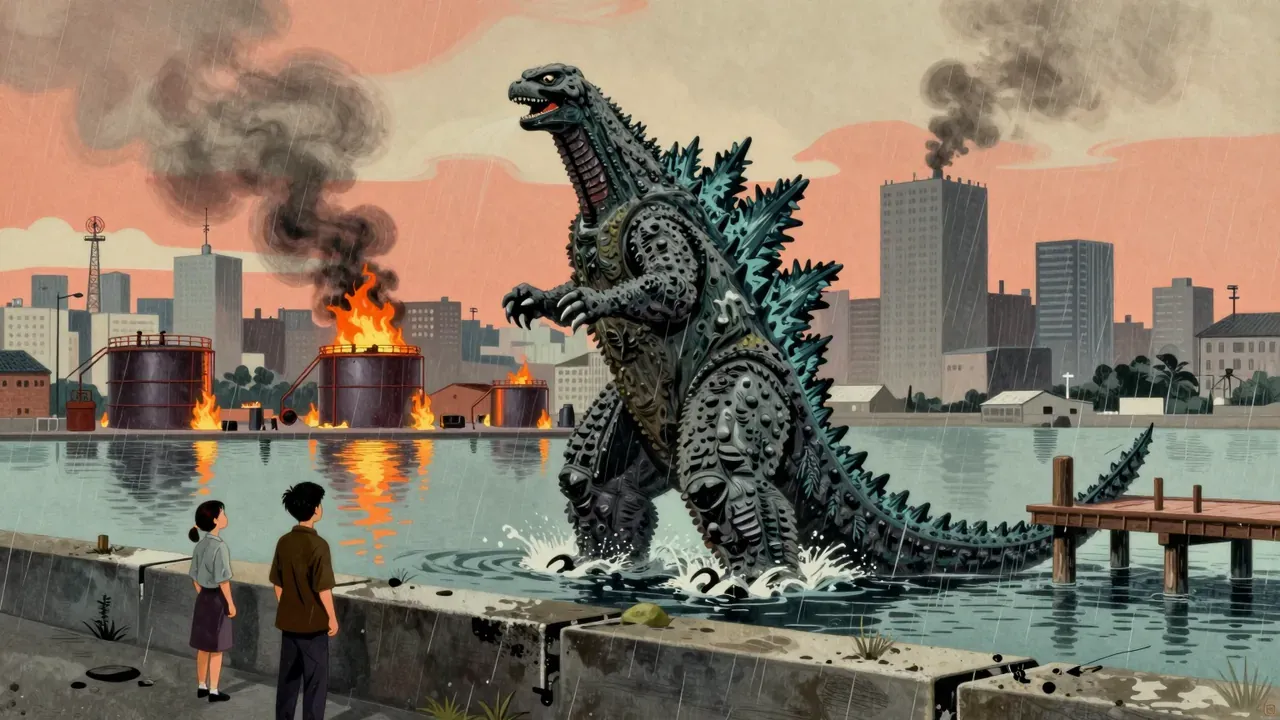
Godzilla (1954) is Toho’s foundational kaiju film, directed by Ishirō Honda and conceived after the Daigo Fukuryū Maru incident. It follows scientists and officials responding to a prehistoric creature mutated by hydrogen bomb tests. Shot in black-and-white with pioneering suitmation effects, its tone is sober, almost documentary-like. The film avoids monster-movie tropes in favour of bureaucratic realism, scientific debate, and quiet devastation. Though its pacing and formal restraint challenge modern expectations, its thematic urgency — on nuclear consequence, institutional failure, and irreversible change — remains undimmed.

13:00

Godzilla Raids Again

Motoyoshi Oda · 1955

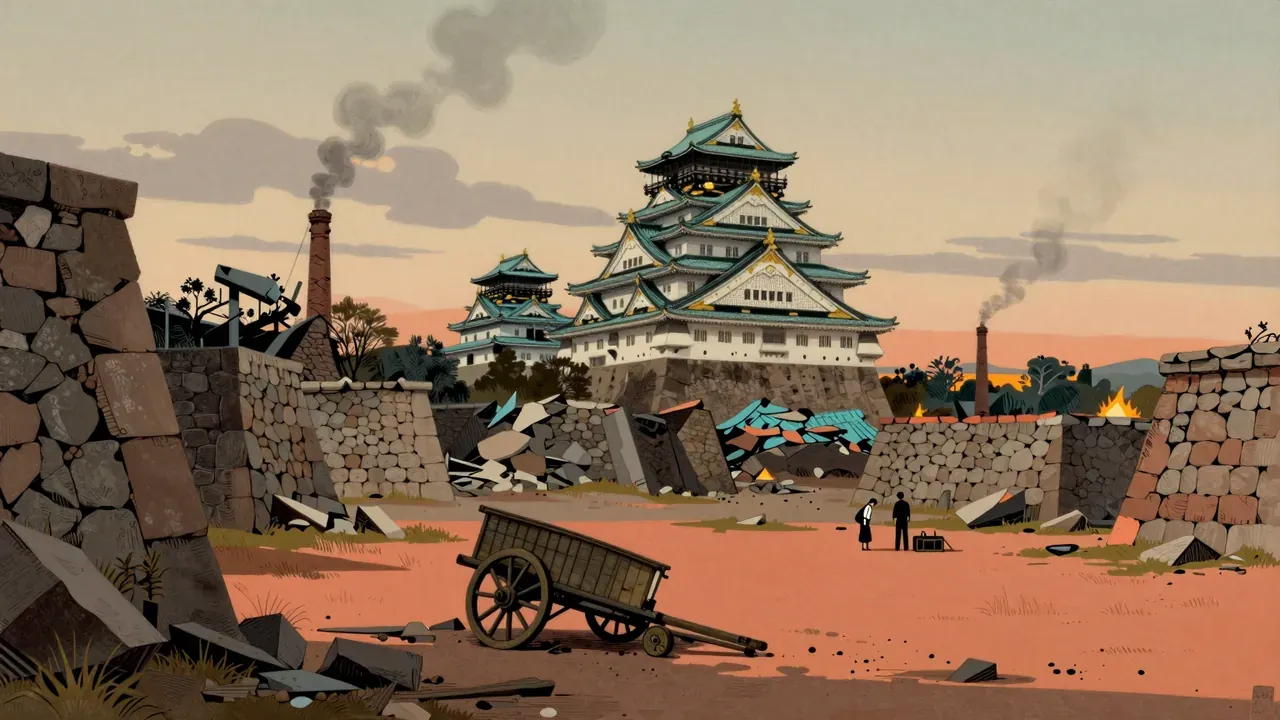
Toho’s 1955 follow-up to Godzilla is a lean, effects-driven kaiju film directed by Motoyoshi Oda under tight deadlines. It introduces Anguirus in a destructive Osaka showdown, prioritising spectacle and procedural urgency over the moral weight of its predecessor. With Haruo Nakajima in the Godzilla suit and Eiji Tsuburaya refining his special-effects techniques — including variable camera speeds and outdoor ice sets — the film functions as both a commercial necessity and a technical bridge to the franchise’s expansive future.

13:00

History Is Made at Night

Frank Borzage · 1937

Frank Borzage’s 1937 romance stars Jean Arthur and Charles Boyer as lovers separated by deceit, class, and a shipwreck. Written by Gene Towne and shot by Gregg Toland, it moves from Parisian farce to transatlantic pursuit to maritime disaster — all held together by emotional sincerity rather than plot logic. Its strengths are in performance, composition, and moral clarity; its weaknesses lie in tonal inconsistency and contrived early turns. It is a film of conviction, not compromise.

13:00

Life, and Nothing More...

Abbas Kiarostami · 1992

Abbas Kiarostami’s 1992 drama follows a director and his son driving through post-earthquake northern Iran, seeking the child star of his earlier film. Shot in a spare, observational style, it blends documentary immediacy with fictional framing to explore how life persists amid loss — not through grand statements, but through detours, conversations, and quiet acts of endurance.

13:00

Sennan Asbestos Disaster

Kazuo Hara · 2016

Kazuo Hara’s 2016 documentary Sennan Asbestos Disaster observes survivors of industrial asbestos exposure in Osaka over many years. With no narration, score, or archival inserts, it tracks legal battles, medical decline, and daily endurance — treating latency, embodiment, and institutional slowness as its core subjects.

13:00

Sorcerer

William Friedkin · 1977

William Friedkin’s 1977 Sorcerer adapts Georges Arnaud’s novel as a stark, tactile thriller about four fugitives transporting volatile nitroglycerin across a jungle road. Shot in the Dominican Republic with documentary rigour, it trades psychological exposition for procedural realism — trucks, terrain, and time as the true protagonists. Though a box-office failure on release, it has since been reappraised as a masterwork of sustained tension and formal discipline.

13:00

Testament

Lynne Littman · 1983

Testament (1983) follows Carol Wetherly and her family in a Northern California suburb after a nuclear attack. With no special effects, no named antagonists and no grand speeches, it charts the erosion of domestic life — from school plays to backyard burials — as infrastructure fails and radiation sickness takes hold. Made for PBS and released theatrically by Paramount, it relies on Jane Alexander’s restrained performance, Steven Poster’s naturalistic cinematography and James Horner’s sparse score to anchor nuclear dread in intimate, unremarkable detail.

13:00

The Blob

Irvin Yeaworth · 1958

The Blob is a concise, location-bound science fiction horror film from 1958, directed by Irvin Yeaworth and starring Steve McQueen in his first leading role. It follows a gelatinous extraterrestrial organism that crashes to Earth near a Pennsylvania town, consumes people, grows larger, and is ultimately contained — not destroyed — by extreme cold. Made on a modest budget with practical effects and regional filming, it prioritises escalation, spatial logic, and collective response over psychology or allegory. Its enduring appeal lies in its structural rigour, tonal consistency, and refusal to over-explain.

13:00

The Flight of the Phoenix

Robert Aldrich · 1965

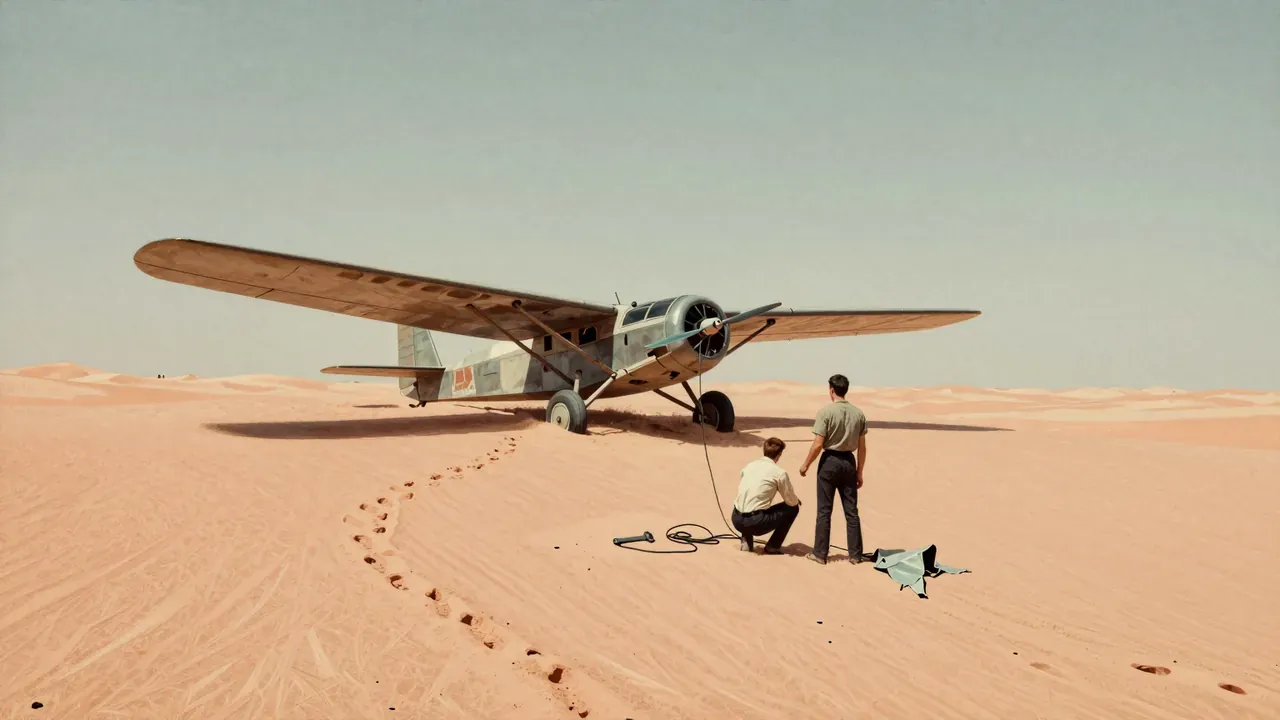
Robert Aldrich’s 1965 disaster drama follows a group of men stranded in the Sahara after a cargo plane crash. With no rescue expected, a German engineer proposes building a new aircraft from the wreckage. What follows is a rigorous, unsentimental depiction of collective labour, rationed hope, and the fragile consensus required to turn desperation into flight.

13:00

Unstoppable

Tony Scott · 2010

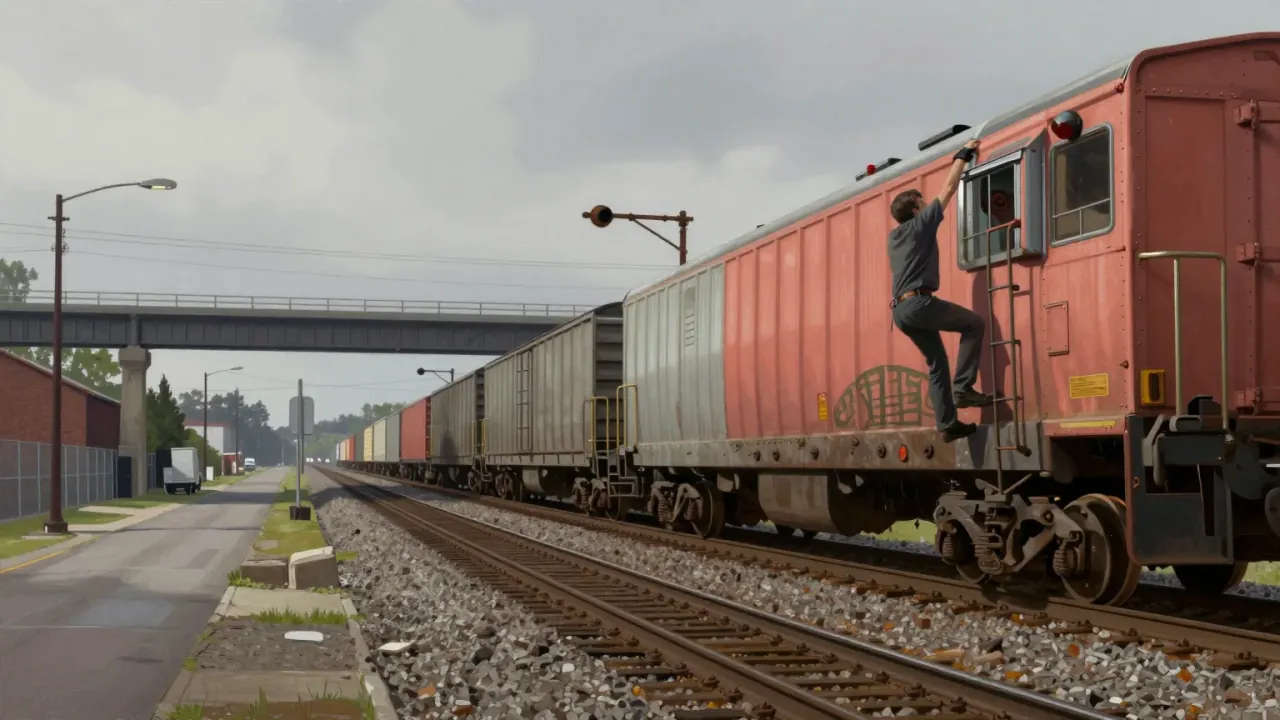
Tony Scott’s 2010 action thriller Unstoppable follows veteran engineer Frank Barnes and rookie conductor Will Colson as they attempt to couple to and slow a runaway freight train carrying toxic chemicals. Based loosely on the 2001 CSX 8888 incident, it prioritises procedural realism, mechanical stakes and spatial clarity over character depth or thematic expansion. Shot across Western Pennsylvania and Ohio, it uses real rail infrastructure and practical effects to ground its escalating tension. With Chris Pine and Denzel Washington leading a functional ensemble, and Ben Seresin’s cinematography anchoring every beat in tangible geography, the film delivers a tightly wound, 98-minute exercise in cause, consequence and controlled velocity.