filmbriefs
Topic

The music business

Where the money goes, and how little of it goes to musicians.

23
in film
13:00
average
299 min
in total
169
across the network
The music business across the network →
All briefs23
13:00

A Poem Is A Naked Person

Les Blank · 1974

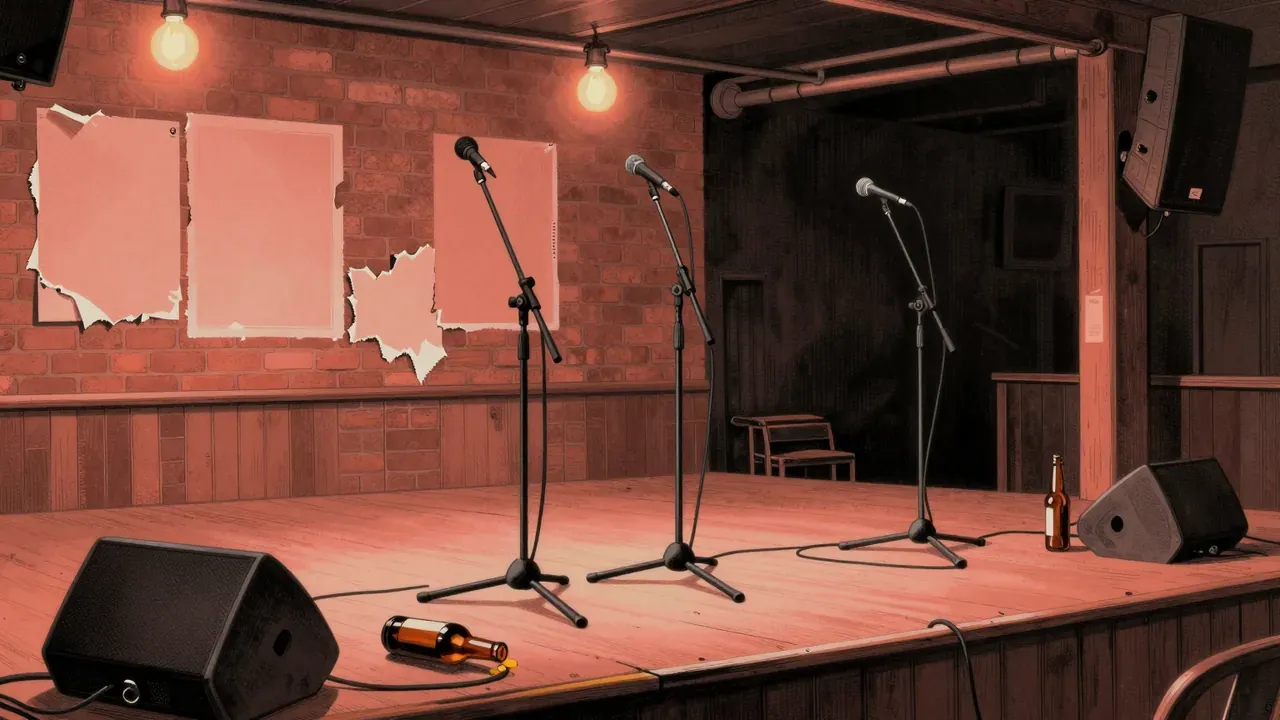
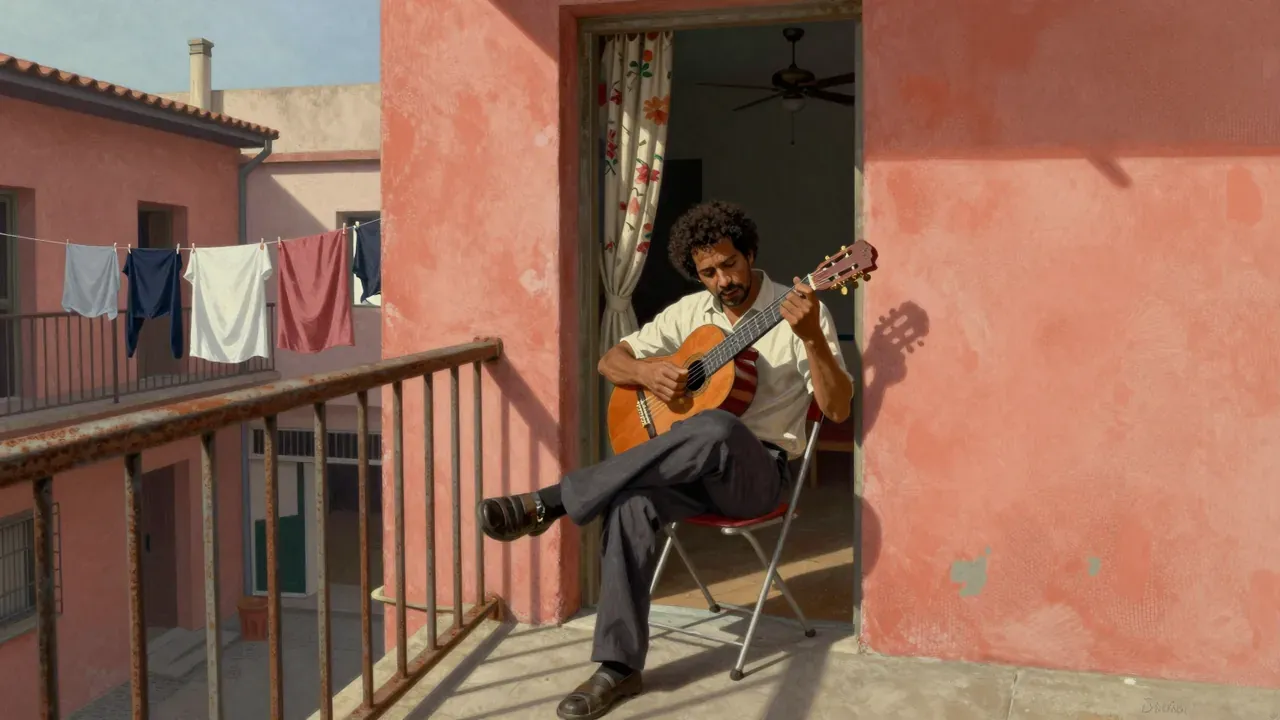
Les Blank’s 1974 documentary A Poem Is a Naked Person spent forty years unreleased, emerging only after his death. Shot over two years at Leon Russell’s Oklahoma studio, it avoids biography in favour of immersive texture: rehearsals, murals painted in drained pools, lakeside light, and unscripted encounters. Its power lies in sustained attention, not exposition — a film that treats music, place, and personality as inseparable elements of a single, breathing world.
13:00

Border Radio

Allison Anders · 1987

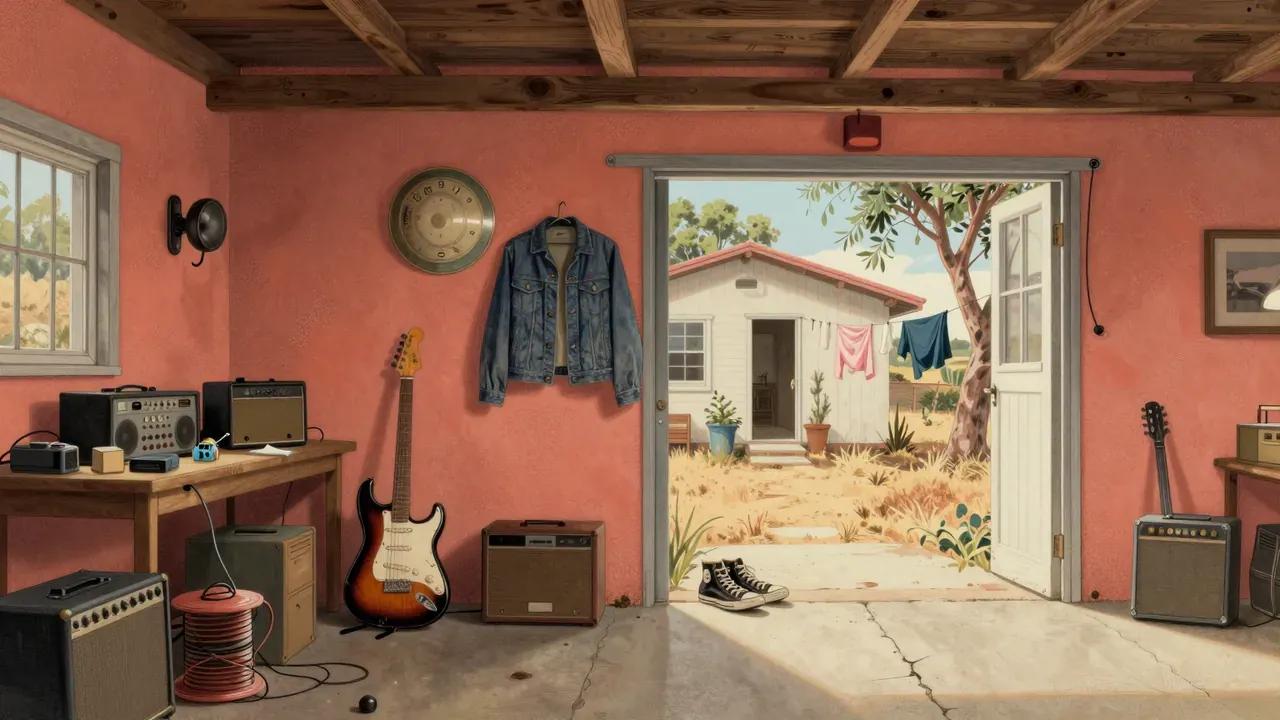
Border Radio is a low-budget 1987 American road movie directed by Allison Anders, documenting the fraying edges of West Coast punk and cowpunk culture. Following unpaid musicians who rob a club and flee toward Mexico, the film prioritises texture over plot, using non-professional performers and diegetic music to evoke a specific time and place — not as nostalgia, but as lived, unvarnished reality.

13:00

Buena Vista Social Club

Wim Wenders · 1999

Wim Wenders’ 1999 documentary follows Cuban musicians — many in their eighties — as they record, rehearse and perform internationally. Shot in Havana, Amsterdam and New York, it relies on direct observation, unhurried interviews and full concert sequences. Jörg Widmer’s cinematography and Brian Johnson’s editing serve the music’s internal logic, not narrative urgency. The film avoids historical exposition or political critique, focusing instead on gesture, memory and ensemble discipline. It is a portrait of endurance rooted in daily practice, not myth.

13:00

Carmen

Carlos Saura · 1983

Carlos Saura’s 1983 Carmen follows a troupe of dancers rehearsing a flamenco adaptation of Bizet’s opera, as their off-stage relationships mirror the opera’s fatal arc. Shot in Spain by Teodoro Escamilla and scored by Paco de Lucía, the film blurs rehearsal and reality, using movement and music — not dialogue — to trace obsession, rivalry and violence. It won the BAFTA for Best Film Not in the English Language and was nominated for an Oscar.

13:00

El Amor brujo

Carlos Saura · 1986

Carlos Saura’s 1986 El Amor brujo adapts Manuel de Falla’s ballet into a tightly wound flamenco drama starring Antonio Gades and Cristina Hoyos. Set in Andalusia, it follows Candela, haunted by her dead husband’s ghost, whose release requires a ritual dance with the woman he loved in life. Shot by Teodoro Escamilla and choreographed by María Pagès, the film subordinates narrative to rhythm, dialogue to zapateado, and psychology to physical repetition — making it less a ghost story than a study in embodied memory.

13:00

Five Easy Pieces

Bob Rafelson · 1970

Bob Rafelson’s 1970 drama follows Jack Nicholson as Bobby Dupea, a former piano prodigy working on an oil rig in California, who abandons his rootless life to visit his ailing, estranged father in Washington. Accompanied by his girlfriend Rayette (Karen Black), he re-enters the cultured, musically rigorous world he fled — confronting his siblings, his brother’s fiancée, and the unspoken reasons for his departure. László Kovács’ naturalistic cinematography and Carole Eastman and Rafelson’s sparse script anchor the film in behavioural realism, treating class, alienation, and self-erasure as physical facts rather than abstractions.

13:00

Gimme Shelter

Charlotte Zwerin, Albert Maysles, David Maysles · 1970

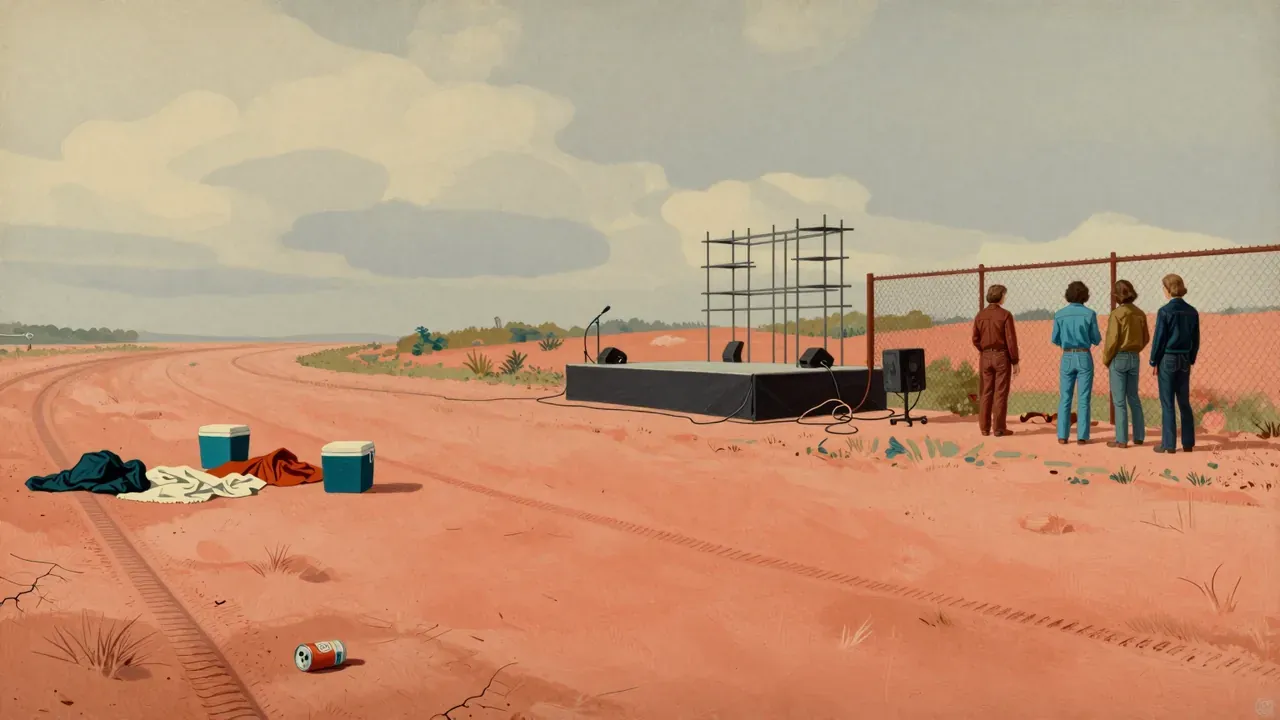
Gimme Shelter is a 1970 Direct Cinema documentary following the Rolling Stones’ 1969 US tour to its violent end at the Altamont Free Concert. Shot by Albert and David Maysles with Charlotte Zwerin’s editing, it records studio sessions, concerts, negotiations and the fatal stabbing of Meredith Hunter — without voiceover, interviews or moral framing. Its power lies in its unblinking chronology and refusal to resolve what it witnesses.

13:00

Hedwig and the Angry Inch

John Cameron Mitchell · 2001

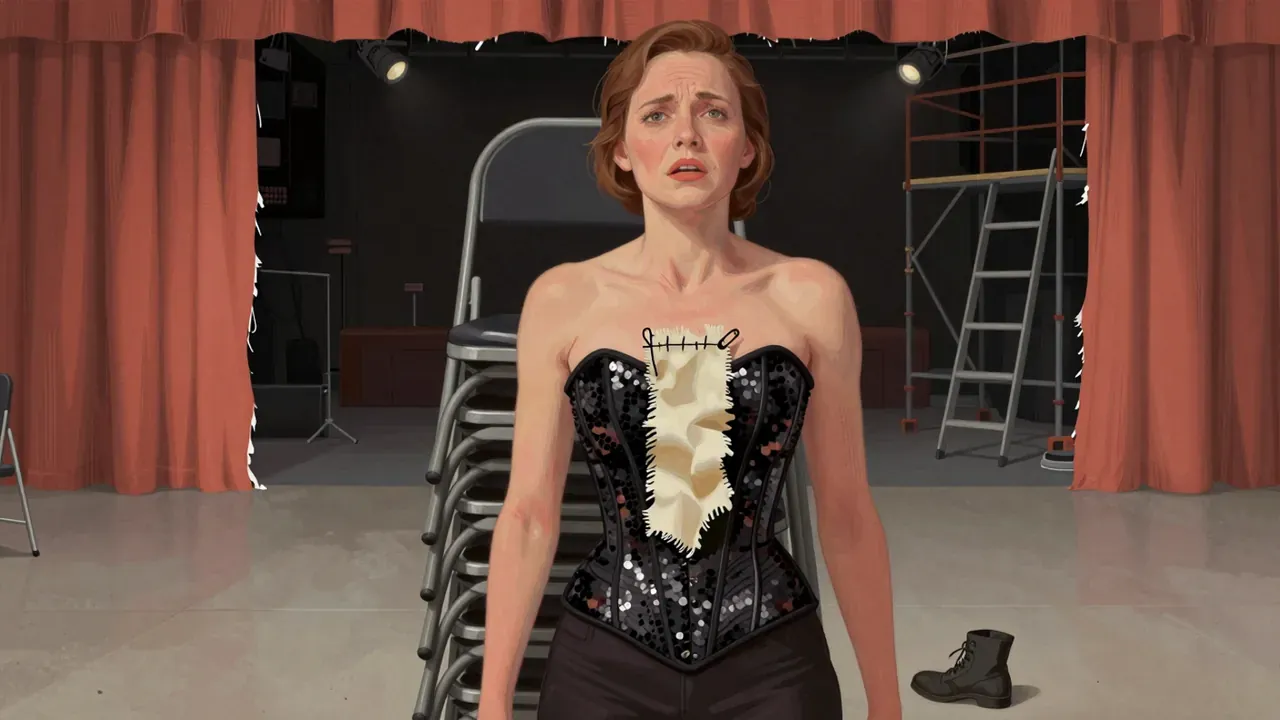
John Cameron Mitchell’s 2001 film adapts his stage musical as a mythic, musically charged portrait of Hedwig Robinson: an East German trans woman, rock frontwoman, and reluctant philosopher. Shot with gritty immediacy by Frankie DeMarco and scored by Stephen Trask, it moves between roadside gigs and fractured memory, using Plato, punk, and botched surgery to explore origin, theft, and the violence of translation. Though its metaphysical finale falters, its performances, craft, and thematic rigour make it a durable arthouse landmark.

13:00

KPop Demon Hunters

Chris Appelhans, Maggie Kang · 2025

KPop Demon Hunters is a 2025 Sony Pictures Animation film co-directed by Maggie Kang and Chris Appelhans. It follows Huntrix, a K-pop girl group who double as demon hunters rooted in Korean folklore, as they confront the Saja Boys — boy-band idols secretly tied to the jeoseung saja. Animated in a bold 3D style inspired by music videos and Korean drama, with songs and score by Marcelo Zarvos, it blends myth, music, and modernity. Released on Netflix, it won Best Animated Feature and Best Original Song at both the Golden Globes and Oscars.

13:00

La Bamba

Luis Valdez · 1987

La Bamba (1987), directed by Luis Valdez, tells the story of Ritchie Valens’ rapid rise and early death, centred on his family in 1950s California. Lou Diamond Phillips stars, performing all vocals live; Los Lobos arranged and performed the music. The film avoids myth-making in favour of domestic texture, grounding Valens’ story in his mother’s quiet strength, his half-brother’s resentment, and his own fear of flying. It was selected for preservation in the National Film Registry in 2017.

13:00

Monte Carlo

Ernst Lubitsch · 1930

Ernst Lubitsch’s 1930 Monte Carlo stars Jeanette MacDonald and Jack Buchanan in a romantic musical comedy set in the French Riviera. A countess flees her arranged marriage and checks into a luxury hotel with little money; a count disguises himself as a hairdresser to win her affection. Built around the hit song 'Beyond the Blue Horizon' and a self-referential opera sequence, the film prioritises tonal control, musical integration, and elegant artifice over psychological realism or social critique.

13:00

Nashville

Robert Altman · 1975

Robert Altman’s 1975 ensemble film follows twenty-four characters in the Nashville music industry over five days, culminating in a political rally and an unexplained assassination. Built from Joan Tewkesbury’s ethnographically grounded script and shot on location with overlapping dialogue and diegetic music, it treats fame, race, and populism as systems rather than subjects — observing more than judging, accumulating more than resolving.

13:00

Round Midnight

Bertrand Tavernier · 1986

Bertrand Tavernier’s 1986 film follows American saxophonist Dale Turner (Dexter Gordon) as he seeks refuge from addiction in 1950s Paris, aided by a devoted French graphic designer (François Cluzet). Built around live jazz performances and anchored by Gordon’s restrained, deeply embodied performance, the film avoids biopic clichés to explore endurance, care, and the untranslatable language of music. Shot in Paris and New York, with a score by Herbie Hancock, it won the Academy Award for Best Original Score and was named one of the year’s top ten films by the National Board of Review.

13:00

Ryuichi Sakamoto | Opus

Neo Sora · 2024

Ryuichi Sakamoto | Opus documents the composer’s final solo piano concert in late 2022, filmed in real time with no interviews, narration or archival material. Directed by Neo Sora and shot by Bill Kirstein, it presents the performance with rigorous stillness—static frames, neutral light, unbroken duration. The film treats Sakamoto’s frailty and focus not as narrative elements but as acoustic and physical facts within the same field as the piano’s resonance. It is a concert film stripped of context, asking only for attention to duration, gesture and decay.

13:00

Saraband

Ingmar Bergman · 2003

Saraband (2003) is Ingmar Bergman’s last film — a quiet, formally restrained drama revisiting Marianne and Johan from Scenes from a Marriage, now in their seventies. Set in Sweden and structured around ten acts, it traces intergenerational tension through Johan’s troubled relationship with his son Henrik and granddaughter Karin, while Marianne reflects on love, loss, and the persistence of feeling across time. Shot for television by Sveriges Television, it features Liv Ullmann and Erland Josephson reprising their roles, with music drawn exclusively from Bach’s Cello Suites.

13:00

The Beat That My Heart Skipped

Jacques Audiard · 2005

Jacques Audiard’s 2005 drama follows Thomas Seyr, a Parisian real estate enforcer who attempts to rebuild his life around concert piano after his mother’s death and his father’s murder. Romain Duris trained intensively for the role, playing his own piano sequences. The film reframes the 1978 American original Fingers through French social realism, emphasising physical discipline, linguistic barriers, and the uneasy continuity between violence and artistry.

13:00

The Rose

Mark Rydell · 1979

The Rose (1979), directed by Mark Rydell, stars Bette Midler as Mary Rose Foster, a self-destructive rock diva loosely inspired by Janis Joplin. Shot by Vilmos Zsigmond and scored by Paul A. Rothchild, it traces her final months amid touring, addiction, and a fraught relationship with her manager and a soldier-lover. The film avoids biographical literalism in favour of emotional precision, anchoring its drama in Midler’s live performances and the tactile realism of its late-1960s milieu. Nominated for four Academy Awards, it remains a singular entry in the musical-drama canon — unsentimental, unrelenting, and deeply embodied.

13:00

Thirty Two Short Films About Glenn Gould

François Girard · 1993

François Girard’s 1993 Canadian film abandons linear biography for thirty-two discrete segments — documentary, re-enactment, animation, silence — each offering a distinct, unmediated angle on pianist Glenn Gould. Colm Feore performs with meticulous restraint, Alain Dostie photographs with quiet exactness, and the soundtrack uses only Gould’s own recordings. It does not seek to resolve his contradictions — his isolation, his technology use, his early retirement — but to hold them in careful, cumulative balance.

13:00

To Joy

Ingmar Bergman · 1950

Ingmar Bergman’s 1950 drama follows violinists Stig and Marta as their marriage frays under the pressure of professional compromise, unspoken resentment, and the lure of easier affections. Shot in restrained black-and-white by Gunnar Fischer, with performances rooted in physical detail rather than declamation, it is a film of accumulations — glances, silences, repeated gestures — rather than climaxes. Its power lies in its refusal to moralise or resolve.

13:00

Jalsaghar

Satyajit Ray · 1958

Satyajit Ray’s 1958 Bengali drama follows Biswambhar Roy, a zamindar clinging to ritual and prestige as his estate crumbles. Shot at Nimtita Rajbari and a studio-built music room, it uses Chhabi Biswas’s restrained performance, Subrata Mitra’s deep-focus cinematography and Vilayat Khan’s diegetic classical score to chart decline not as crisis but as quiet, inevitable erosion. Awarded India’s National Film Award for Second Best Feature and Best Bengali Film in 1959, it has since been ranked among the greatest films ever made.

13:00

Café Lumière

Hou Hsiao-Hsien · 2004

Café Lumière is Hou Hsiao-Hsien’s 2004 Japanese-language drama, commissioned by Shochiku as an Ozu homage. Shot in Tokyo with an all-Japanese cast, it follows Yoko Inoue’s quiet research into composer Jiang Wen-Ye. Mark Lee Ping Bin’s cinematography and Yōsui Inoue’s score support a film built on long takes, architectural framing, and ambient observation — not plot, but presence. It values duration, texture, and understatement over exposition or emotional climax.

13:00

Grease

Randal Kleiser · 1978

A 1978 musical romantic comedy directed by Randal Kleiser, Grease adapts the stage show into a brightly lit, rhythm-driven portrait of high-school identity as performance. Starring John Travolta and Olivia Newton-John, it trades realism for theatrical consistency, using song and choreography to advance both plot and mood. Its enduring appeal lies in its unwavering commitment to surface — costume, cadence, charisma — rather than depth.

13:00

Inside Llewyn Davis

Ethan Coen, Joel Coen · 2013

A 2013 Coen brothers film set in early-1961 New York, following folk singer Llewyn Davis over one wintry week. Oscar Isaac stars in a performance defined by vocal authenticity and physical weariness. Bruno Delbonnel’s muted cinematography and T Bone Burnett’s live-recorded folk soundtrack anchor a story that loops rather than progresses — rejecting biopic convention in favour of a precise, unsentimental study of artistic persistence without reward.