filmbriefs
Topic

Endurance

How far the body goes when the mind agrees.

13
in film
13:00
average
169 min
in total
49
across the network
Endurance across the network →
All briefs13
13:00

Burden of Dreams

Les Blank · 1982

Les Blank’s 1982 documentary Burden of Dreams observes the gruelling, near-failed production of Werner Herzog’s Fitzcarraldo in the Peruvian jungle. Shot on location over several months, it captures exhaustion, ambition, and the jungle’s indifference — without narration, music, or editorial judgement. It remains a landmark of observational documentary craft.
13:00

Eyimofe

Arie Esiri, Chuko Esiri · 2020

Eyimofe (2020), co-directed by Arie and Chuko Esiri, follows two Lagos residents — a printer and a hairdresser — each pursuing migration to Europe. Shot on 16mm across 48 Lagos locations, it unfolds in two chapters (Spain and Italy) without voiceover or score, relying on performance, texture, and duration to trace how economic and familial pressures reshape ordinary lives. It premiered at Berlin, London, Toronto and 15 other international festivals, earning a 100% Rotten Tomatoes score and praise for its quiet, unsentimental realism.

13:00

Hunger

Steve McQueen · 2008

Steve McQueen’s 2008 debut dramatises the 1981 IRA hunger strike in Maze Prison, focusing on Bobby Sands’s final weeks. Shot in stark, immersive style by Sean Bobbitt and edited by Joe Walker, it privileges physical detail over exposition, using long takes, minimal dialogue, and unflinching attention to the body’s decay and resilience. Michael Fassbender lost significant weight for the role. The film premiered at Cannes, winning the Caméra d’Or, and received widespread critical acclaim for its formal rigour and moral gravity.

13:00

Les Amants du Pont-Neuf

Leos Carax · 1991

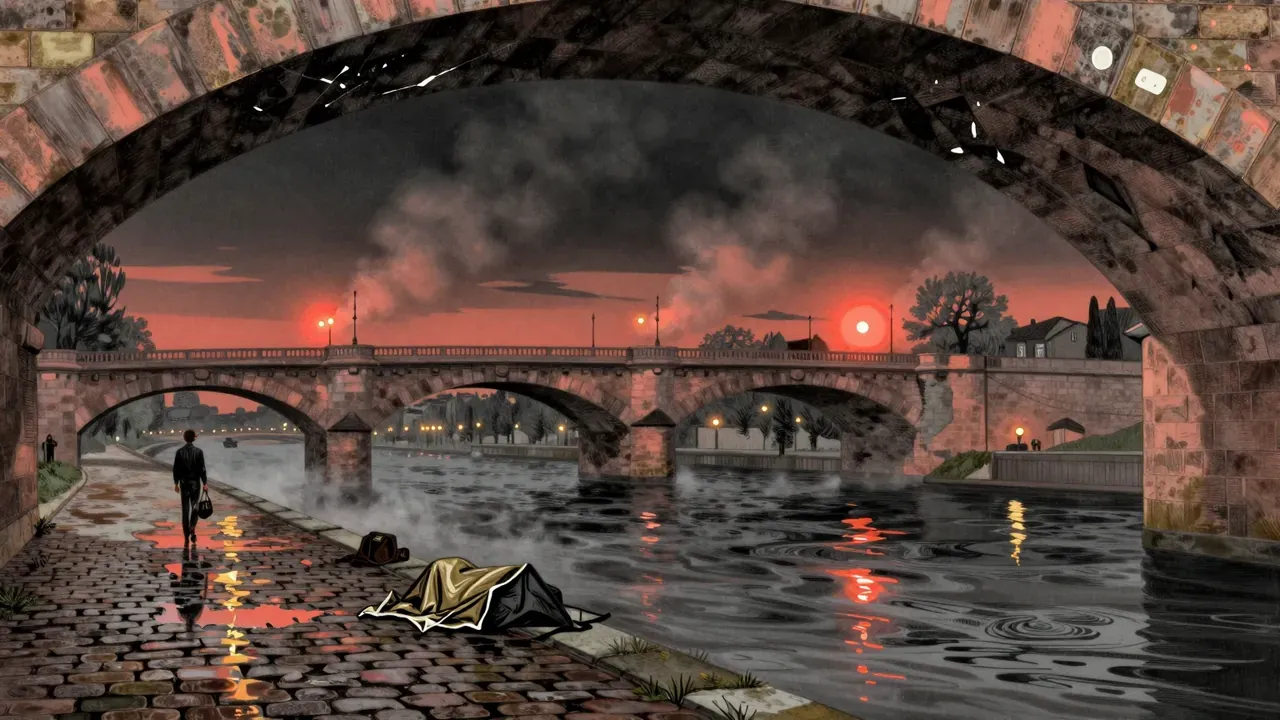
Leos Carax’s 1991 film follows two vagrants, Alex and Michèle, living on a meticulously built replica of Paris’s Pont Neuf. Shot over three years amid financial chaos and physical hardship, it treats love as physical cohabitation — not dialogue or backstory — with Juliette Binoche and Denis Lavant performing with unflinching bodily commitment. Jean-Yves Escoffier’s cinematography and Arvo Pärt’s score reinforce its austere, tactile logic. Though criticised for emotional opacity, its power lies in duration, texture, and the sheer material reality of its world.

13:00

Letter Never Sent

Mikhail Kalatozov · 1960

Set in the Siberian wilderness, Mikhail Kalatozov’s 1960 drama follows four geologists whose diamond discovery triggers a cascade of disasters: fire, injury, abandonment, and snowbound collapse. Shot in stark black-and-white by Sergey Urusevsky, it prioritises physical presence over exposition, using long takes, immersive sound, and unflinching attention to bodily limits. The unsent letter of the title remains unseen, emblematic of the film’s broader refusal to explain — or redeem — its characters’ suffering.

13:00

Original Cast Album: Company

D. A. Pennebaker · 1970

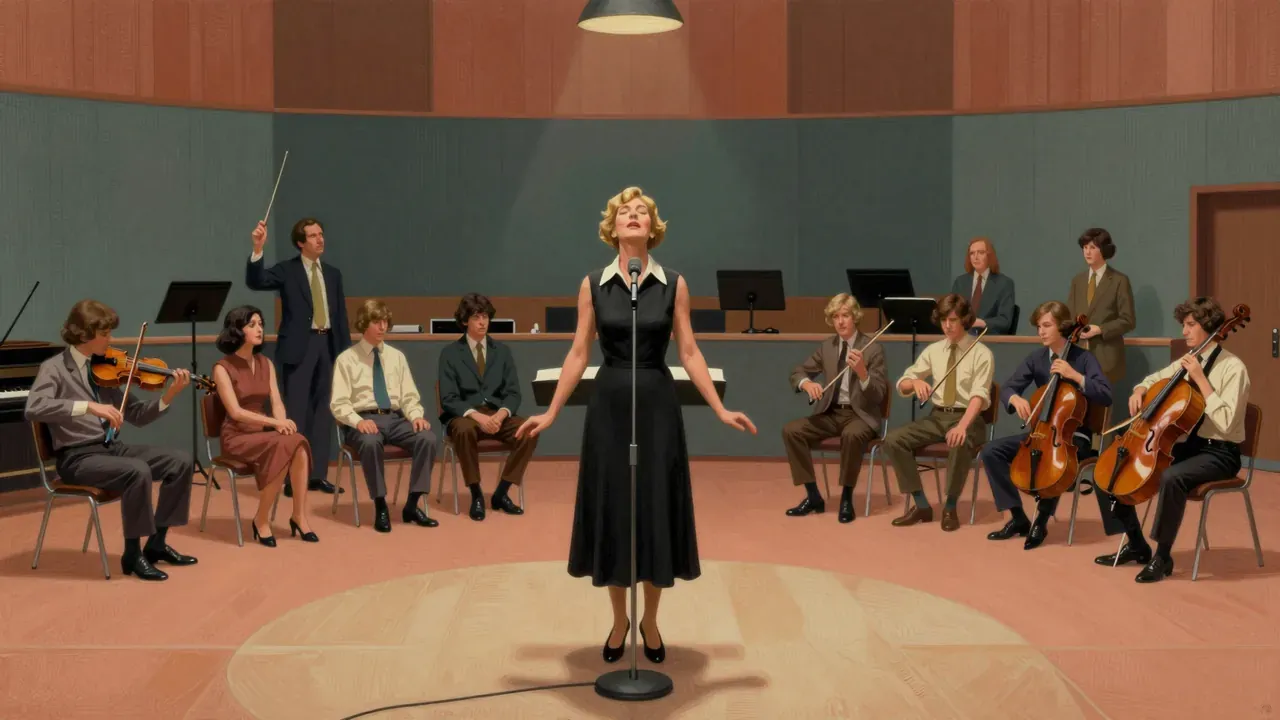
D. A. Pennebaker’s 1970 documentary observes the marathon studio session for the original cast album of Stephen Sondheim’s Company. Filmed over two days at Columbia Records’ 30th Street Studio, it captures singers, musicians, and producers wrestling with fatigue, pitch, and timing — most memorably Elaine Stritch’s repeated attempts at 'The Ladies Who Lunch'. Unvarnished, chronological, and devoid of narration or context, it treats recording as craft rather than spectacle.

13:00

Safety Last!

Fred C. Newmeyer, Sam Taylor · 1923

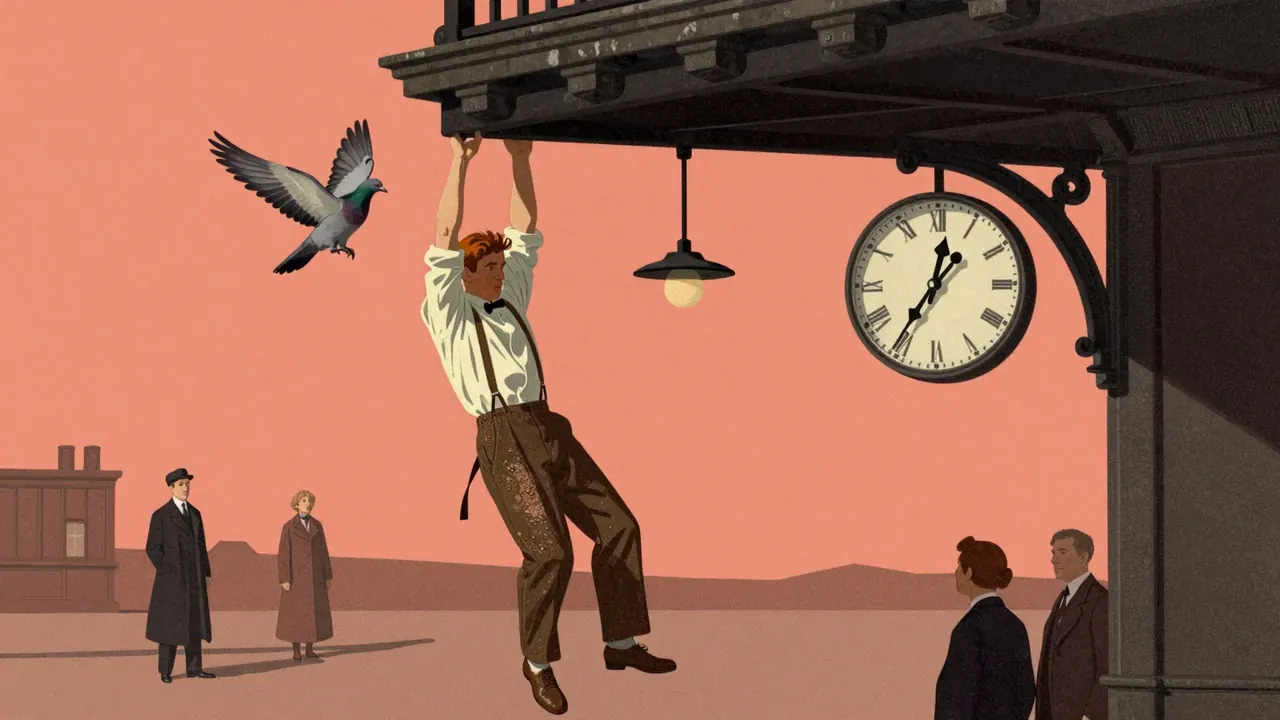
A 1923 silent romantic comedy starring Harold Lloyd, Safety Last! follows a young man’s desperate attempts to appear successful in 1920s Los Angeles so he can marry his girlfriend. When a publicity stunt goes awry, he must scale a skyscraper — culminating in the iconic clock-face sequence. Directed by Fred C. Newmeyer and Sam Taylor for Hal Roach Studios, it balances slapstick with narrative rigour, using physical comedy to explore ambition, class, and endurance.

13:00

Sorcerer

William Friedkin · 1977

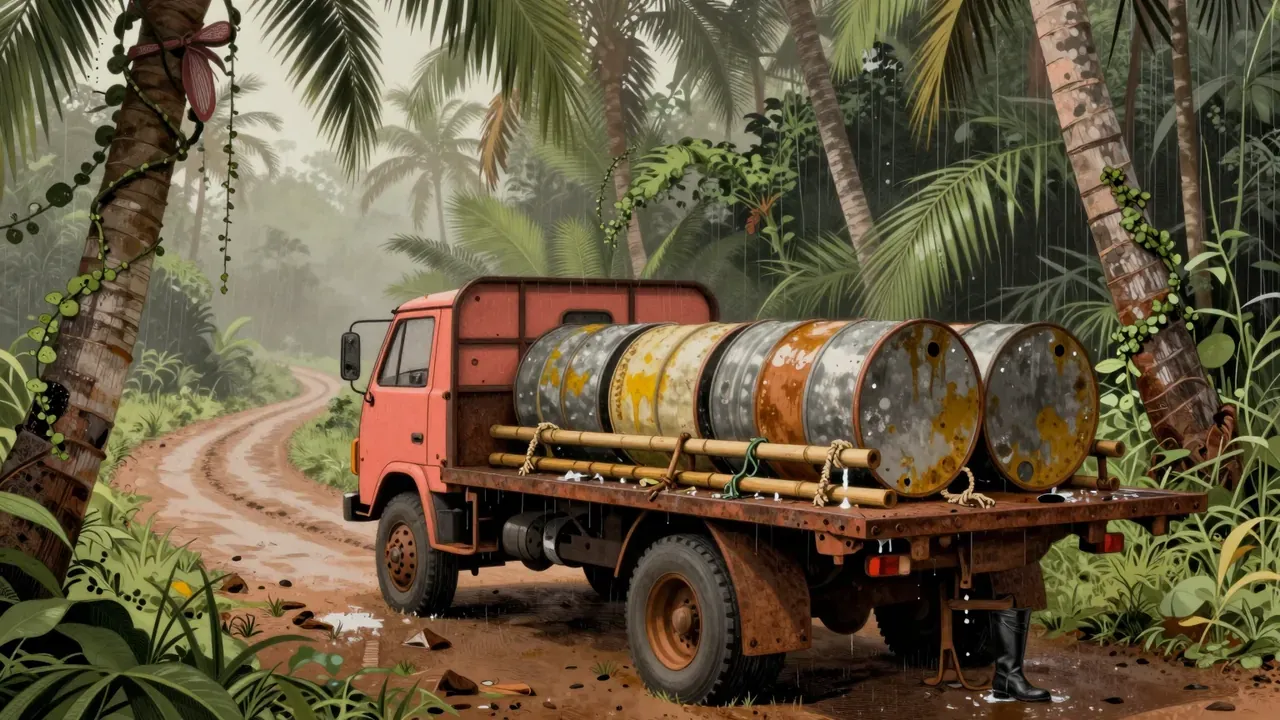
William Friedkin’s 1977 Sorcerer adapts Georges Arnaud’s novel as a stark, tactile thriller about four fugitives transporting volatile nitroglycerin across a jungle road. Shot in the Dominican Republic with documentary rigour, it trades psychological exposition for procedural realism — trucks, terrain, and time as the true protagonists. Though a box-office failure on release, it has since been reappraised as a masterwork of sustained tension and formal discipline.

13:00

The Flight of the Phoenix

Robert Aldrich · 1965

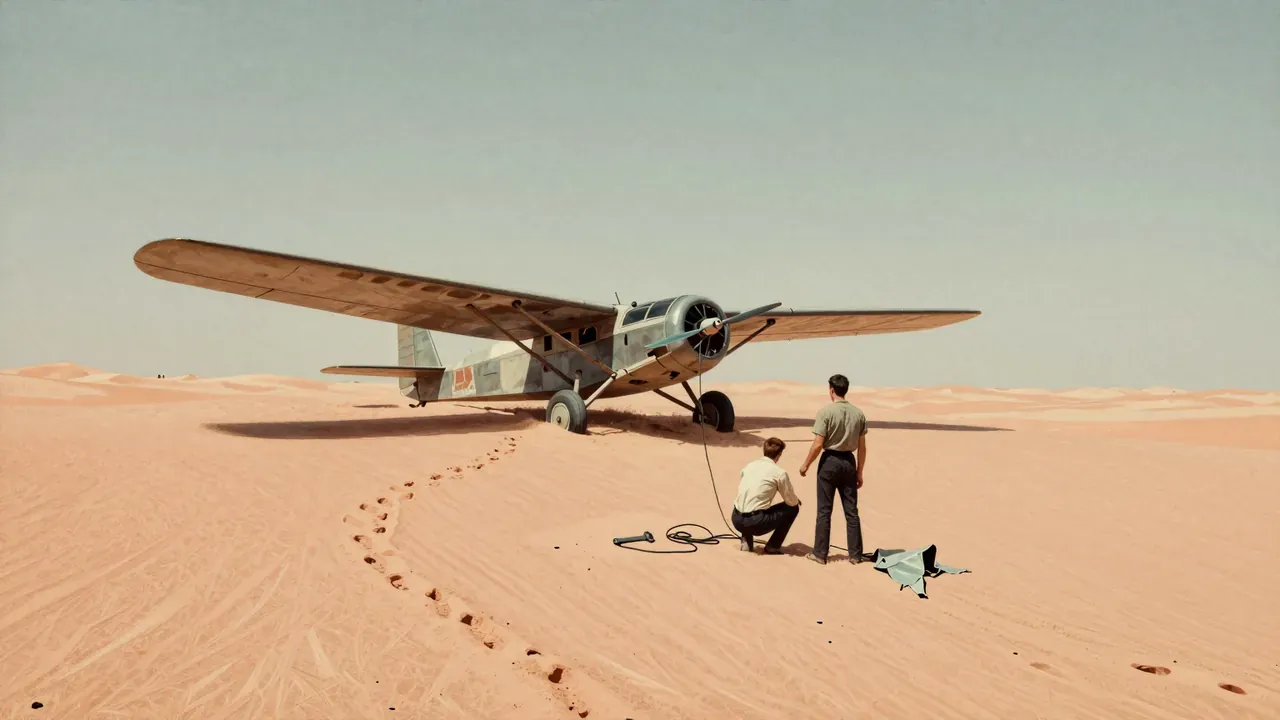
Robert Aldrich’s 1965 disaster drama follows a group of men stranded in the Sahara after a cargo plane crash. With no rescue expected, a German engineer proposes building a new aircraft from the wreckage. What follows is a rigorous, unsentimental depiction of collective labour, rationed hope, and the fragile consensus required to turn desperation into flight.

13:00

The Naked Island

Kaneto Shindō · 1960

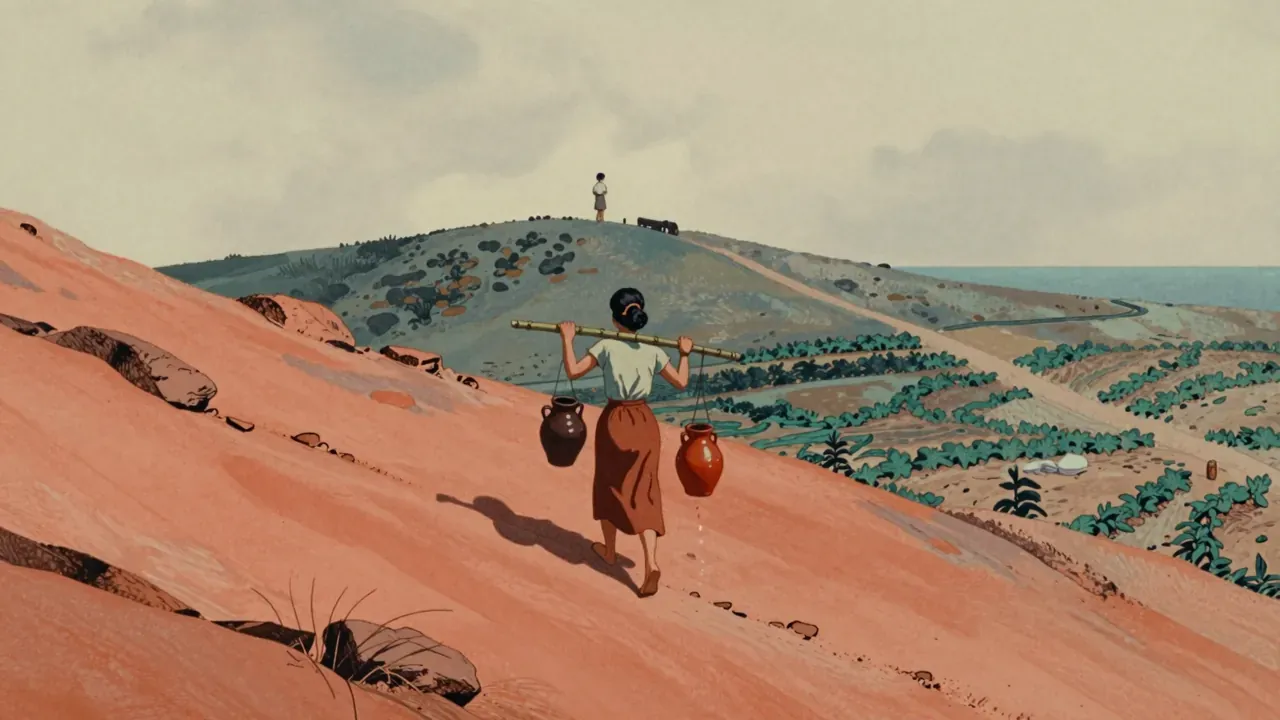
Kaneto Shindō’s 1960 film follows a family surviving alone on a remote island in Japan’s Seto Inland Sea, carrying water daily to grow crops. With almost no spoken dialogue, it relies on repetition, physical exertion and Kiyomi Kuroda’s restrained cinematography to convey endurance, grief and routine. Though its agricultural premise is factually flawed, its austere method remains compelling: a rigorous, unsentimental portrait of persistence.

13:00

The Naked Prey

Cornel Wilde · 1966

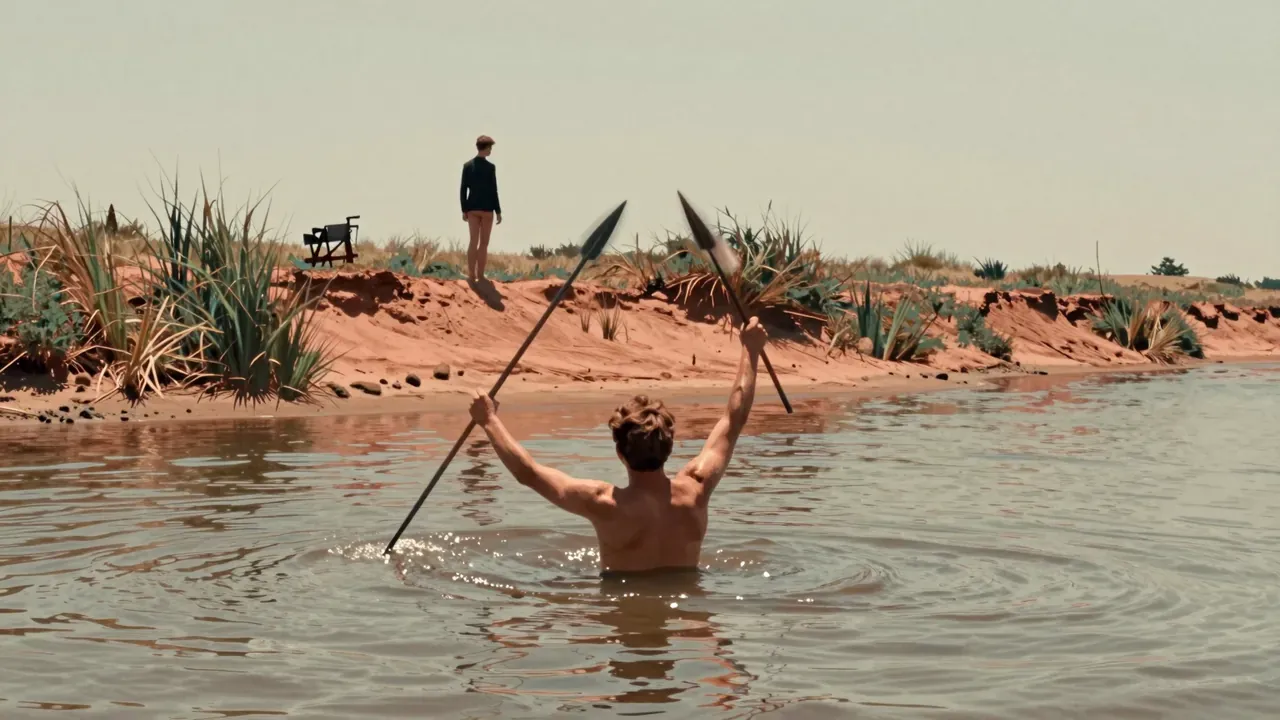
Cornel Wilde’s 1966 survival film follows a safari guide stripped naked and hunted across the South African veldt after his expedition offends a local tribe. Shot on location with minimal dialogue and a documentary sensibility, it sustains tension through rhythm, terrain, and endurance rather than character or exposition. Its reputation has grown for formal rigour and visceral immediacy, though its colonial framing remains contested.

13:00

Vive le Tour

Louis Malle · 1962

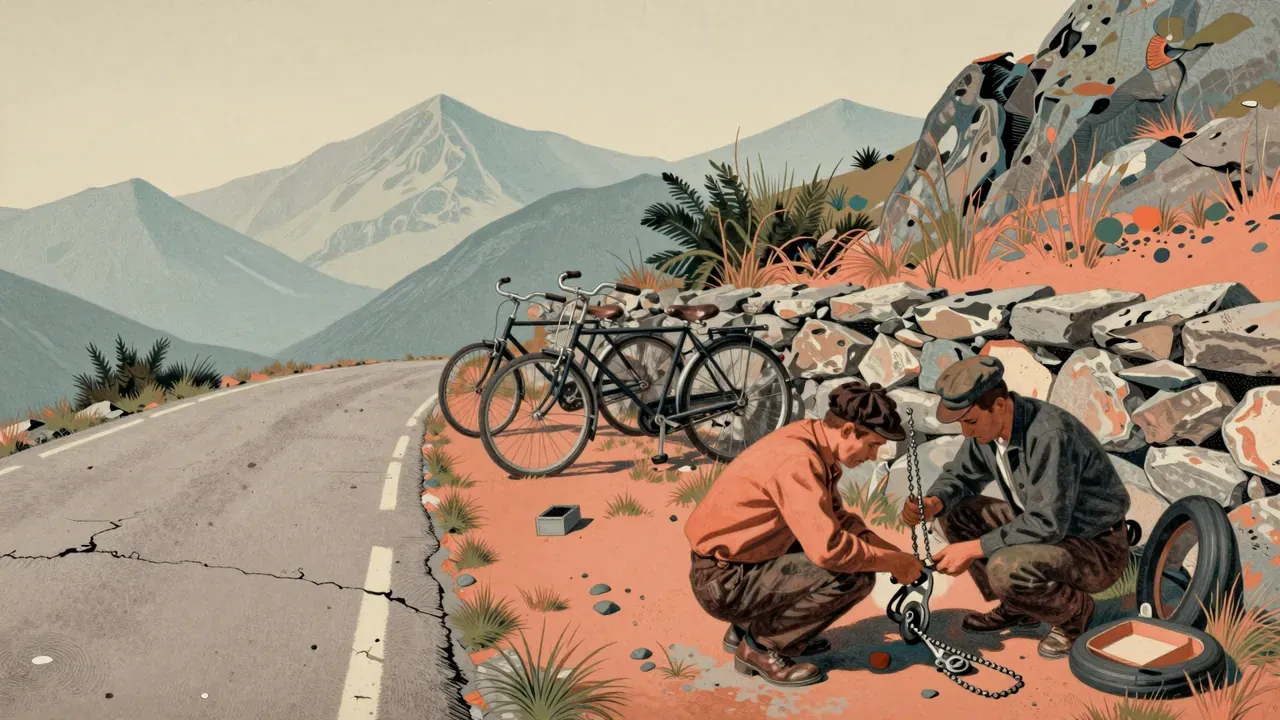
Louis Malle’s 1962 documentary Vive le Tour observes the 1962 Tour de France with clinical intimacy: mechanics adjusting bikes roadside, riders eating cold sandwiches, journalists shouting questions, medical staff administering injections. Shot on location by Malle alongside Ghislain Cloquet and Jacques Ertaud, and narrated by cyclist Jean Bobet, it avoids heroics and exposition in favour of accumulated detail — food, fatigue, doping, injury — treated as routine elements of a vast, mobile operation. Georges Delerue’s restrained score underscores transitions, not emotions. At 18 minutes, it is brief but densely observed, offering no answers, only a clear-eyed look at endurance as collective, unglamorous work.

13:00

A Man Escaped

Robert Bresson · 1956

Robert Bresson’s 1956 docudrama follows a French Resistance fighter’s meticulous, solitary planning of an escape from Montluc prison in Lyon. Using non-professional actors, austere framing, and a rigorously controlled soundscape, it renders willpower as physical labour and time as accumulated effort — not as drama, but as form.