Saved
Topic

Colour

Pigment, perception and a great deal of received opinion.

12
in film
13:00
average
156 min
in total
42
across the network
Colour across the network →
All briefs12
13:00

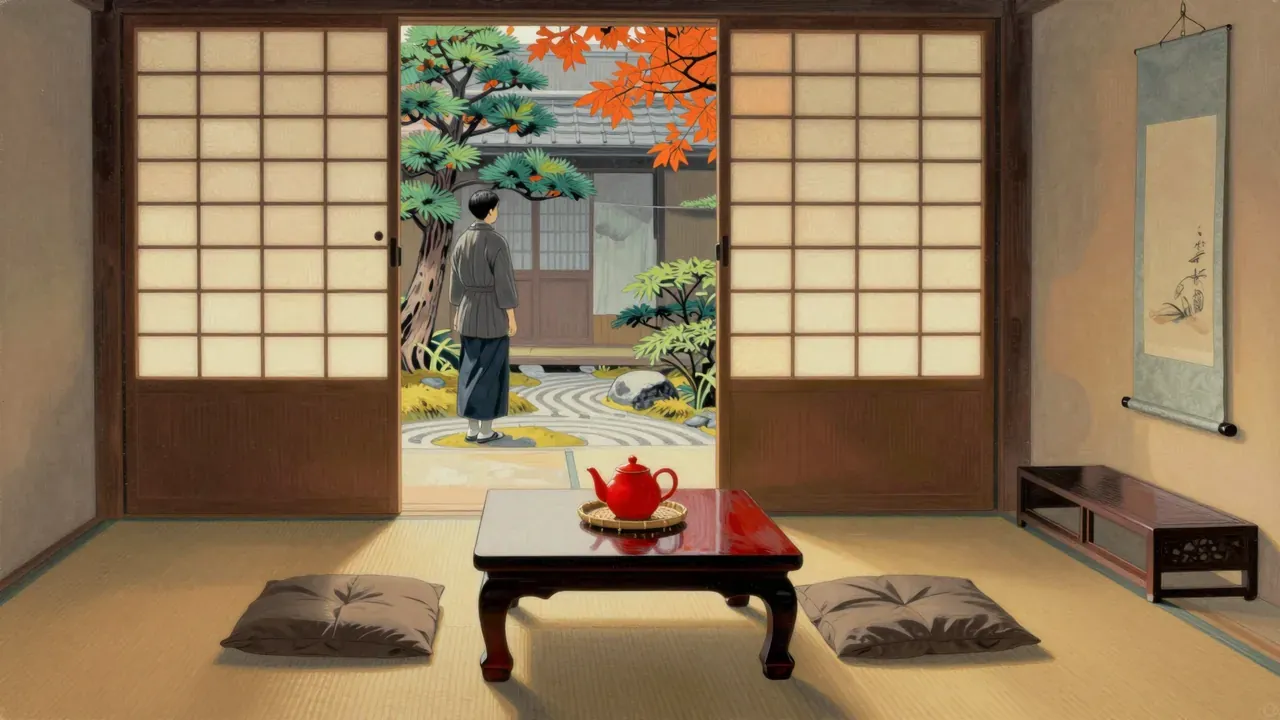
Equinox Flower

Yasujirō Ozu · 1958

Equinox Flower (1958) is Yasujirō Ozu’s first colour feature—a domestic comedy tracing a Tokyo businessman’s reluctant acceptance of his daughter’s self-chosen marriage. Shot in Agfa colour, it observes generational friction through stillness, repetition, and muted reds, trusting the viewer to register change in posture, silence, and the movement of a teapot. Fujiko Yamamoto’s standout performance anchors a structure built on evasion and quiet reversal, not crisis or catharsis.
13:00

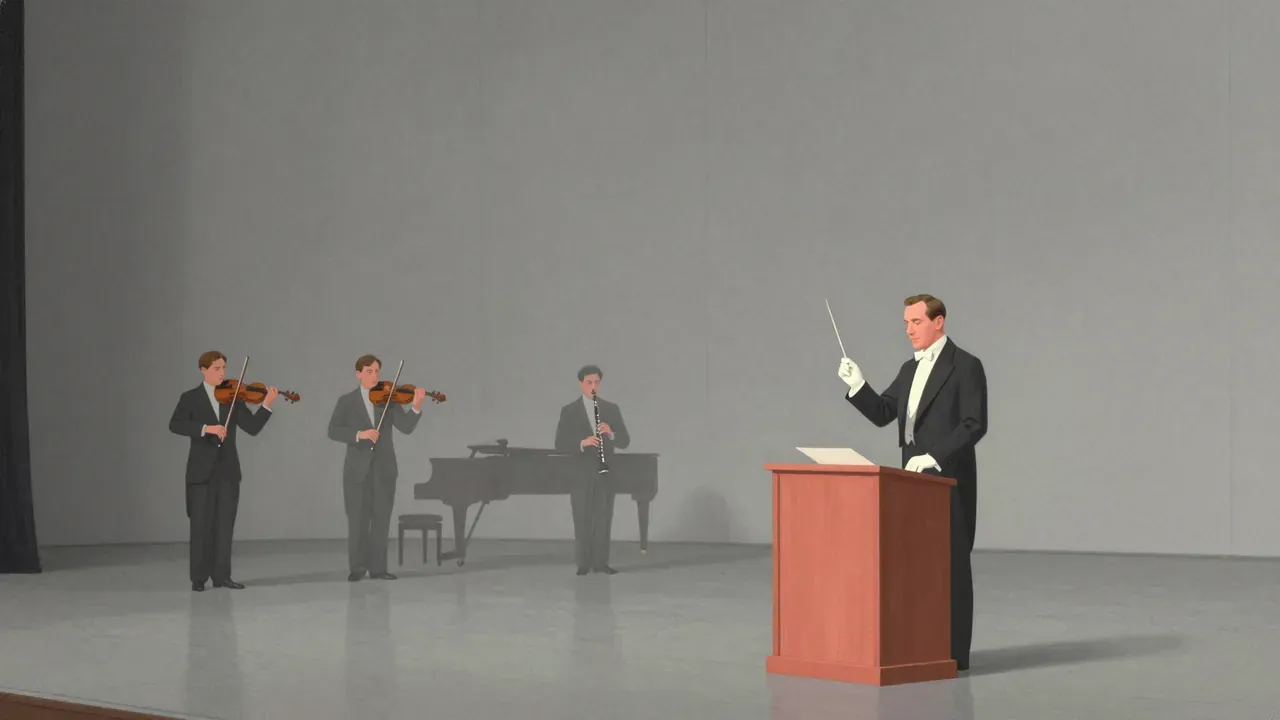
King of Jazz

John Murray Anderson, Paul Fejos · 1930

King of Jazz (1930) is a studio-made musical revue starring Paul Whiteman and his orchestra, filmed in early two-colour Technicolor. With no plot, it strings together musical numbers, blackout sketches, and novelty acts—including the first Technicolor animated segment, featuring Oswald the Lucky Rabbit. Though technically ambitious and historically significant (selected for the US National Film Registry in 2013), its static camerawork, dated humour, and promotional framing make it a demanding watch. Its value lies in preservation: as a record of early sound-film craft, Whiteman’s curated jazz, and the industrial logic of Hollywood’s transition to colour.

13:00

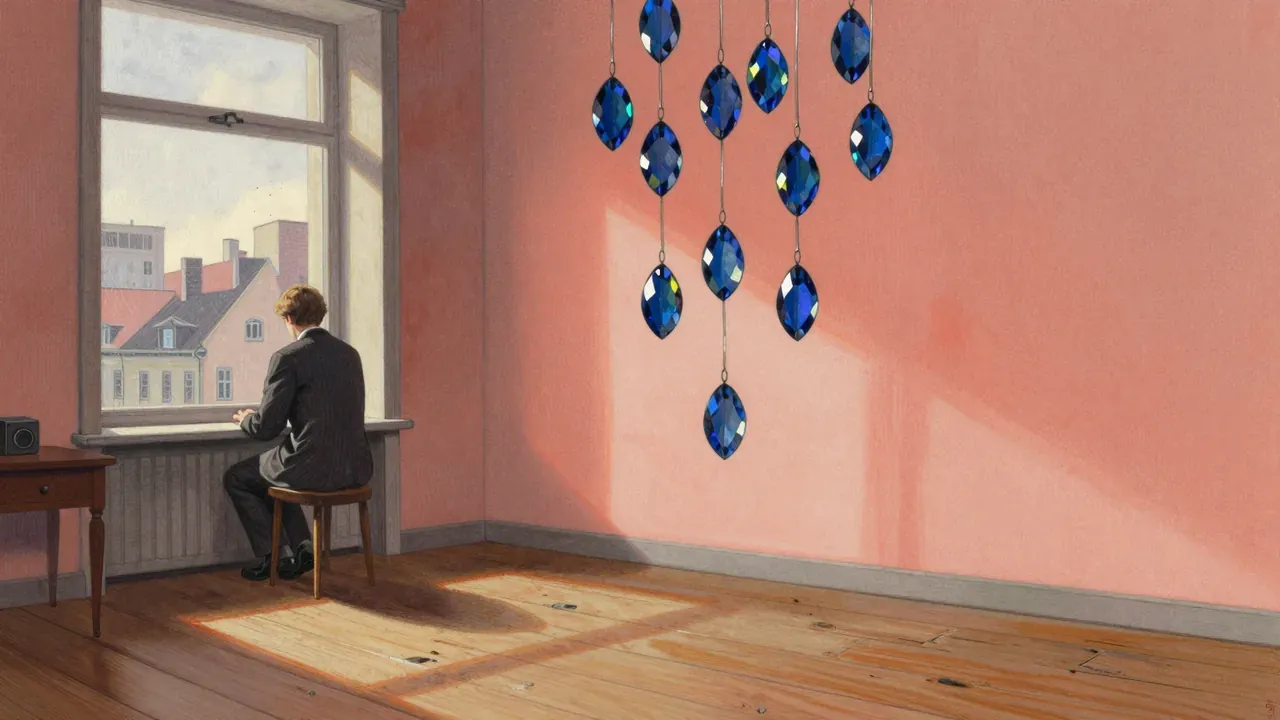
Three Colours: Blue

Krzysztof Kieślowski · 1993

Krzysztof Kieślowski’s 1993 drama follows Julie (Juliette Binoche), a woman who attempts total emotional seclusion after losing her husband and daughter. Shot in Paris with deliberate blue tonality and scored by Zbigniew Preisner, the film traces her reluctant return to connection — not as recovery, but as re-embodiment. It is the first part of the Three Colours trilogy, themed on liberty, equality, and fraternity, with Blue interrogating liberty as an internal, not political, state.

13:00

Three Colours: Red

Krzysztof Kieślowski · 1994

Krzysztof Kieślowski’s final film closes the Three Colours trilogy with a precise, unhurried study of connection. A Geneva student and a reclusive retired judge form an unlikely bond, their lives echoing those of others around them — through chance, repetition, and quiet moral choice. Shot by Piotr Sobociński and scored by Zbigniew Preisner, it treats fraternity not as unity but as the slow, uncertain recognition of shared humanity. Universally acclaimed, it remains a benchmark of arthouse discipline: every frame serves its architecture, every silence carries weight.

13:00

Hero

Zhang Yimou · 2002

Zhang Yimou’s 2002 Hero uses competing narratives and strict chromatic divisions — red, blue, white, green, black — to explore how truth is shaped by perspective and authority. Starring Jet Li, Tony Leung and Maggie Cheung, and shot by Christopher Doyle with a score by Tan Dun, it reframes the wuxia genre as a formal investigation into storytelling itself: who tells, who believes, and what gets erased in the name of peace.

13:00

Shadow

Zhang Yimou · 2018

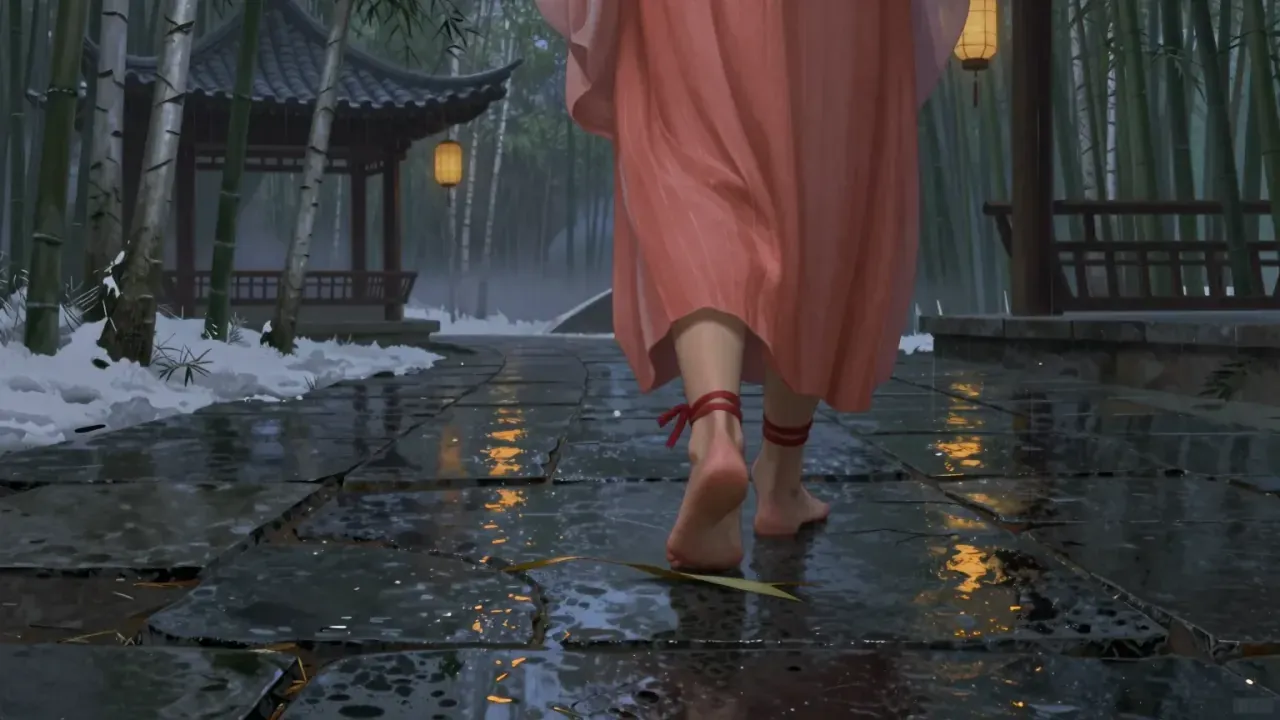
Zhang Yimou’s Shadow is a 2018 Chinese wuxia film shot in near-monochrome to emulate classical ink painting. Deng Chao plays both a wounded general and his decoy, Jingzhou, who must impersonate him to reclaim a lost territory. Set against rain-dampened courts and mist-shrouded duels, the film prioritises visual cohesion and philosophical combat over exposition or emotional catharsis. Zhao Xiaoding’s cinematography and the deliberate, yin-inflected fight choreography anchor its formal ambition.

13:00

The Tales of Hoffmann

Michael Powell, Emeric Pressburger · 1951

Michael Powell and Emeric Pressburger’s 1951 Technicolor opera film transcribes Offenbach’s score into pure cinematic language—no dialogue, only sung text, stylised movement, symbolic colour and deliberately artificial sets. Framed by Hoffmann’s drunken recollection, three tales (Olympia, Giulietta, Antonia) unfold as tonal variations on obsession, each governed by a dominant hue and choreographed to Sir Thomas Beecham’s conducting. It is less a story about love than a demonstration of how film can function like music: through repetition, contrast, texture and timing.

13:00

Cries and Whispers

Ingmar Bergman · 1972

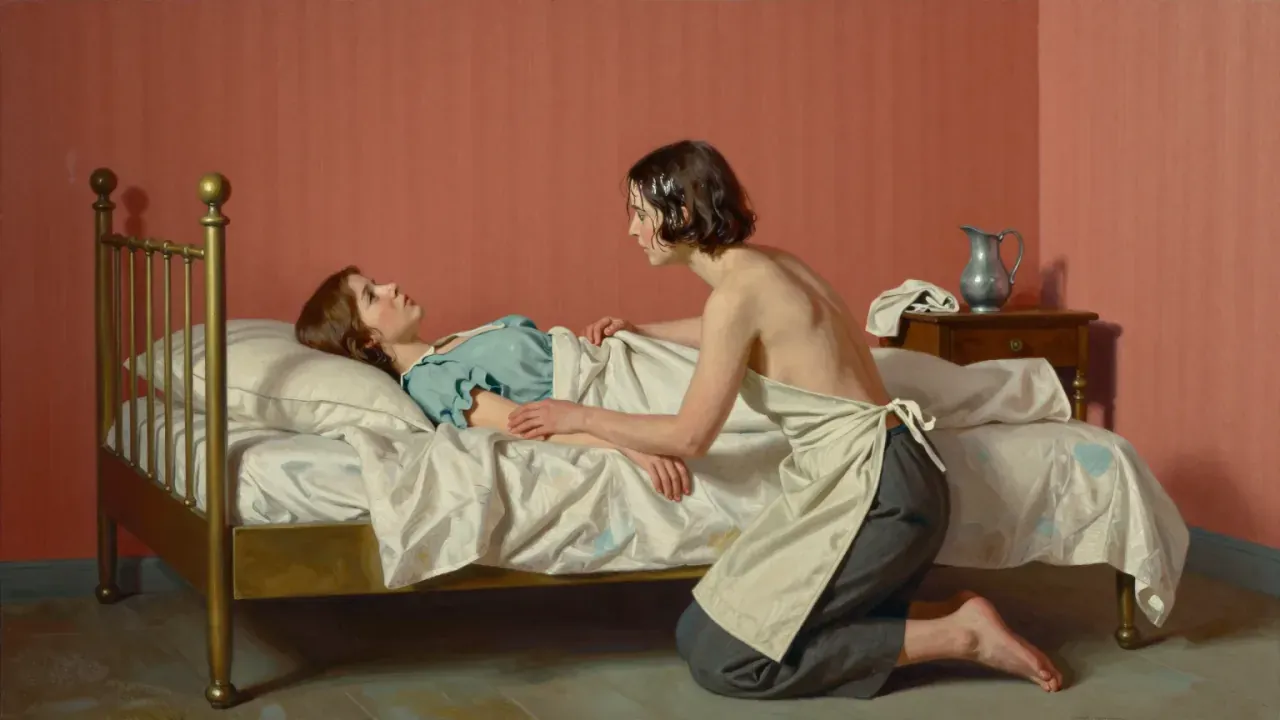
Ingmar Bergman’s 1972 Cries and Whispers is a formally rigorous Swedish drama set in a red-walled 19th-century mansion, where three sisters and a maid attend to Agnes as she dies of cancer. Shot by Sven Nykvist in saturated colour, it prioritises gesture, texture and duration over exposition or psychology, treating grief, faith and intimacy as bodily, not verbal, conditions. It won the Academy Award for Best Cinematography and remains a benchmark of arthouse restraint.

13:00

Gate of Hell

Teinosuke Kinugasa · 1953

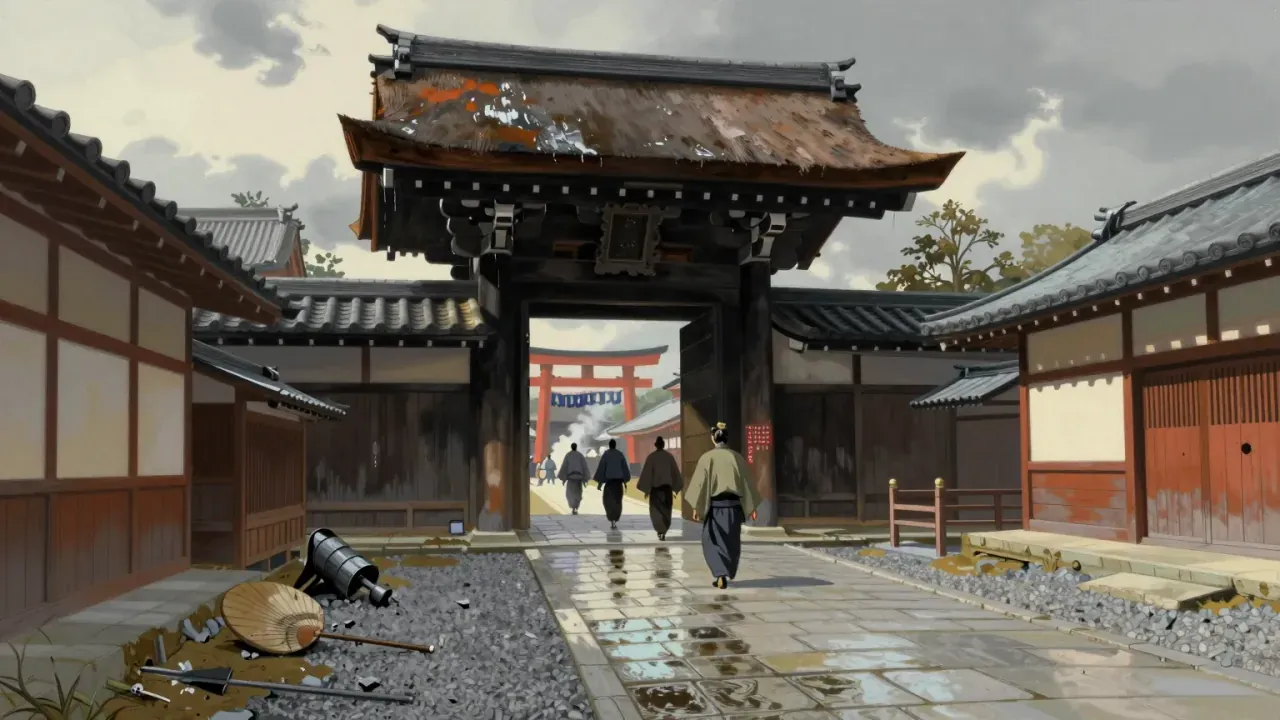
Teinosuke Kinugasa’s Gate of Hell (1953) is a Japanese period drama set during the Heiji Rebellion, following a samurai’s fatal obsession with a married woman he rescues. Filmed in Eastmancolor — Daiei’s first colour production — it uses extreme formal control to dramatise the collapse of honour, duty and self-restraint. With performances of studied stillness and a visual language rooted in lacquer, silk and shadow, it builds dread through repetition and omission rather than exposition or climax. It won the Grand Prize at Cannes, an Academy Honorary Award for Best Foreign Language Film, and the Oscar for Best Costume Design, Color.

13:00

House of Flying Daggers

Zhang Yimou · 2004

Zhang Yimou’s 2004 wuxia fantasy House of Flying Daggers uses Tang dynasty rebellion as a framework for choreographed spectacle. Shot across Ukraine and China, it foregrounds Zhao Xiaoding’s saturated cinematography, Zhang Ziyi’s physically precise performance as a blind dancer, and Shigeru Umebayashi’s textural score. Its strengths lie in rhythmic editing, deliberate colour symbolism and the physical grammar of its fight sequences — not in narrative coherence or psychological depth. Though nominated for Best Cinematography at the Academy Awards, it prioritises sensory immersion over storytelling resolution.

13:00

Red Desert

Michelangelo Antonioni · 1964

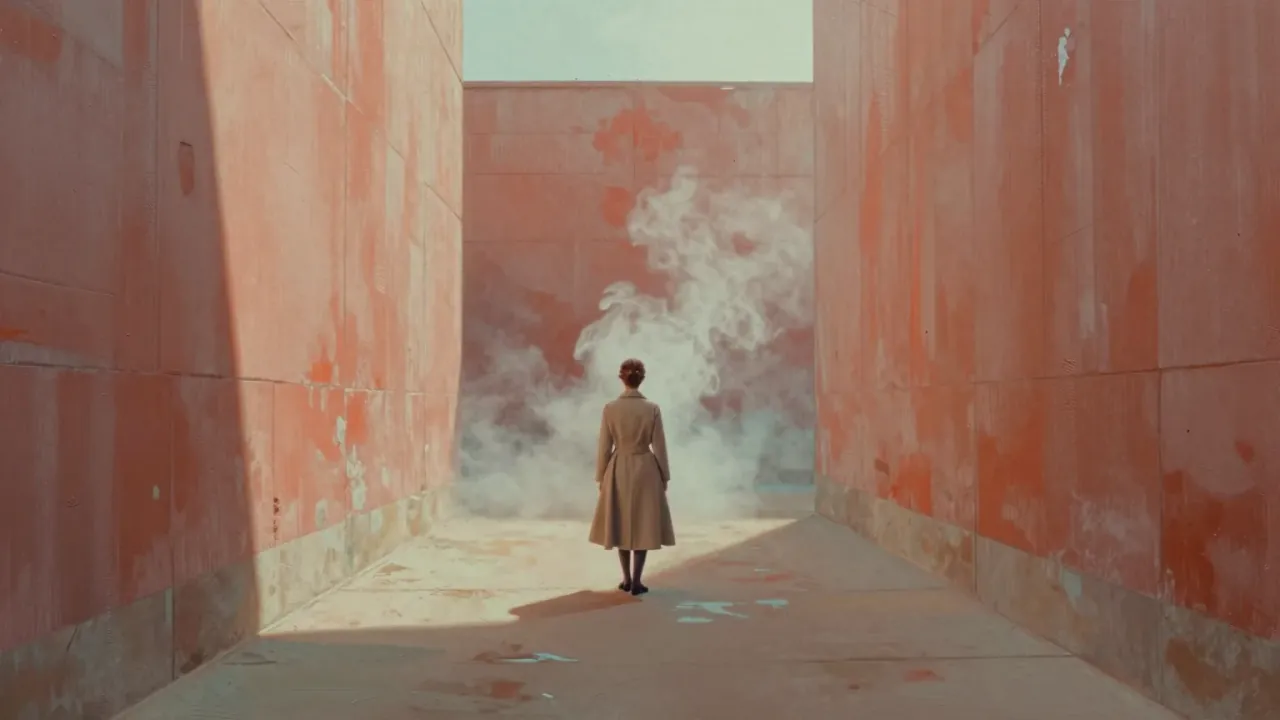
Michelangelo Antonioni’s 1964 colour debut follows Giuliana, a woman adrift in the industrial landscape of post-war Ravenna. Shot by Carlo Di Palma and starring Monica Vitti, it renders her disorientation not through exposition but through manipulated hues, flattened perspectives and layered industrial sound. A Golden Lion winner, it resists diagnosis, preferring to make perception itself the subject.

13:00

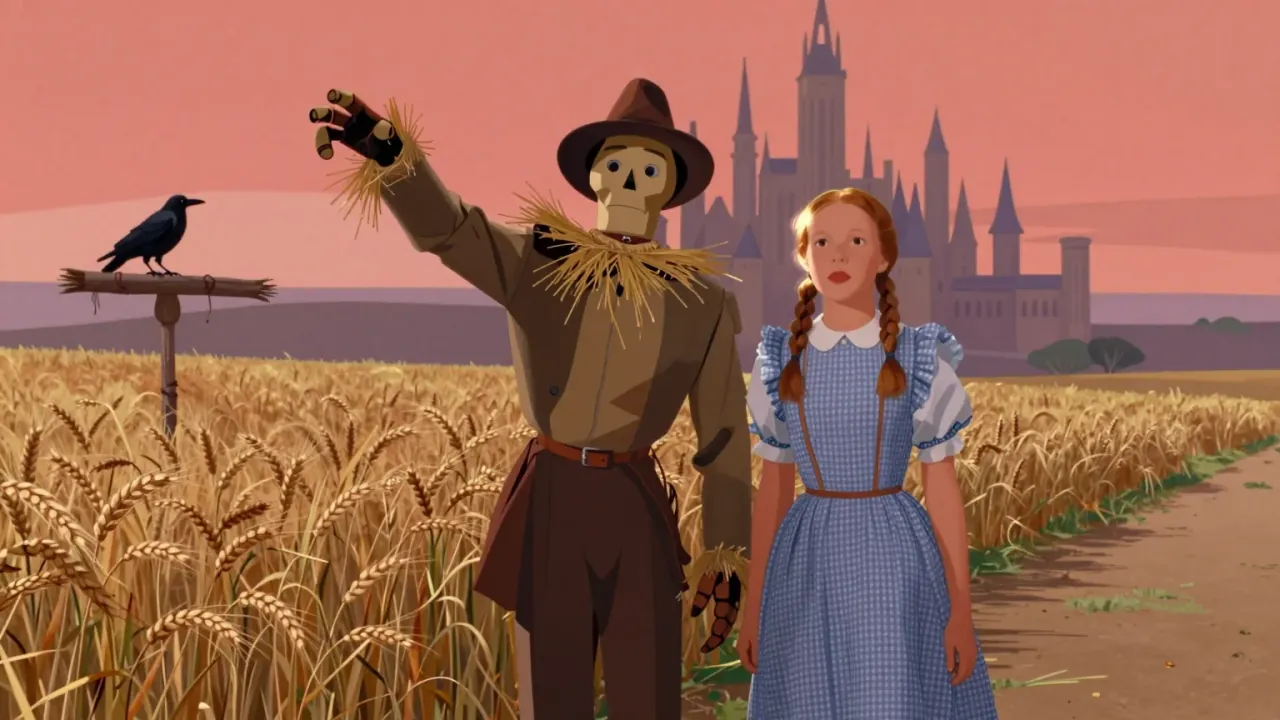
The Wizard of Oz

Victor Fleming, King Vidor · 1939

The Wizard of Oz (1939) is a Metro-Goldwyn-Mayer musical fantasy directed primarily by Victor Fleming, adapted from L. Frank Baum’s novel. Starring Judy Garland, it follows Dorothy’s journey from Kansas to Oz and back, using three-strip Technicolor, integrated song, and character-driven performance to explore competence, belonging, and self-recognition. Though framed as a dream, its power lies in the consistency of its emotional logic and the precision of its craft — from Harold Rosson’s cinematography to Harold Arlen’s score. It remains culturally central not as myth but as a sustained demonstration of how form and feeling can be made inseparable.