filmbriefs
Topic

Architecture

The art everyone has to live inside.

13
in film
13:00
average
169 min
in total
165
across the network
Architecture across the network →
All briefs13
13:00

A Master Builder

Jonathan Demme · 2013

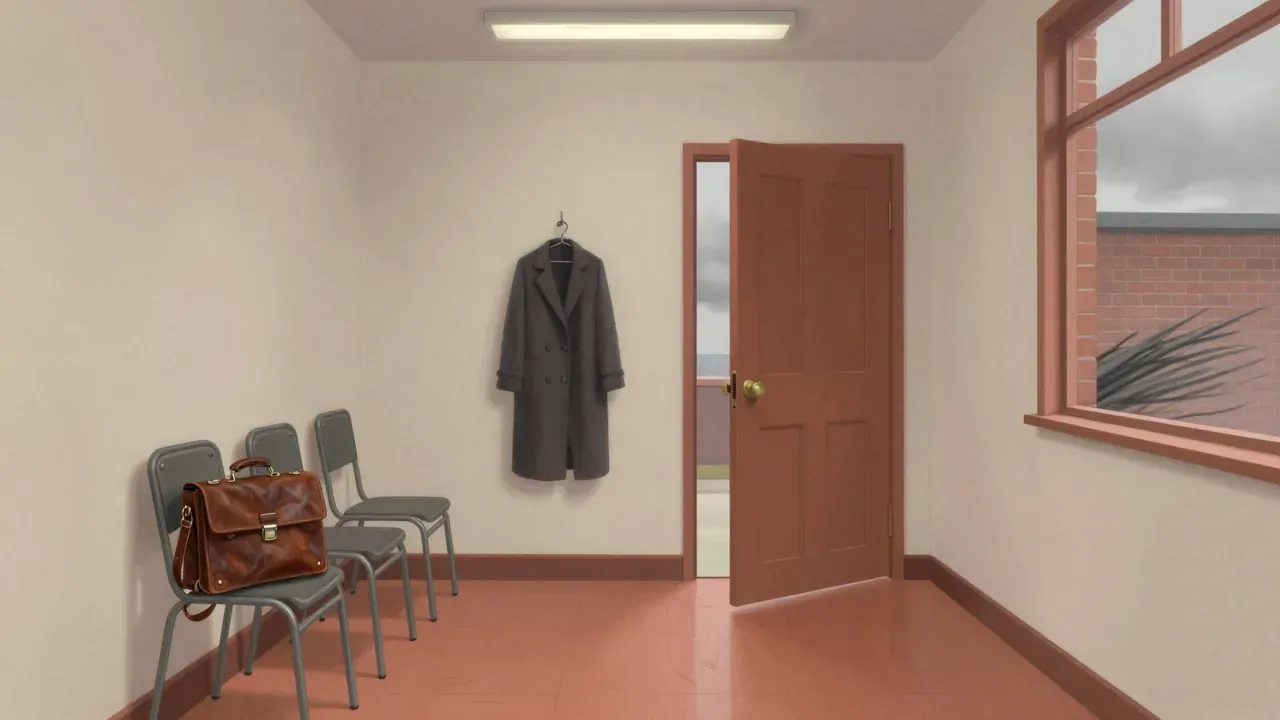
Jonathan Demme’s 2013 film A Master Builder adapts Ibsen’s play into a tightly contained, single-set drama starring Wallace Shawn as the ageing architect Halvard Solness. With Declan Quinn’s restrained cinematography and Tim Squyres’ unhurried editing, it foregrounds language, pause and presence over action or spectacle. Julie Hagerty and Lisa Joyce deliver precise, understated performances that deepen the film’s study of memory, guilt and the slow collapse of authority. Though its formal austerity divides opinion, it remains a rare and committed act of textual fidelity — demanding, quiet, and morally unblinking.
13:00

Antonio Gaudi

Hiroshi Teshigahara · 1984

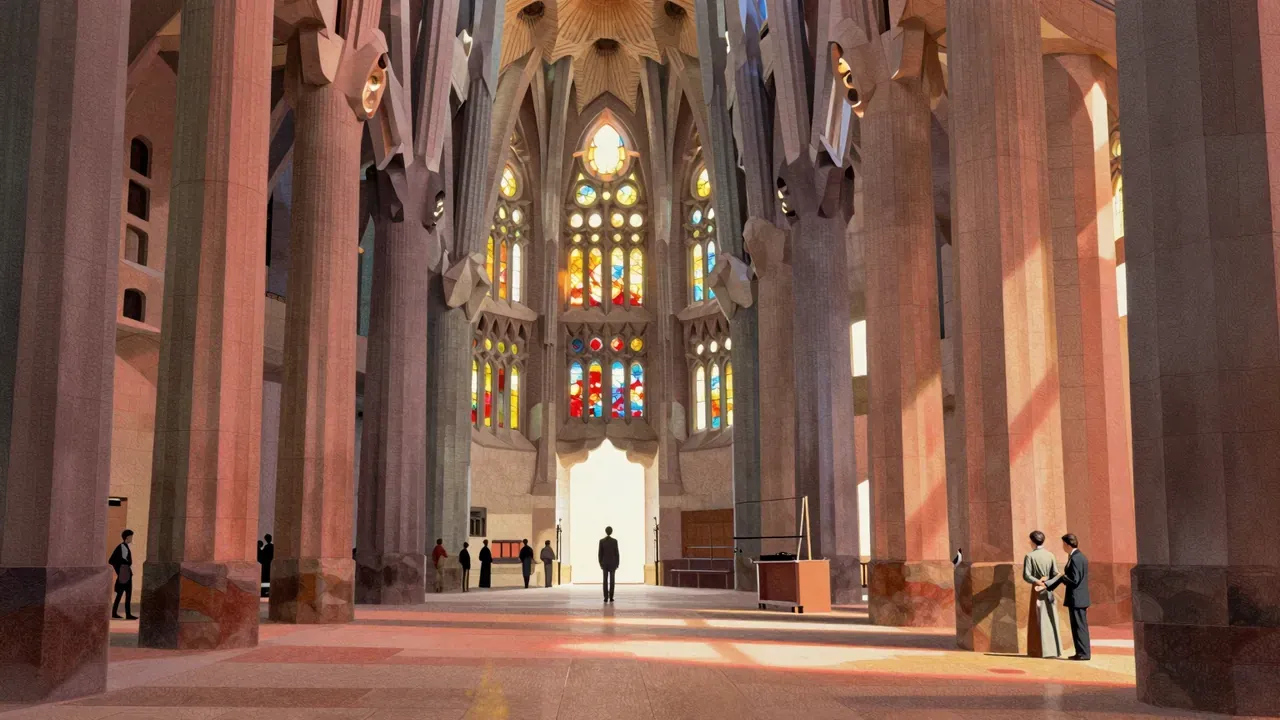
Hiroshi Teshigahara’s 1984 documentary Antonio Gaudi is a wordless, immersive study of Antoni Gaudí’s architecture in Barcelona. Shot in Spanish but produced in Japan, it uses sustained camera movement, deliberate pacing, and Toru Takemitsu’s evocative score to foreground the physical presence of buildings like the Sagrada Família and Park Güell — avoiding biography, history, or explanation entirely.

13:00

Certain Women

Kelly Reichardt · 2016

Kelly Reichardt’s 2016 triptych adapts three Maile Meloy stories set in Montana, following a lawyer, a builder’s wife and a ranch hand as they navigate quiet crises of agency, expectation and connection. Shot by Christopher Blauvelt and edited by Reichardt, it uses precise framing, location sound and deliberate pacing to explore how law, geography and gender shape ordinary lives — without exposition, score or resolution.

13:00

Hôtel Monterey

Chantal Akerman · 1972

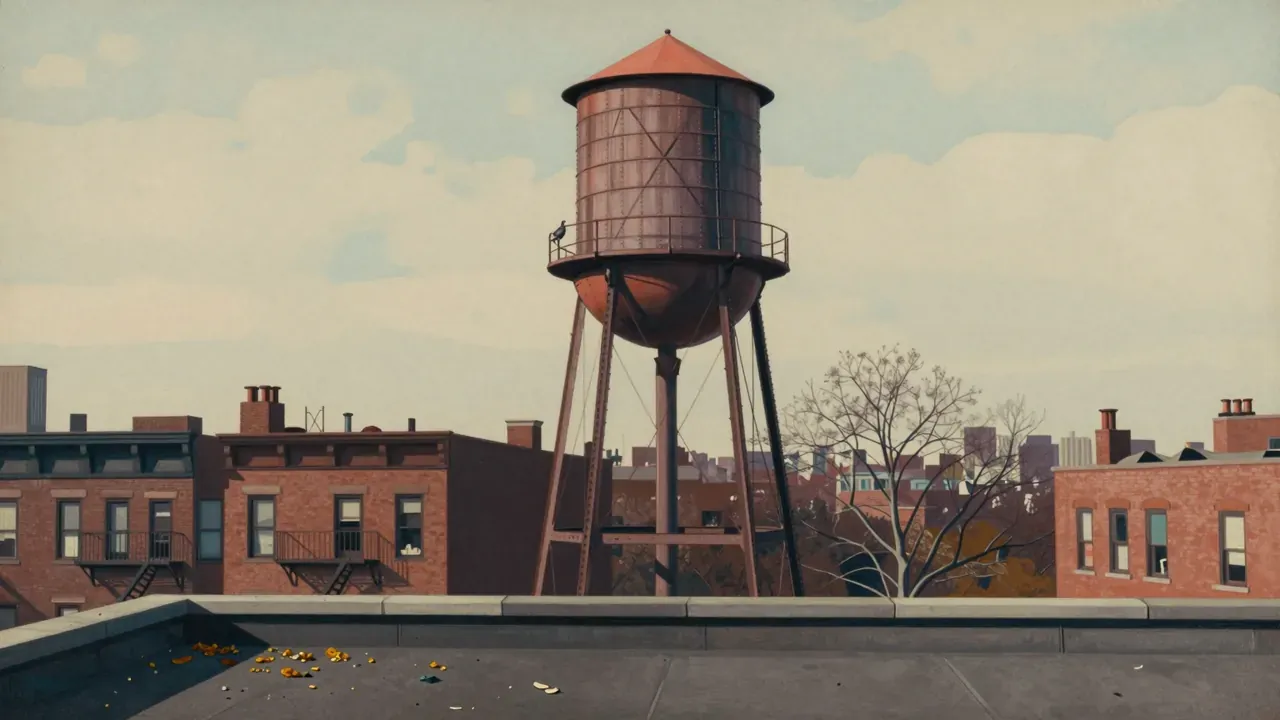
Chantal Akerman’s 1972 debut feature is a silent, sixty-five-minute documentary shot in fixed long takes inside New York’s Hotel Monterey. With Babette Mangolte’s precise cinematography, it maps the building’s corridors, rooms and roof without narration, music or commentary — treating architecture as a sequence of visual propositions about time, space and perception.

13:00

Mon Oncle

Jacques Tati · 1958

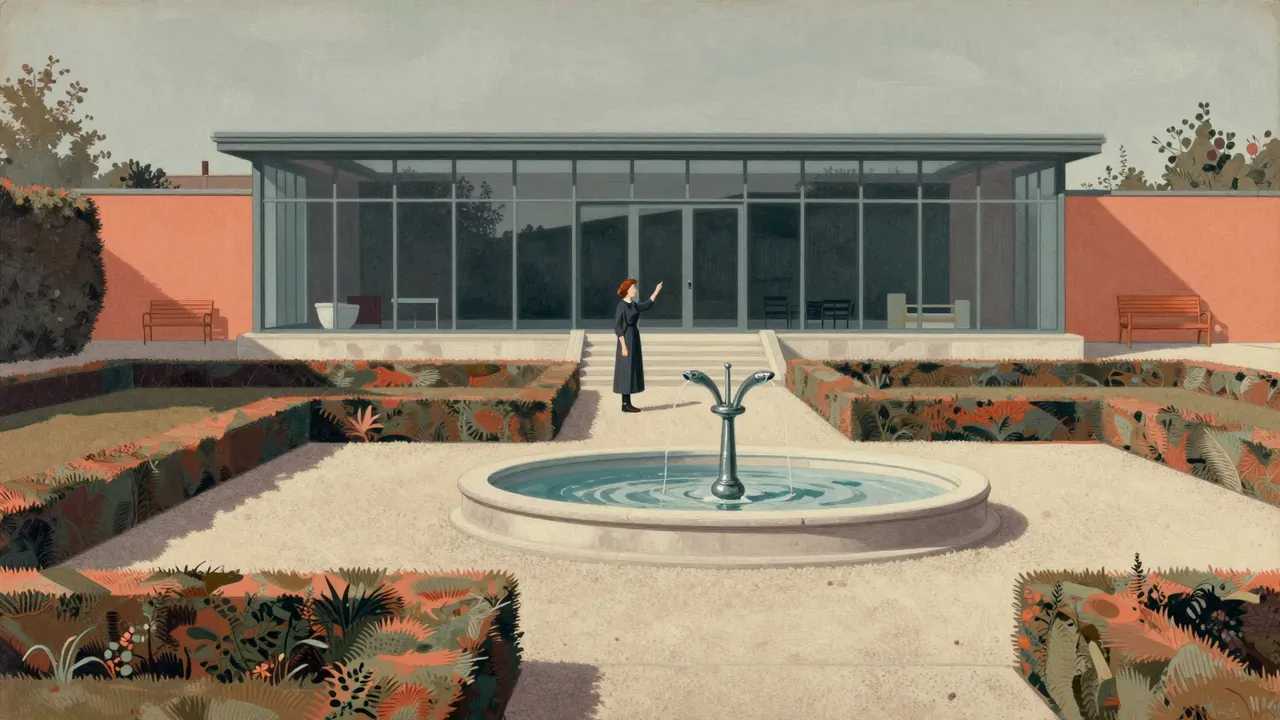
Jacques Tati’s Mon Oncle (1958) is a colour comedy set in postwar France, contrasting the sterile geometry of a modernist villa with the worn textures of an old Paris neighbourhood. Starring Tati as the amiable, unmoored Monsieur Hulot, the film uses choreographed movement, precise sound design and architectural detail — not dialogue — to explore how design, automation and consumerism reshape human behaviour and relationships.

13:00

Playtime

Jacques Tati · 1967

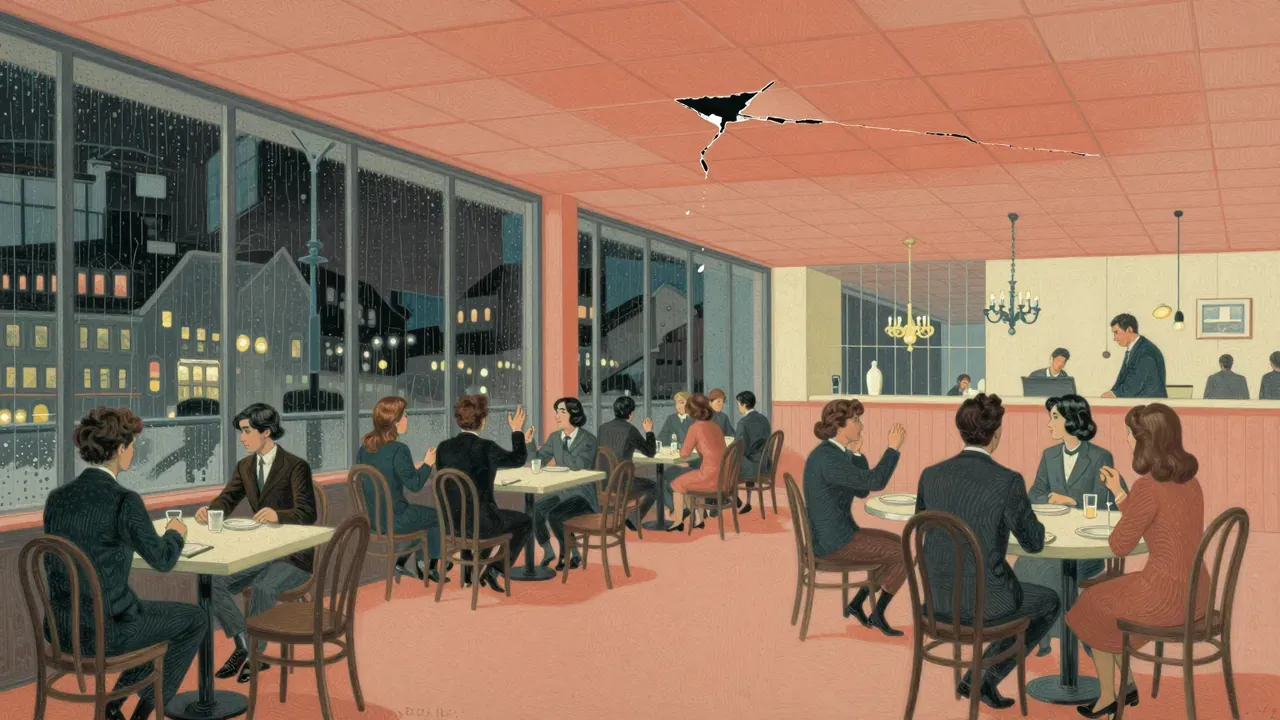
Jacques Tati’s 1967 film Playtime is a meticulously constructed satirical comedy set on a vast, purpose-built 70 mm stage. It follows Monsieur Hulot and an American tourist, Barbara, across six architecturally defined sequences — airport, offices, trade fair, apartments, restaurant, roundabout — using movement, sound and colour to explore how modern design conditions human behaviour. With minimal dialogue, no close-ups and a near-monochrome palette punctuated by deliberate accents of red and green, it privileges spatial logic over narrative. Though commercially disastrous on release, it is now regarded as a landmark of arthouse cinema.

13:00

The King of Marvin Gardens

Bob Rafelson · 1972

The King of Marvin Gardens (1972) follows depressive Philadelphia radio host David Staebler as he visits his charismatic, scheming brother Jason in a decaying Atlantic City. Against the backdrop of soon-to-be-demolished hotels, Jason pitches a Hawaiian casino venture while tensions mount among the four adults sharing his suite. László Kovács’ muted cinematography and Bob Rafelson’s unhurried direction treat delusion as routine, not crisis — making this a film less about plot than about the weight of unfulfilled promise, both personal and architectural.

13:00

Columbus

Kogonada · 2017

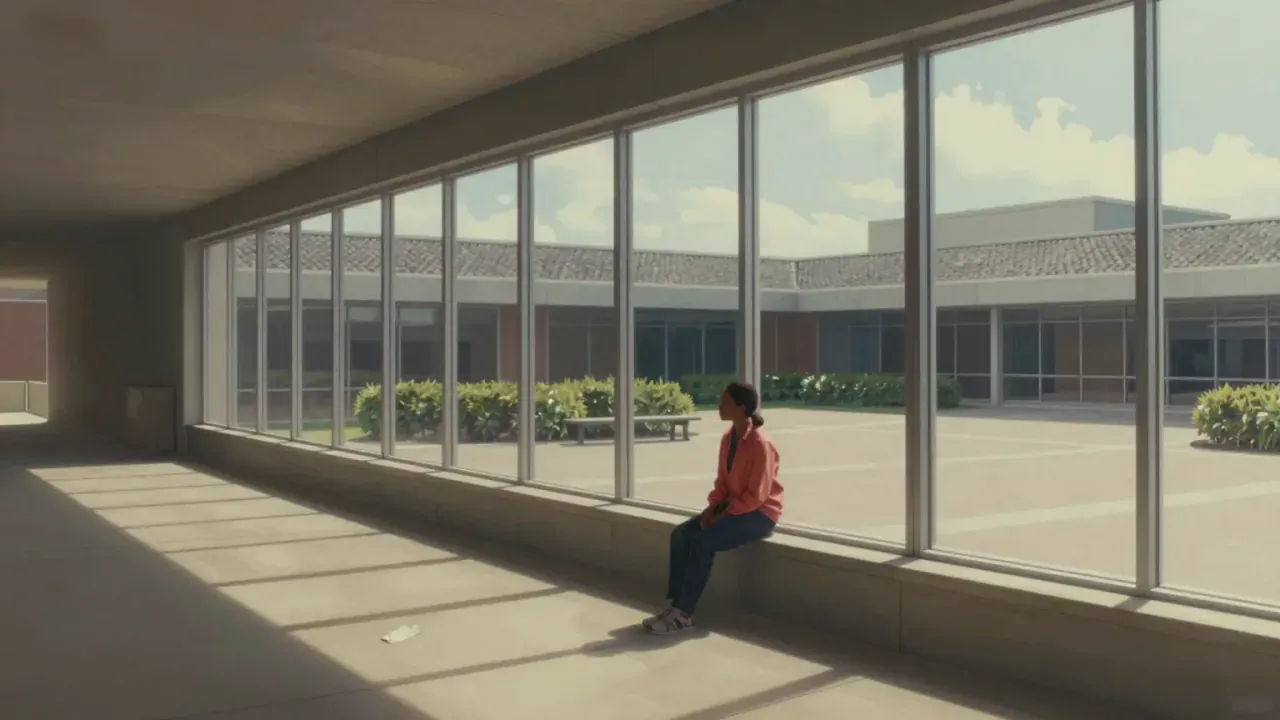
A Korean-American translator and a young architecture enthusiast meet in Columbus, Indiana, and spend several days walking among its landmark Modernist buildings. Their conversations about design gradually open onto unspoken grief, filial duty, and the quiet courage of choosing oneself. Kogonada’s debut is composed with architectural rigour: still, precise, attentive to negative space, and anchored by restrained, deeply felt performances from John Cho and Haley Lu Richardson.

13:00

A Ghost Story

David Lowery · 2017

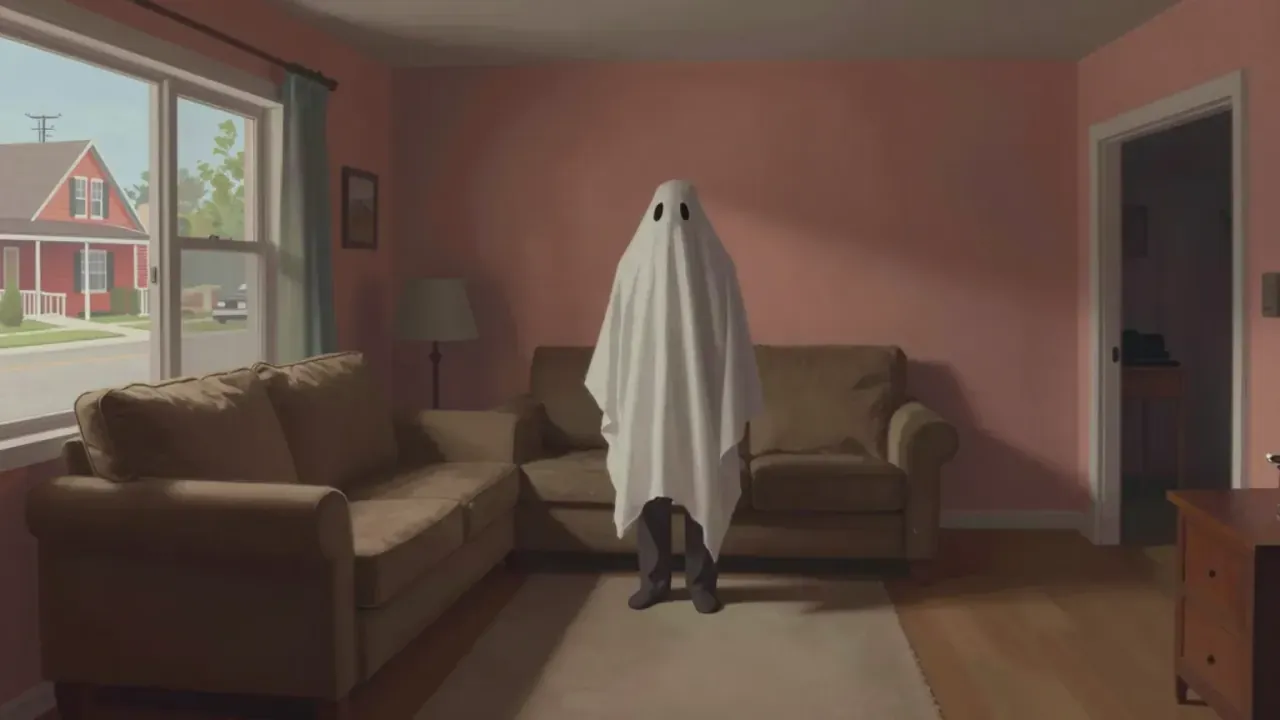
David Lowery’s A Ghost Story (2017) follows a sheet-draped ghost — played by Casey Affleck — who remains in the house he shared with his wife (Rooney Mara) after his death. Shot in 1.33:1, with minimal dialogue and long, static takes, the film observes decades of human life, loss and renewal within a single domestic space. It is a formally precise, emotionally resonant meditation on memory, materiality and deep time — not a supernatural story, but a structural poem about what endures when people do not.

13:00

Café Lumière

Hou Hsiao-Hsien · 2004

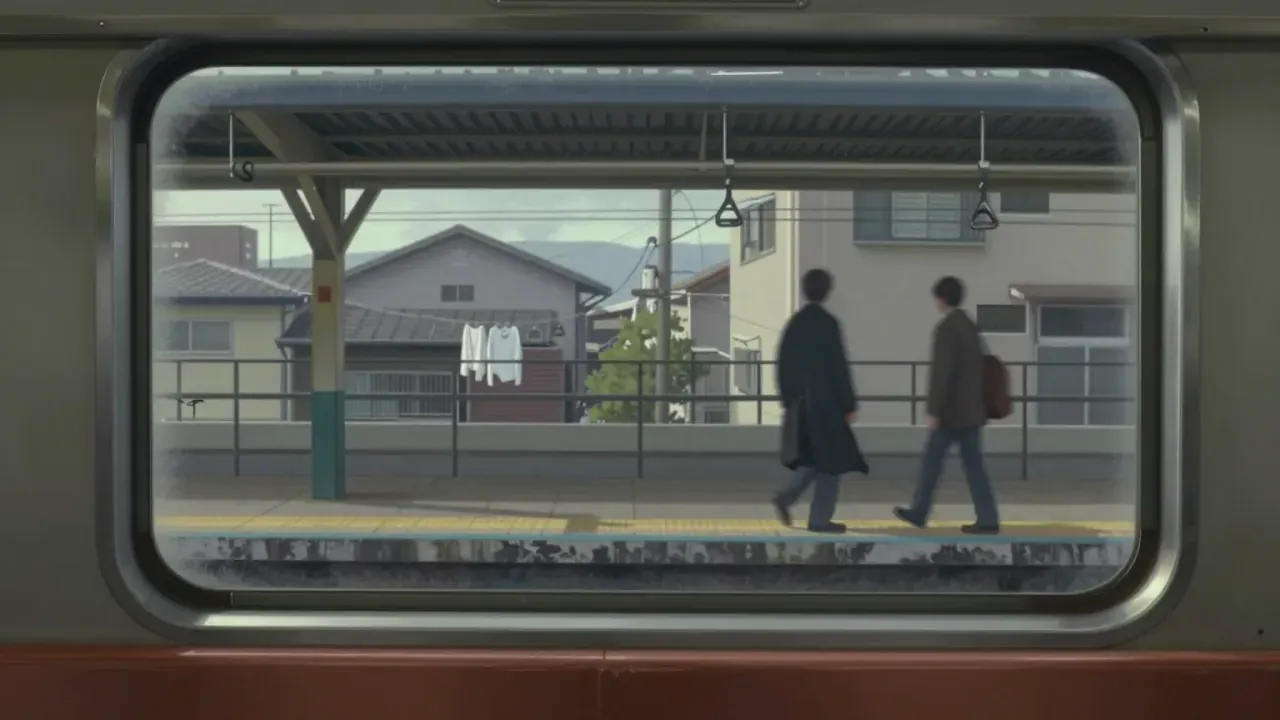
Café Lumière is Hou Hsiao-Hsien’s 2004 Japanese-language drama, commissioned by Shochiku as an Ozu homage. Shot in Tokyo with an all-Japanese cast, it follows Yoko Inoue’s quiet research into composer Jiang Wen-Ye. Mark Lee Ping Bin’s cinematography and Yōsui Inoue’s score support a film built on long takes, architectural framing, and ambient observation — not plot, but presence. It values duration, texture, and understatement over exposition or emotional climax.

13:00

Metropolis

Fritz Lang · 1927

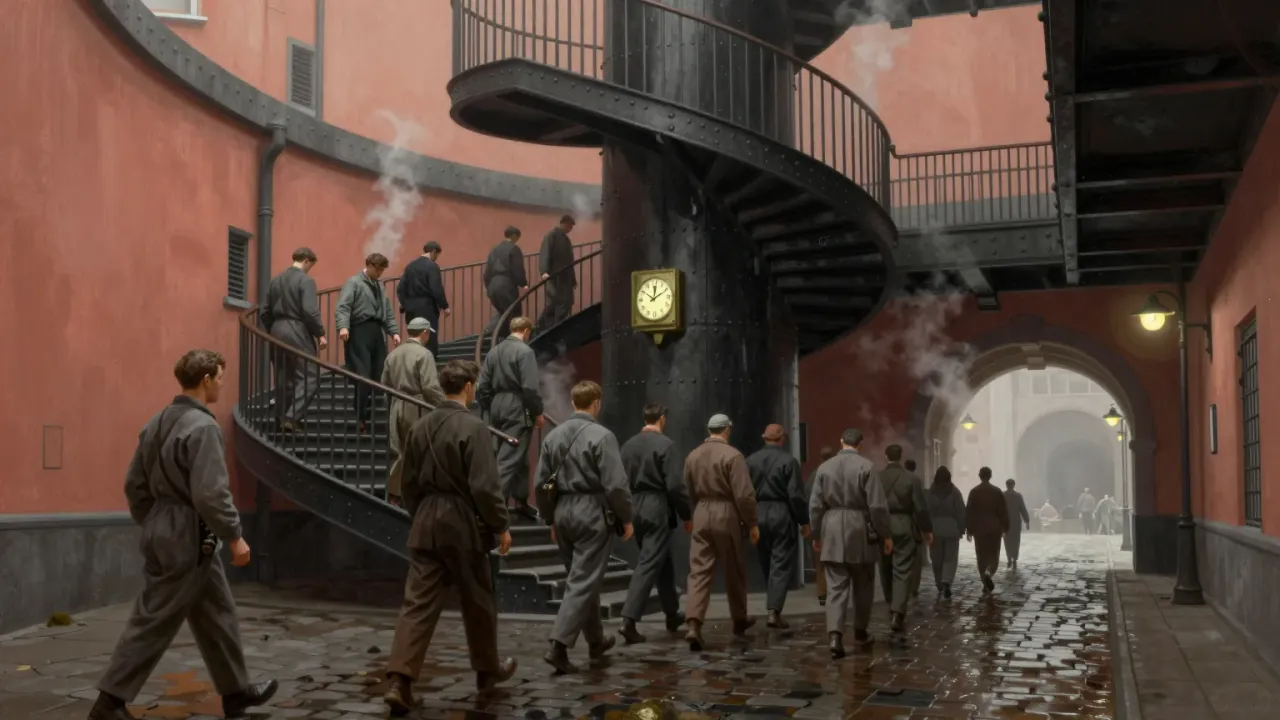
Fritz Lang’s 1927 silent science-fiction film Metropolis stages class division as vertical geography — elites above, workers below — using expressionist design, pioneering special effects, and gruelling physical production. Its moral is stated plainly: 'The Mediator Between the Head and the Hands Must Be the Heart.' Though criticised then and since for schematic politics and narrative naivety, its formal authority, spatial imagination, and material intensity make it foundational. The 2010 restoration recovers nearly all of Lang’s original cut.

13:00

Red Desert

Michelangelo Antonioni · 1964

Michelangelo Antonioni’s 1964 colour debut follows Giuliana, a woman adrift in the industrial landscape of post-war Ravenna. Shot by Carlo Di Palma and starring Monica Vitti, it renders her disorientation not through exposition but through manipulated hues, flattened perspectives and layered industrial sound. A Golden Lion winner, it resists diagnosis, preferring to make perception itself the subject.

13:00

The Cabinet of Dr. Caligari

Robert Wiene · 1920

A 1920 German silent film directed by Robert Wiene, written by Hans Janowitz and Carl Mayer, and designed by Hermann Warm, Walter Reimann and Walter Röhrig. It tells of a hypnotist and his somnambulist through a fractured frame story, using radically distorted sets, high-contrast lighting and stylised performance to argue against irrational authority. Made at Babelsberg Studio, it remains foundational to expressionist cinema, horror and arthouse film.