filmbriefs
Topic

Modernism

The break with the past, executed with total confidence.

10
in film
13:00
average
130 min
in total
63
across the network
Modernism across the network →
All briefs10
13:00

Antonio Gaudi

Hiroshi Teshigahara · 1984

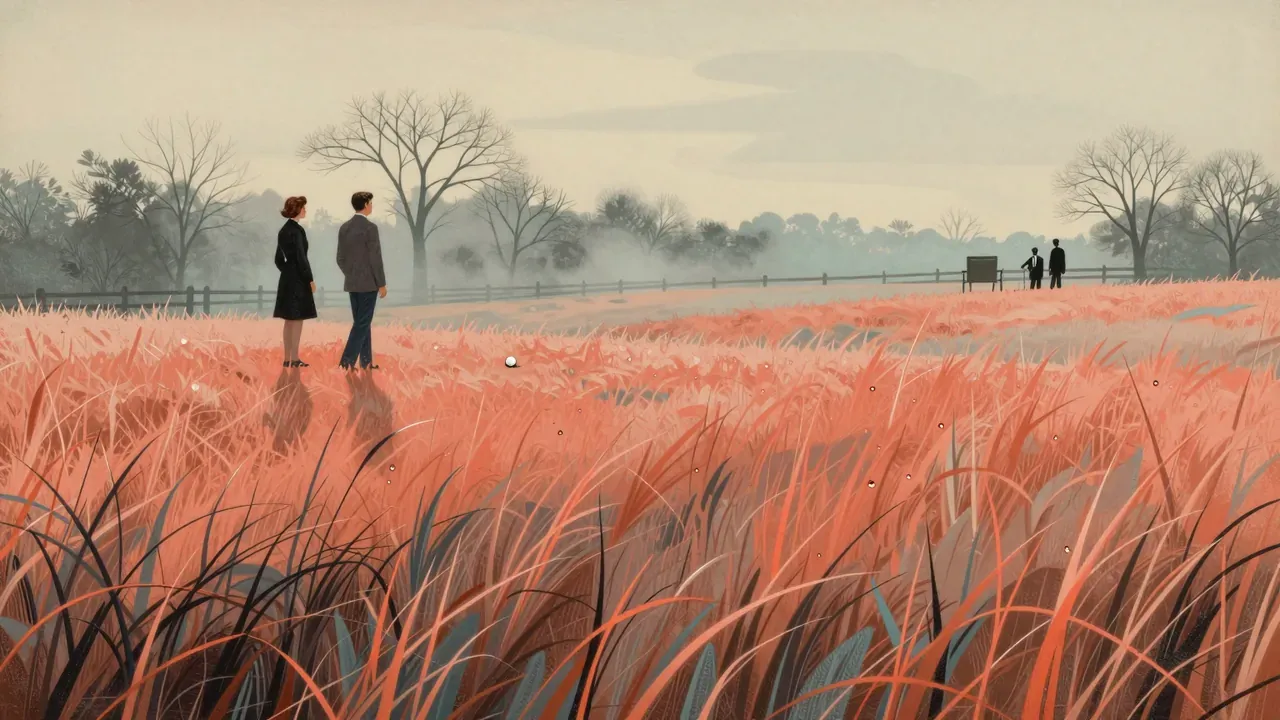
Hiroshi Teshigahara’s 1984 documentary Antonio Gaudi is a wordless, immersive study of Antoni Gaudí’s architecture in Barcelona. Shot in Spanish but produced in Japan, it uses sustained camera movement, deliberate pacing, and Toru Takemitsu’s evocative score to foreground the physical presence of buildings like the Sagrada Família and Park Güell — avoiding biography, history, or explanation entirely.
13:00

Journey to Italy

Roberto Rossellini · 1954

Roberto Rossellini’s 1954 Journey to Italy follows an English couple drifting through Naples, their marriage fraying in silence. With Ingrid Bergman and George Sanders, it abandons plot for duration, psychology for texture, and exposition for atmosphere. Its influence on the French New Wave and modernist cinema is profound — not because it tells a story well, but because it stops trying to tell one at all.

13:00

La Notte

Michelangelo Antonioni · 1961

Michelangelo Antonioni’s 1961 drama follows a novelist and his wife across one day and night in Milan, observing their emotional detachment without exposition or resolution. Shot by Gianni Di Venanzo and scored by Giorgio Gaslini, it relies on composition, silence, and sustained takes to render modern isolation as a physical condition. Winner of the Golden Bear at Berlin, it forms the central film of Antonioni’s 'Trilogy of Incommunicability'.

13:00

Playtime

Jacques Tati · 1967

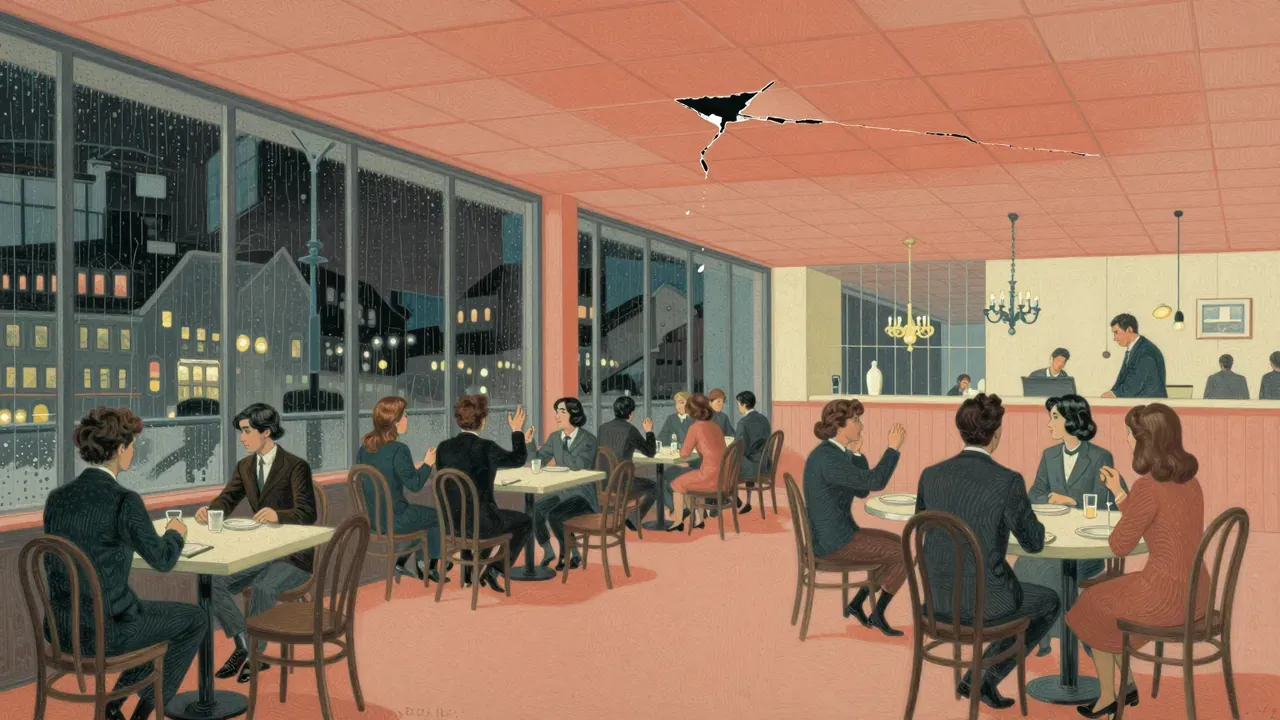
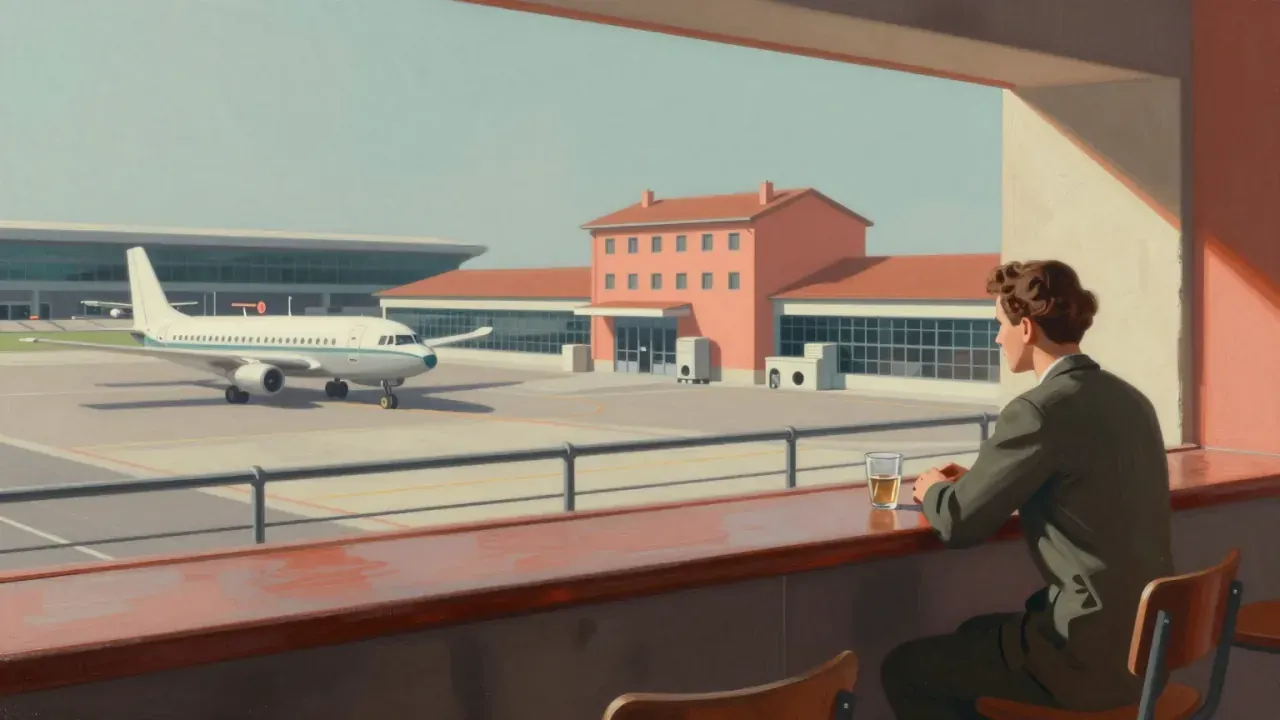
Jacques Tati’s 1967 film Playtime is a meticulously constructed satirical comedy set on a vast, purpose-built 70 mm stage. It follows Monsieur Hulot and an American tourist, Barbara, across six architecturally defined sequences — airport, offices, trade fair, apartments, restaurant, roundabout — using movement, sound and colour to explore how modern design conditions human behaviour. With minimal dialogue, no close-ups and a near-monochrome palette punctuated by deliberate accents of red and green, it privileges spatial logic over narrative. Though commercially disastrous on release, it is now regarded as a landmark of arthouse cinema.

13:00

Columbus

Kogonada · 2017

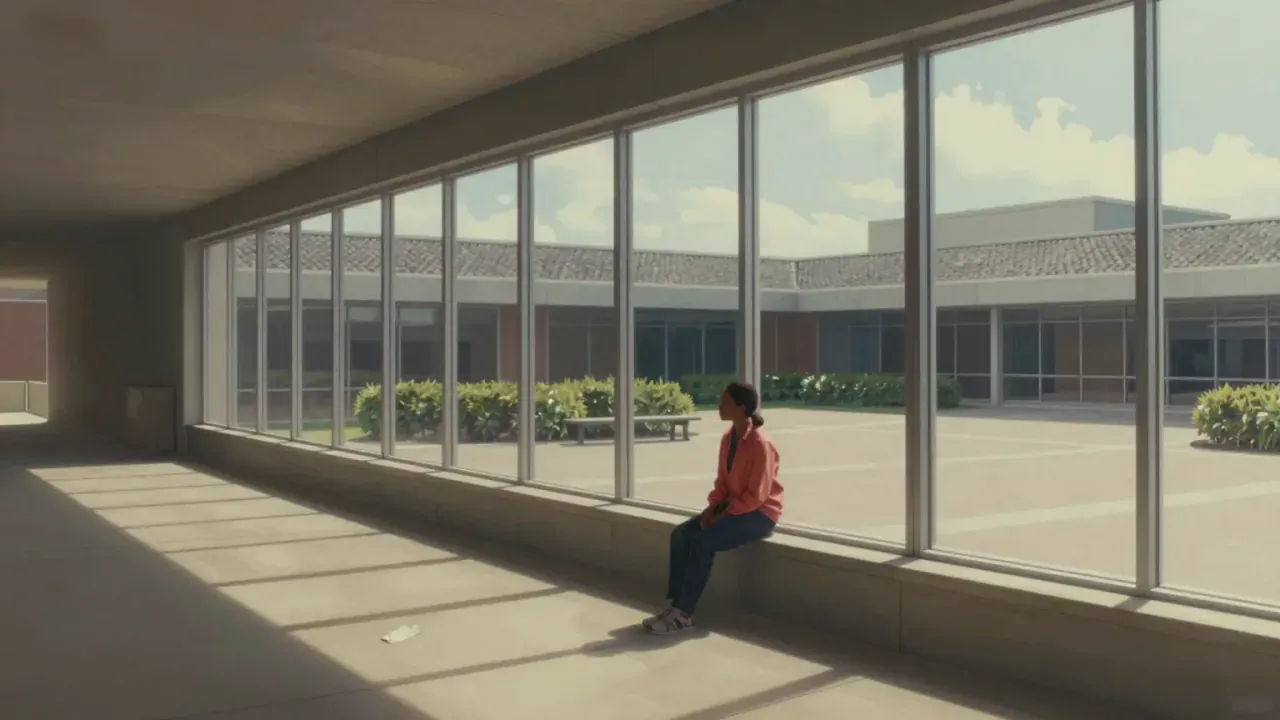
A Korean-American translator and a young architecture enthusiast meet in Columbus, Indiana, and spend several days walking among its landmark Modernist buildings. Their conversations about design gradually open onto unspoken grief, filial duty, and the quiet courage of choosing oneself. Kogonada’s debut is composed with architectural rigour: still, precise, attentive to negative space, and anchored by restrained, deeply felt performances from John Cho and Haley Lu Richardson.

13:00

L'Avventura

Michelangelo Antonioni · 1960

Michelangelo Antonioni’s 1960 drama L'Avventura follows the aftermath of a woman’s disappearance during a Mediterranean yachting trip. Rather than pursuing mystery or motive, it lingers in the emotional drift of those left behind — particularly Sandro and Claudia — using long takes, austere compositions, and restrained performances to explore alienation, moral inertia, and the quiet collapse of shared meaning. Shot on location across Sicily and the Aeolian Islands under difficult conditions, it marked a turning point in arthouse cinema and remains a benchmark for formal rigour and emotional precision.

13:00

Man with a Movie Camera

Dziga Vertov · 1929

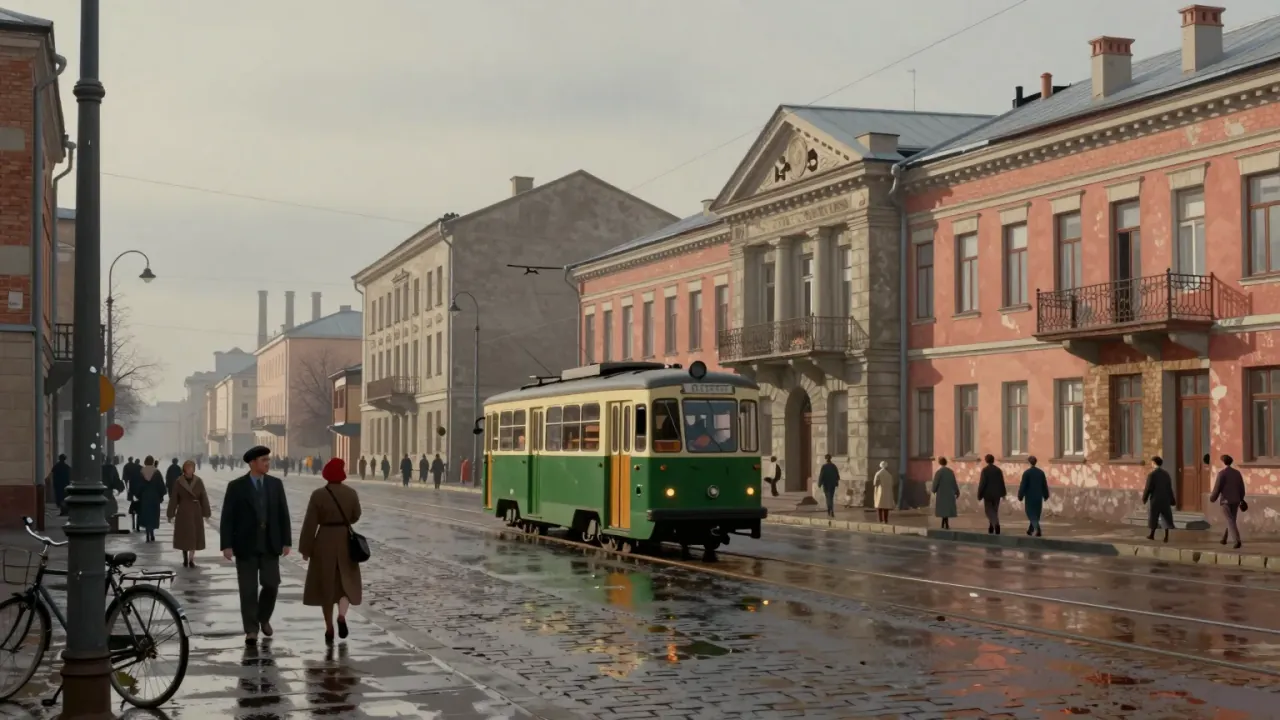
Man with a Movie Camera (1929) is a Soviet silent documentary directed by Dziga Vertov, filmed by Mikhail Kaufman and edited by Vertov and Yelizaveta Svilova. Shot across Moscow, Kiev, Kharkov and Odessa, it presents urban life through radical montage, self-reflexive technique and zero intertitles — aiming to forge a pure cinematic language. With over 1,775 shots in 68 minutes, it remains a foundational essay-film on perception, machinery and the modern city.

13:00

A Married Woman

Jean-Luc Godard · 1964

Jean-Luc Godard’s 1964 film follows Charlotte, a married woman navigating infidelity, pregnancy, and consumer culture in early-1960s Paris. Shot by Raoul Coutard in stark black-and-white, it uses fragmentation, repetition, and deliberate juxtaposition — of Holocaust testimony and fashion ads, Beethoven and pop songs — to examine how identity is shaped by advertising, memory, and political history. Censored on release for its title and sexual content, it remains a rigorous, unsentimental inquiry into the infrastructure of everyday life.

13:00

Fantasia

James Algar, Samuel Armstrong, Ford Beebe Jr., Norm Ferguson · 1940

Fantasia sets eight animated sequences to classical pieces conducted by Leopold Stokowski, introduced on screen by critic Deems Taylor, ranging from abstract shapes moving to Bach to dancing hippos set to Ponchielli. It began as The Sorcerer's Apprentice, a Mickey Mouse vehicle whose spiralling budget only made sense as part of something larger; Disney and RCA built a pioneering multi-speaker sound system, Fantasound, specifically to give the film's roadshow release a sound quality no cinema of 1940 otherwise offered.

13:00

La Dolce Vita

Federico Fellini · 1960

Federico Fellini's 1960 portrait of a tabloid journalist drifting through Rome's high society over a week of nights gave the world the word paparazzi and became both a critical landmark and a box-office hit despite censors in several countries. Marcello Mastroianni anchors an episodic structure built around parties, a starlet's arrival, and a friend's unexplained despair, shot largely at Cinecittà on Piero Gherardi's elaborate sets.