filmbriefs
Topic

Improvisation

Composing in public, without a net.

12
in film
13:00
average
156 min
in total
249
across the network
Improvisation across the network →
All briefs12
13:00

A Poem Is A Naked Person

Les Blank · 1974

Les Blank’s 1974 documentary A Poem Is a Naked Person spent forty years unreleased, emerging only after his death. Shot over two years at Leon Russell’s Oklahoma studio, it avoids biography in favour of immersive texture: rehearsals, murals painted in drained pools, lakeside light, and unscripted encounters. Its power lies in sustained attention, not exposition — a film that treats music, place, and personality as inseparable elements of a single, breathing world.
13:00

Beyond the Law

Norman Mailer · 1968

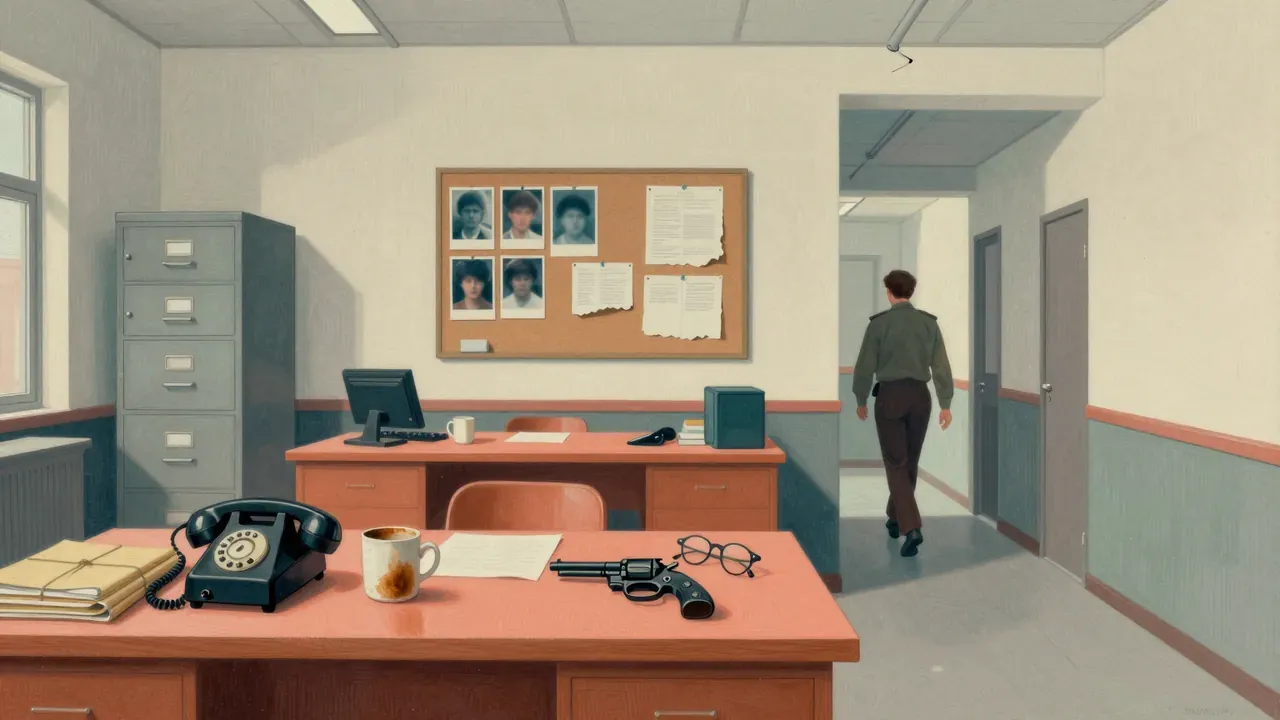
Norman Mailer’s 1968 film is a self-financed, largely unscripted experiment set over one night in a Manhattan police station, following detectives and suspects through interrogations, lineups, and personal fallout. Shot with three crews over four nights, it uses improvisation to probe the psychological and ethical continuities between law enforcement and criminality — a theme Mailer pursued across his writing. Though technically rough and narratively diffuse, its rawness serves its purpose: to show power not as policy but as habit, posture, and proximity.

13:00

Dazed and Confused

Richard Linklater · 1993

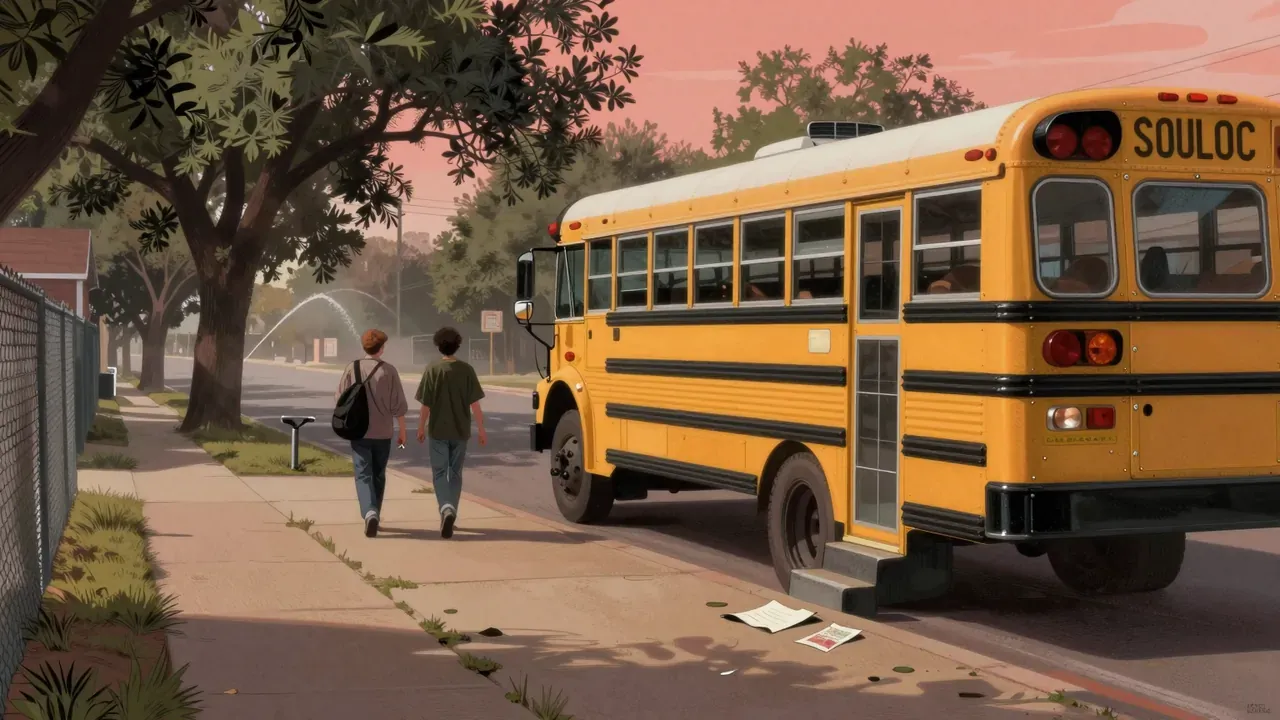
Richard Linklater’s 1993 ensemble comedy follows a group of Texas teenagers on the last day of school in 1976. With no central plot or protagonist, it builds meaning through accumulation: hazing rituals, car cruises, pool-hall loitering, and overlapping conversations. Shot on location in Austin with an ensemble of then-unknown actors, it prioritises texture over narrative, using Lee Daniel’s naturalistic cinematography, Alan Silvestri’s diegetic-heavy score, and improvised performances to evoke adolescent stasis rather than growth. Though commercially muted on release, it has since become a defining cult film of the 1990s.

13:00

Elevator to the Gallows

Louis Malle · 1958

Louis Malle’s 1958 debut follows two parallel failures: a meticulously planned murder undone by a forgotten rope, and a casual theft escalating to murder through chance and misreading. Shot in stark black-and-white by Henri Decaë and scored in a single improvised session by Miles Davis, it builds dread through duration, light and silence rather than exposition or climax. Jeanne Moreau’s breakthrough performance anchors a film less about guilt than about the physics of consequence.

13:00

Love Affair

Leo McCarey · 1939

Leo McCarey’s 1939 Love Affair follows French painter Michel Marnet and American singer Terry McKay, who meet aboard an ocean liner, acknowledge mutual attraction, and part with a promise to reunite in six months — only for accident and silence to intervene. Starring Charles Boyer and Irene Dunne, it is a studio-era drama of quiet precision: restrained performances, unhurried pacing, and a structure that treats time, obligation and visibility as central concerns. Though hampered by Production Code compromises and occasional narrative convenience, its emotional weight resides in what is withheld, not spoken.

13:00

Maidstone

Norman Mailer · 1970

Norman Mailer’s 1970 independent film Maidstone stars him as a narcissistic filmmaker-politician shooting a brothel drama on his East Hampton estate. Shot over five days with no script, handheld cameras, and improvised performances — including a real, bloody fight with Rip Torn — it attempts a radical critique of media, power and ego. Its ambition is structural: to make authority visible by dismantling control. But its execution exposes the limits of that vision — especially in its treatment of women and race. Though obscure for decades, it remains a singular, uncomfortable artefact of late-1960s American cultural crisis.

13:00

Nashville

Robert Altman · 1975

Robert Altman’s 1975 ensemble film follows twenty-four characters in the Nashville music industry over five days, culminating in a political rally and an unexplained assassination. Built from Joan Tewkesbury’s ethnographically grounded script and shot on location with overlapping dialogue and diegetic music, it treats fame, race, and populism as systems rather than subjects — observing more than judging, accumulating more than resolving.

13:00

Round Midnight

Bertrand Tavernier · 1986

Bertrand Tavernier’s 1986 film follows American saxophonist Dale Turner (Dexter Gordon) as he seeks refuge from addiction in 1950s Paris, aided by a devoted French graphic designer (François Cluzet). Built around live jazz performances and anchored by Gordon’s restrained, deeply embodied performance, the film avoids biopic clichés to explore endurance, care, and the untranslatable language of music. Shot in Paris and New York, with a score by Herbie Hancock, it won the Academy Award for Best Original Score and was named one of the year’s top ten films by the National Board of Review.

13:00

Thelonious Monk: Straight, No Chaser

Charlotte Zwerin · 1988

Charlotte Zwerin’s 1988 documentary assembles rediscovered 1967 footage of Thelonious Monk in performance, rehearsal, and daily life, supplemented by interviews with collaborators and family. Produced by Clint Eastwood’s Malpaso Productions, it avoids narration and chronology in favour of sustained, intimate observation — capturing Monk’s physicality, discipline, and reserve with unprecedented fidelity. Selected for the National Film Registry in 2017, it remains the definitive visual record of the pianist at work.

13:00

This Is Spinal Tap

Rob Reiner · 1984

This Is Spinal Tap (1984) is a mockumentary following the faltering US tour of a fictional British heavy metal band. Directed by Rob Reiner and improvised by Christopher Guest, Michael McKean and Harry Shearer, it satirises rock pretension, documentary hagiography and institutional incompetence — not through parody, but through sustained, deadpan observation. Shot on 16mm in vérité style, it builds comedy from logistical failure, miscommunication and unshaken self-belief. Its influence on the mockumentary form is foundational; its cultural longevity rests on its precision, not its punchlines.

13:00

Wild 90

Norman Mailer · 1968

Norman Mailer’s Wild 90 (1968) is a black-and-white, 16mm experimental film shot over four nights in a Lower Manhattan apartment. Mailer, Mickey Knox, and Buzz Farbar improvise as gangster avatars, armed with props and liquor, their dialogue unscripted and heavily profane. D. A. Pennebaker’s cinematography is direct and unadorned; a technical flaw left a quarter of the soundtrack muffled — a choice Mailer preserved. Edited from 150 minutes to 90, the film rejects narrative, polish, and coherence in favour of raw, durational performance. Critically panned on release, it stands as a singular, abrasive document of Mailer’s cinematic ambition — less a story than a test of attention.

13:00

Shadows

John Cassavetes · 1958

John Cassavetes’s 1958 debut is a foundational American independent film shot on 16mm in New York with non-professional actors. It traces two weeks in the lives of three Black siblings — two struggling jazz musicians and their light-skinned sister — as she navigates relationships across racial lines. Made for $40,000 with no script, no permits, and improvised performances guided by situation rather than dialogue, it privileges gesture, silence, and rhythmic editing over exposition. Though technically rough and narratively elliptical, its enduring power lies in its unwavering commitment to emotional truth over dramatic convenience.