filmbriefs
Topic

The First World War

The war that ended the nineteenth century, four years late.

13
in film
13:00
average
169 min
in total
39
across the network
The First World War across the network →
All briefs13
13:00

And the Ship Sails On

Federico Fellini · 1983

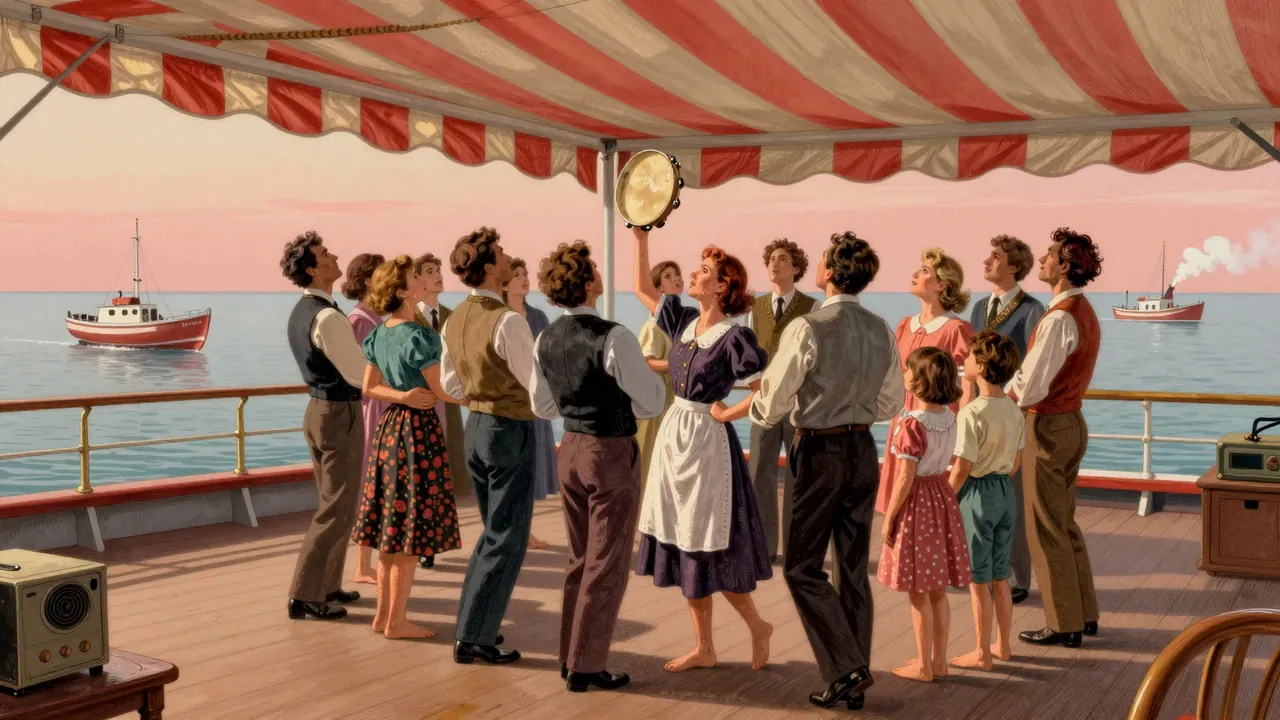
Set aboard the luxury liner Gloria N. in July 1914, Federico Fellini’s And the Ship Sails On follows a funeral voyage to scatter the ashes of a legendary opera singer. Through journalist Orlando’s wry narration, the film assembles a gallery of caricatured aristocrats, artists, and dignitaries — all performing grief, status, and obsession aboard a vessel that doubles as a stage, museum, and mausoleum. Giuseppe Rotunno’s cinematography and Dante Ferretti’s sets sustain a lush, theatrical artifice, while Gianfranco Plenizio’s score underscores the film’s blend of grandeur and gentle absurdity. The voyage ends not with resolution but with sinking — literal and metaphorical — as the ship founders amid cannon fire and butterflies.
13:00

Dishonored

Josef von Sternberg · 1931

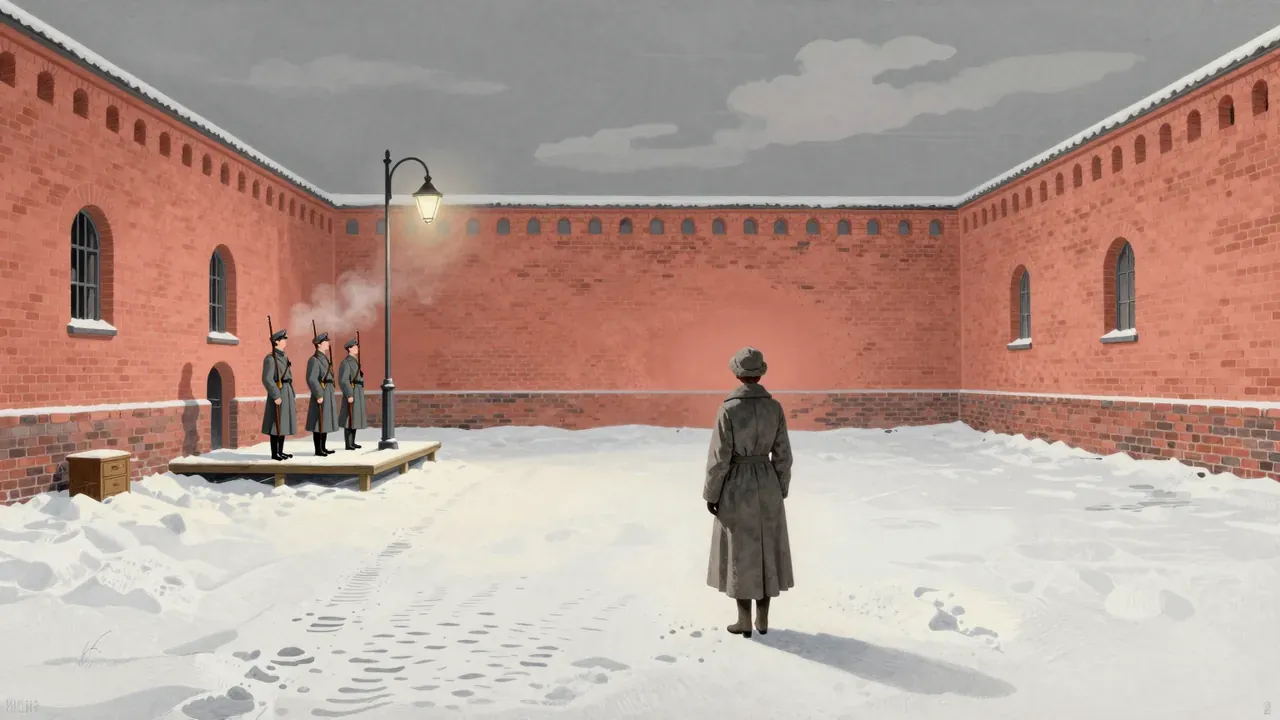
A 1931 Paramount drama directed by Josef von Sternberg, starring Marlene Dietrich as Marie Kolverer, a Viennese pianist turned secret agent whose loyalty, love, and eventual execution unfold with stark visual discipline and minimal exposition. Lee Garmes’ cinematography and Travis Banton’s costumes anchor a film less concerned with espionage mechanics than with dignity in extremis.

13:00

Hell's Angels

Howard Hughes, James Whale, Edmund Goulding · 1930

A 1930 American war film directed by Howard Hughes, James Whale, and Edmund Goulding, Hell’s Angels follows two British brothers in the Royal Flying Corps during the First World War. Originally shot silent, it was converted to sound mid-production, replacing lead actress Greta Nissen with Jean Harlow. Its aerial combat sequences — filmed with over 130 pilots, multiple fatalities, and Hughes’s own crash — remain landmark achievements in early sound and stunt coordination. Though narratively uneven and thematically thin, its technical ambition and material history make it a singular artifact of Hollywood’s transitional decade.

13:00

La Grande Illusion

Jean Renoir · 1937

La Grande Illusion (1937), directed by Jean Renoir, follows French officers imprisoned in German camps during the First World War. Through restrained performances, unadorned cinematography, and a structure built on observation rather than action, it explores how class, nationality, and personal dignity persist — and sometimes collapse — under pressure. Its enduring power lies not in grand statements but in quiet, specific moments: a shared meal, a sung anthem, a winter refuge, a final, reluctant shot.

13:00

Loving Couples

Mai Zetterling · 1964

A 1964 Swedish drama following three women — a maid, a tenant’s wife, and an heiress — whose intersecting lives converge at a maternity hospital in August 1914. Structured through restrained flashbacks and anchored by Sven Nykvist’s precise cinematography, it examines class, consent, and bodily autonomy in the shadow of impending war and modernisation.

13:00

The Curious Case of Benjamin Button

David Fincher · 2008

David Fincher’s 2008 romance follows Brad Pitt’s Benjamin Button, a man who ages in reverse, across eighty years of American history. Adapted from F. Scott Fitzgerald’s 1922 short story by Eric Roth and Robin Swicord, it anchors its fantastical premise in tactile realism — weathered interiors, precise period detail, and restrained performances. Though praised for its production design, makeup, and visual effects — all Oscar-winning — its emotional core rests in the quiet, asymmetrical love between Benjamin and Cate Blanchett’s Daisy. The film’s 166-minute runtime demands patience, rewarding it with sustained mood and material honesty rather than narrative surprise.

13:00

Westfront 1918

Georg Wilhelm Pabst · 1930

Georg Wilhelm Pabst’s 1930 German sound film Westfront 1918 follows four infantrymen on the Western Front in the final months of the First World War. Shot with documentary restraint and pioneering live trench audio, it depicts war as cumulative exhaustion rather than heroic action. Its power lies in physical detail — mud, collapsed trenches, field hospitals in ruined churches — not plot or character revelation. Banned by the Nazis as 'cowardly defeatism', it remains a key work of Weimar realism.

13:00

Wooden Crosses

Raymond Bernard · 1932

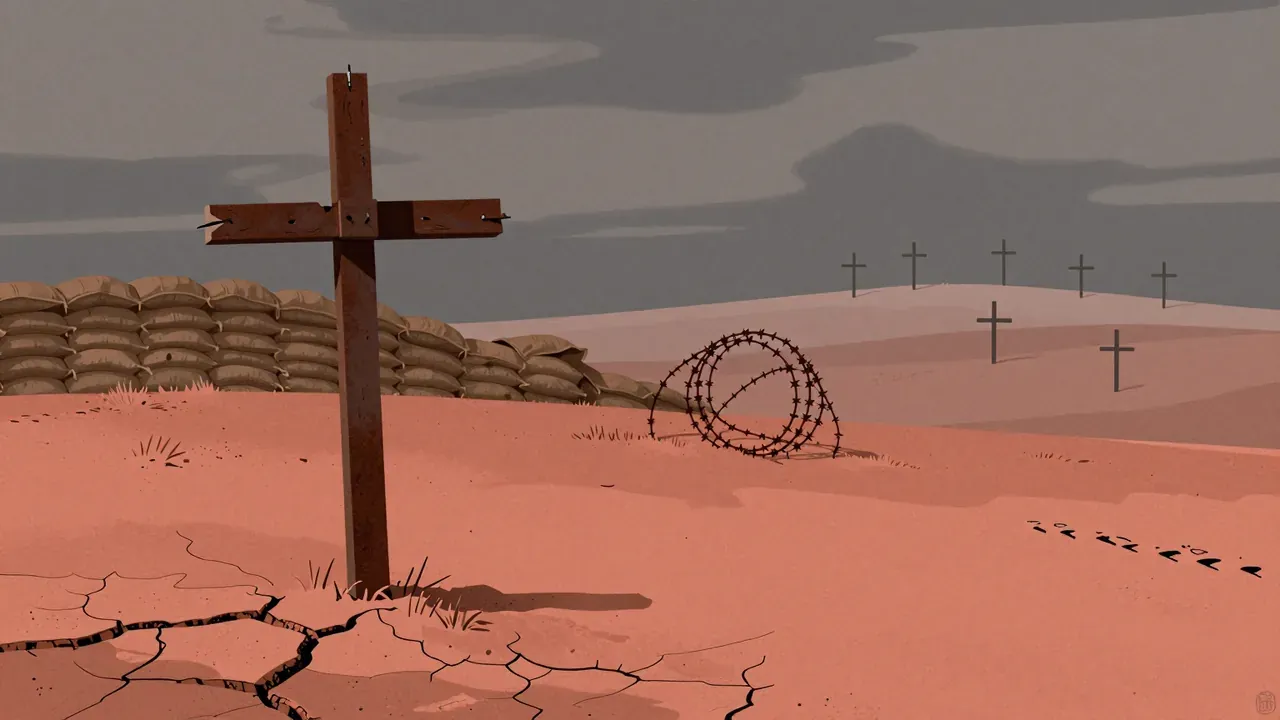
Wooden Crosses (1932), directed by Raymond Bernard, adapts Roland Dorgelès’s novel into a stark, unsentimental chronicle of French infantry life on the Western Front. Shot on location over real trenches, with veterans among its cast and meticulous sound design recreating battlefield acoustics, it follows a squad’s slow disintegration across rotations, patrols, and casualties. There are no heroes, no speeches, no score — only the weight of equipment, the texture of mud, and the quiet placement of wooden crosses. Its power lies in accumulation, not climax.

13:00

Jules and Jim

François Truffaut · 1962

François Truffaut’s 1962 romance follows Frenchman Jim, Austrian Jules, and the enigmatic Catherine across pre-war Paris, wartime separation, and uneasy post-war cohabitation. Shot by Raoul Coutard with lyrical looseness and scored by Georges Delerue, it treats love not as choice or conquest but as atmosphere — pervasive, shifting, and ultimately ungovernable.

13:00

A Very Long Engagement

Jean-Pierre Jeunet · 2004

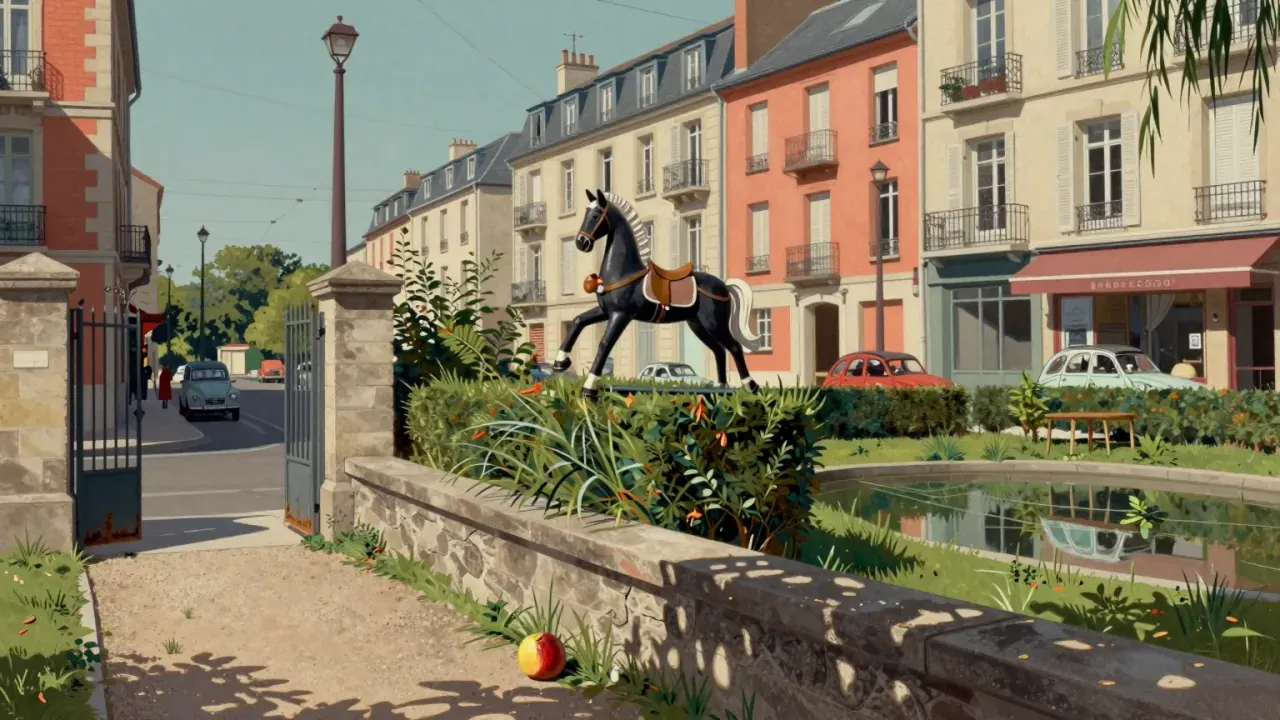
Jean-Pierre Jeunet’s 2004 film follows Mathilde, a young Breton woman who refuses to accept her fiancé’s death in the First World War. Using letters, archives, and dogged interviews, she reconstructs the fate of five soldiers condemned to no man’s land. Shot by Bruno Delbonnel and scored by Angelo Badalamenti, it balances tactile realism with poetic restraint, anchoring its wartime narrative in the quiet persistence of civilian life in 1920s France.

13:00

Lawrence of Arabia

David Lean · 1962

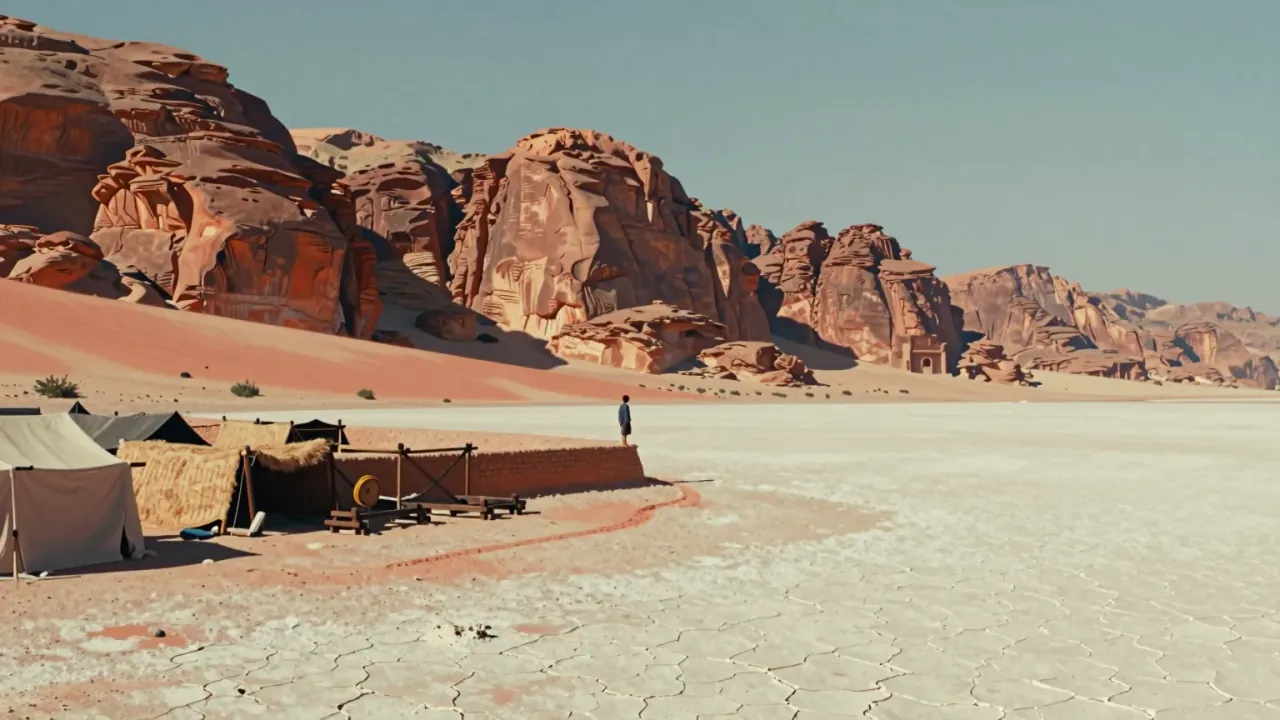
David Lean’s 1962 epic follows T. E. Lawrence’s immersion in the Arab Revolt during the First World War. Peter O'Toole stars in a performance defined by restraint and volatility, supported by Freddie Young’s monumental Super Panavision 70 cinematography and Maurice Jarre’s evocative score. The film prioritises atmosphere over exposition, using vast, still landscapes to chart internal collapse and reinvention. Though rooted in history, it functions as a psychological portrait — of identity, allegiance and the cost of translation between worlds.

13:00

Ryan's Daughter

David Lean · 1970

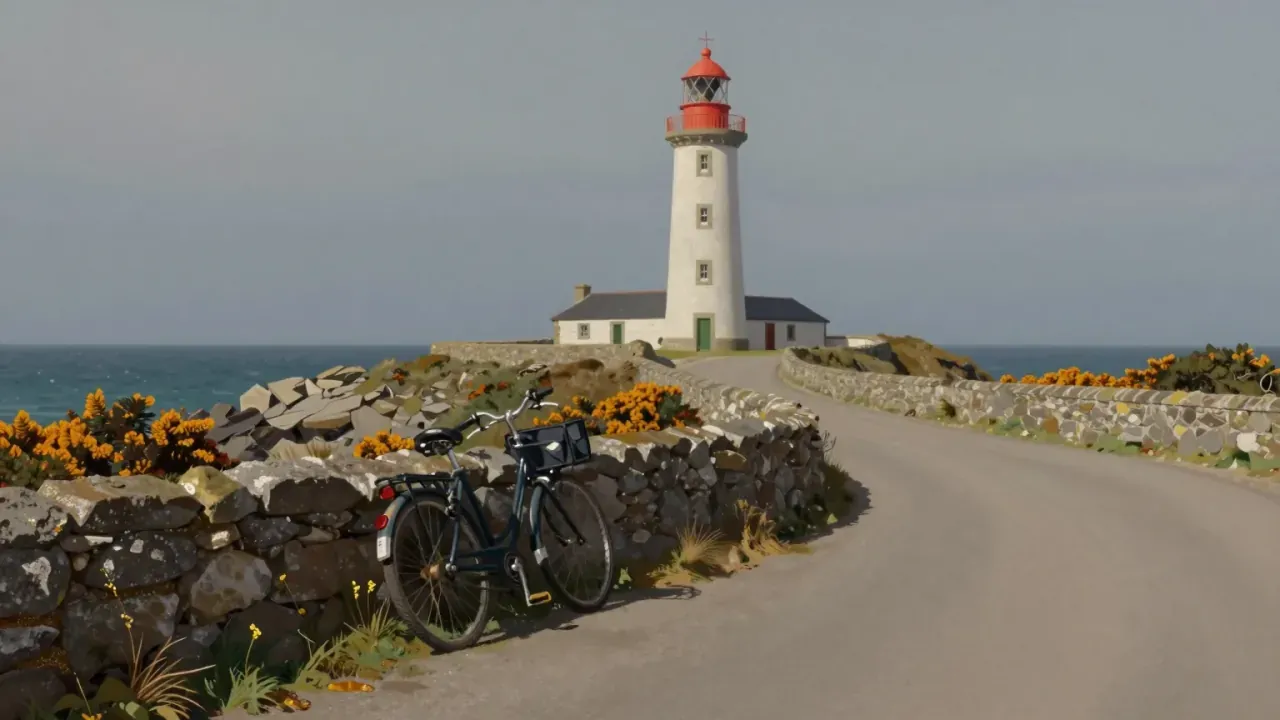
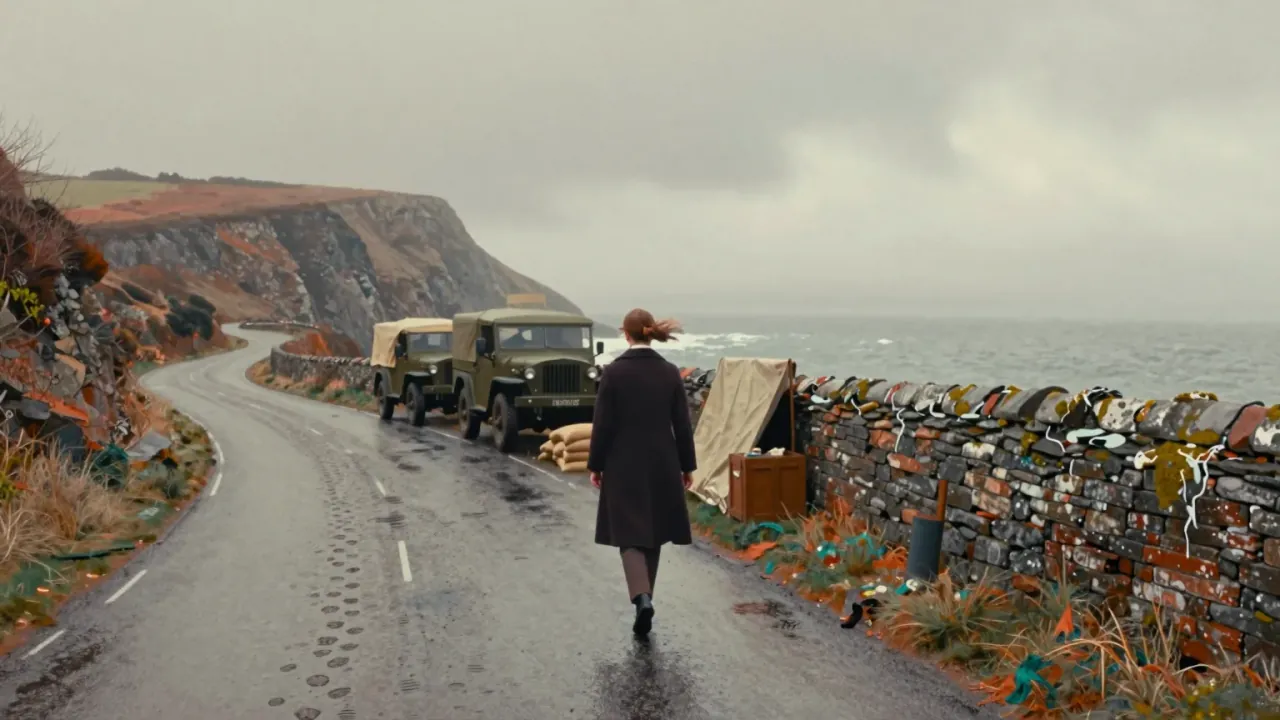
David Lean’s 1970 film transposes Madame Bovary to wartime Ireland, following Rosy Ryan’s affair with a British officer amid nationalist suspicion and coastal isolation. At 189 minutes, it leans into duration, weather, and visual texture over psychological exposition. Freddie Young’s cinematography and Maurice Jarre’s score anchor its scale, while Robert Mitchum and John Mills deliver its most grounded performances. Critically divisive on release, it remains a demanding, atmospheric study of visibility, consequence, and containment — best approached as a work of sustained mood, not narrative drive.

13:00

The African Queen

John Huston · 1951

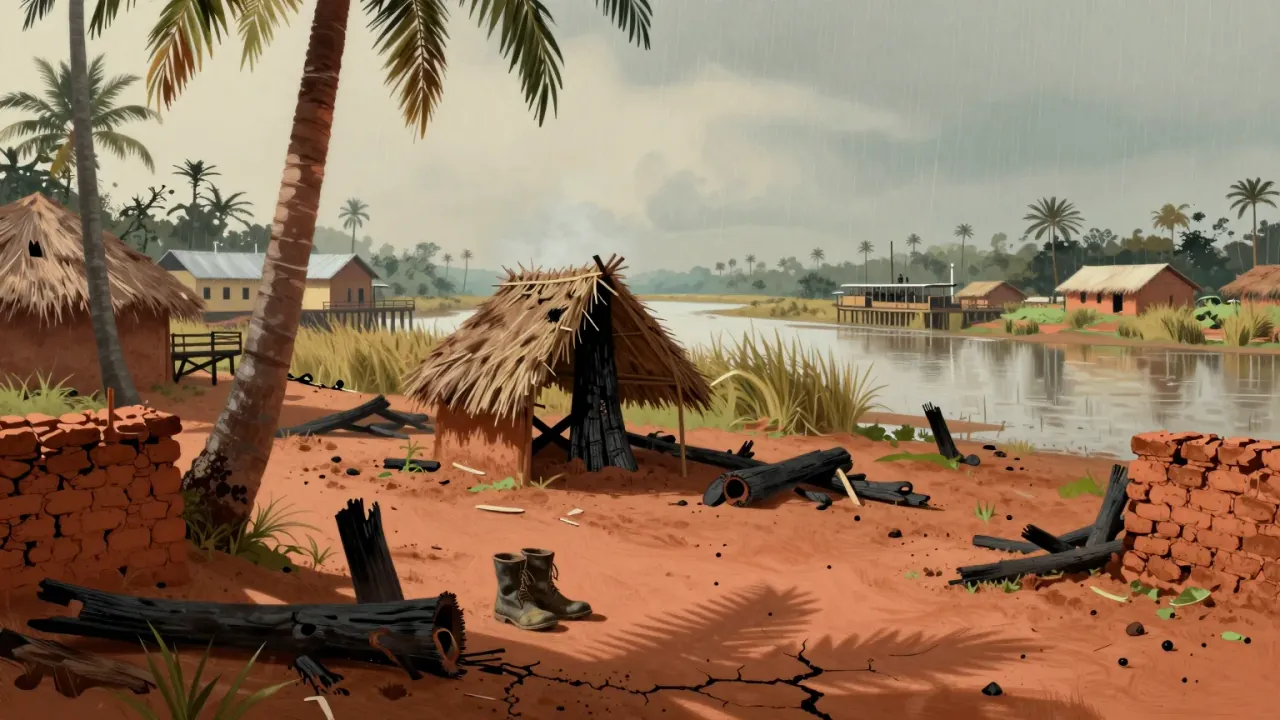
John Huston’s 1951 drama follows a Methodist missionary and a Canadian boat mechanic who convert a small steamboat into a torpedo vessel to attack a German gunboat in East Africa during the First World War. Shot partly on location in Uganda and the Belgian Congo, it stars Humphrey Bogart (who won Best Actor) and Katharine Hepburn. Its strength lies in restrained performances, Jack Cardiff’s unsentimental Technicolor, and a story that values incremental change over grand revelation — though its colonial framing remains structurally incomplete.