filmbriefs
Topic

Craft

Skill accumulated by hand, and the economics that keep removing it.

13
in film
13:00
average
169 min
in total
116
across the network
Craft across the network →
All briefs13
13:00

Hobson's Choice

David Lean · 1954

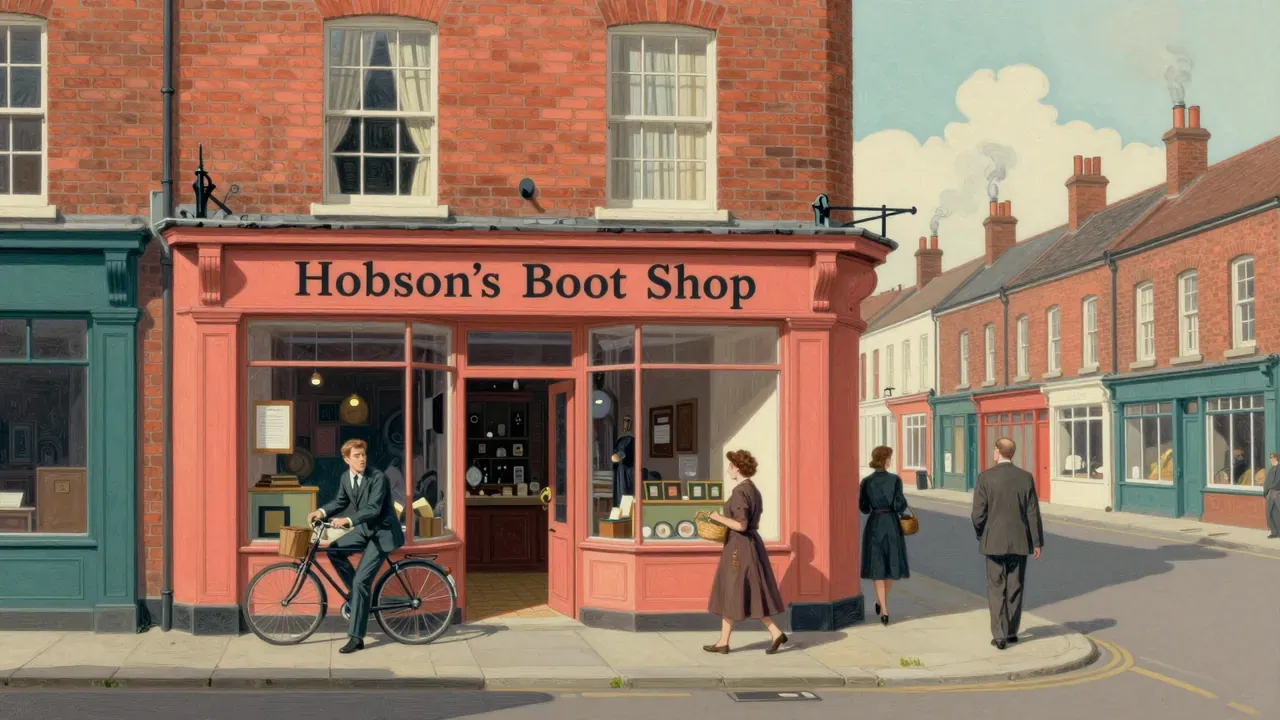
David Lean’s 1954 adaptation of Harold Brighouse’s play follows Maggie Hobson as she marries bootmaker Will Mossop to escape her tyrannical father’s household, then builds a rival business with him in 1880 Salford. Grounded in precise performance and restrained craft, it treats class, literacy, and domestic labour as material forces — not metaphors — and locates dignity in incremental, negotiated change.
13:00

Jacquot de Nantes

Agnès Varda · 1991

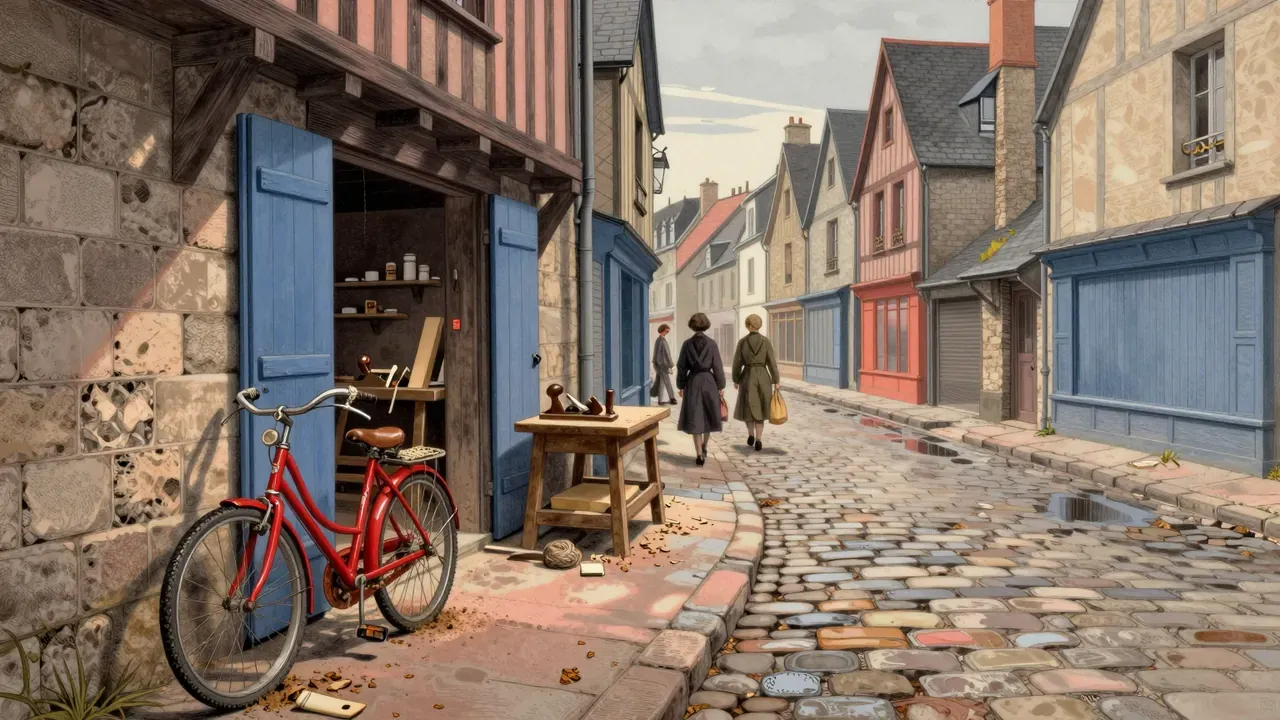
Jacquot de Nantes (1991) is Agnès Varda’s tender, unhurried portrait of her husband Jacques Demy’s childhood in wartime Nantes. Blending dramatised scenes with documentary interludes and archival fragments, it traces his early fascination with film-making — not as spectacle, but as tangible craft: drawing, lighting, set-building, animation. Shot by Patrick Blossier, Agnès Godard and Georges Strouvé, with music by Joanna Bruzdowicz, it privileges material detail and quiet observation over narrative drive or psychological exposition.

13:00

Original Cast Album: Company

D. A. Pennebaker · 1970

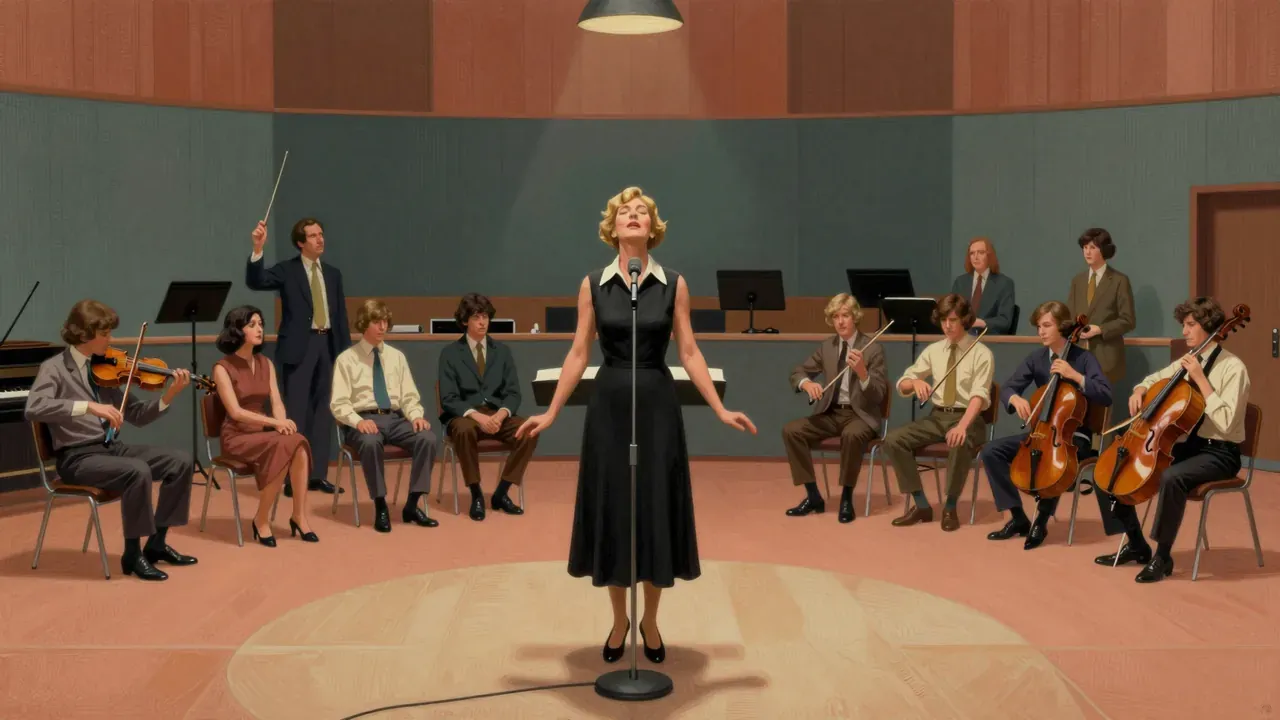
D. A. Pennebaker’s 1970 documentary observes the marathon studio session for the original cast album of Stephen Sondheim’s Company. Filmed over two days at Columbia Records’ 30th Street Studio, it captures singers, musicians, and producers wrestling with fatigue, pitch, and timing — most memorably Elaine Stritch’s repeated attempts at 'The Ladies Who Lunch'. Unvarnished, chronological, and devoid of narration or context, it treats recording as craft rather than spectacle.

13:00

Paddle to the Sea

Bill Mason · 1966

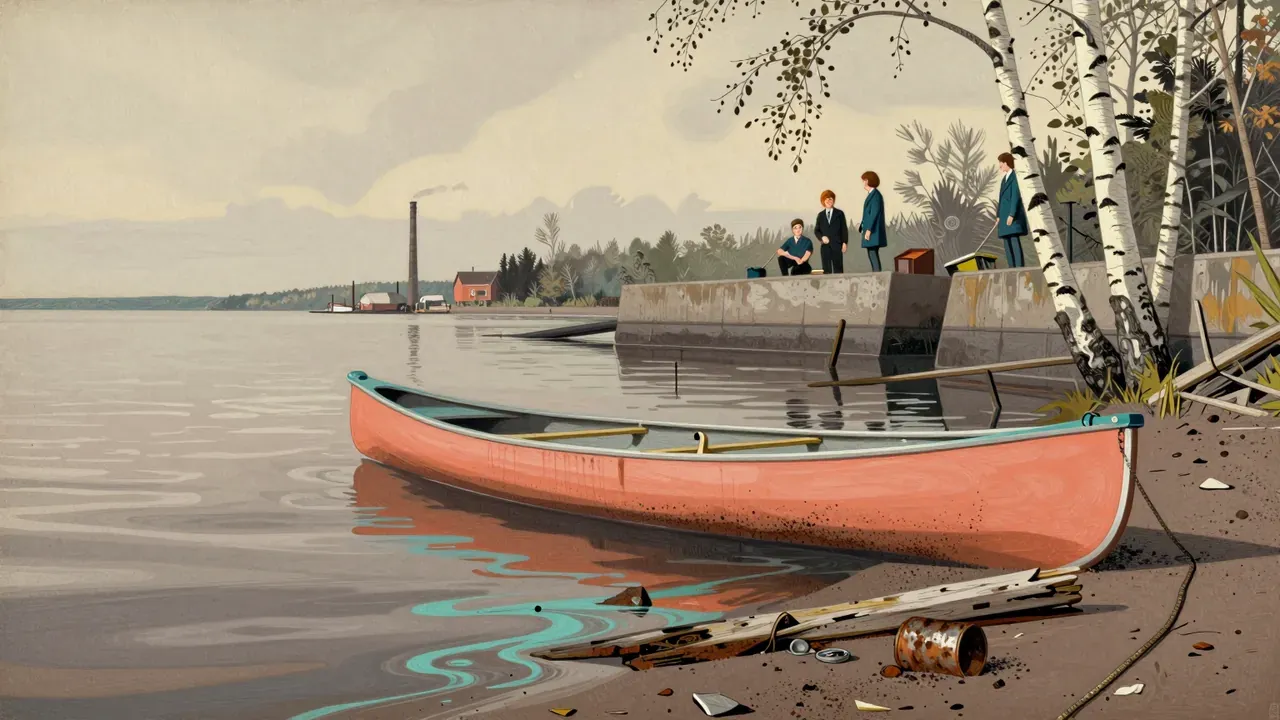
Bill Mason’s 1966 NFB short follows a hand-carved wooden canoe from Lake Nipigon to the Atlantic, using real locations, minimal narration and patient observation. Based on Holling C. Holling’s book but expanded with a quiet critique of water pollution, it is a documentary-fiction hybrid that treats geography as ethics and time as texture.

13:00

The Great Escape

John Sturges · 1963

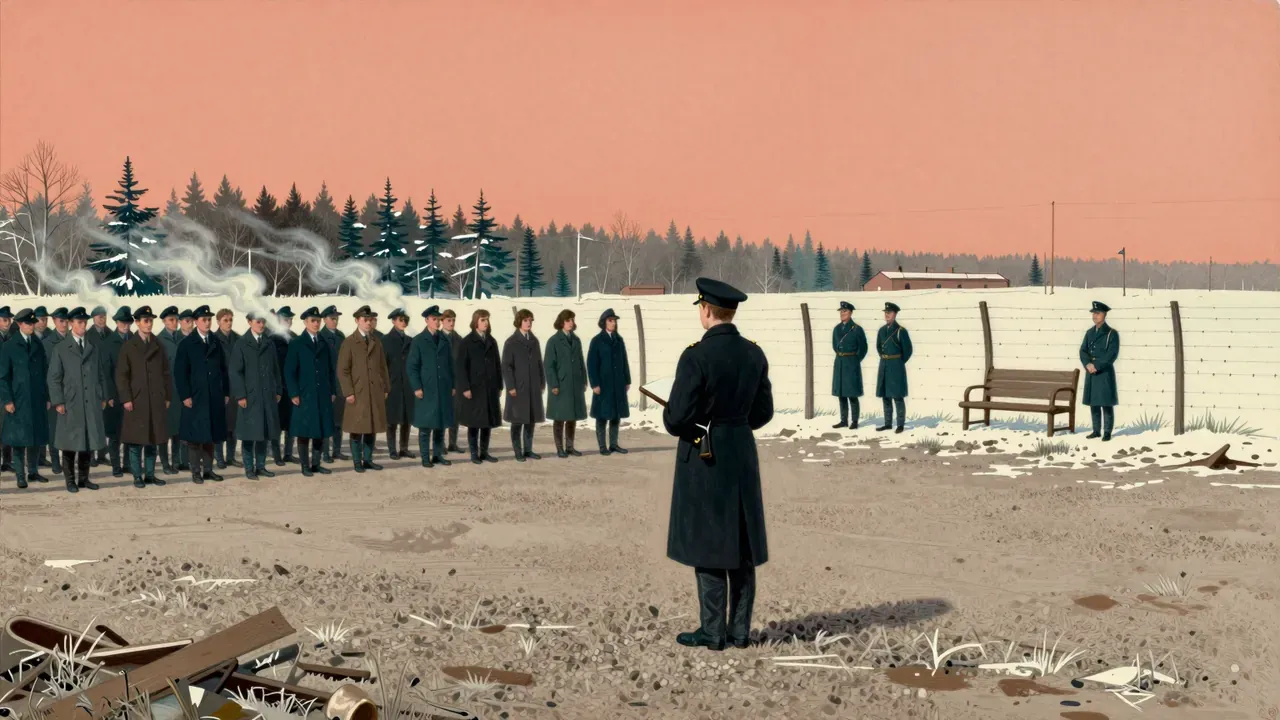
John Sturges’ 1963 epic adapts the real 1944 Stalag Luft III escape with deliberate fictionalisation, centring invented American characters amid a meticulously rendered ensemble of POWs. Shot in Bavaria, it foregrounds collective craft — tunnelling, forging, scouting — over individual heroics, building tension through repetition and restraint. Though its motorcycle stunt and US framing depart from history, its commitment to procedural authenticity and moral clarity gives it enduring weight.

13:00

The Living Magoroku

Keisuke Kinoshita · 1943

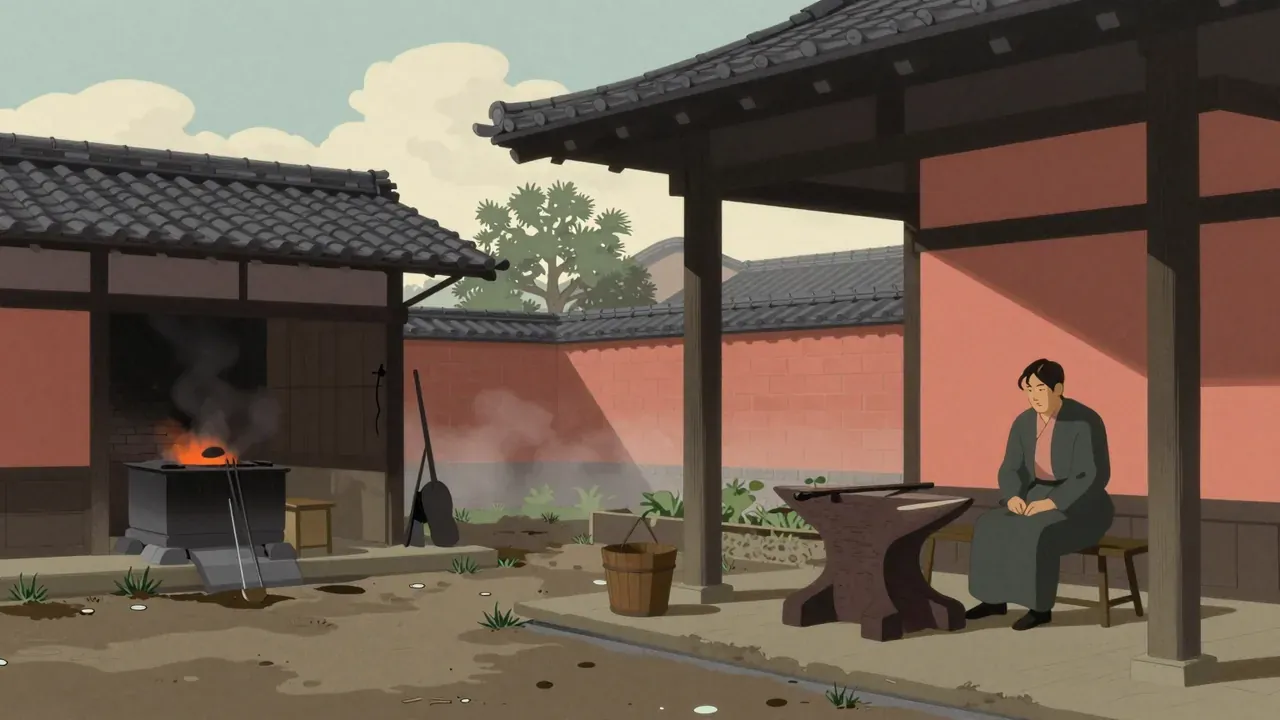
Keisuke Kinoshita’s 1943 film The Living Magoroku is a tightly controlled drama set in a traditional swordsmith’s workshop during wartime Japan. With no credited cast or composer, it relies on gesture, duration, and compositional restraint to explore transmission, duty, and the ethics of making. Its power lies in what it omits—psychological exposition, overt politics, dramatic climax—as much as in what it shows: the physical labour of preserving form under constraint.

13:00

Topsy-Turvy

Mike Leigh · 1999

Mike Leigh’s Topsy-Turvy (1999) follows W. S. Gilbert and Arthur Sullivan through the 15-month creation of The Mikado, foregrounding rehearsal, costume design, salary negotiation, and backstage friction over biographical revelation. Shot by Dick Pope, scored by Carl Davis, and performed live by the cast, it treats Victorian theatre as a site of material, social, and artistic labour — yielding an arthouse drama that values process, texture, and ensemble over plot or polish.

13:00

Uncle Janco

Agnès Varda · 1967

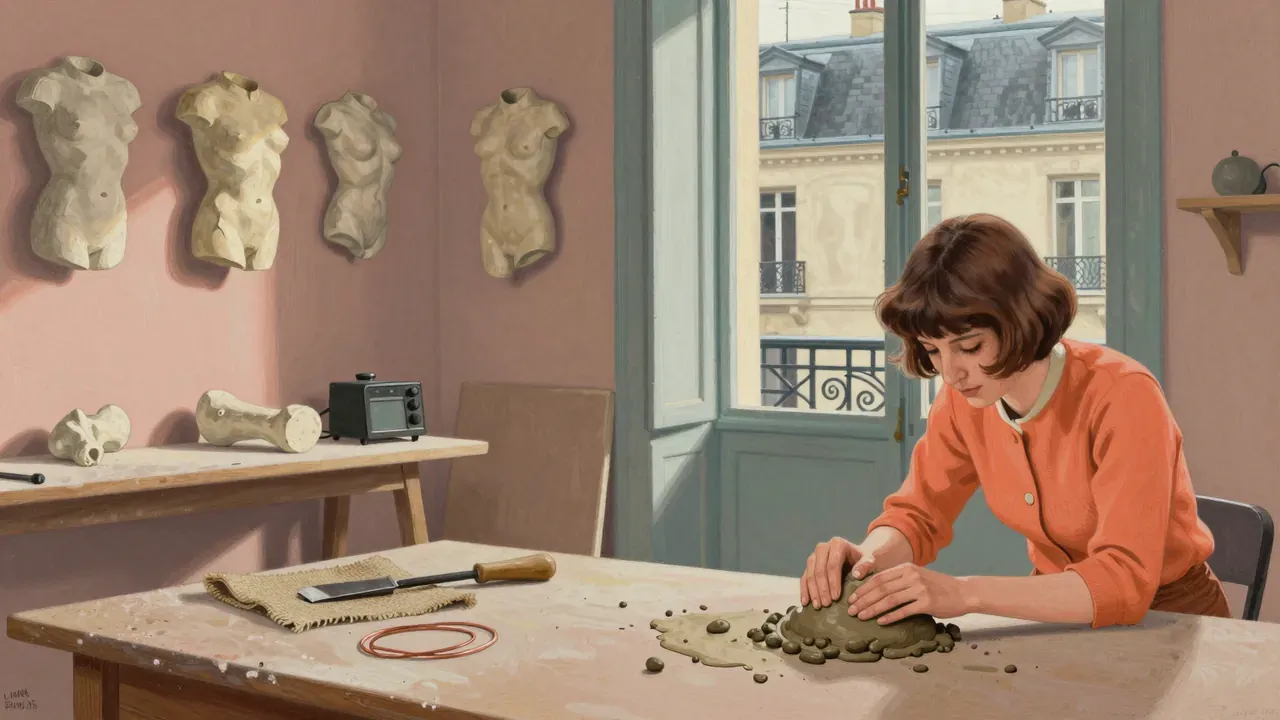
Agnès Varda’s 1967 documentary Uncle Janco observes Romanian-born sculptor Marcel Janco in his Paris studio over 22 minutes. With no narration, no interviews, and no contextual framing, the film rests on sustained observation: Janco’s speech, his handling of materials, and the quiet rhythm of his daily practice. It is a study in presence, not biography — a work that values tactile knowledge and embodied memory over exposition or historical positioning.

13:00

Zatoichi's Cane Sword

Kimiyoshi Yasuda · 1967

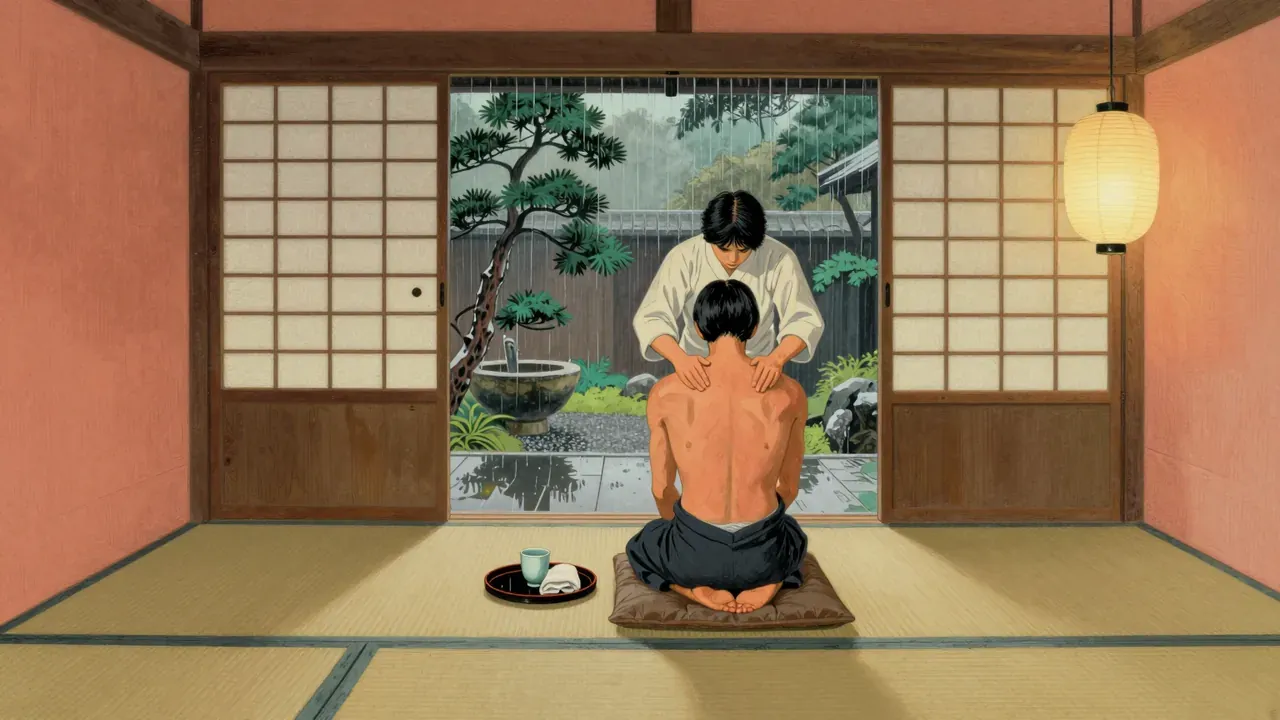
The fifteenth Zatoichi film, released in 1967, follows the blind masseur-swordsman as he intervenes in a provincial town overrun by rival gangs and a corrupt official. Built around Shintarō Katsu’s unflustered central performance and Ryōzō Kasahara’s lean script, it foregrounds craft, quiet agency and procedural justice over spectacle or ideology. Directed by Kimiyoshi Yasuda with functional precision, it offers a self-contained, tonally consistent episode — modest in scope, confident in execution.

13:00

Drunken Master II

Lau Kar-leung · 1994

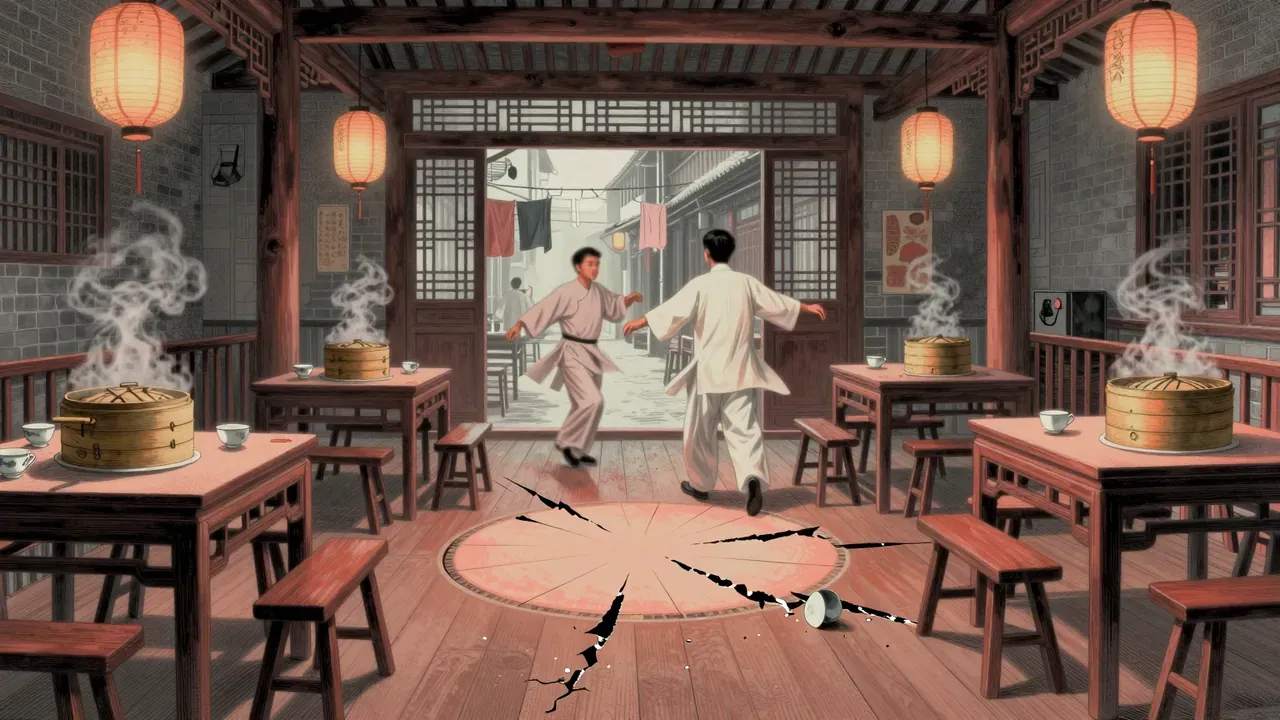
Drunken Master II is a 1994 Hong Kong martial arts film directed by Lau Kar-leung and starring Jackie Chan as Wong Fei-hung. Set in early 20th-century Canton, it follows Wong’s moral and physical trial after accidentally acquiring an Imperial Seal targeted by British colonial agents. Built around formally distinct fight scenes — Hung Ga, Shaolin, Drunken Boxing, Taekwondo — the film anchors comedy in consequence and action in lineage. Its unflinching final image of Wong’s disability remains controversial, but its choreographic rigour and ethical structure mark it as a high point of the genre.

13:00

Drunken Master

Yuen Woo-ping · 1978

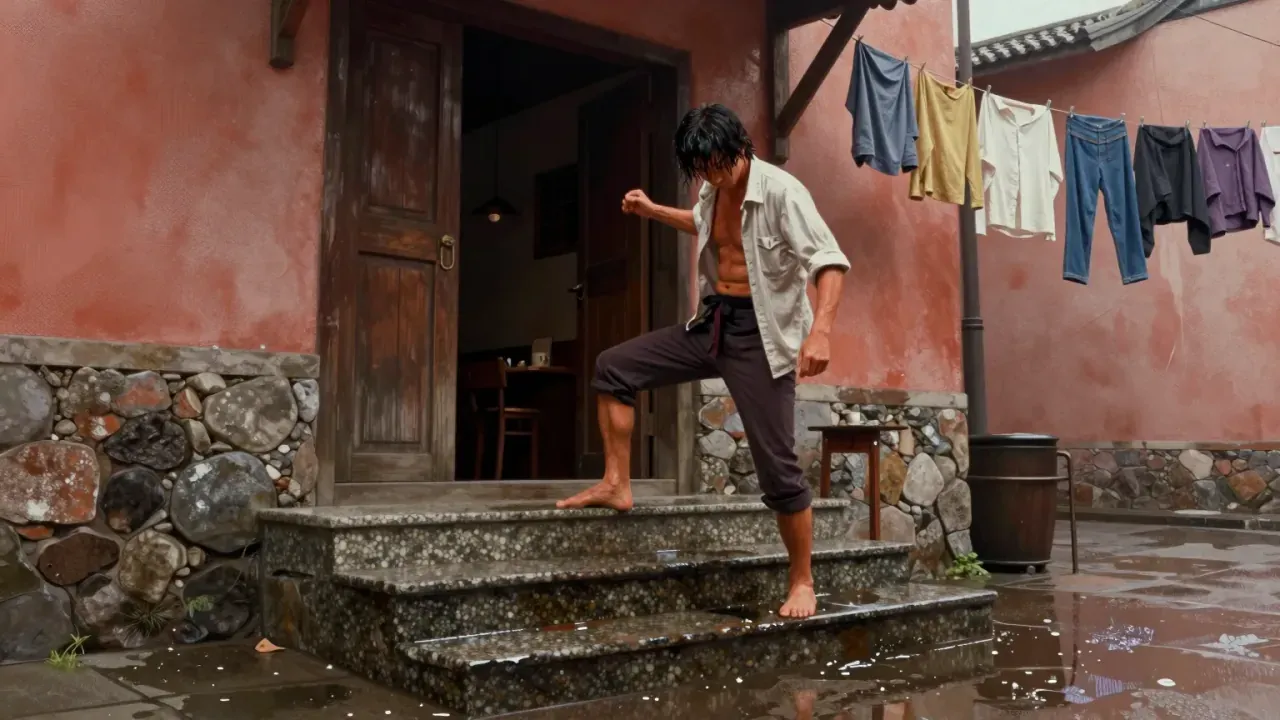
Drunken Master (1978) is a Hong Kong action comedy directed by Yuen Woo-ping and starring Jackie Chan as the young Wong Fei-hung. Forced into brutal tutelage under the eccentric Beggar So (Yuen Siu-tien), Wong endures punishing training in a fictionalised 'Drunken Boxing' style before facing a lethal rival. The film’s enduring power lies in its choreographic intelligence, its commitment to physical cause-and-effect, and its depiction of skill as something metabolised through repetition, failure, and synthesis — not bestowed or discovered.

13:00

The Great Ziegfeld

Robert Z. Leonard · 1936

The Great Ziegfeld (1936) is MGM’s lavish biographical musical about Florenz Ziegfeld Jr., starring William Powell, Luise Rainer and Myrna Loy. Directed by Robert Z. Leonard and produced by Hunt Stromberg, it prioritises spectacle over accuracy — staging extravagant musical numbers, deploying hundreds of costumers and technicians, and constructing monumental sets like the 100-ton ‘Melody’ staircase. Though factually loose and dramatically thin, its unwavering commitment to scale, craft and ceremonial grandeur makes it a defining artefact of studio-era ambition.

13:00

Top Gun: Maverick

Joseph Kosinski · 2022

Top Gun: Maverick is a 2022 action film directed by Joseph Kosinski, starring Tom Cruise as Pete 'Maverick' Mitchell, now a test pilot tasked with training a new generation of naval aviators for a high-risk mission. Built around real-flight cinematography, disciplined editing, and a tightly structured narrative, it prioritises physical storytelling and emotional legibility over thematic ambiguity. It earned widespread critical praise, five major awards including an Oscar for Best Sound, and $1.44bn at the global box office.