filmbriefs
Topic

Aviation

A century of flight, and the safest way to travel by a wide margin.

13
in film
13:00
average
169 min
in total
79
across the network
Aviation across the network →
All briefs13
13:00

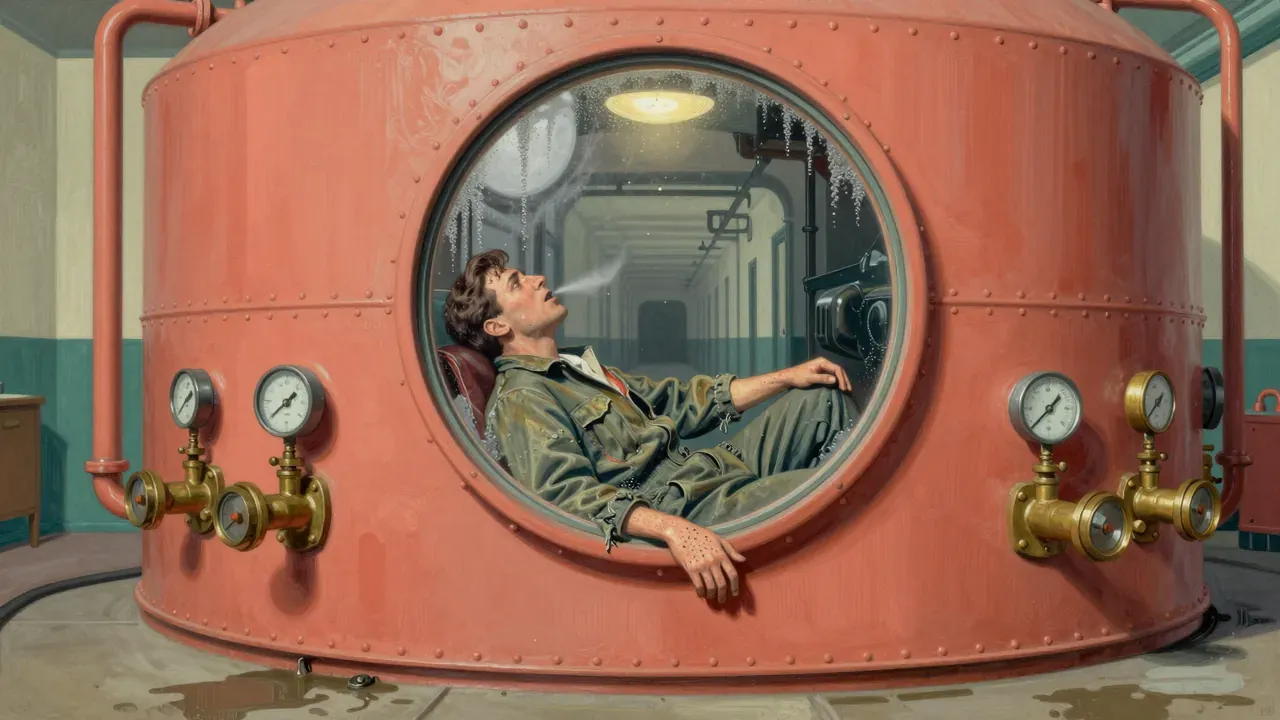
First Man into Space

Robert Day · 1959

First Man into Space (1959) is a British science fiction-horror film directed by Robert Day, following a US Navy pilot who returns from extreme altitude encrusted in meteoric dust and transformed into a blood-dependent creature. Built on a tight budget and grounded in procedural realism, it prioritises physiological logic over myth or metaphor, using restrained performances, functional cinematography, and a lean narrative structure to sustain its central conceit. Though limited by its means, it delivers a coherent, atmospheric, and quietly tragic vision of spaceflight as irreversible bodily violation.
13:00

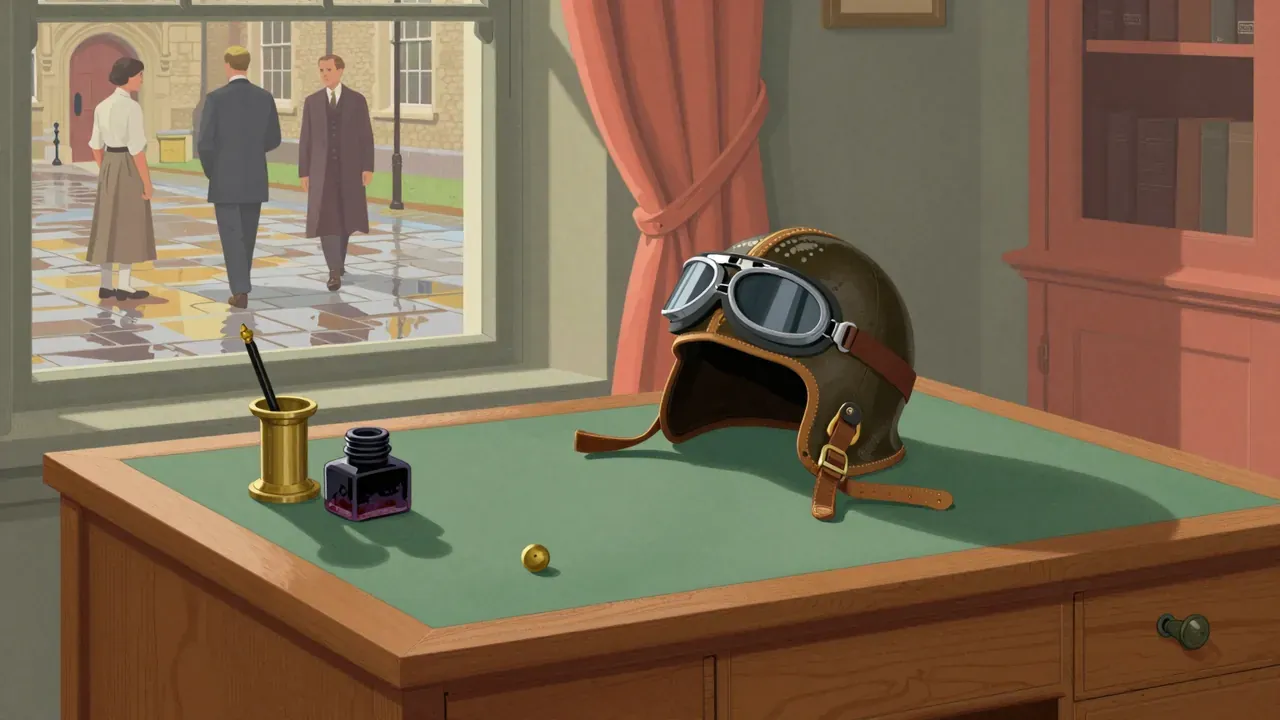
Hell's Angels

Howard Hughes, James Whale, Edmund Goulding · 1930

A 1930 American war film directed by Howard Hughes, James Whale, and Edmund Goulding, Hell’s Angels follows two British brothers in the Royal Flying Corps during the First World War. Originally shot silent, it was converted to sound mid-production, replacing lead actress Greta Nissen with Jean Harlow. Its aerial combat sequences — filmed with over 130 pilots, multiple fatalities, and Hughes’s own crash — remain landmark achievements in early sound and stunt coordination. Though narratively uneven and thematically thin, its technical ambition and material history make it a singular artifact of Hollywood’s transitional decade.

13:00

It's a Mad, Mad, Mad, Mad World

Stanley Kramer · 1963

Stanley Kramer’s 1963 epic comedy deploys Ultra Panavision 70 and an all-star cast to stage a non-stop, 161-minute chase for buried cash across Southern California. Built on stunts, not story, it privileges physical precision and wide-screen choreography over character or theme — succeeding as industrial spectacle, not narrative comedy.

13:00

Only Angels Have Wings

Howard Hawks · 1939

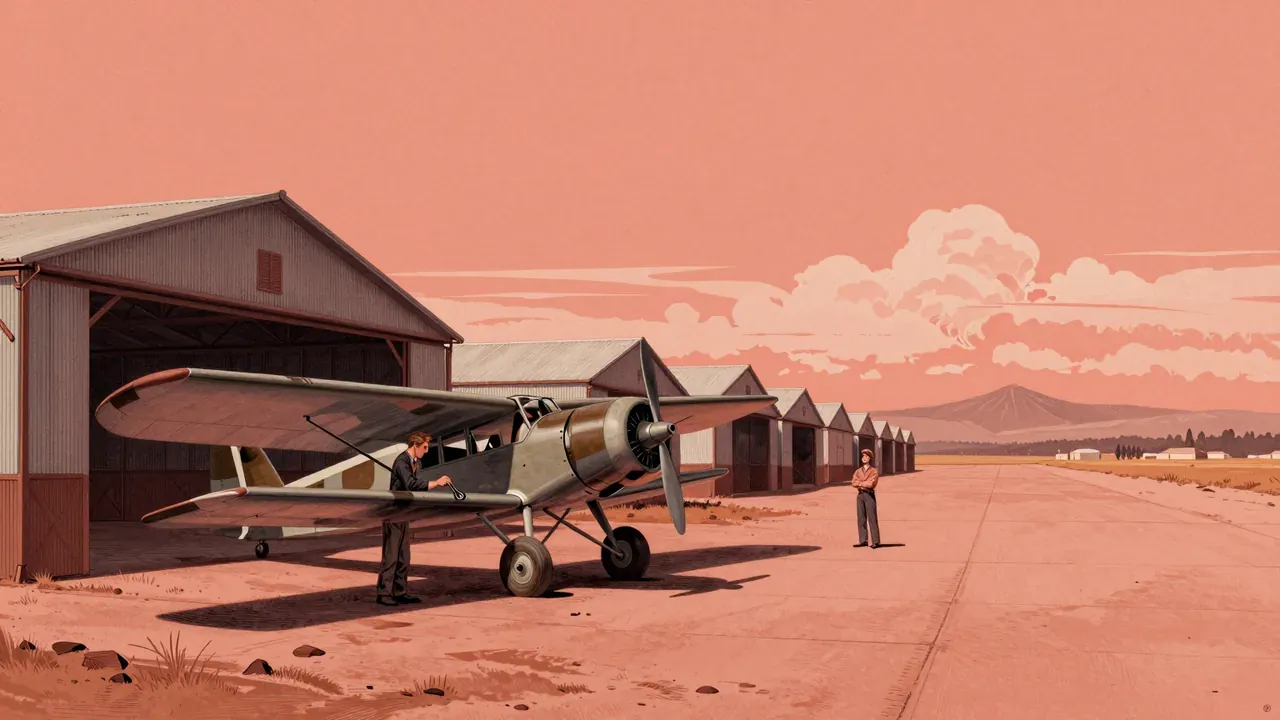
Howard Hawks’ 1939 drama follows Geoff Carter, manager of a perilous South American air freight operation, as he balances a government contract deadline against the lives of his pilots. Starring Cary Grant and Jean Arthur, it builds its world through procedural clarity, not psychology — valuing competence over confession, restraint over revelation. Joseph Walker’s cinematography, Dimitri Tiomkin’s score and Viola Lawrence’s editing sustain a single, unwavering tone: fatalism as honour, risk as routine.

13:00

So Can I

Abbas Kiarostami · 1975

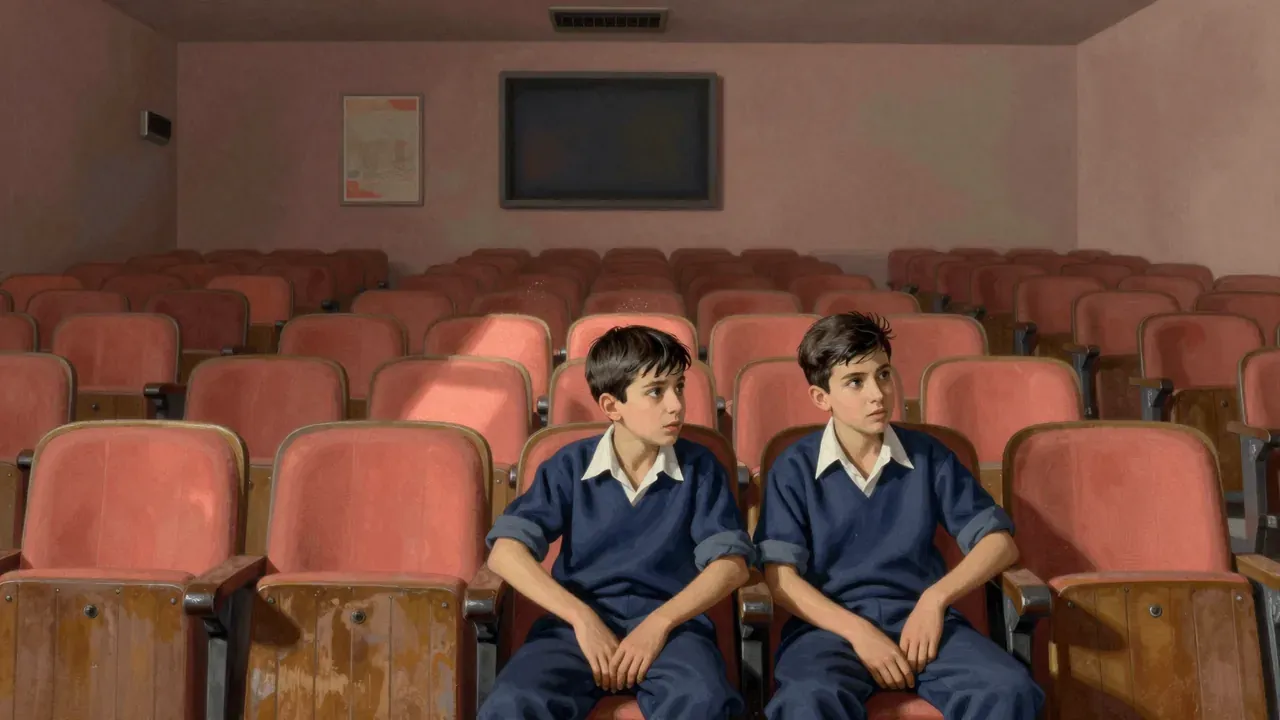
So Can I (1975) is a seventeen-minute Iranian short by Abbas Kiarostami, following two boys watching an educational cartoon. One boy repeatedly asserts 'So can I' in response to animals’ actions—until birds fly across the screen, and he falls silent. The film ends with an aeroplane circling overhead. Made for Kanun, it treats childhood cognition with formal rigour: no narration, no adult presence, no resolution—only repetition, silence, and a single, resonant visual rupture.

13:00

Stowaway in the Sky

Albert Lamorisse · 1960

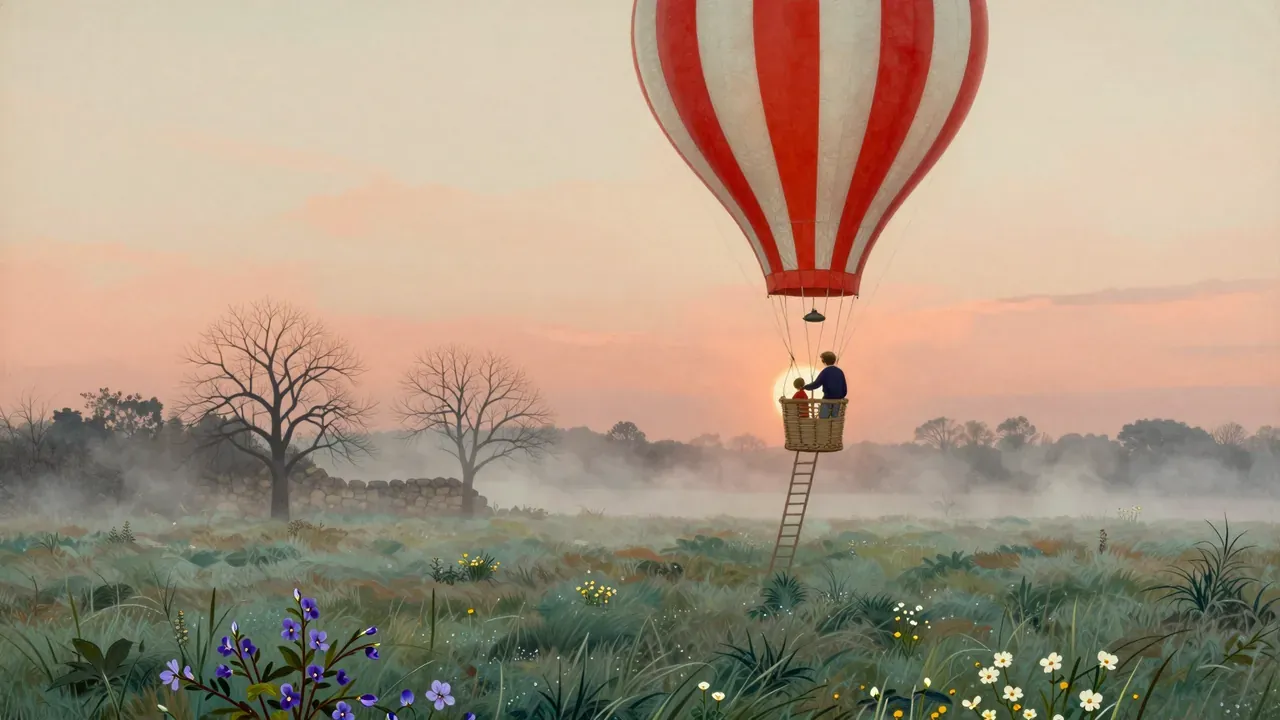
Albert Lamorisse’s 1960 film Stowaway in the Sky blends documentary footage and staged flight to follow a ten-year-old boy drifting over France in his grandfather’s balloon. Shot in Eastman Color and Dyaliscope, it privileges observation over narrative, using silence, wide shots and unhurried editing to recast landscape as texture and altitude as perspective. Maurice Fellous’s cinematography and Jean Prodromidès’s score sustain its gentle, airborne logic — one that values wonder without condescension, and drift without destination.

13:00

The Flight of the Phoenix

Robert Aldrich · 1965

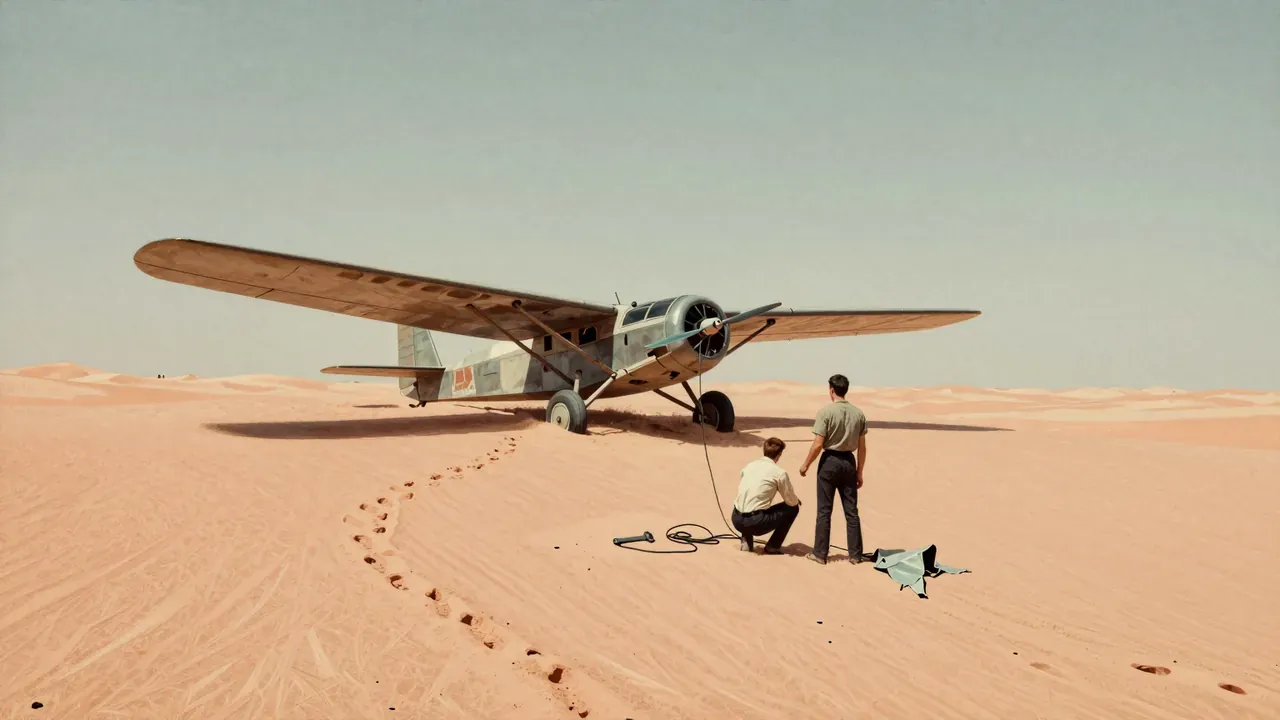
Robert Aldrich’s 1965 disaster drama follows a group of men stranded in the Sahara after a cargo plane crash. With no rescue expected, a German engineer proposes building a new aircraft from the wreckage. What follows is a rigorous, unsentimental depiction of collective labour, rationed hope, and the fragile consensus required to turn desperation into flight.

13:00

The Right Stuff

Philip Kaufman · 1983

Philip Kaufman’s 1983 film adapts Tom Wolfe’s book into a sprawling, visually precise account of American test pilots and Mercury astronauts. Shot across California locations including Edwards Air Force Base and Hamilton AFB, it contrasts Chuck Yeager’s solitary mastery with the seven astronauts’ managed ascent into orbit. Caleb Deschanel’s cinematography, Bill Conti’s score, and Glenn Farr’s editing sustain its 184-minute runtime through texture and rhythm rather than plot velocity. Though criticised for historical compressions — particularly around Gus Grissom — it endures as a meditation on visibility, endurance, and the cost of turning courage into spectacle.

13:00

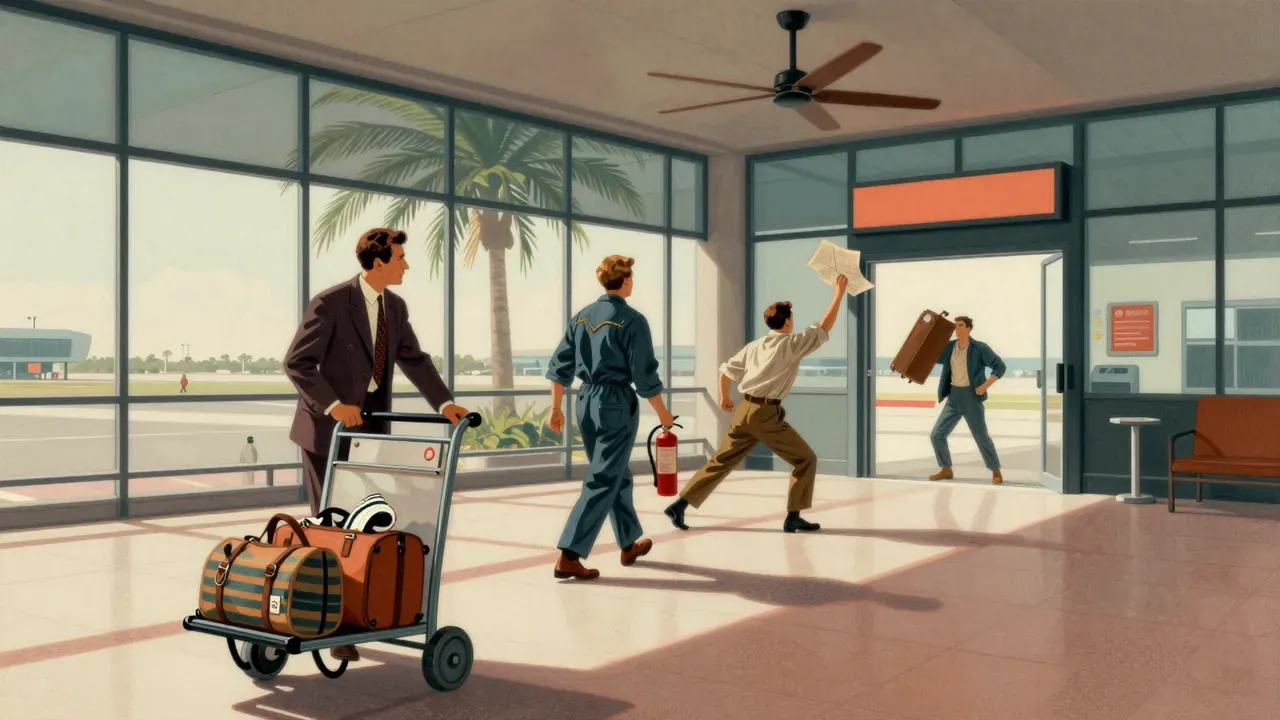
The Woman Who Dared

Jean Grémillon · 1944

Jean Grémillon’s 1944 drama follows Thérèse Gauthier, a mechanic’s wife displaced by airport expansion, who gradually reclaims agency — first as a dealership manager, then as a pilot. Madeleine Renaud and Charles Vanel anchor a film that privileges procedural realism over psychological exposition, showing aspiration as re-attunement to one’s own capacities rather than rupture from circumstance.

13:00

Wings

Larisa Shepitko · 1966

Larisa Shepitko’s 1966 debut Wings follows Nadezhda Petrukhina, a former WWII fighter pilot now working as a trade-school principal in the Soviet Union. Haunted by memories of combat and lost love, she struggles to connect with her adopted daughter, her students, and her own sense of purpose. Shot in black and white by Igor Slabnevich, with a restrained performance by Maya Bulgakova, the film traces the quiet erosion of identity when public myth outlives private meaning.

13:00

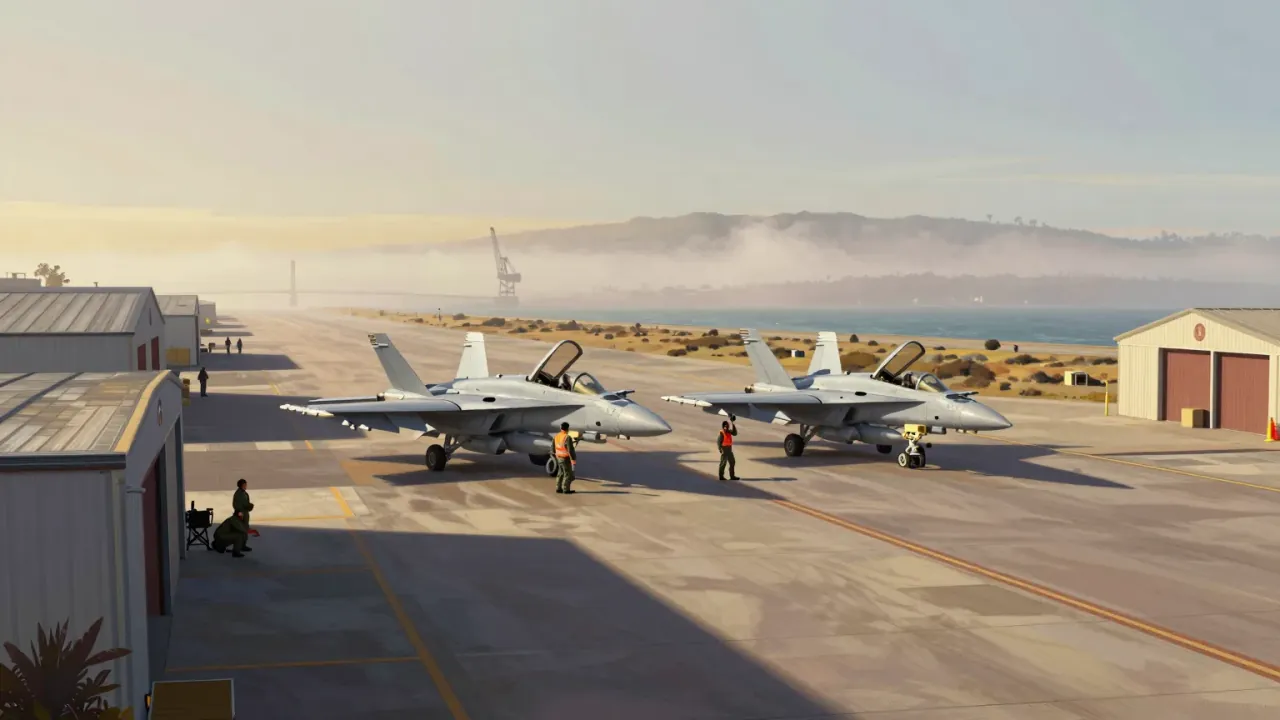
Top Gun

Tony Scott · 1986

A 1986 Paramount action film directed by Tony Scott, Top Gun follows naval aviator Pete ‘Maverick’ Mitchell through the Navy’s elite fighter weapons school. Built around real F-14 flight footage and a synth-heavy score, it prioritises kinetic clarity and visual rhythm over psychological depth or political nuance. Though critically mixed on release, its formal coherence and cultural resonance have secured its status as a defining artefact of 1980s studio filmmaking.

13:00

The Sound Barrier

David Lean · 1952

David Lean’s 1952 aviation drama follows a British aircraft magnate, his daughter, and two test pilots as they confront the physical and human limits of early jet flight. Written by Terence Rattigan and shot by Jack Hildyard, it balances procedural realism with restrained emotion, using sound, silence, and composition to convey the weight of progress. Though historically imprecise and structurally austere, its power lies in its unwavering focus on consequence over spectacle.

13:00

Top Gun: Maverick

Joseph Kosinski · 2022

Top Gun: Maverick is a 2022 action film directed by Joseph Kosinski, starring Tom Cruise as Pete 'Maverick' Mitchell, now a test pilot tasked with training a new generation of naval aviators for a high-risk mission. Built around real-flight cinematography, disciplined editing, and a tightly structured narrative, it prioritises physical storytelling and emotional legibility over thematic ambiguity. It earned widespread critical praise, five major awards including an Oscar for Best Sound, and $1.44bn at the global box office.