filmbriefs
Topic

Surveillance

Being watched at scale, usually for a service in return.

11
in film
13:00
average
143 min
in total
21
across the network
Surveillance across the network →
All briefs11
13:00

Benny's Video

Michael Haneke · 1992

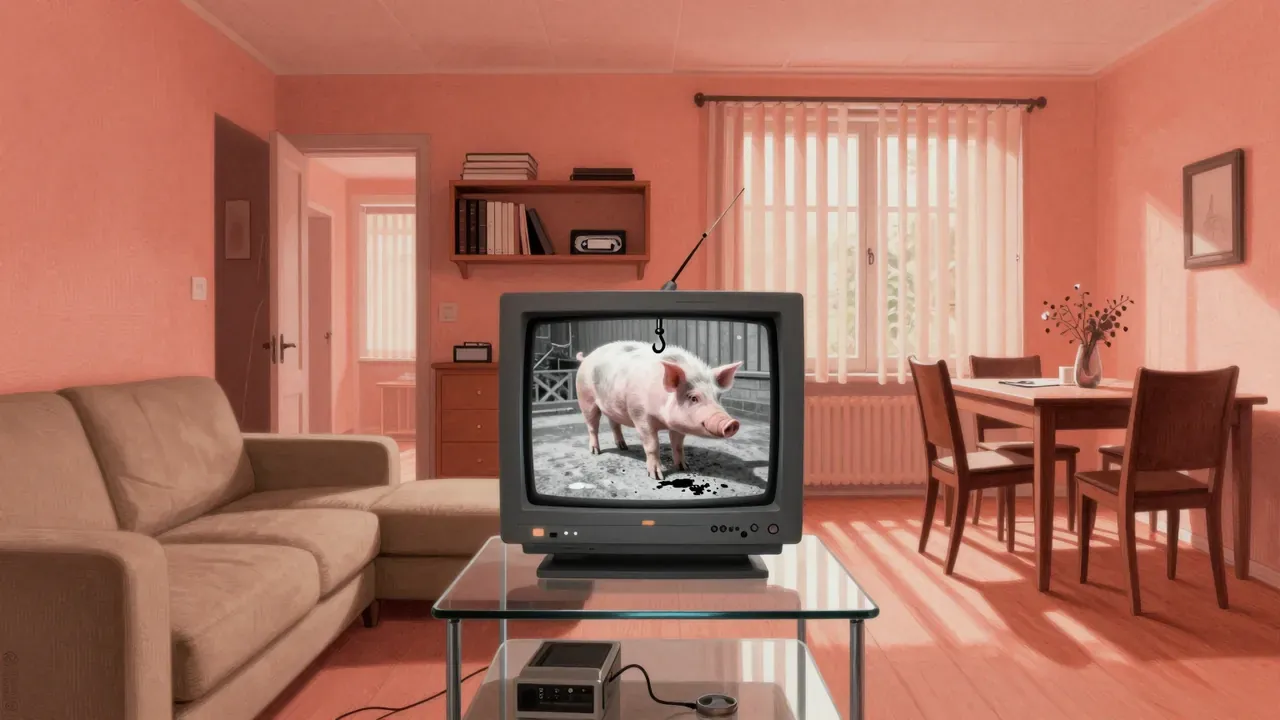
Michael Haneke’s 1992 Austrian horror film follows Benny, a Vienna teenager obsessed with video recording, whose emotionally detached parents enable his fixation. After filming a pig’s slaughter, he invites a girl to his home, kills her on camera, and proceeds with chilling normalcy — cleaning, socialising, travelling — while his parents dispose of the body. The film uses static camerawork, diegetic sound, and layered recordings to dissect how media saturation erodes moral response, treating violence not as rupture but as data.

13:00

Identification of a Woman

Michelangelo Antonioni · 1982

Michelangelo Antonioni’s Identification of a Woman (1982) follows a divorced film director in Rome and Venice as he navigates two relationships — one elusive, one immediate — while under an ambiguous surveillance. Shot by Carlo Di Palma, scored by John Foxx, and edited by Antonioni himself, it trades the formal rigour of his 1960s work for a quieter, more provisional tone. Its concerns — perception, identity, ageing, class — are embedded in atmosphere and gesture, not exposition. Reception was mixed on release, with later critics noting its autumnal modesty. It is a film of lingering glances, unresolved absences, and the quiet weight of what remains unseen.

13:00

Medium Cool

Haskell Wexler · 1969

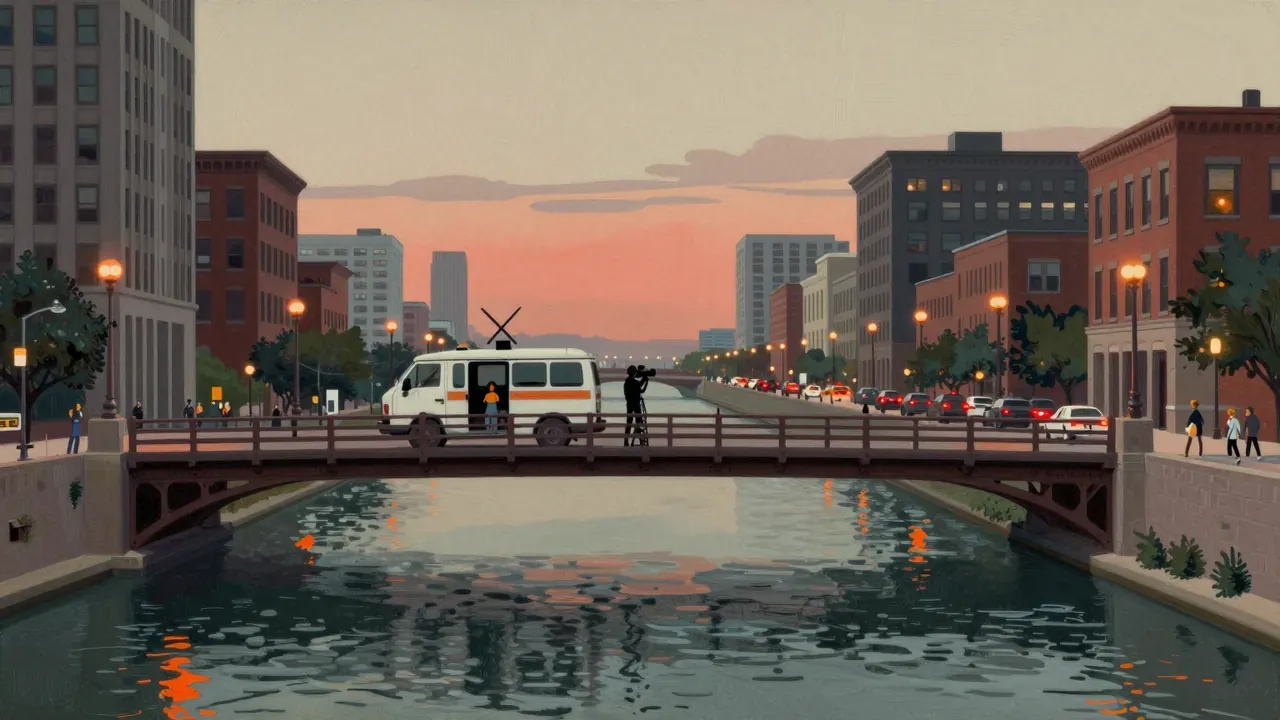
Haskell Wexler’s 1969 film merges scripted drama with documentary footage shot during the 1968 Democratic National Convention riots in Chicago. It follows a television cameraman who begins to question his role in recording — rather than intervening in — social crisis. Shot in cinéma vérité style, with minimal artifice and deliberate genre blurring, it interrogates media complicity, surveillance, and the ethics of observation. Though its romance and character arcs remain deliberately thin, its formal rigour and historical immediacy give it enduring force.

13:00

Scanners

David Cronenberg · 1981

David Cronenberg’s 1981 Canadian sci-fi thriller follows Cameron Vale, a scanner with uncontrollable telepathic abilities, as he is recruited by security firm ConSec to stop Darryl Revok, a rogue scanner waging psychic war. Shot in Montreal with industrial precision, the film uses its infamous head explosion not as shock for shock’s sake but as the logical endpoint of a world where minds have no boundaries. Its themes of cognitive permeability, pharmaceutical control, and corporate co-option of human evolution remain starkly relevant.

13:00

The Confession

Costa-Gavras · 1970

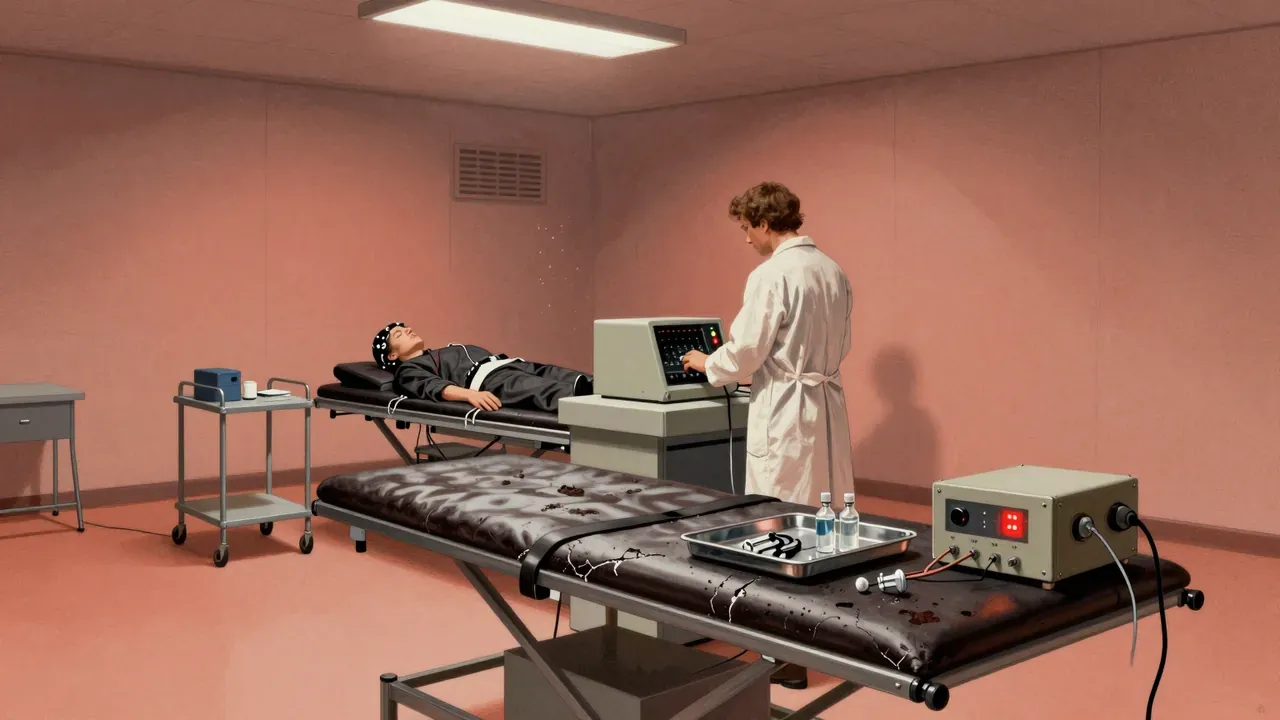
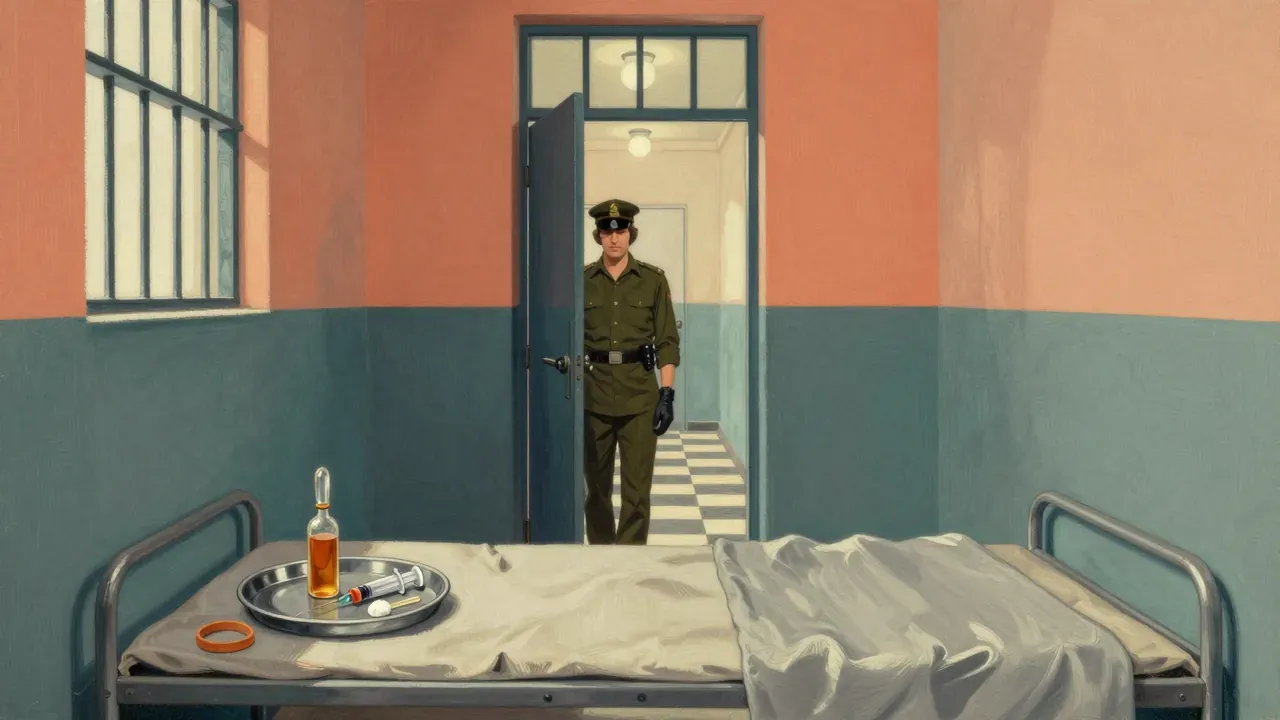
Costa-Gavras’s 1970 film The Confession adapts Artur London’s memoir of imprisonment and coerced confession during the 1952 Slánský trial in Prague. Starring Yves Montand and Simone Signoret, it traces the systematic dismantling of a loyal communist official—not through brutality, but through isolation, sleep deprivation, scripted rehearsals, and bureaucratic theatre. Shot in northern France with Raoul Coutard’s restrained cinematography and edited with deliberate duration, it avoids melodrama in favour of procedural realism. Though its final act falters in integration, and its density tests attention, it remains a rigorous, unsentimental study of how power hollows out personhood from within.

13:00

The Game

David Fincher · 1997

David Fincher’s 1997 neo-noir stars Michael Douglas as Nicholas Van Orton, a wealthy San Francisco banker whose life unravels after accepting a mysterious birthday gift: participation in a game run by Consumer Recreation Services. As reality blurs and surveillance becomes ambient, the film sustains psychological pressure through precise craft — Haris Savides’s cinematography, Howard Shore’s score, and James Haygood’s withholding edits — rather than plot mechanics. Its power lies in sustained ambiguity, its limitation in the late pivot toward explanation. It is a study in control lost, not regained.

13:00

The Model Couple

William Klein · 1977

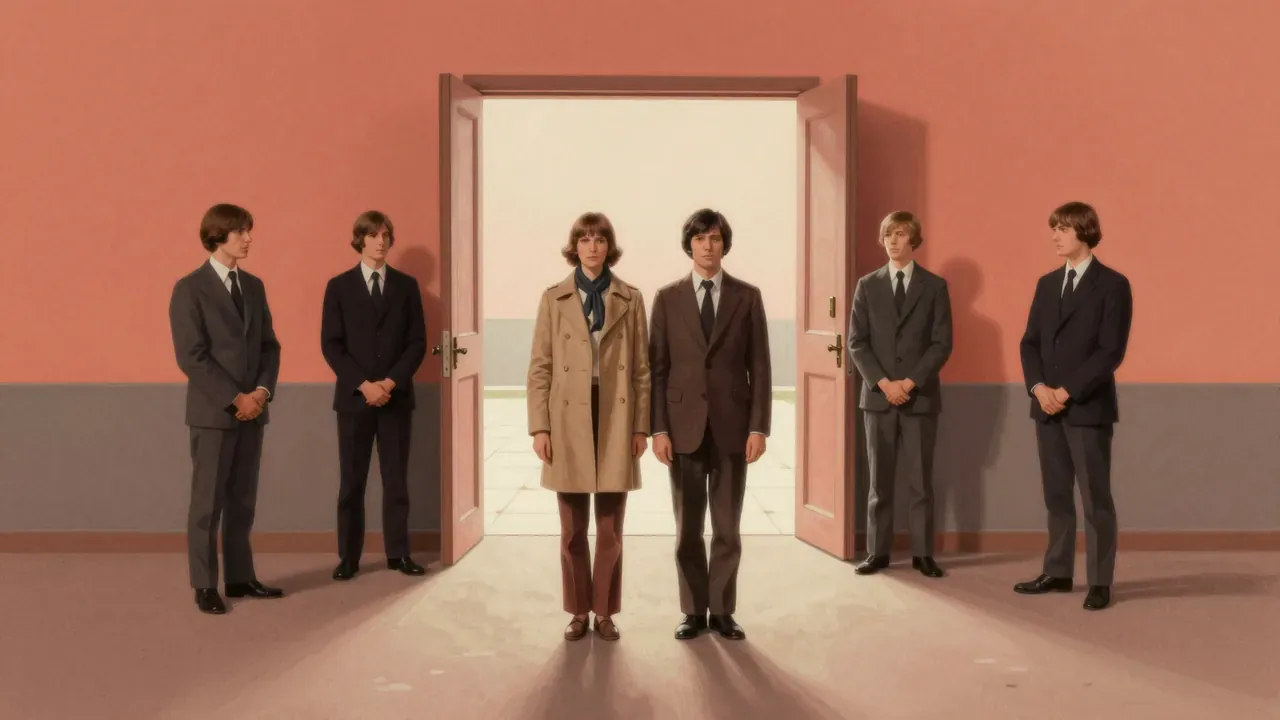
William Klein’s 1977 film follows a 'model couple' subjected to relentless observation in a state-run experiment designed to engineer future society. With deadpan performances, sterile cinematography, and a score that veers between lounge jazz and electronic unease, it satirises surveillance capitalism, bureaucratic theatre, and media-driven reality before those terms existed — not through prophecy, but through forensic mimicry of their logic.

13:00

World on a Wire

Rainer Werner Fassbinder · 1973

Rainer Werner Fassbinder’s 1973 two-part television serial adapts Daniel F. Galouye’s Simulacron-3 as a cool, methodical inquiry into perception, memory, and institutional control. Set in a near-future West Germany indistinguishable from the present, it follows cyberneticist Fred Stiller as he uncovers layers of simulation — not as spectacle, but as bureaucratic fact. Shot on 16mm by Michael Ballhaus, scored sparsely by Gottfried Hüngsberg, and performed with deliberate restraint, it sustains a quiet, recursive unease across 210 minutes. Its power lies in accumulation, not climax: names disappear, people vanish, logic folds — all without fanfare.

13:00

Enemy of the State

Tony Scott · 1998

Enemy of the State (1998) is a Tony Scott-directed action thriller in which labour lawyer Robert Clayton Dean is targeted by rogue NSA agents after unwittingly acquiring evidence of a political assassination. With Gene Hackman as a reclusive ex-intelligence operative, the film charts Dean’s rapid erasure from normal life and his fight to expose the conspiracy. Though its plot leans on convenience and its politics remain broad, its execution — in pacing, performance, and sensory detail — delivers sustained tension and a potent, embodied sense of vulnerability to systemic power.

13:00

Strange Days

Kathryn Bigelow · 1995

Kathryn Bigelow’s 1995 science fiction thriller, set in a gritty, near-future Los Angeles, follows a black-market dealer of recorded memories (SQUID) who uncovers a conspiracy tied to police violence, racial injustice, and sexual assault. Anchored by Ralph Fiennes and Angela Bassett, it merges noir structure with dystopian texture, using immersive point-of-view sequences and a brooding electronic score to explore surveillance, memory, and power. Though a box-office failure, its formal rigour and thematic prescience have earned it enduring critical reassessment.

13:00

The Matrix

Lilly Wachowski · 1999

The Matrix is a 1999 science-fiction thriller directed by Lilly Wachowski, starring Keanu Reeves as Neo, a computer hacker who discovers reality is a machine-generated simulation. Guided by Morpheus (Laurence Fishburne) and Trinity (Carrie-Anne Moss), he joins a rebellion against sentient machines. Built on rigorous martial arts choreography, innovative visual effects including 'bullet time', and a green-tinged visual grammar, the film treats perception as infrastructure and freedom as embodied practice. It won four Academy Awards, including Best Visual Effects and Best Film Editing, and remains culturally resonant for its fusion of philosophy, action, and formal invention.