filmbriefs
Topic

Silence

The other half of the composition.

13
in film
13:00
average
169 min
in total
24
across the network
Silence across the network →
All briefs13
13:00

Compensation

Zeinabu irene Davis · 2000

Compensation is a 1999 independent film directed by Zeinabu irene Davis, telling parallel love stories—one in 1910 Chicago, the other in the 1990s—between deaf women and hearing men. Shot in black-and-white silent-film style for the past and with open captions for the present, it draws on Paul Laurence Dunbar’s 1906 poem and foregrounds ASL, Chicago’s geography, and the social realities of tuberculosis and AIDS. Restored in 4K by Criterion and UCLA, it premiered at Sundance 2000 and entered the National Film Registry in 2024.
13:00

Good Morning

Yasujirō Ozu · 1959

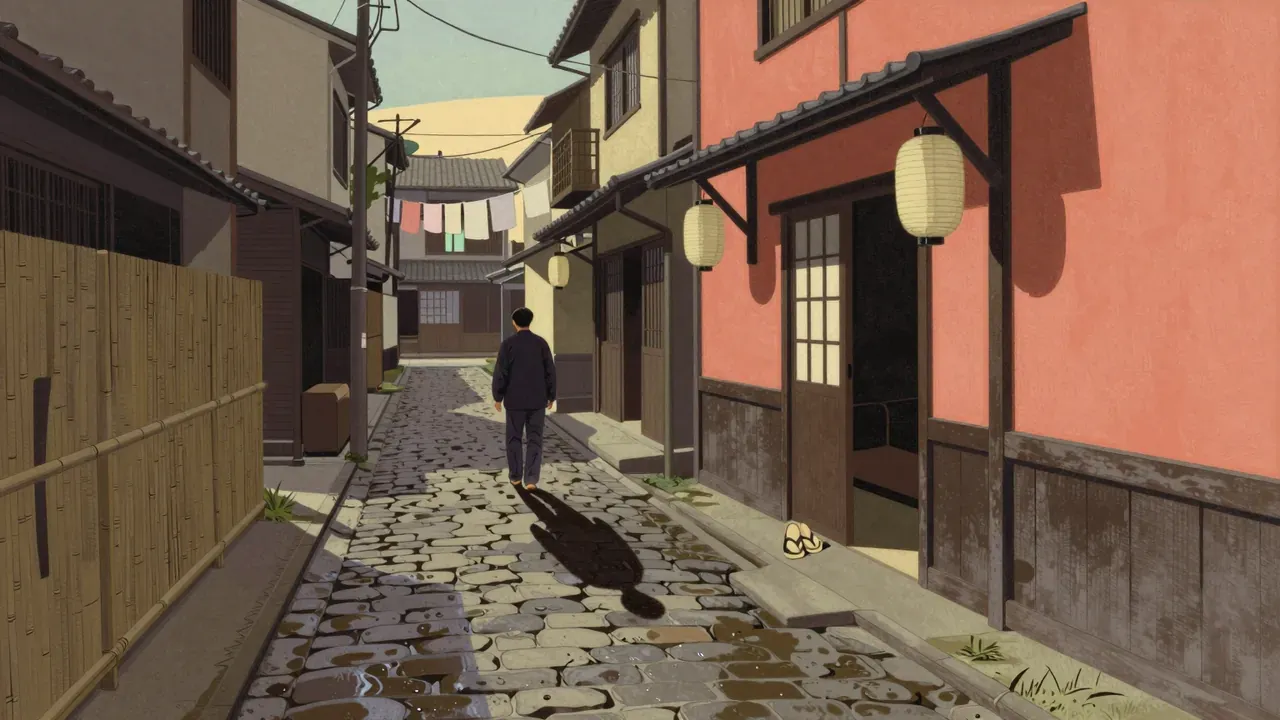
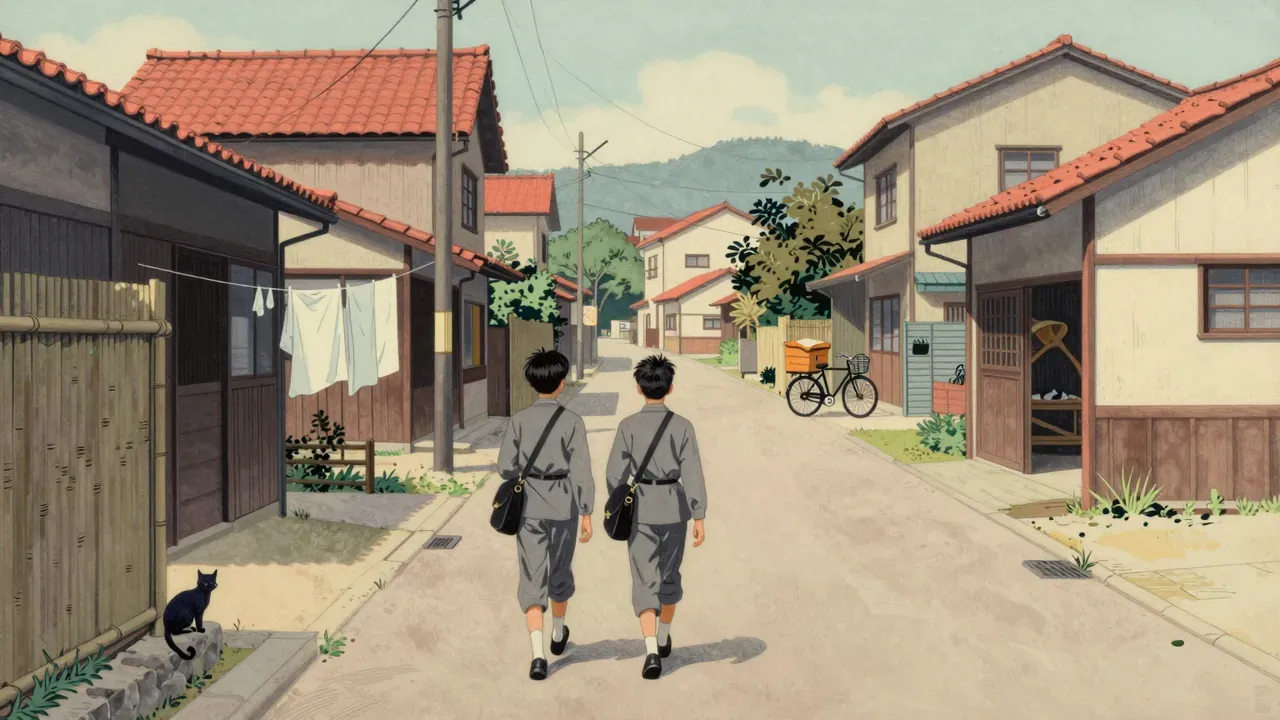
Yasujirō Ozu’s 1959 colour comedy follows two brothers who stop speaking to protest their parents’ refusal to buy a television. Set in a Tokyo suburb, the film traces how their silence ripples through the neighbourhood, exposing the fragility of gossip, the labour of politeness, and the quiet absurdity of adult consensus — all observed with Ozu’s characteristic stillness and dry precision.

13:00

Hôtel Monterey

Chantal Akerman · 1972

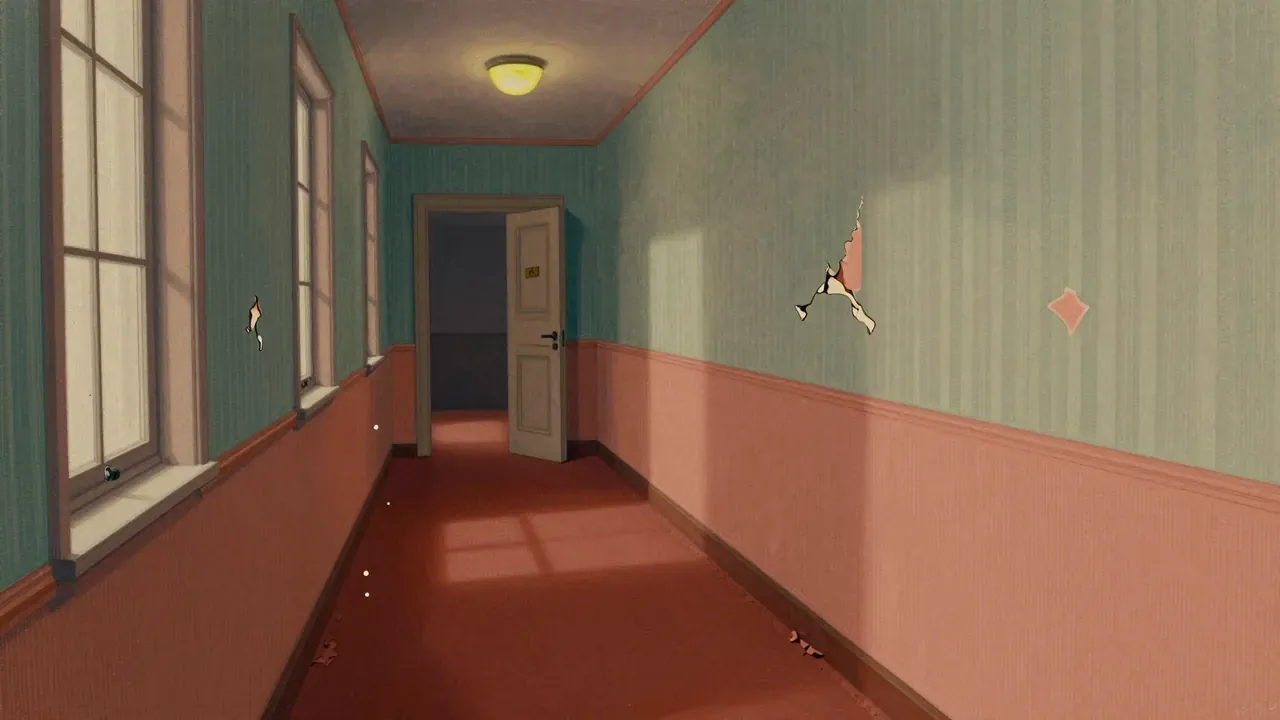
Chantal Akerman’s 1972 debut feature is a silent, sixty-five-minute documentary shot in fixed long takes inside New York’s Hotel Monterey. With Babette Mangolte’s precise cinematography, it maps the building’s corridors, rooms and roof without narration, music or commentary — treating architecture as a sequence of visual propositions about time, space and perception.

13:00

I Was Born, But...

Yasujirō Ozu · 1932

Yasujirō Ozu’s 1932 silent comedy follows two brothers whose faith in their father collapses when they see him humiliate himself before his boss on home film. With still camerawork, sparse intertitles, and performances rooted in physical truth, the film traces the quiet transmission of social submission across generations — not as satire or tragedy, but as observed fact.

13:00

Japanese Girls At The Harbor

Hiroshi Shimizu · 1933

Japanese Girls at the Harbor (1933), directed by Hiroshi Shimizu, follows Sunako Kurokawa, a mixed-race teenager in Yokohama whose life fractures after a jealous shooting in a church. Years later, living as a bar worker and companion to an unsuccessful painter, she confronts the people she once loved—including the man who left her and the girl she shot. With no spoken dialogue and minimal intertitles, the film relies on composition, gesture, and duration to chart moral consequence without judgment or resolution.

13:00

Passing Fancy

Yasujirō Ozu · 1933

A 1933 Japanese silent film directed by Yasujirō Ozu, Passing Fancy follows Kihachi, a widowed brewery worker in Tokyo, as he shelters a destitute young woman and navigates care for her and his young son. With minimal intertitles, restrained performances, and Hideo Shigehara’s understated cinematography, the film traces quiet shifts in dignity, class, and paternal love — all within the confines of everyday spaces and routines.

13:00

Street Without End

Mikio Naruse · 1934

Street Without End (1934), Mikio Naruse’s final silent film, follows Tokyo waitress Sugiko as she navigates competing paths — marriage into wealth, stardom in film, or return to work — all shaped by rigid class boundaries and unspoken expectations. With restrained performances and precise, shallow-focus cinematography, it observes rather than judges, finding tension in stillness and consequence in repetition.

13:00

The Naked Island

Kaneto Shindō · 1960

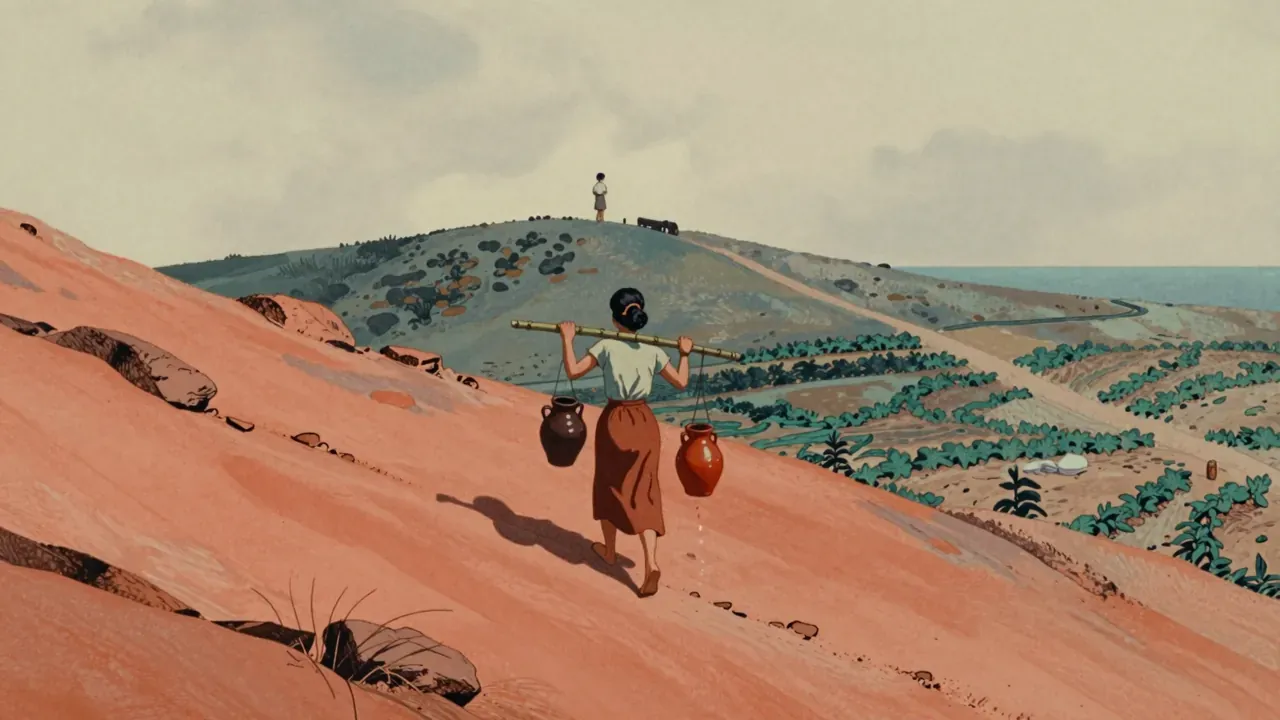
Kaneto Shindō’s 1960 film follows a family surviving alone on a remote island in Japan’s Seto Inland Sea, carrying water daily to grow crops. With almost no spoken dialogue, it relies on repetition, physical exertion and Kiyomi Kuroda’s restrained cinematography to convey endurance, grief and routine. Though its agricultural premise is factually flawed, its austere method remains compelling: a rigorous, unsentimental portrait of persistence.

13:00

The Silence

Ingmar Bergman · 1963

Ingmar Bergman’s 1963 drama follows two estranged sisters and a child stranded in a nameless, linguistically impenetrable city on the edge of war. With sparse dialogue, deliberate pacing and Sven Nykvist’s muted cinematography, it renders the collapse of communication — between people, languages, selves. Not a puzzle to solve but a space to inhabit, its power lies in what it withholds.

13:00

Walk Cheerfully

Yasujirō Ozu · 1930

Yasujirō Ozu’s 1930 silent film Walk Cheerfully follows a young man’s fall into petty crime and tentative return to social life in interwar Tokyo. With restrained performances, frontal compositions, and a deliberate, unhurried pace, it builds meaning through repetition, posture, and spatial arrangement rather than exposition or drama. Shot by Hideo Shigehara and written by Hiroshi Shimizu and Tadao Ikeda, it reflects Shochiku’s ‘new tendency’ realism — attentive to class, work, and urban routine, but resistant to moral simplification or emotional display.

13:00

City Lights

Charlie Chaplin · 1931

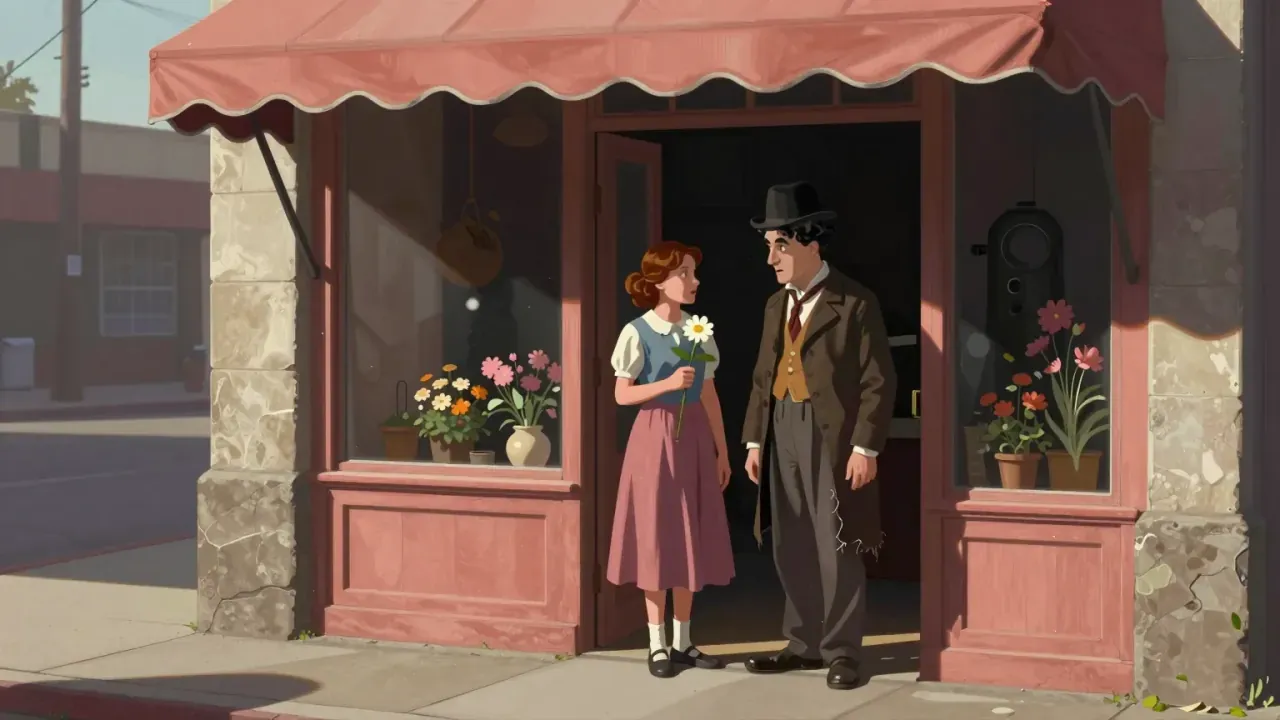
A 1931 silent romantic comedy-drama written, directed by and starring Charlie Chaplin. Though released after the arrival of sound cinema, it uses no spoken dialogue, relying instead on physical performance, intertitles, and a composed musical score. The Tramp falls for a blind flower seller and forms a volatile bond with a drunken millionaire. Its final scene — the flower girl’s first sighted meeting with the Tramp — is widely regarded as one of cinema’s most accomplished moments of wordless emotional storytelling.

13:00

Rififi

Jules Dassin · 1955

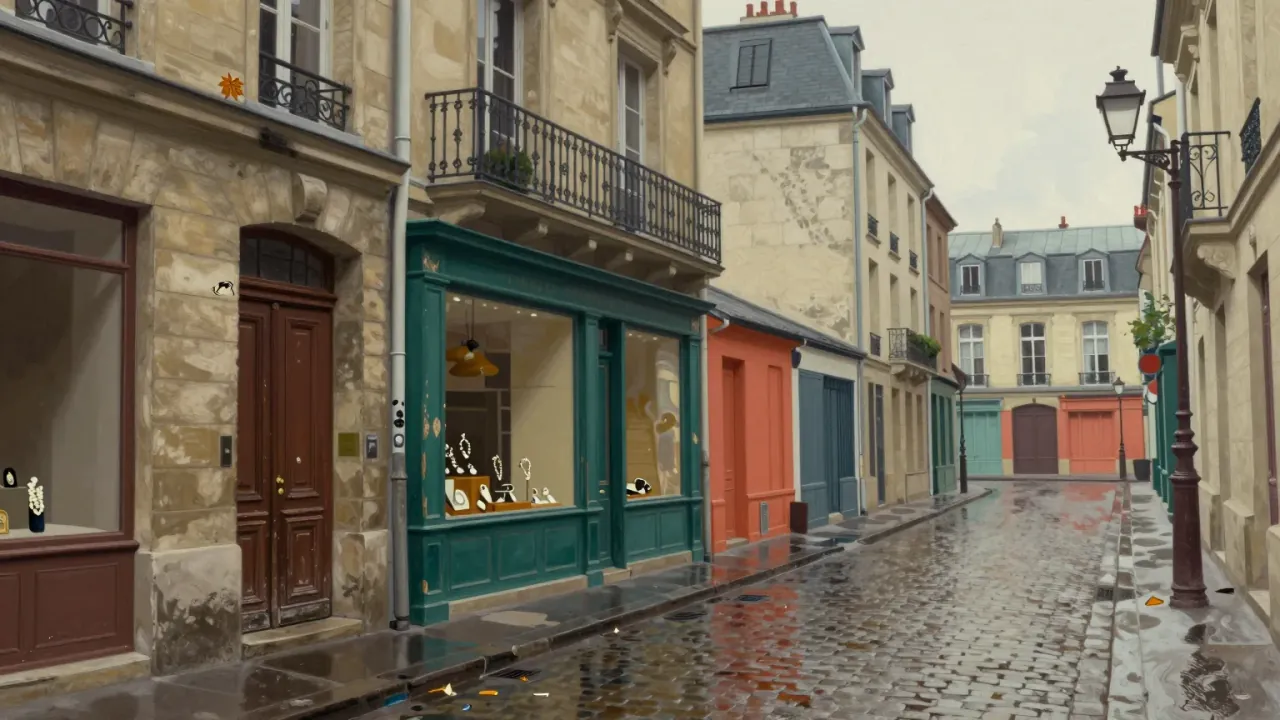
Rififi (1955), directed by Jules Dassin, is a French crime film centred on a meticulously detailed, nearly silent jewellery heist in Paris. Made on a low budget after Dassin’s Hollywood blacklist, it strips away music, exposition, and glamour to focus on process, consequence, and the collapse of a thieves’ code. Its enduring power lies in its restraint: no score during the heist, no close-ups for emphasis, no redemption offered.

13:00

The Piano

Jane Campion · 1993

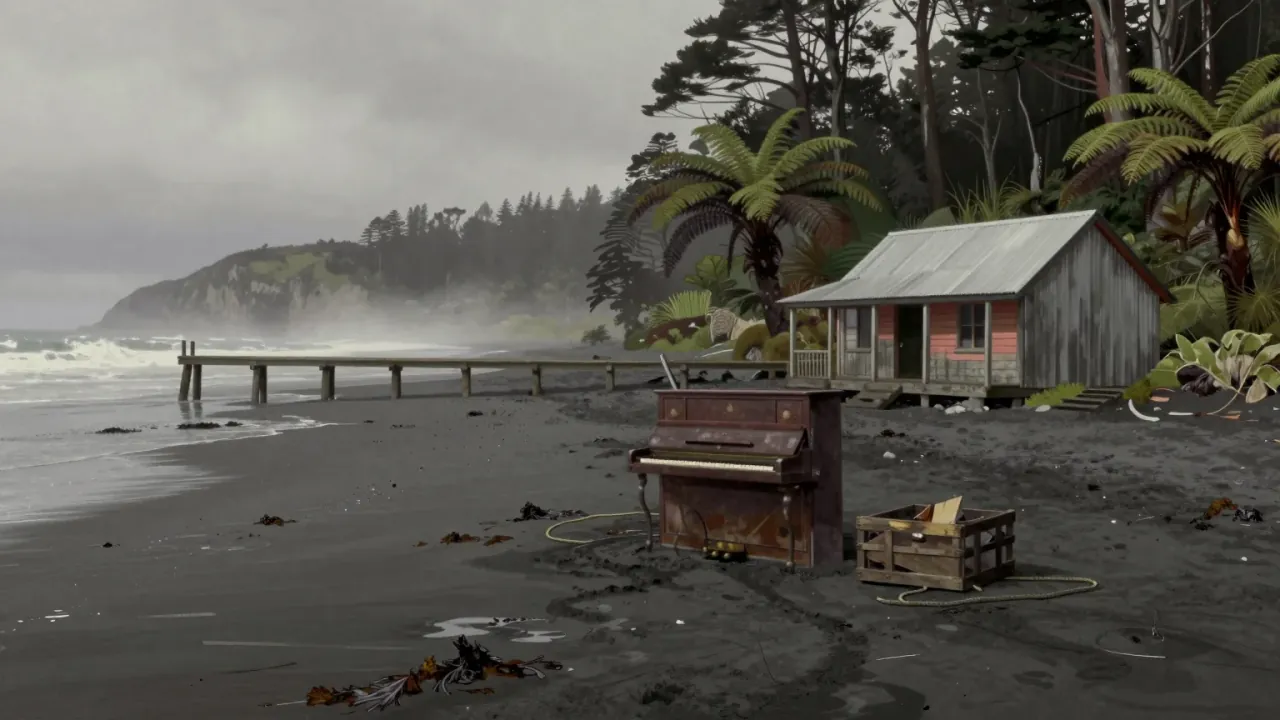
Jane Campion’s 1993 drama follows Ada McGrath, a mute Scottish woman who travels to colonial New Zealand for an arranged marriage, carrying only her daughter and a piano. When her instrument is abandoned on the beach, she negotiates its return with a neighbouring settler — a transaction that unravels into desire, betrayal, violence, and self-reclamation. Anchored by Holly Hunter’s physically exacting performance and Michael Nyman’s insistent score, the film renders interiority through gesture, sound, and resistance rather than speech.