filmbriefs
Topic

Self-deception

Believing what is convenient, without noticing the choice.

9
in film
13:00
average
117 min
in total
14
across the network
Self-deception across the network →
All briefs9
13:00

Confessions of a Cheat

Sacha Guitry · 1936

Sacha Guitry’s 1936 Confessions of a Cheat tells the life story of a man who cheats his way through childhood, war, love and gambling — all narrated in voiceover by Guitry himself, who speaks every line of dialogue. Structured as a café-bound memoir, it uses formal restraint to examine dishonesty as habit, not sin. Adapted from Guitry’s own novel, it privileges narrative control over emotional display, and ends not with repentance but with quiet professional reinvention.
13:00

F for Fake

Orson Welles · 1973

Orson Welles’s 1973 essay-film F for Fake uses the lives of art forger Elmyr de Hory and hoax biographer Clifford Irving to dissect authorship, authenticity, and the cinematic construction of truth. Shot across France, Spain, Italy, and the US, it layers re-enactments, spliced interviews, and fabricated footage — including a wholly invented War of the Worlds scene — to demonstrate how belief is engineered through editing, voice, and framing. With François Reichenbach as cinematographer and Michel Legrand scoring its sly, jazz-inflected passages, the film refuses documentary convention in favour of procedural argument. Its themes — self-deception, the economics of attribution, and the gendered politics of credibility — remain urgent. Though demanding, its 89-minute run is tightly controlled, its provocations precise.

13:00

House of Games

David Mamet · 1987

David Mamet’s 1987 directorial debut is a neo-noir thriller about a psychiatrist drawn into a world of confidence tricks. Lindsay Crouse plays Margaret Ford, whose clinical detachment unravels as she learns the grammar of deception from con man Mike Mancuso (Joe Mantegna). Structured like a series of escalating cons, the film traces her shift from observer to participant to perpetrator — culminating not in redemption but in quiet, irreversible moral collapse. Shot with tight framing and sparse scoring, it privileges precision over psychology, logic over catharsis.

13:00

Killers of the Flower Moon

Martin Scorsese · 2023

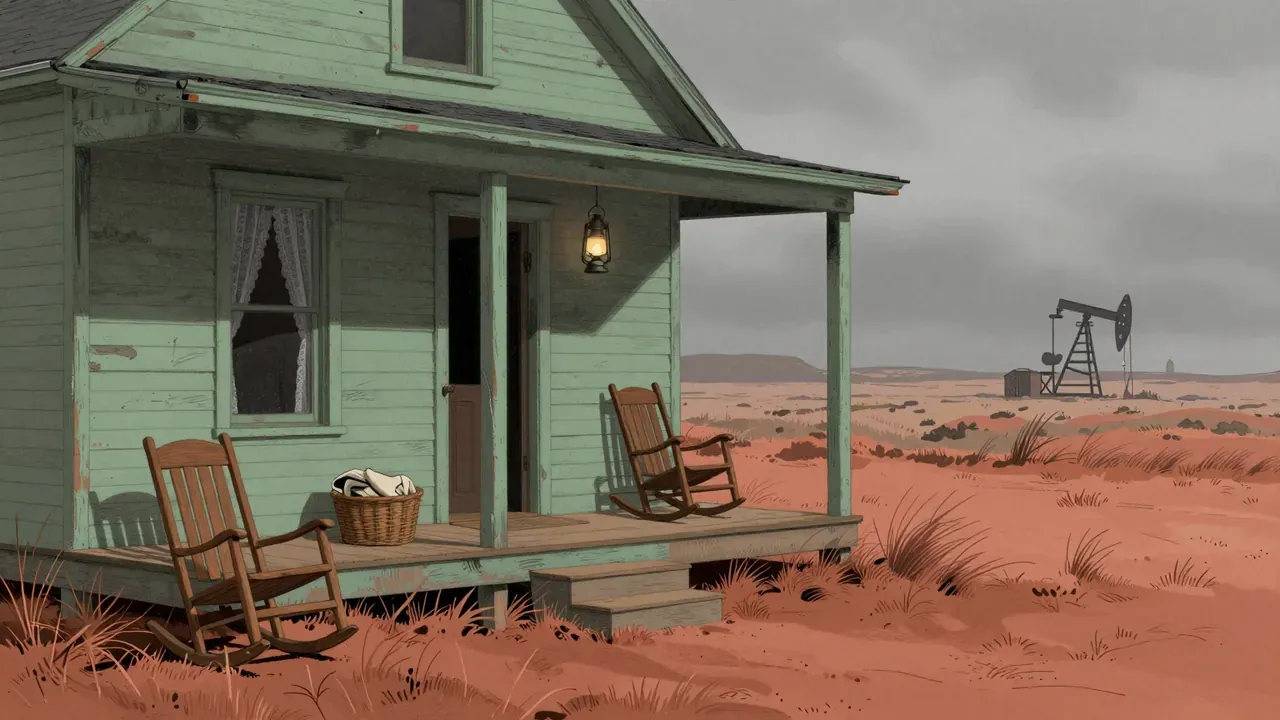
Killers of the Flower Moon (2023) is Martin Scorsese’s 206-minute crime drama adapting David Grann’s book on the 1920s Osage murders. Shifting focus from FBI investigation to the marriage of Ernest Burkhart and Mollie Kyle, it uses restrained craft — Rodrigo Prieto’s muted cinematography, Thelma Schoonmaker’s unhurried editing, Robbie Robertson’s sparse score — to situate colonial violence in domestic routine. Lily Gladstone’s performance grounds the film ethically and emotionally; Leonardo DiCaprio and Robert De Niro offer layered, unsettling turns. Though its length and ambiguity divide viewers, its commitment to Osage perspective and structural patience make it a singular, demanding work.

13:00

Nayak

Satyajit Ray · 1966

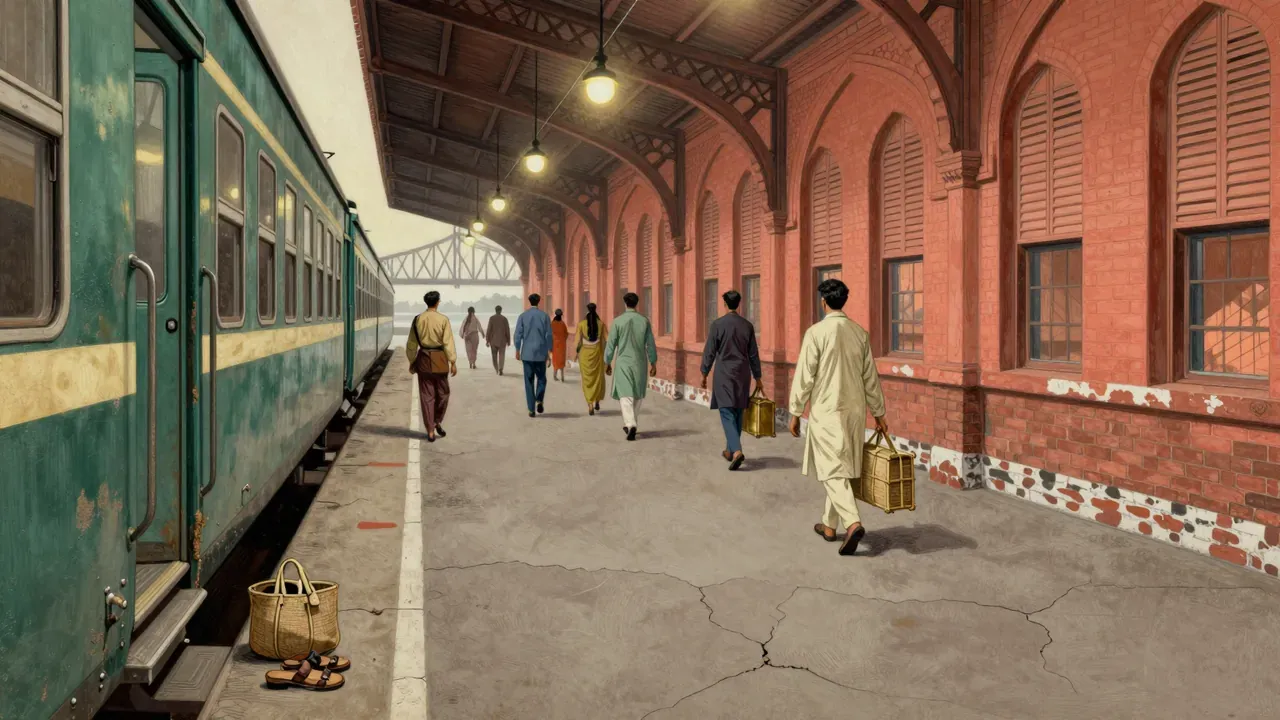
Satyajit Ray’s 1966 drama follows Bengali film star Arindam Mukherjee on an overnight train to receive a national award. Over 113 minutes, he unravels in conversation with a young journalist, revealing insecurities, regrets, and contradictions beneath his celebrity facade. Shot in studio-built train compartments with precise, unhurried craft, the film treats fame as erosion rather than triumph — and intimacy as fleeting, not redemptive.

13:00

Secret Honor

Robert Altman · 1984

Robert Altman’s 1984 film Secret Honor confines itself to one room and one performer: Philip Baker Hall as Richard Nixon, delivering a furious, fragmented, self-justifying monologue in the aftermath of resignation. Adapted from Donald Freed and Arnold M. Stone’s play, it rejects historical reconstruction in favour of psychological immersion — tracking how power, paranoia and self-deception reshape language and memory. Pierre Mignot’s restrained cinematography and George Burt’s minimal score serve Hall’s physically precise, verbally dense performance. It is arthouse drama of rare focus and endurance.

13:00

The Devil Is a Woman

Josef von Sternberg · 1935

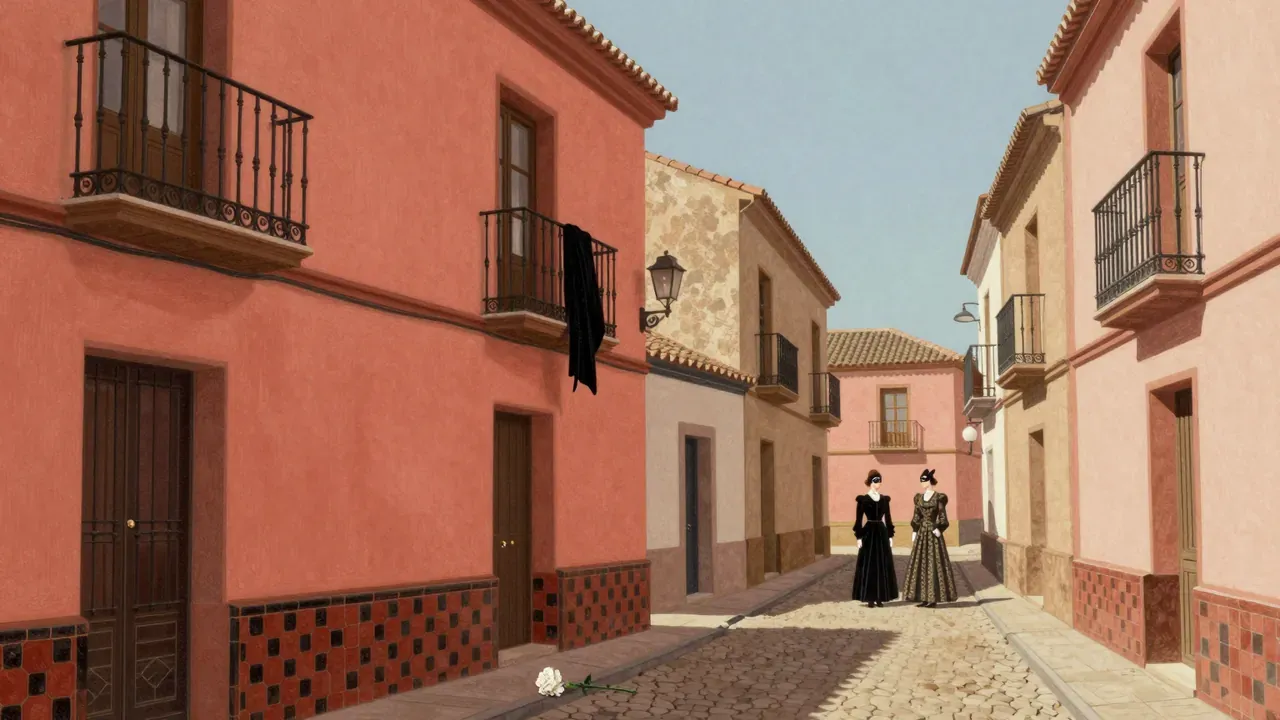
Josef von Sternberg’s 1935 final collaboration with Marlene Dietrich is a formally rigorous, emotionally detached fable set during Seville’s Carnival. Adapted from Pierre Louÿs’s novel, it follows the destructive allure of Concha Pérez, whose indifference to devotion becomes a structural principle. With deliberate artifice, stylised lighting, and rhythmic austerity, it examines self-deception as inevitable, not tragic. Not a romance but a parable of asymmetry—cold, precise, and unforgettable.

13:00

The Game

David Fincher · 1997

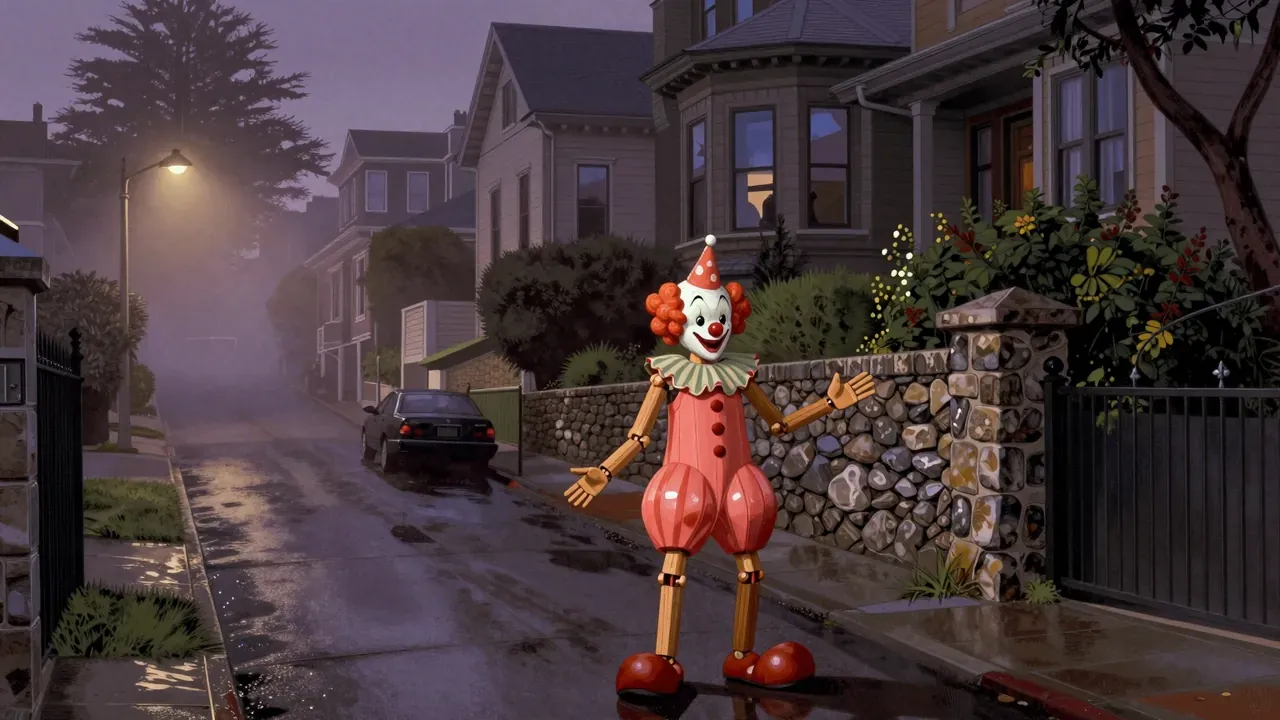
David Fincher’s 1997 neo-noir stars Michael Douglas as Nicholas Van Orton, a wealthy San Francisco banker whose life unravels after accepting a mysterious birthday gift: participation in a game run by Consumer Recreation Services. As reality blurs and surveillance becomes ambient, the film sustains psychological pressure through precise craft — Haris Savides’s cinematography, Howard Shore’s score, and James Haygood’s withholding edits — rather than plot mechanics. Its power lies in sustained ambiguity, its limitation in the late pivot toward explanation. It is a study in control lost, not regained.

13:00

The Magician

Ingmar Bergman · 1958

Ingmar Bergman’s 1958 The Magician follows a travelling troupe of performers led by mute magician Albert Vogler, whose claims of supernatural ability provoke suspicion in a Swedish village. Through layered deceptions, an autopsy gone awry, and a final royal summons, the film examines belief, authority, and the blurred line between fraud and revelation — all rendered in Gunnar Fischer’s muted, reflective cinematography and sustained by Max von Sydow’s physically restrained performance.