filmbriefs
Topic

Human nature

Whether there is one, and what every political system assumes about it.

20
in film
13:00
average
260 min
in total
41
across the network
Human nature across the network →
All briefs20
13:00

A Married Couple

Allan King · 1969

Allan King’s 1969 Canadian documentary observes Billy and Antoinette Edwards in their Toronto home for ten weeks, with no script, no direction during filming, and no narration. Shot by Richard Leiterman and edited by King, it presents marital life as unvarnished duration — arguments, tenderness, boredom, and silence unfolding without commentary. Though controversial on release for its explicitness and perceived voyeurism, it endures as a landmark of cinema vérité, testing whether sustained observation can reveal truths about intimacy that fiction and journalism obscure.
13:00

Crash

David Cronenberg · 1996

David Cronenberg’s 1996 adaptation of J.G. Ballard’s novel follows a television producer drawn into a subculture obsessed with the erotic potential of car crashes. Shot with clinical precision by Peter Suschitzky and scored with mechanical restraint by Howard Shore, the film treats trauma, technology and desire as interlocking systems — not metaphors, but conditions. Its performances are muted, its pacing deliberate, its conclusions withheld. It remains a polarising, formally exacting work of arthouse cinema.

13:00

Humanité

Bruno Dumont · 1999

Bruno Dumont’s 1999 Humanité follows a withdrawn French police lieutenant investigating the rape and murder of an eleven-year-old girl in rural Bailleul. Shot in natural light with minimal dialogue, it treats the case not as a puzzle but as a rupture in the fabric of daily life — observed with clinical patience, emotional restraint, and profound physical specificity. Emmanuel Schotté and Séverine Caneele deliver unadorned, deeply felt performances; Yves Cape’s cinematography grounds every moment in tangible reality. The film won the Grand Prix at Cannes and remains a defining work of late-20th-century arthouse realism.

13:00

Les Vacances de Monsieur Hulot

Jacques Tati · 1953

Jacques Tati’s 1953 comedy observes a French seaside resort through the quiet chaos introduced by Monsieur Hulot — a tall, pipe-smoking man whose well-meaning clumsiness exposes the fragility of middle-class ritual. Shot in black and white in Saint-Marc-sur-Mer, it builds humour from choreographed movement, layered sound, and precise framing rather than dialogue or plot. With minimal spoken words and a jazz score by Alain Romans, the film treats human behaviour as pattern, not psychology — finding comedy in repetition, timing, and the gap between intention and outcome.

13:00

Lord of the Flies

Peter Brook · 1963

Peter Brook’s 1963 Lord of the Flies adapts William Golding’s novel with stark formal discipline: non-professional actors, location shooting in Puerto Rico, minimal scripting, and editing that prioritises rhythm over exposition. It charts the slow dissolution of order among schoolboys stranded on an island, avoiding psychology for observation, symbolism for consequence. Thomas Hollyman’s black-and-white photography and Raymond Leppard’s sparse choral score reinforce its austerity. Though structurally uneven in the middle stretch and compromised by post-production dubbing, its power lies in its unwavering commitment to showing — not telling — how easily consensus unravels when no one is watching.

13:00

Orderly or Disorderly

Abbas Kiarostami · 1981

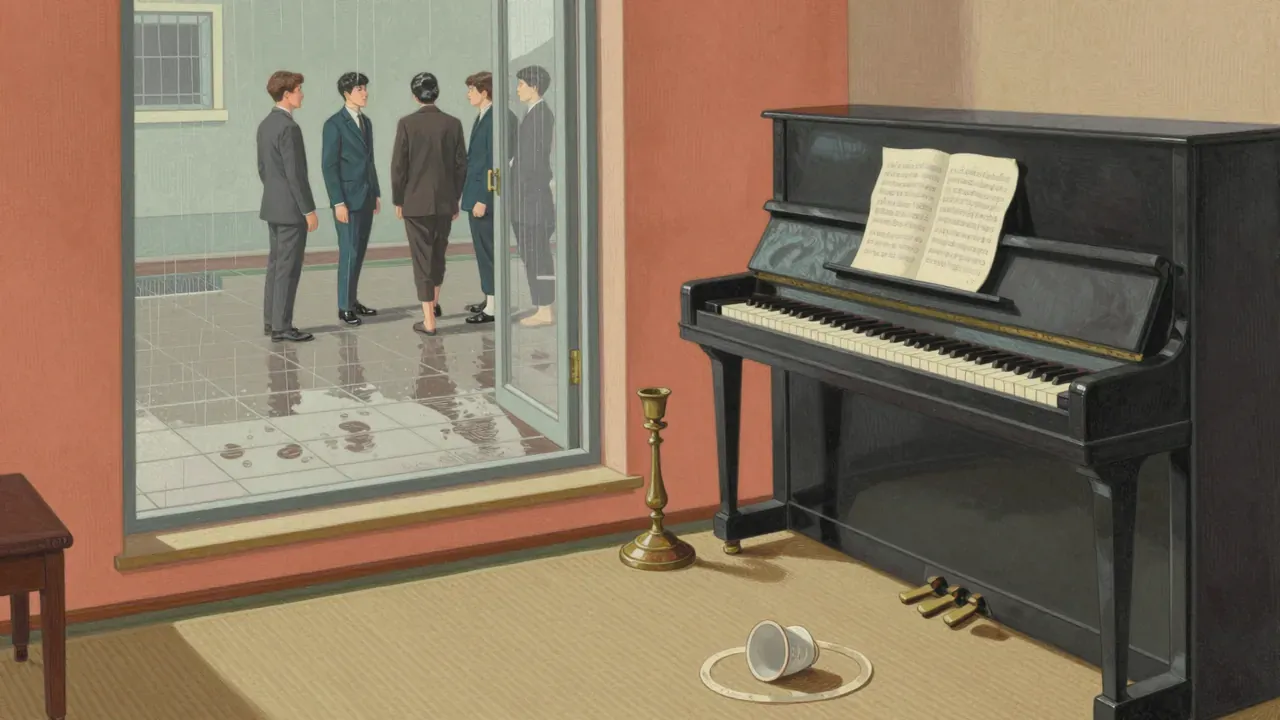
Orderly or Disorderly is a seventeen-minute 1981 Iranian short film by Abbas Kiarostami. Using a single courtyard, two groups of children and young adults, and a static camera, it compares structured and unstructured movement — one group walking in line, the other moving freely. There is no dialogue beyond instruction, no music, no editing within sequences. The film is a precise, quiet study of social patterning, asking what emerges when rules are given, withdrawn, or merely drawn on the ground.

13:00

Pigsty

Pier Paolo Pasolini, Sergio Citti · 1969

Pigsty is a 1969 dual-narrative allegory co-directed by Pier Paolo Pasolini and Sergio Citti. One strand follows a mute, cannibalistic youth on Mount Etna around 1500; the other traces Julian, a listless German industrialist’s son who retreats into a pigsty in 1967. Shot in Italy and Germany with stark cinematography and near-silent editing, the film draws a structural parallel between premodern violence and postwar consumer fascism — not through argument, but through relentless, unrelieved juxtaposition.

13:00

Red Beard

Akira Kurosawa · 1965

Akira Kurosawa’s 1965 drama follows a privileged young doctor’s moral education under the stern but compassionate mentorship of Red Beard, a rural clinic director in Edo-era Japan. Through patient vignettes—including a rescued brothel girl and a grieving townsman—the film traces quiet, hard-won shifts in perception, responsibility, and care. Shot in black-and-white with meticulous historical detail, it is Kurosawa’s last film with Toshirō Mifune and his most sustained meditation on humanism as daily practice.

13:00

Shallow Grave

Danny Boyle · 1994

Danny Boyle’s 1994 debut follows three Edinburgh flatmates who conceal the death of a mysterious new tenant and keep his suitcase of cash — only to fracture under paranoia, betrayal and violence. Shot in Glasgow on a £1 million budget, it’s a tightly wound crime thriller built on escalating consequences, not character revelation.

13:00

Straw Dogs

Sam Peckinpah · 1971

Straw Dogs (1971), directed by Sam Peckinpah, follows an American mathematician and his wife who retreat to a Cornish farmhouse, only to face escalating hostility from locals culminating in a violent siege. Adapted from Gordon M. Williams’s novel, the film strips away moral framing to examine the erosion of pacifism under sustained provocation. Shot by John Coquillon and scored by Jerry Fielding, it relies on meticulous realism, rhythmic editing and restrained performances — particularly Dustin Hoffman’s and Susan George’s — to build dread. Its themes of territoriality, masculinity and civilised self-deception remain urgent, though its handling of agency and motivation continues to divide viewers.

13:00

The Housemaid

Kim Ki-young · 1960

Kim Ki-young’s 1960 The Housemaid is a tightly controlled psychological horror set in a Seoul two-storey house. When a piano teacher hires a factory cleaner as maid, her quiet observation and escalating demands expose fault lines in his marriage, class position and moral authority. The film builds dread through restraint — no score, minimal exposition, unflinching framing — and ends where it began, suggesting its tragedy is cyclical, not exceptional.

13:00

The Most Dangerous Game

Irving Pichel, Ernest B. Schoedsack · 1932

The Most Dangerous Game (1932) adapts Richard Connell’s short story with surgical fidelity: a shipwrecked hunter becomes prey to a Russian aristocrat who hunts humans for sport. Shot on the same jungle sets as King Kong, it uses tight pacing, Max Steiner’s leitmotif-driven score, and Leslie Banks’s chillingly controlled performance to sustain dread without gore or exposition. Its themes — predation, civilisation’s fragility, and the boredom of mastery — land through structure, not speech. At 63 minutes, it is lean, logical, and enduring.

13:00

The Other Side of Hope

Aki Kaurismäki · 2017

In Helsinki, a Finnish shirt salesman buys a failing restaurant just as a Syrian asylum-seeker arrives, having stowed away on a cargo ship. Their paths cross when the man offers shelter and work. With minimal dialogue and deliberate pacing, the film traces small acts of solidarity — forged papers, a smuggled reunion, a shared meal — against a backdrop of bureaucratic indifference and casual racism. Directed by Aki Kaurismäki, it is a restrained, humane drama about persistence, not resolution.

13:00

The Passion of Anna

Ingmar Bergman · 1969

Set on Fårö in 1969, Ingmar Bergman’s The Passion of Anna traces the slow collapse of four isolated people — Andreas, Anna, Eva, and Elis — bound by grief, deception, and unspoken violence. Shot by Sven Nykvist and performed with austere precision by Max von Sydow and Liv Ullmann, it uses fractured chronology, direct-to-camera interviews, and recurring images of cruelty to examine how moral failure migrates through relationships. Not a sequel but a companion to Shame, it offers no catharsis — only stark articulation.

13:00

The Pornographers

Shohei Imamura · 1966

Shohei Imamura’s 1966 film follows Subuyan Ogata, a small-time pornographer in post-war Osaka, living in a crowded house with his landlady Haru, her daughter Keiko and others. Based on Akiyuki Nosaka’s novel, it uses deadpan observation and unvarnished detail to explore desire, exploitation and ritual as inseparable parts of daily life. Shinsaku Himeda’s restrained cinematography and Shoichi Ozawa’s understated performance anchor a film that refuses moral framing in favour of anthropological clarity.

13:00

Gun Crazy

Joseph H. Lewis · 1950

A lean, unsentimental 1950 crime film tracing the steady collapse of moral choice in a young couple drawn into robbery and murder. Directed by Joseph H. Lewis with stark visual economy and anchored by Peggy Cummins and John Dall, it treats violence as consequence, not climax — and remains potent precisely because it refuses to explain itself.

13:00

Happiness

Todd Solondz · 1998

Todd Solondz’s 1998 ensemble film follows three sisters and their circle across intersecting stories of loneliness, repression and violation. Shot by Maryse Alberti and scored by Robbie Kondor, it treats pedophilia, obscene phone calls, marital drift and suicidal despair with unblinking, tonally level observation. Its power lies in accumulation, not climax — in the weight of unspoken things, the silence after a confession, the banality of moral collapse. It won the FIPRESCI Prize at Cannes and the National Board of Review’s Top Ten Films award, and was released unrated after surrendering its NC-17 classification.

13:00

The Gold Rush

Charlie Chaplin · 1925

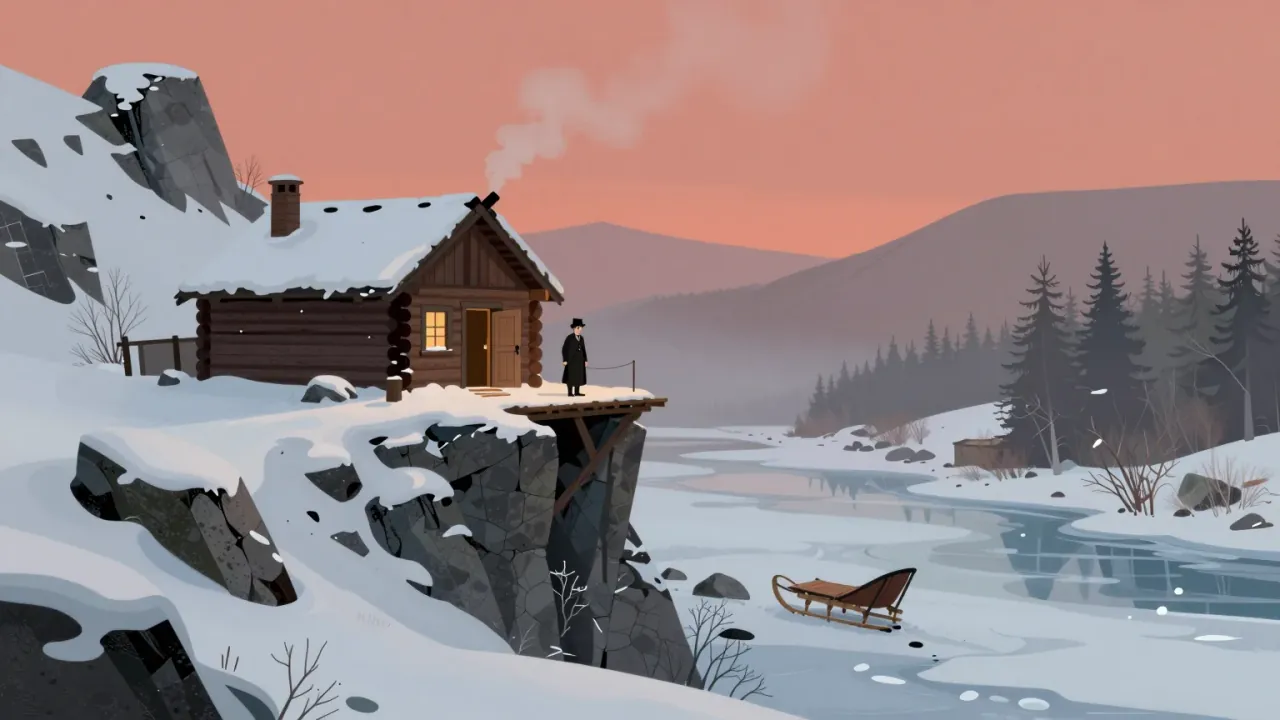
Charlie Chaplin’s 1925 silent feature The Gold Rush transplants his Little Tramp into the Klondike Gold Rush, using starvation, cold, and isolation as structural principles rather than setting. Its most enduring sequences — shoe-eating, roll-dancing, cabin-on-a-cliff — succeed through unwavering tonal control and physical precision. While the romantic second half lacks the psychological density of the survival sections, the film remains a masterclass in expressive economy: every frame, gesture, and pause serves its dual commitment to laughter and pathos.

13:00

The Northman

Robert Eggers · 2022

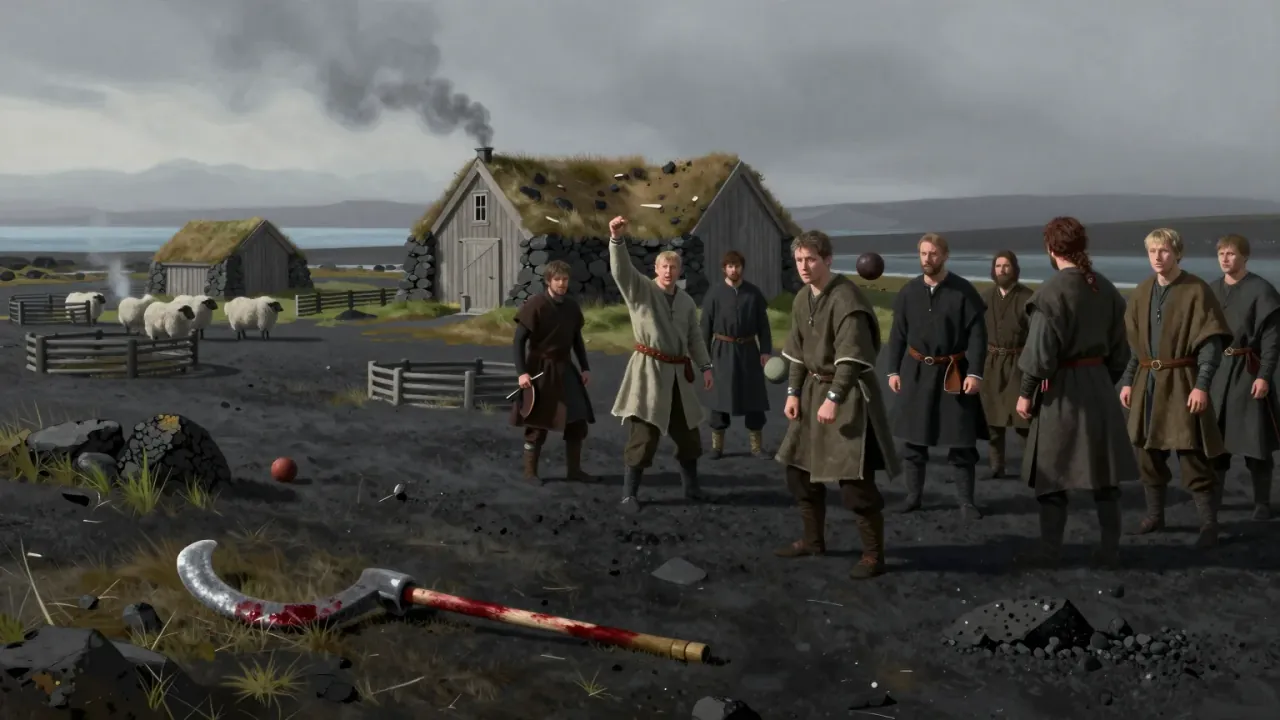
Robert Eggers’ The Northman adapts the Amleth legend into a stark, sensory-driven saga of fate and vengeance. Shot across Iceland and Northern Ireland, it follows Alexander Skarsgård’s Amleth as he fulfils a childhood oath to kill his uncle, played by Claes Bang. With Jarin Blaschke’s austere cinematography and Vessel’s drone-heavy score, the film prioritises ritual over psychology and texture over exposition. Though critically praised, it underperformed commercially and divides audiences on its emotional austerity.

13:00

The Treasure of the Sierra Madre

John Huston · 1948

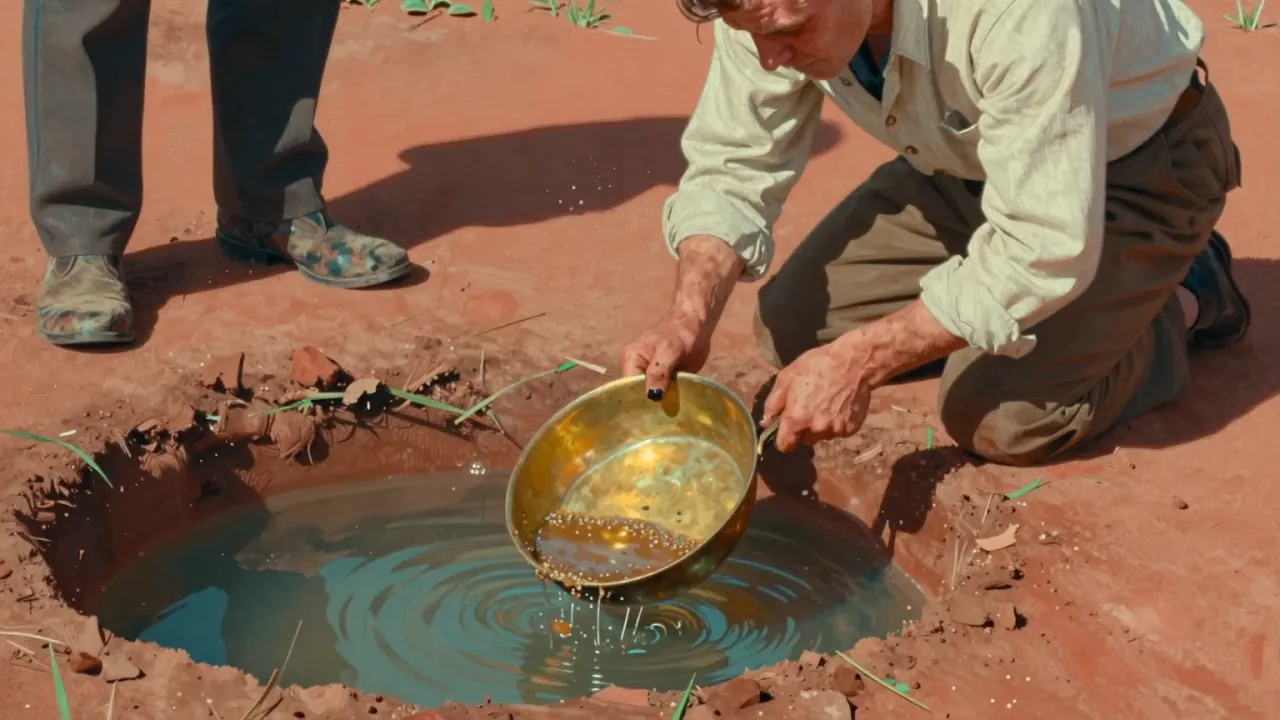
John Huston’s 1948 adaptation of B. Traven’s novel follows two American drifters and an ageing prospector searching for gold in the Mexican wilderness. As the find is made, trust fractures, language fails, and morality simplifies to survival. With restrained cinematography by Ted McCord, sparse scoring by Max Steiner, and performances anchored by Humphrey Bogart and Walter Huston, the film traces the slow, unsentimental collapse of shared reality under pressure. Shot on location in Mexico and California, it remains a benchmark of psychological realism — austere, exacting, and unyielding.