filmbriefs
Topic

Poetry

The form with the smallest audience and the longest memory.

9
in film
13:00
average
117 min
in total
25
across the network
Poetry across the network →
All briefs9
13:00

Alphaville

Jean-Luc Godard · 1965

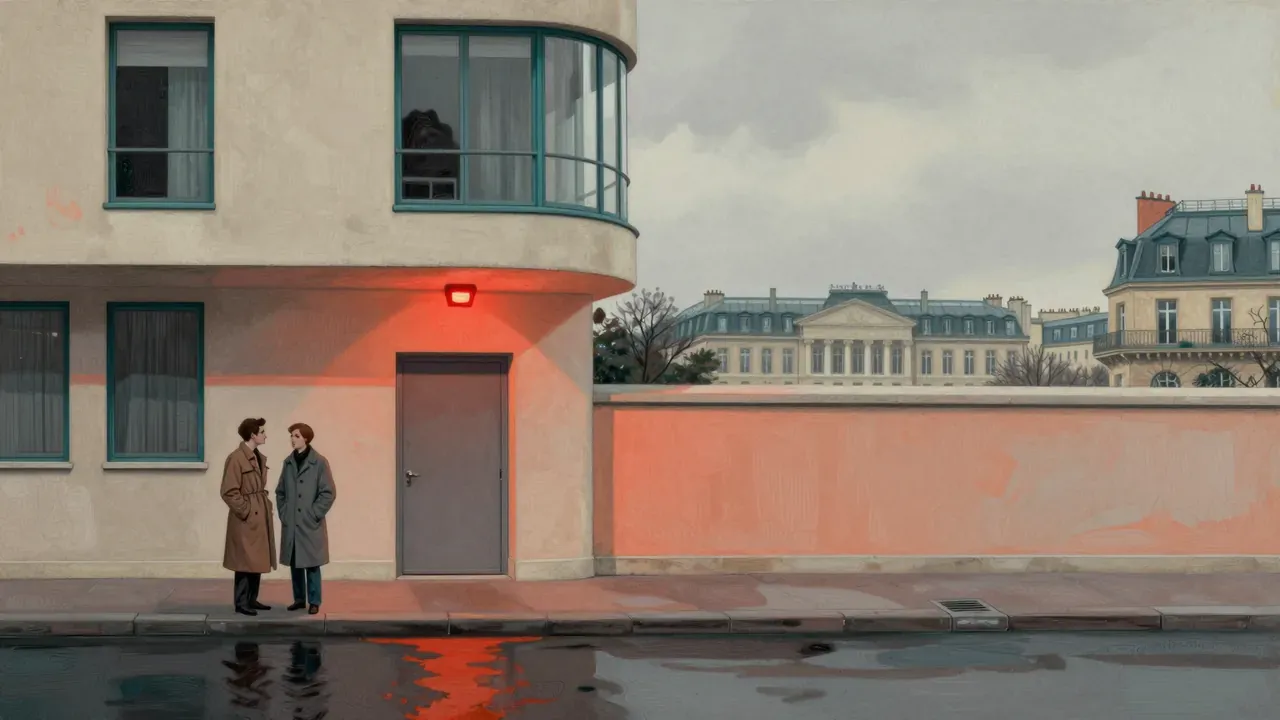
Jean-Luc Godard’s 1965 Alphaville transplants American detective Lemmy Caution into a nameless, near-future city ruled by Alpha 60, a sentient computer that bans emotion, poetry, and questioning. Shot on real Paris locations with no futuristic props, it merges film noir and dystopian satire to interrogate language, control, and the persistence of feeling. Eddie Constantine and Anna Karina star; Raoul Coutard shot it, Agnès Guillemot edited it, Paul Misraki scored it. It won the Golden Bear at Berlin in 1965.
13:00

Dead Man

Jim Jarmusch · 1995

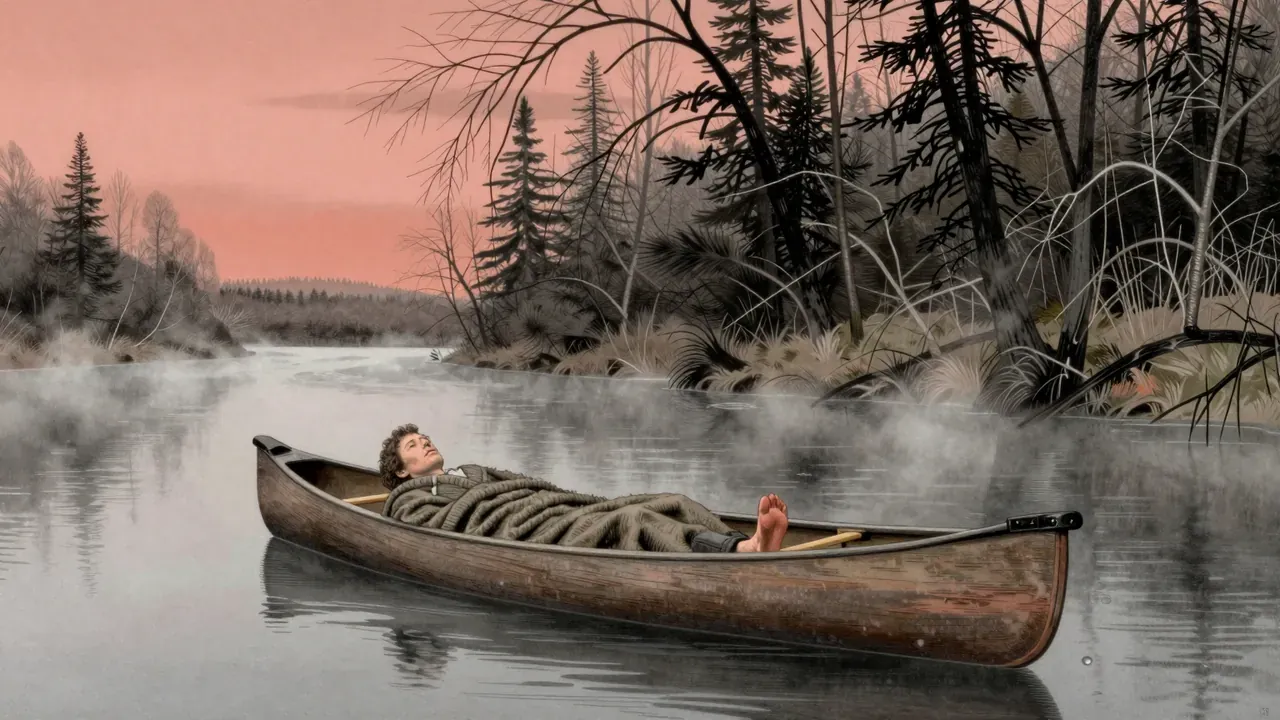
Dead Man (1995) is Jim Jarmusch’s monochrome acid western starring Johnny Depp as a fatally wounded accountant guided west by Gary Farmer’s enigmatic Native American spirit-guide Nobody. Shot by Robby Müller and scored by Neil Young, it rejects narrative convention in favour of ritual, silence, and poetic logic — foregrounding Indigenous epistemology, untranslated Cree and Blackfoot dialogue, and a vision of landscape as sentient participant. Though critically divisive on release, it has since been reassessed as a singular, austere meditation on mortality, colonialism, and perception.

13:00

Love Jones

Theodore Witcher · 1997

A 1997 Chicago-set romance following poet Darius Lovehall and photographer Nina Mosley as they navigate attraction, miscommunication, and distance without relying on genre clichés. Directed by Theodore Witcher as his debut, it foregrounds Black intellectual and artistic life, uses spoken word as emotional grammar, and resists tidy closure in favour of bittersweet realism.

13:00

Orpheus

Jean Cocteau · 1950

Jean Cocteau’s 1950 Orpheus recasts the Greek myth as a post-war Parisian fable, where poetry, death and mirrors operate under shared, unspoken rules. Jean Marais stars as a poet drawn into a bureaucratic underworld by María Casares’ enigmatic Princess of Death. Shot in ruined academies and Paris streets, with practical effects that foreground craft rather than conceal it, the film sustains a poetic logic across 95 minutes — demanding attention, not explanation.

13:00

Poetic Justice

John Singleton · 1993

Poetic Justice is John Singleton’s 1993 romantic road film following Justice (Janet Jackson), a grieving poet and hairdresser, on a journey from South Los Angeles to Oakland with friends and postal workers Lucky (Tupac Shakur) and Chicago (Joe Torry). Shot by Peter Lyons Collister and scored by Stanley Clarke, it attempts to centre Black women’s emotional lives within the ‘hood film’ tradition. Though criticised for narrative slack and exposition-heavy writing, it endures for its textured portrayal of grief, care and quiet connection — anchored by Jackson and Shakur’s restrained, resonant performances.

13:00

The Blood of a Poet

Jean Cocteau · 1932

Jean Cocteau’s 1932 debut feature is a 55-minute avant-garde fantasy structured in four discontinuous sections. An artist sketches a mouth that migrates to his palm, then to a statue’s lips; he passes through a mirror into a hotel where he is instructed to shoot himself; a marble snowball kills a boy; a card game unfolds over the corpse while a guardian angel absorbs him and departs. Shot by Georges Périnal, scored by Georges Auric, and narrated by Cocteau, it avoids psychology and narrative logic in favour of symbolic recurrence and formal rigour. Financed by Charles de Noailles, it was delayed over fears of blasphemy and remains the first part of Cocteau’s Orphic Trilogy.

13:00

The Eternal Breasts

Kinuyo Tanaka · 1955

Kinuyo Tanaka’s 1955 film follows Fumiko Nakajō, a tanka poet diagnosed with late-stage breast cancer, as she navigates divorce, motherhood, literary ambition, and mortality. Shot on location in Hokkaidō, it avoids biopic conventions, favouring quiet observation over exposition. Yumeji Tsukioka anchors a restrained ensemble; Kumenobu Fujioka’s naturalistic cinematography and Takanobu Saitō’s sparse score support a film that values duration, physical detail, and unspoken tension over narrative closure or thematic pronouncement.

13:00

Bright Star

Jane Campion · 2009

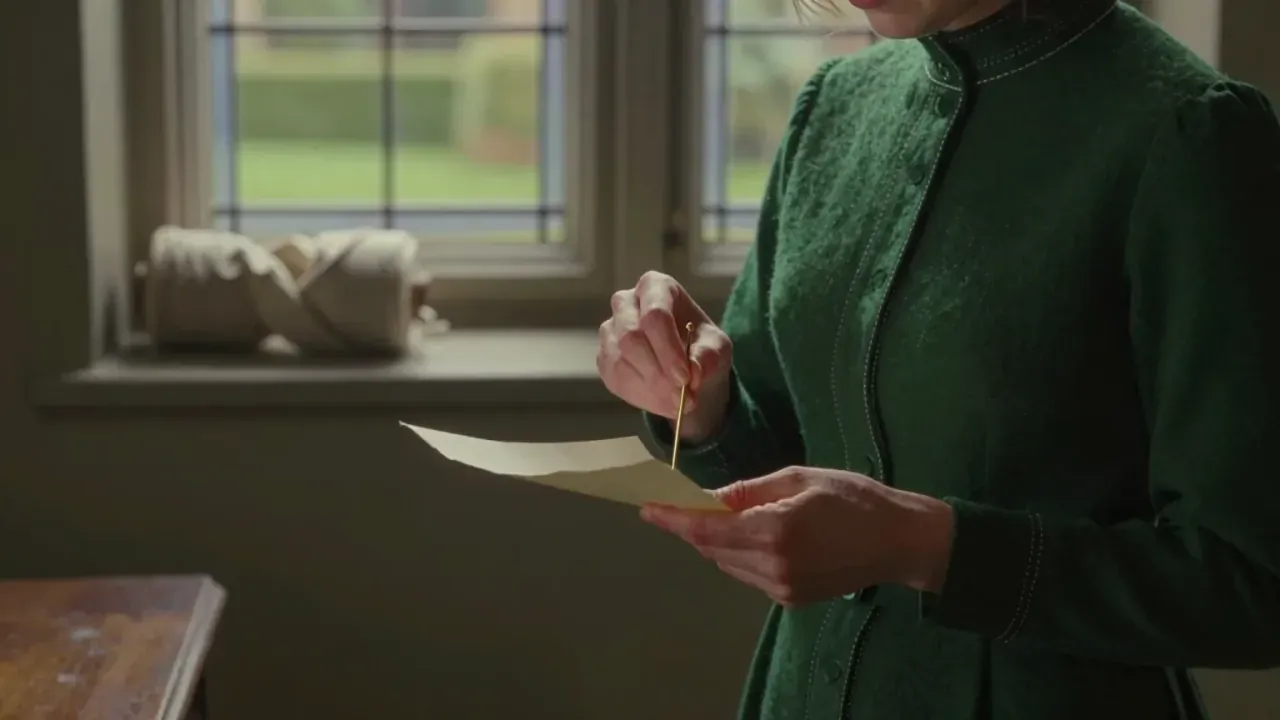
Jane Campion’s Bright Star follows the final years of John Keats and his relationship with Fanny Brawne, drawing directly from his letters and poems. Set in Hampstead and Italy between 1818 and 1821, it renders their love with quiet precision — in shared walks, handwritten notes, stitched garments and unspoken grief. Ben Whishaw and Abbie Cornish anchor a restrained, visually tactile film shaped by Greig Fraser’s naturalistic cinematography and Janet Patterson’s lived-in production and costume design. It is less a biographical survey than an intimate study of endurance within limitation: of health, income, time and language itself.

13:00

The Mirror

Andrei Tarkovsky · 1975

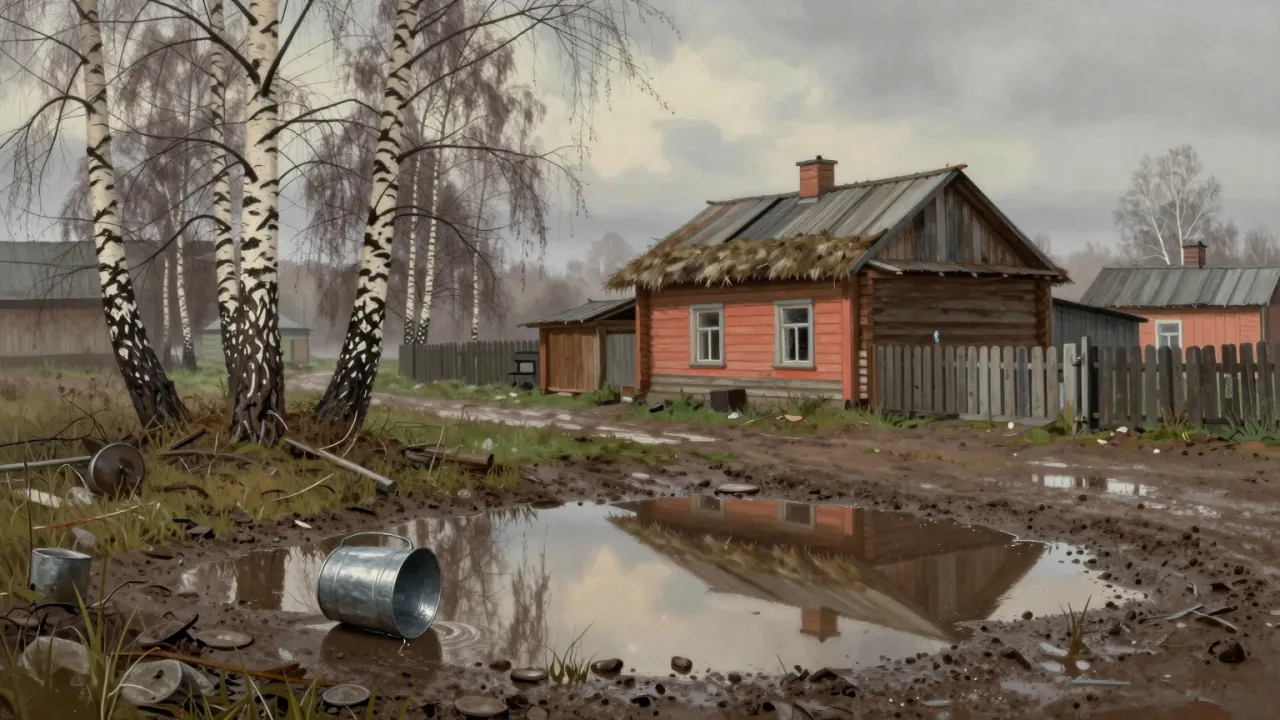
Andrei Tarkovsky’s 1975 film The Mirror is a non-linear, autobiographical essay in image and sound. Shot by Georgy Rerberg and scored by Eduard Artemyev, it weaves childhood recollection, wartime newsreel, poetic voiceover, and maternal presence into a single, flowing meditation on time, inheritance, and perception. Margarita Terekhova plays dual roles; Oleg Yankovsky appears only in voiceover. With around 200 shots across 108 minutes, its rhythm is durational, not dramatic. Released under constraint by Mosfilm, it polarised Soviet critics before becoming widely regarded as Tarkovsky’s most intimate work.