filmbriefs
Topic

Perception

The reconstruction that gets mistaken for a recording.

9
in film
13:00
average
117 min
in total
44
across the network
Perception across the network →
All briefs9
13:00

Clean, Shaven

Lodge Kerrigan · 1994

Lodge Kerrigan’s 1994 debut Clean, Shaven follows Peter Winter (Peter Greene), a man recently released from a psychiatric institution, as he navigates a hostile world while searching for his daughter. Shot on 16mm with fragmented editing, dissonant sound design and tightly constrained perspective, the film immerses the viewer in a subjective experience of schizophrenia — avoiding diagnosis, exposition or moral framing. Its power lies in sustained formal discipline, not plot resolution.
13:00

Repulsion

Roman Polanski · 1965

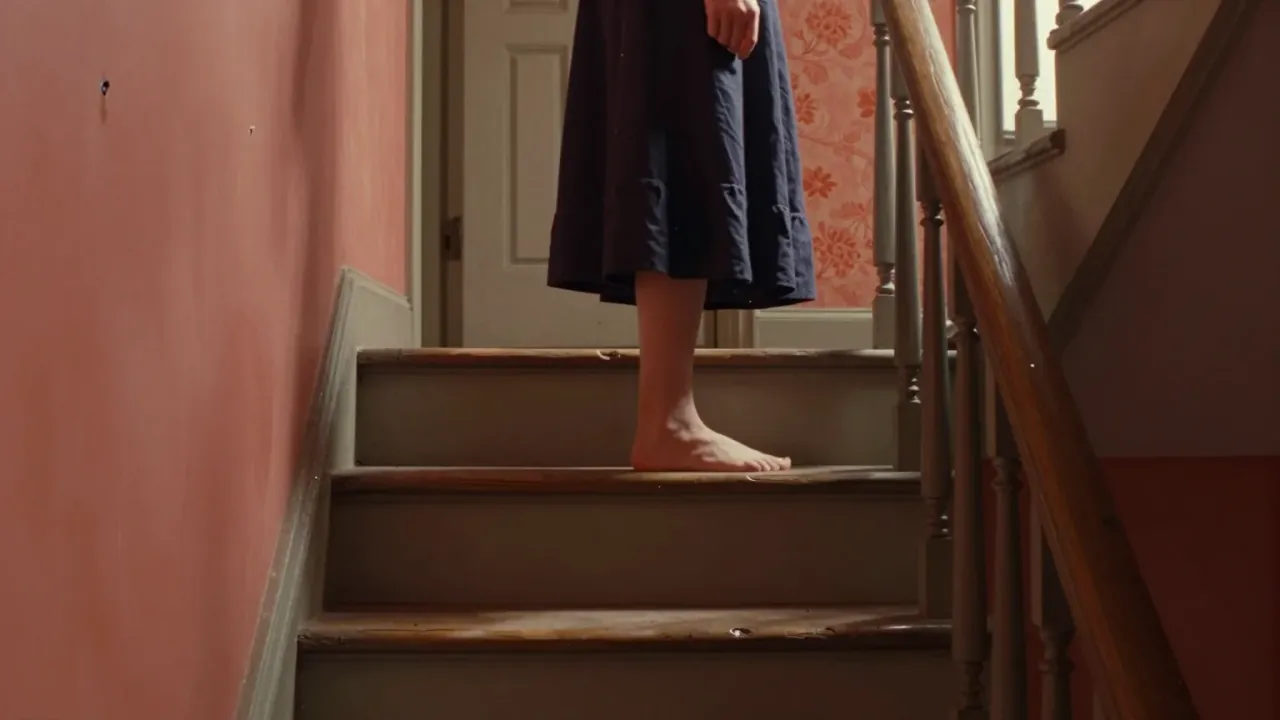
Roman Polanski’s 1965 psychological horror follows Carol Ledoux, a withdrawn Belgian manicurist in London, as she descends into acute dissociation while left alone in her sister’s flat. Shot in black and white on a modest budget, the film uses tight framing, amplified diegetic sound, and meticulous pacing to replicate the texture of perceptual collapse — cracks in walls, hands emerging from plaster, time stretching and warping. Catherine Deneuve’s restrained performance anchors a film that refuses exposition, causality, or resolution. It is a study in claustrophobia, not of space alone, but of consciousness under pressure.

13:00

Blowup

Michelangelo Antonioni · 1966

Michelangelo Antonioni’s 1966 English-language debut follows a London fashion photographer who believes he has photographed a murder — only to find that each enlargement deepens uncertainty rather than clarifying truth. Shot on location across Swinging London, with Carlo Di Palma’s restrained cinematography and Herbie Hancock’s sparse jazz score, Blowup uses photographic process as metaphor for perception itself. It won the Palme d’Or, helped end Hollywood’s Production Code, and remains a touchstone for films about mediation, alienation, and the instability of the image.

13:00

L'Arrivée d'un train en gare de La Ciotat

Auguste Lumière, Louis Lumière · 1896

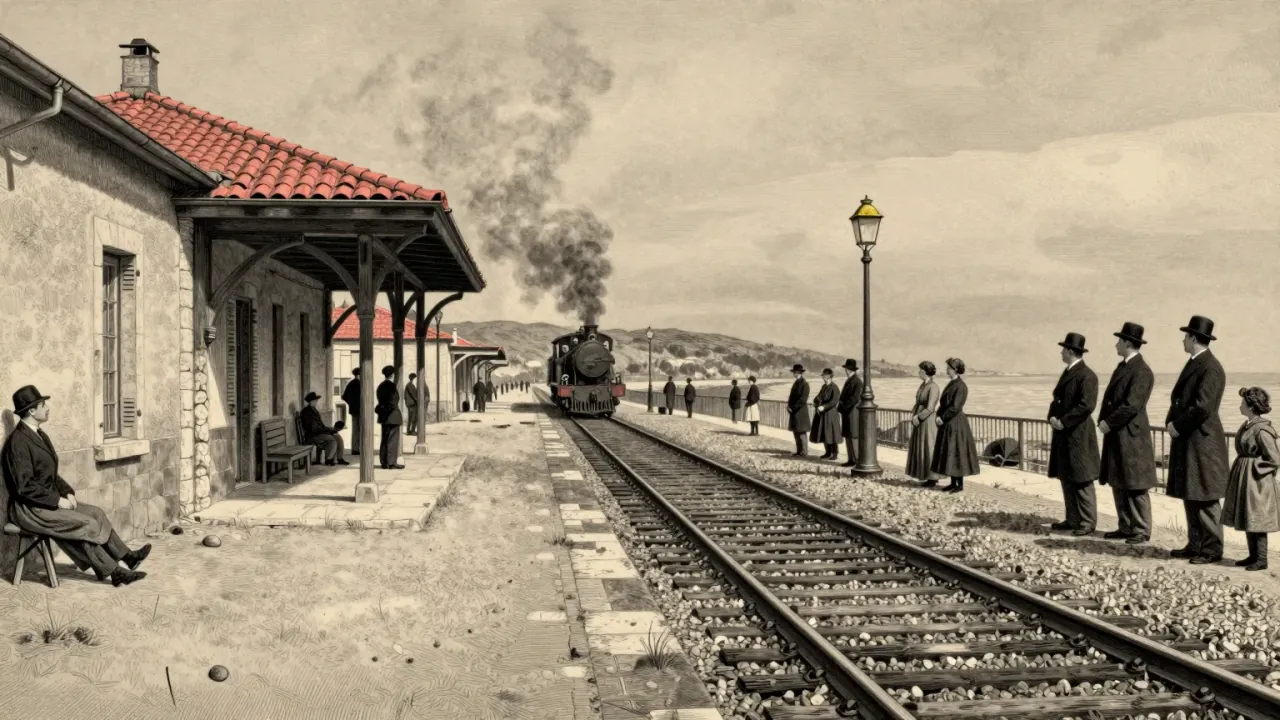
L'Arrivée d'un train en gare de La Ciotat (1896) is a fifty-second silent actuality film by Auguste and Louis Lumière, recording a steam locomotive arriving at La Ciotat station. Shot in a single unedited take with the Cinématographe, it exemplifies early cinema’s documentary impulse and technical ambition. Though often mythologised for causing audience panic, no contemporary evidence supports this. Its significance lies in its formal restraint, its demonstration of cinematic continuity, and its role in establishing the medium’s foundational grammar.

13:00

Meshes of the Afternoon

Maya Deren, Alexandr Hackenschmied · 1943

A fourteen-minute 1943 American experimental film directed by Maya Deren and Alexandr Hackenschmied, starring Deren and shot by Hackenschmied. It uses repetition, recursive editing, and shifting subjectivity to map the interior logic of anxiety and dissociation—not as metaphor but as cinematic structure. Silent on release, later scored by Teiji Ito. Preserved in the US National Film Registry for cultural and aesthetic significance.

13:00

Anomalisa

Charlie Kaufman, Duke Johnson · 2015

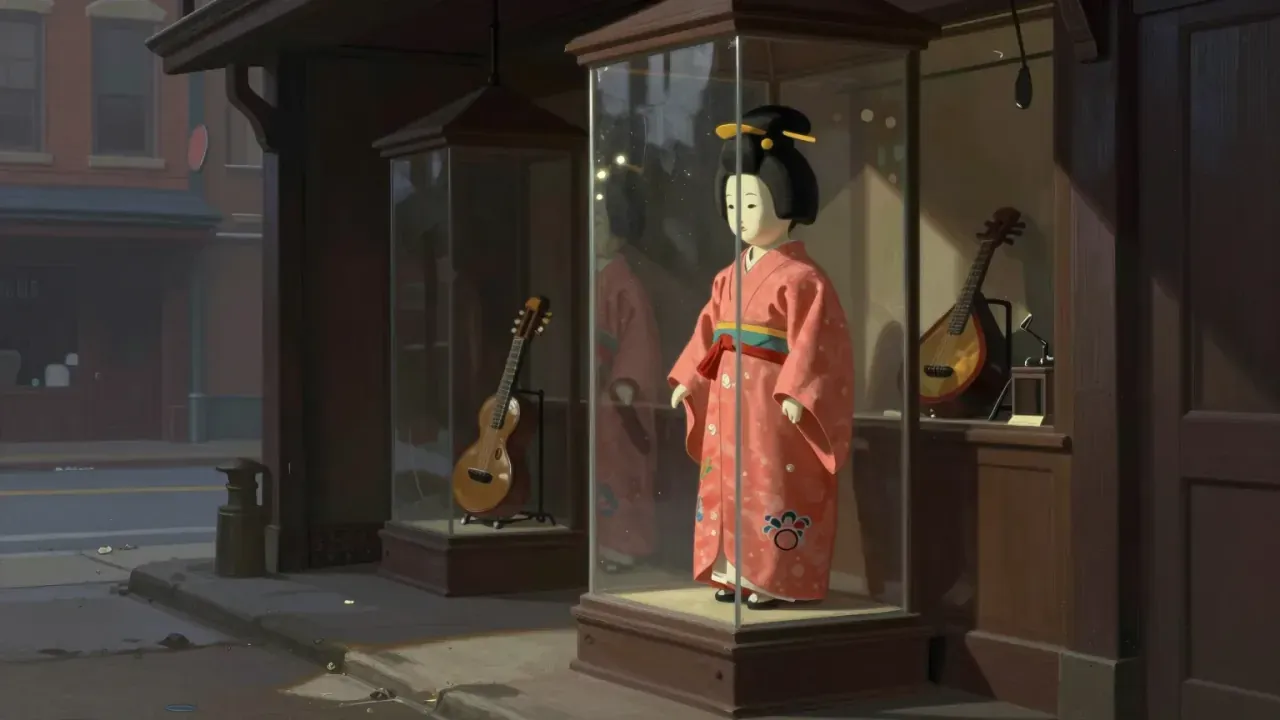
A middle-aged man perceives everyone as identical—same face, same voice—except one woman he meets in a Cincinnati hotel. Adapted from Charlie Kaufman’s 2005 audio play, this stop-motion feature renders alienation as tactile, acoustic and temporal experience, using painstaking puppetry and vocal repetition to explore perception, loneliness and the fragile mechanics of connection.

13:00

Cave of Forgotten Dreams

Werner Herzog · 2010

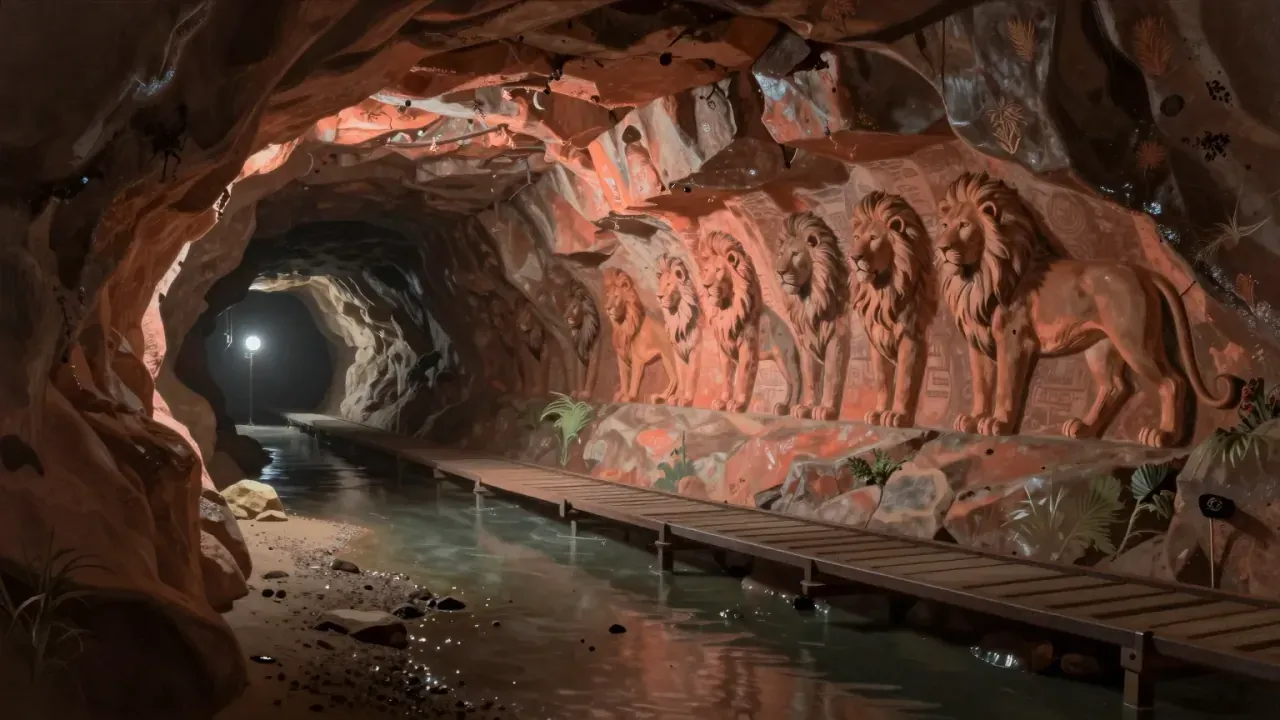
Werner Herzog’s 2010 documentary enters France’s Chauvet Cave — home to the oldest known figurative paintings — under strict access conditions. Shot in 3D by Peter Zeitlinger, the film foregrounds the physical relationship between the Palaeolithic artists and the cave’s contours, with minimal narration and quiet interviews. It avoids archaeological exposition in favour of sensory immersion, treating deep time as atmosphere rather than epoch.

13:00

Under the Skin

Jonathan Glazer · 2013

Jonathan Glazer’s 2013 film adapts Michel Faber’s novel into a stark, sensory-driven study of alien perception. Scarlett Johansson plays an extraterrestrial who preys on men across Scotland, filmed with hidden cameras and minimal dialogue. Dan Landin’s cinematography, Mica Levi’s dissonant score and Paul Watts’ restrained editing sustain a consistent, disorienting viewpoint. The film prioritises texture and duration over exposition, generating unease through omission rather than shock. Acclaimed for its formal rigour, it remains deliberately ambiguous about motive, origin and outcome.

13:00

Until the End of the World

Wim Wenders · 1991

Wim Wenders’ 1991 epic follows Claire and Sam across continents as they evade bounty hunters and test a camera that lets the blind see recorded experiences. Shot across eleven countries with Robby Müller, it treats the road movie as philosophical drift — prioritising texture, duration, and the fragility of perception over plot or resolution.