filmbriefs
Topic

Lost works

The books, films and records that no longer exist.

6
in film
13:00
average
78 min
in total
9
across the network
Lost works across the network →
All briefs6
13:00

A Day in the Country

Jean Renoir · 1946

Jean Renoir’s 1946 featurette, shot in 1936 and adapted from Maupassant, captures a summer day in 1860 when a Paris shopkeeper’s daughter is briefly drawn from her world by a riverbank encounter. Forty minutes long, it relies on atmosphere, restraint, and precise visual storytelling rather than exposition or resolution. Claude Renoir’s cinematography, Joseph Kosma’s score, and Marguerite Renoir’s editing sustain a mood of quiet inevitability. Though some structural choices feel tentative, its emotional accuracy and formal discipline make it a benchmark of poetic realism.
13:00

Game of Death

Bruce Lee, Robert Clouse, Sammo Hung · 1978

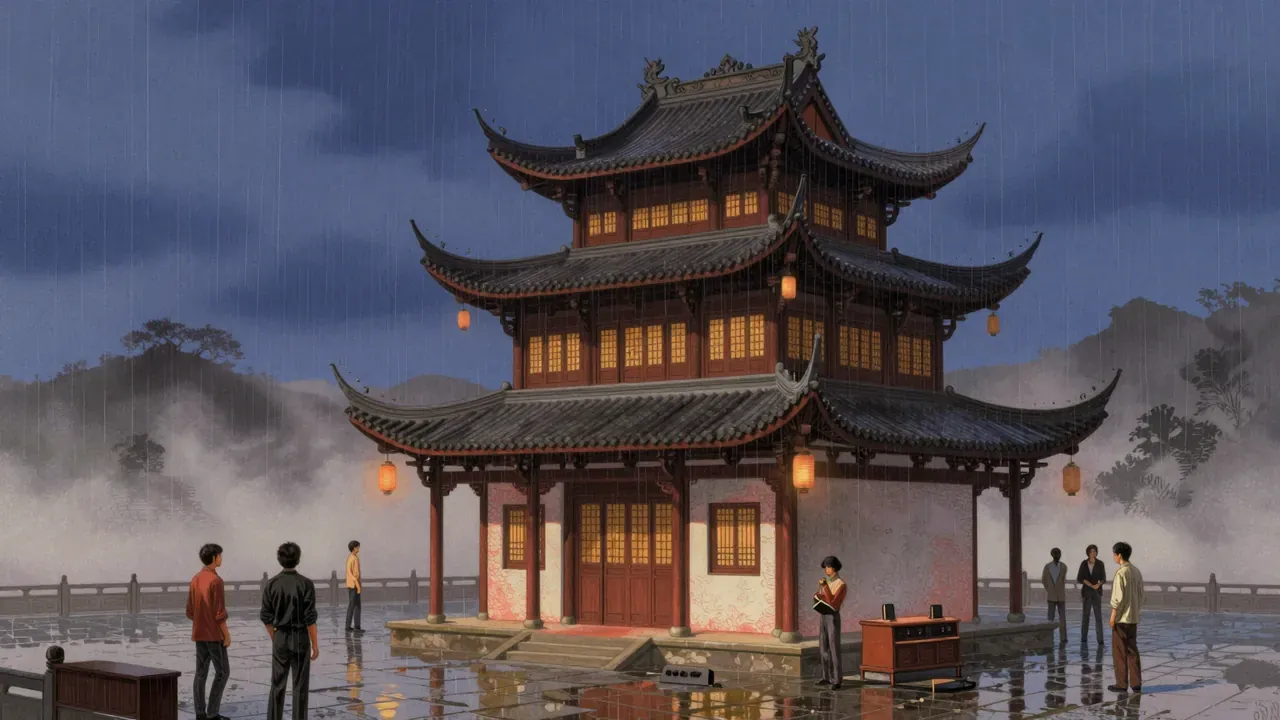
Game of Death (1978) is a re-edited, partially reshot version of Bruce Lee’s unfinished 1972 film, built around three surviving fight sequences he choreographed and filmed. Directed by Robert Clouse and Sammo Hung, it grafts a new revenge plot onto Lee’s original pagoda-ascent concept, using doubles and newly shot scenes to bridge gaps. Though commercially successful and culturally influential — especially for Lee’s yellow jumpsuit and the Abdul-Jabbar fight — it sacrifices narrative coherence and thematic depth for continuity. Its power resides entirely in Lee’s physical presence and choreographic intelligence, not in its story.

13:00

Limite

Mário Peixoto · 1931

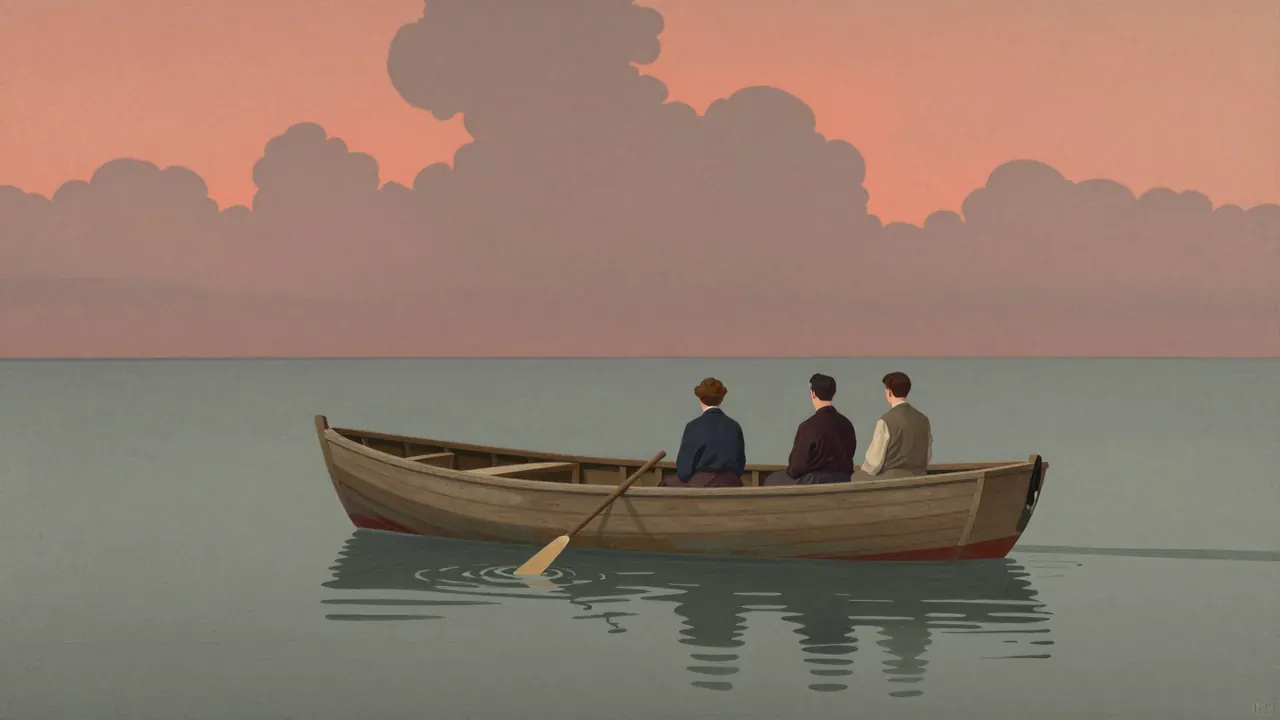
A 1931 Brazilian silent experimental drama directed, written, and produced by Mário Peixoto, Limite follows three unnamed figures adrift in a rowboat while fragmented flashbacks reveal their fractured pasts. Shot on the coast near Rio de Janeiro by cinematographer Edgar Brasil and edited by Peixoto himself, the film uses rhythm, high-contrast imagery, and associative montage to evoke psychological stasis rather than narrative progression. Long considered lost, it was restored from a single deteriorating nitrate print between 1966 and 1978. Though it had minimal contemporary reception, it is now widely regarded as the greatest Brazilian film — a landmark of avant-garde cinema and a singular meditation on limit, memory, and endurance.

13:00

Patriotism

Yukio Mishima, Masaki Dōmoto · 1965

Patriotism (1966) is a thirty-minute silent black-and-white short directed by Yukio Mishima and Masaki Dōmoto, adapting Mishima’s 1960 story. It depicts the final hours of a young army officer and his wife after the 1936 Tokyo coup attempt, culminating in their joint suicide. Shot in two days with stark Noh-influenced staging, it uses static frames, high-contrast cinematography by Kimio Watanabe, and intertitles to render devotion, ritual, and mortality as inseparable. Richard Wagner’s music accompanies some screenings, though the film itself is silent. Rediscovered in 2005 after Mishima’s widow ordered its destruction, it remains a singular, uncompromising work of formal and philosophical austerity.

13:00

The Chess Game of the Wind

Mohammad Reza Aslani · 1976

Mohammad Reza Aslani’s 1976 Persian-language drama unfolds over nine days in a Qajar-era Tehran mansion following the death of its matriarch. Paralysed heiress Aghdas, her stepfather Hadji Amoo, and the household staff circle one another in a tightening web of inheritance, deception, and suppressed desire. Shot by Houshang Baharlou in deep chiaroscuro and edited with precise, rhythmic restraint, the film uses architecture, light, and silence as primary narrative tools. Rediscovered in 2014 and restored for a 2020 re-release, it stands as a singular achievement of Iranian arthouse cinema—dense, deliberate, and unflinchingly austere.

13:00

The Magnificent Ambersons

Orson Welles · 1942

Orson Welles’s 1942 adaptation of Booth Tarkington’s novel traces the slow collapse of a wealthy Midwestern family amid industrial change. Though RKO cut over forty minutes and reshot the ending — destroying the excised footage — the surviving film remains a landmark of restrained, atmospheric storytelling, anchored by Agnes Moorehead’s performance and Stanley Cortez’s cinematography. Its power lies in what it implies, not what it states.