Saved
Topic

Journalism

The first draft, written under deadline and increasingly without funding.

16
in film
13:00
average
208 min
in total
34
across the network
Journalism across the network →
All briefs16
13:00

Ace in the Hole

Billy Wilder · 1951

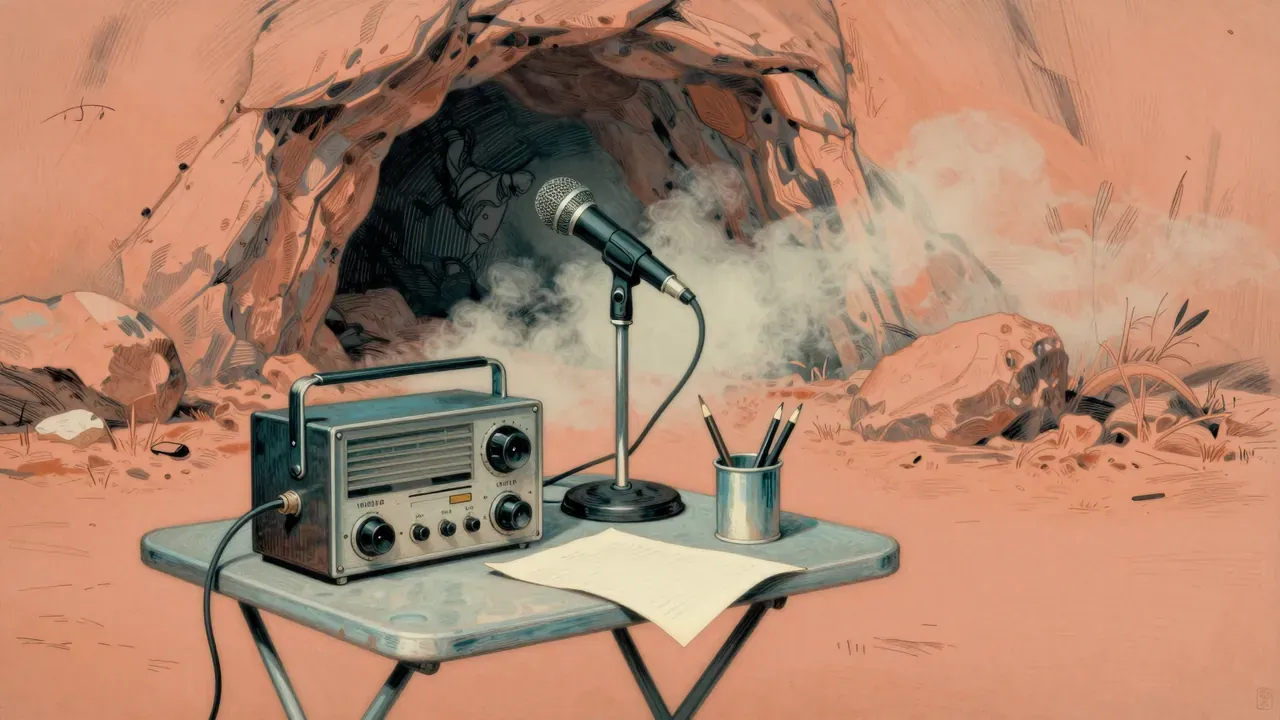
Billy Wilder’s 1951 drama follows a disgraced reporter who manipulates a cave rescue into a week-long media circus in rural New Mexico. With Kirk Douglas as the ruthlessly pragmatic Chuck Tatum, the film charts the incremental erosion of ethics across journalism, law enforcement, and community—treating truth as a negotiable resource rather than a principle. Shot by Charles Lang and edited by Arthur P. Schmidt, it remains stark, unsentimental, and structurally rigorous.
13:00

Broadcast News

James L. Brooks · 1987

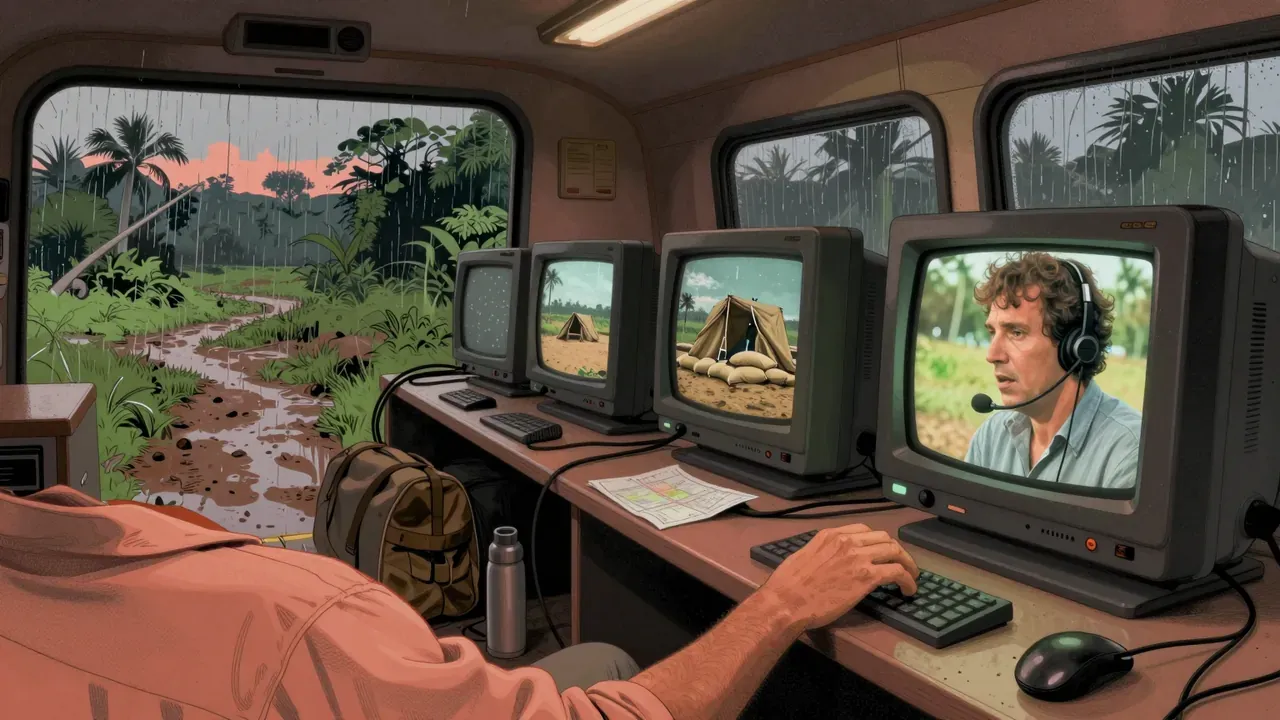
Broadcast News (1987), written and directed by James L. Brooks, follows a Washington, D.C. television news producer torn between a brilliant but socially inept reporter and a telegenic but intellectually shallow anchor. Set against the shifting ethics of 1980s network news, it uses workplace realism, precise performances, and understated craft to explore ambition, integrity, and the quiet costs of professional excellence.

13:00

Foreign Correspondent

Alfred Hitchcock · 1940

Alfred Hitchcock’s 1940 thriller follows an American reporter uncovering a fascist conspiracy in pre-war Europe. Made under urgent political conditions and reshaped mid-production to mirror real-world events, it prioritises procedural tension and moral clarity over psychological depth or historical fidelity. Its strengths lie in set-piece choreography, studio-crafted suspense, and a prescient final sequence set in a besieged radio station.

13:00

His Girl Friday

Howard Hawks · 1940

Howard Hawks’s 1940 comedy His Girl Friday recasts The Front Page as a battle of wits between ex-spouses Walter Burns and Hildy Johnson, a newspaper editor and reporter whose professional rivalry reignites as a romantic one. Shot at breakneck speed with overlapping dialogue, it privileges competence over sentiment and friction over harmony. Though formally dazzling and historically influential, it sidesteps the racial and ethical weight of its source material, treating injustice as backdrop rather than subject.

13:00

June Nights

Per Lindberg · 1940

Per Lindberg’s June Nights (1940) follows Kerstin Nordbäck (Ingrid Bergman), a woman shot by her sailor lover and subsequently branded a ‘tramp’ by the press. She relocates to Stockholm to rebuild her life, only for the journalists to follow. Written by Ragnar Hyltén-Cavallius and shot by Åke Dahlqvist, the film is a restrained, psychologically precise drama about reputation, labour, and the asymmetry of visibility in a world governed by headlines.

13:00

Love Meetings

Pier Paolo Pasolini, Vincenzo Cerami · 1964

A 1964 Italian documentary in which Pier Paolo Pasolini interviews citizens across the country on virginity, prostitution, homosexuality and sex education. Shot in black and white by Tonino Delli Colli and edited by Nino Baragli, it presents unvarnished, often contradictory testimony without commentary or resolution — treating speech itself as historical evidence.

13:00

Medium Cool

Haskell Wexler · 1969

Haskell Wexler’s 1969 film merges scripted drama with documentary footage shot during the 1968 Democratic National Convention riots in Chicago. It follows a television cameraman who begins to question his role in recording — rather than intervening in — social crisis. Shot in cinéma vérité style, with minimal artifice and deliberate genre blurring, it interrogates media complicity, surveillance, and the ethics of observation. Though its romance and character arcs remain deliberately thin, its formal rigour and historical immediacy give it enduring force.

13:00

Missing

Costa-Gavras · 1982

Costa-Gavras’s 1982 film follows an American businessman and his daughter-in-law as they search for a journalist missing after the 1973 Chilean coup. Shot in Mexico and performed largely in Spanish, it traces their confrontation with U.S. diplomatic obstruction and their slow realisation of systemic complicity. Jack Lemmon and Sissy Spacek anchor a restrained, procedural portrait of grief and accountability.

13:00

Scandal

Akira Kurosawa · 1950

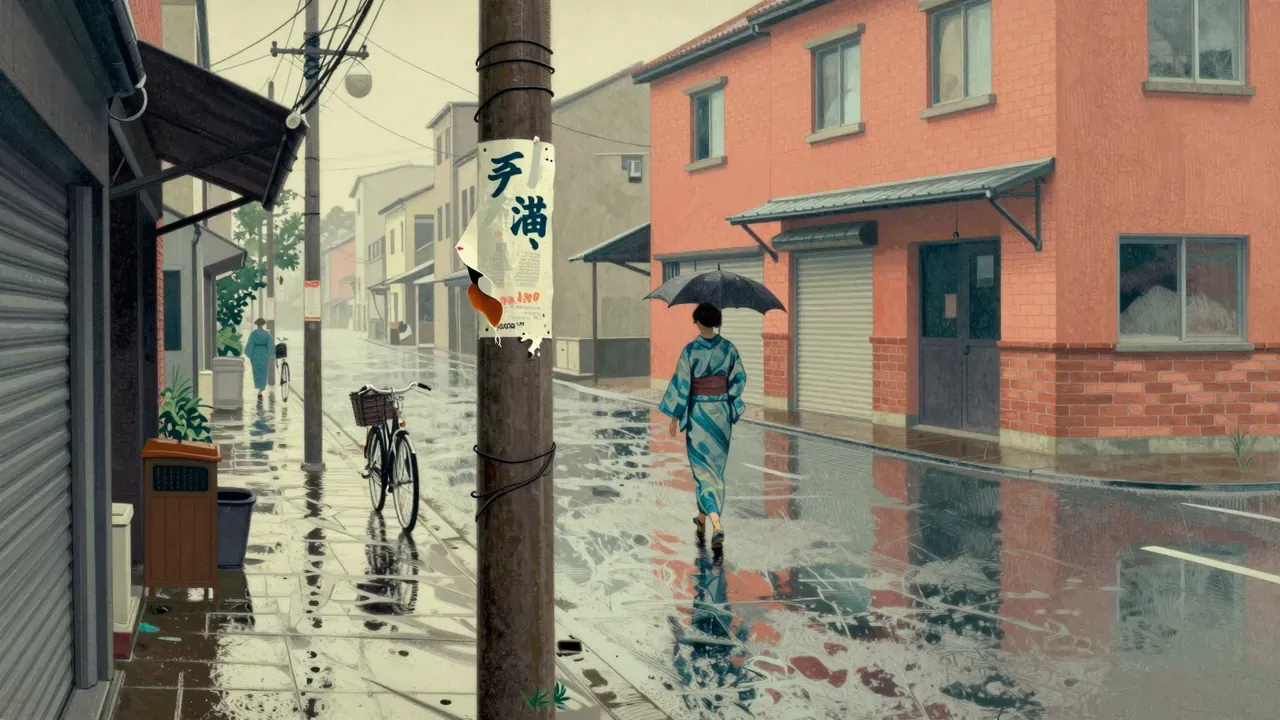
A painter and a singer sue a tabloid for fabricating their romance, but the case becomes secondary to their lawyer’s moral collapse under financial pressure. Set in postwar Tokyo, Scandal pivots from social critique to intimate tragedy, anchored by Takashi Shimura’s performance as a man whose conscience frays in silence. Kurosawa’s direction is plain and precise; Fumio Hayasaka’s score uses irony to deepen unease. The film’s power lies not in its courtroom climax, but in the weight of unspoken guilt, a sick child’s breath, and torn posters fading on a city wall.

13:00

Shock Corridor

Samuel Fuller · 1963

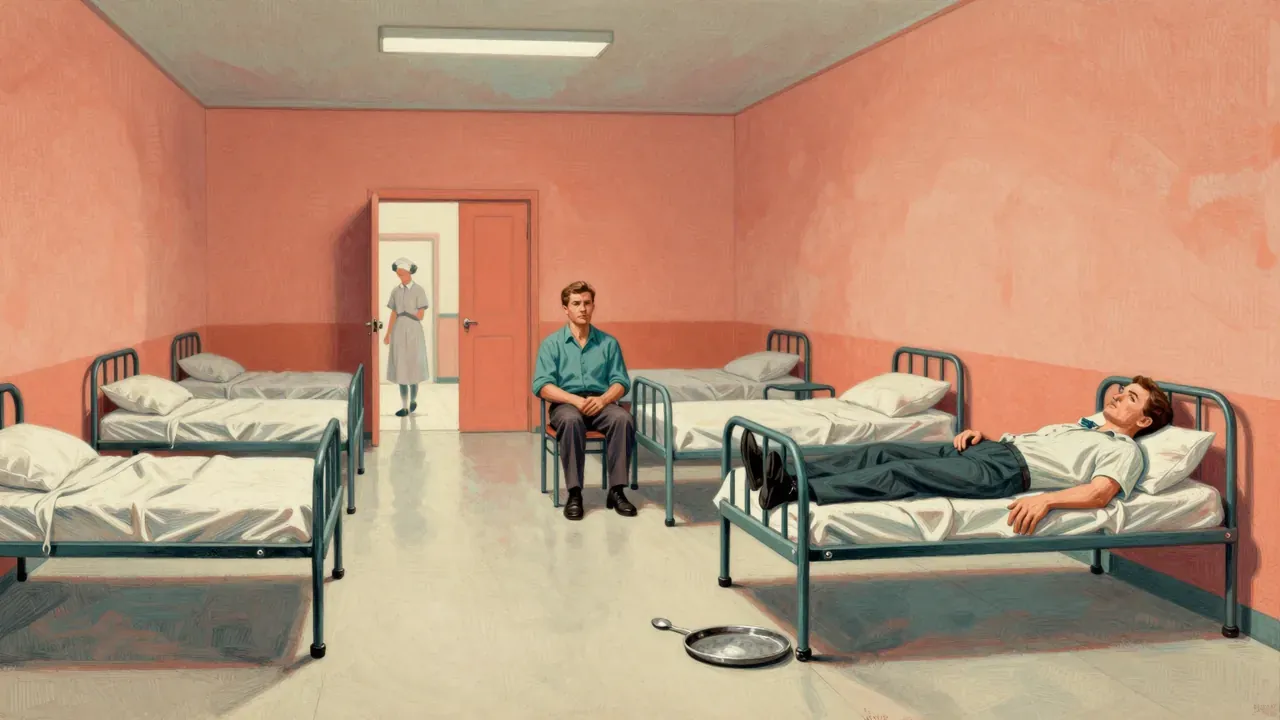
Samuel Fuller’s 1963 film noir follows a journalist who fakes insanity to investigate a murder inside a psychiatric hospital. Using stark cinematography, jagged editing and allegorical patient characters, it frames Cold War anxieties — racism, militarism, nuclear fear — as contagious pathologies. Though made on a shoestring budget and tight schedule, its formal rigour and political bite earned it preservation in the US National Film Registry.

13:00

Sisters

Brian De Palma · 1972

Brian De Palma’s 1972 Sisters is a psychological horror film about a reporter who witnesses a murder committed by a woman with a hidden, violent twin. Shot on location in Staten Island and scored by Bernard Herrmann, it uses split screens, long takes and clinical framing to explore perception, media saturation and the erasure of women’s testimony. Margot Kidder plays dual roles with unsettling restraint; Jennifer Salt anchors the film as the increasingly isolated witness. Though low-budget, it is tightly constructed and thematically precise.

13:00

The French Dispatch

Wes Anderson · 2021

Wes Anderson’s 2021 anthology film presents the final issue of a fictional American newspaper’s Paris bureau as a series of formally exact, stylistically distinct journalistic features. Shot in 1.37:1 on 35 mm in Angoulême, it honours mid-century magazine aesthetics, French New Wave syntax, and the physical texture of print — treating journalism as craft, not just content.

13:00

The Parallax View

Alan J. Pakula · 1974

The Parallax View (1974) follows journalist Joe Frady as he investigates a string of deaths linked to the assassination of a US senator — only to find himself drawn into the recruitment pipeline of the shadowy Parallax Corporation. Directed by Alan J. Pakula and shot by Gordon Willis, it is a tightly wound, visually austere thriller whose power lies in its procedural rigour and refusal to grant its protagonist redemption or revelation.

13:00

Woman of the Year

George Stevens · 1942

Woman of the Year (1942), directed by George Stevens, pairs Spencer Tracy and Katharine Hepburn for the first time in a romantic comedy about a globe-trotting political columnist and a down-to-earth sportswriter whose marriage strains under mismatched expectations. Written by Ring Lardner Jr. and Michael Kanin, with uncredited revisions by John Lee Mahin, the film balances sparkling dialogue and precise performances against a structurally compromised ending. It won the Academy Award for Best Original Screenplay and was added to the National Film Registry in 1999.

13:00

It Happened One Night

Frank Capra · 1934

A 1934 romantic comedy starring Claudette Colbert and Clark Gable, directed by Frank Capra. A runaway heiress and a jobless reporter share a cross-country bus journey, negotiating class, gender and growing affection under tight comic constraints. Adapted from a short story, it won the Academy Award 'Big Five' and remains a benchmark of economical, actor-led storytelling.

13:00

Sweet Smell of Success

Alexander Mackendrick · 1957

Sweet Smell of Success (1957) is a tightly wound New York drama about a press agent’s moral collapse under the influence of a ruthless columnist. Directed by Alexander Mackendrick, with a screenplay restructured by Clifford Odets and Ernest Lehman, it stars Burt Lancaster and Tony Curtis in career-defining roles. James Wong Howe’s high-contrast cinematography and Elmer Bernstein’s jagged score deepen its portrait of media power as systemic, not personal. Though commercially unsuccessful on release, it is now regarded as a landmark of American cinema—culturally preserved, critically revered, and formally uncompromising.