filmbriefs
Topic

Interiors

The room as an argument about how to live.

9
in film
13:00
average
117 min
in total
31
across the network
Interiors across the network →
All briefs9
13:00

Blow Up My Town

Chantal Akerman · 1968

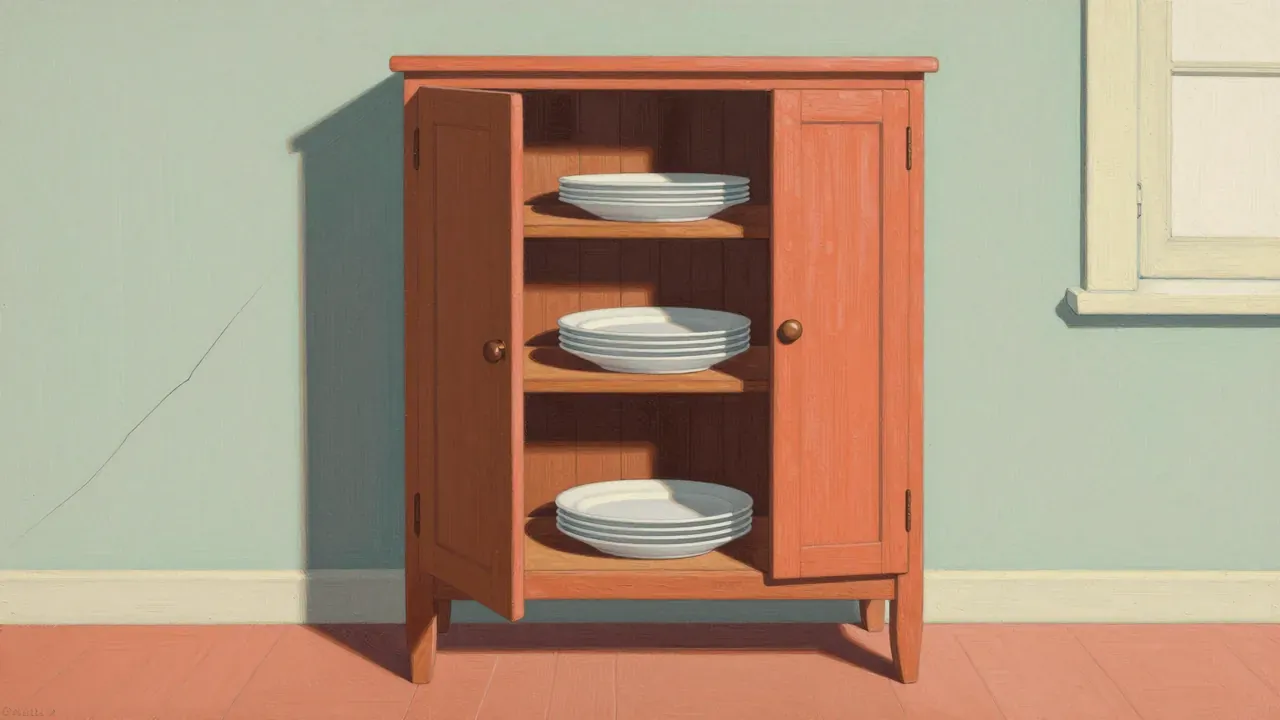
Blow Up My Town is a 13-minute Belgian short film directed by and starring Chantal Akerman, released in 1968. Filmed in French in a single domestic interior with no edits or soundtrack, it follows a solitary woman performing mundane kitchen tasks before an off-screen explosion ends the film. It belongs to Akerman’s early structuralist period, sharing concerns with time, repetition, and the charged ordinariness of domestic space. Though obscure and formally austere, it functions as a precise calibration of attention — less a story than a sustained observation of how routine holds latent force.
13:00

Midnight

Mitchell Leisen · 1939

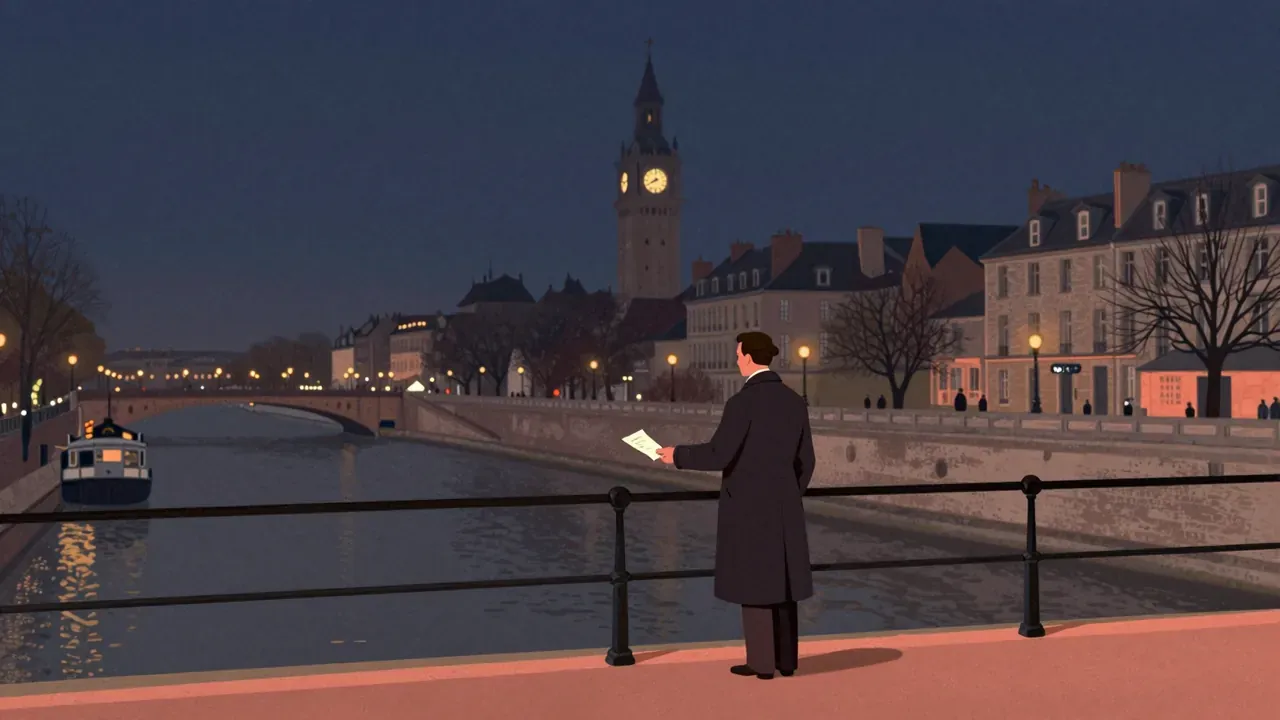
Midnight (1939), directed by Mitchell Leisen and written by Charles Brackett and Billy Wilder, follows American showgirl Eve Peabody as she impersonates a baroness in Paris to escape poverty — only to become entangled in a wealthy couple’s marital crisis. Anchored by Claudette Colbert’s precise physical comedy and Charles Lang’s softly lit cinematography, the film balances screwball energy with studio-era sophistication. Though its final act retreats from its sharpest ideas into convention, its craftsmanship, timing, and thematic clarity make it a durable, pleasurable artefact of Golden Age Hollywood.

13:00

Ornamental Hairpin

Hiroshi Shimizu · 1941

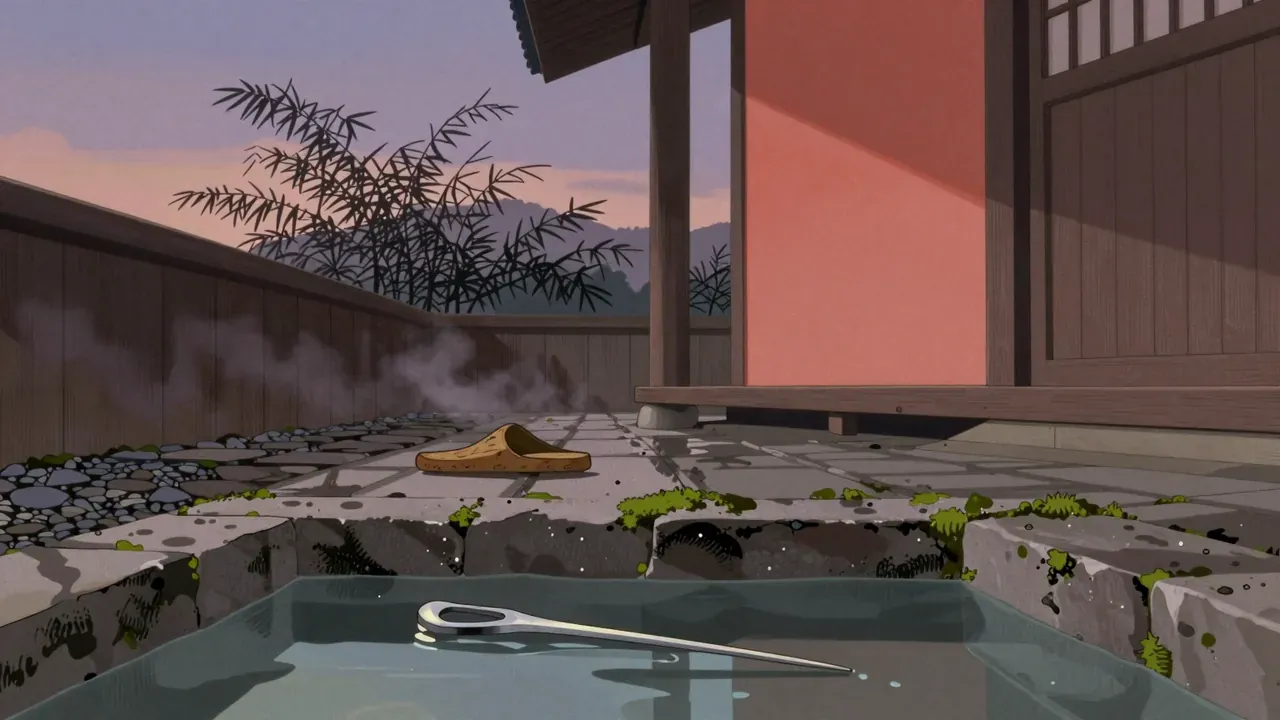
Set entirely at a remote Japanese hot-spring resort in 1941, Ornamental Hairpin follows a group of guests — a soldier, a geisha, two boys, a professor, an old man — whose intersecting stays are extended by a single lost hairpin. Directed by Hiroshi Shimizu and starring Kinuyo Tanaka, it is a quiet, observational drama that finds emotional weight in routine, restraint, and unspoken connection, refusing both wartime urgency and narrative resolution.

13:00

Repulsion

Roman Polanski · 1965

Roman Polanski’s 1965 psychological horror follows Carol Ledoux, a withdrawn Belgian manicurist in London, as she descends into acute dissociation while left alone in her sister’s flat. Shot in black and white on a modest budget, the film uses tight framing, amplified diegetic sound, and meticulous pacing to replicate the texture of perceptual collapse — cracks in walls, hands emerging from plaster, time stretching and warping. Catherine Deneuve’s restrained performance anchors a film that refuses exposition, causality, or resolution. It is a study in claustrophobia, not of space alone, but of consciousness under pressure.

13:00

The Bitter Tears of Petra von Kant

Rainer Werner Fassbinder · 1972

Rainer Werner Fassbinder’s 1972 chamber drama confines itself to one Bremen apartment, tracing the rise and collapse of fashion designer Petra von Kant’s obsessive relationship with younger woman Karin Thimm. With an all-female cast and static, theatrical staging, it uses repetition, framing and silence to dissect codependency, class, and the violence of care — not as psychology, but as architecture.

13:00

The Touch

Ingmar Bergman · 1971

Ingmar Bergman’s 1971 English-language debut follows Karin, a Swedish housewife whose affair with an American archaeologist unravels her assumptions about duty, desire, and selfhood. Shot on Gotland with Sven Nykvist, it privileges psychological nuance over plot, using restraint and silence to trace a woman’s slow, uncertain reclamation of agency. Though criticised at release for stiffness and imbalance, it remains a rare, transparent record of Bergman adapting his methods to new language, cast, and expectation.

13:00

Vanya on 42nd Street

Louis Malle · 1994

Louis Malle’s final film documents Andre Gregory’s long-term workshop on Chekhov’s Uncle Vanya, shot in the derelict New Amsterdam Theatre with Wallace Shawn, Julianne Moore, and others. It preserves the rhythms of rehearsal — interruption, repetition, uncertainty — rather than staging a polished performance. Declan Quinn’s restrained cinematography and Joshua Redman’s sparse saxophone score support a film that values duration, silence, and the physical reality of a decaying space over narrative propulsion or dramatic resolution.

13:00

Barton Fink

Joel Coen, Ethan Coen · 1991

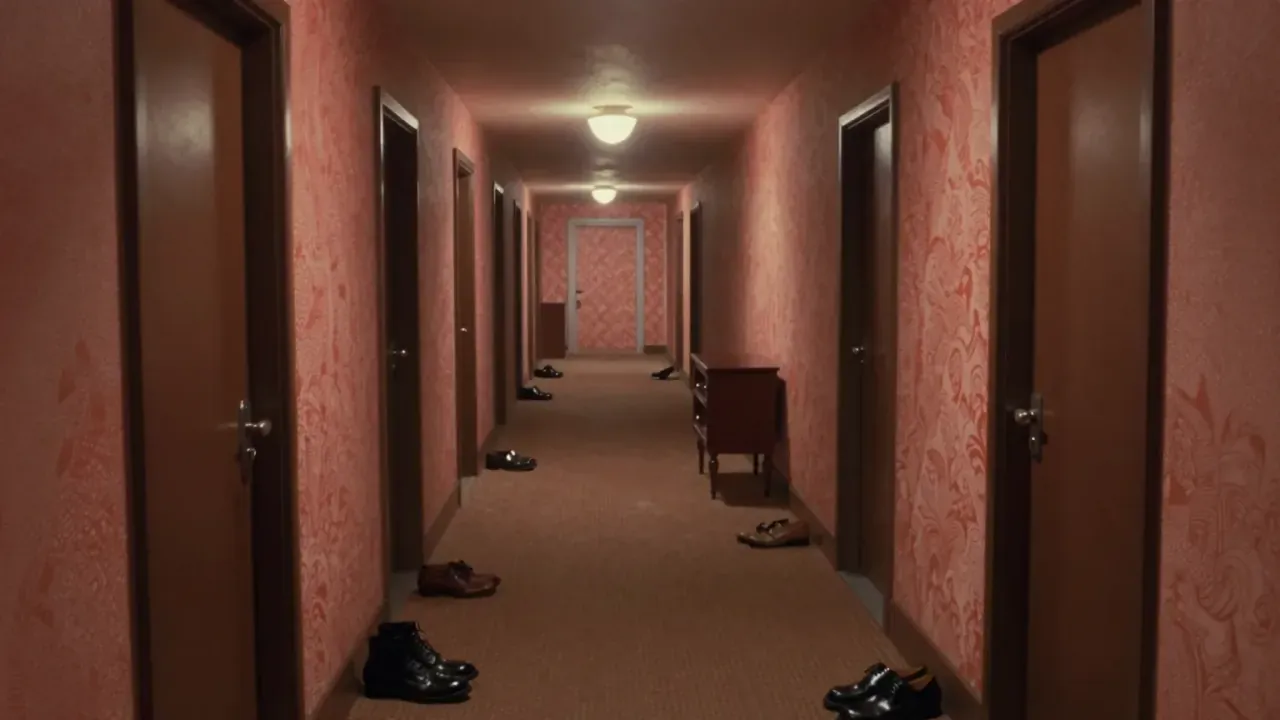
Barton Fink (1991) is a neo-noir arthouse thriller set in 1941, following a New York playwright’s unsettling stay at the decaying Hotel Earle while writing for a Hollywood studio. Directed by Joel and Ethan Coen, it stars John Turturro and John Goodman, with cinematography by Roger Deakins and music by Carter Burwell. Its power lies in sustained atmosphere, recursive imagery, and psychological compression — less a narrative than a meticulously constructed state of mind.

13:00

Flowers of Shanghai

Hou Hsiao-Hsien · 1998

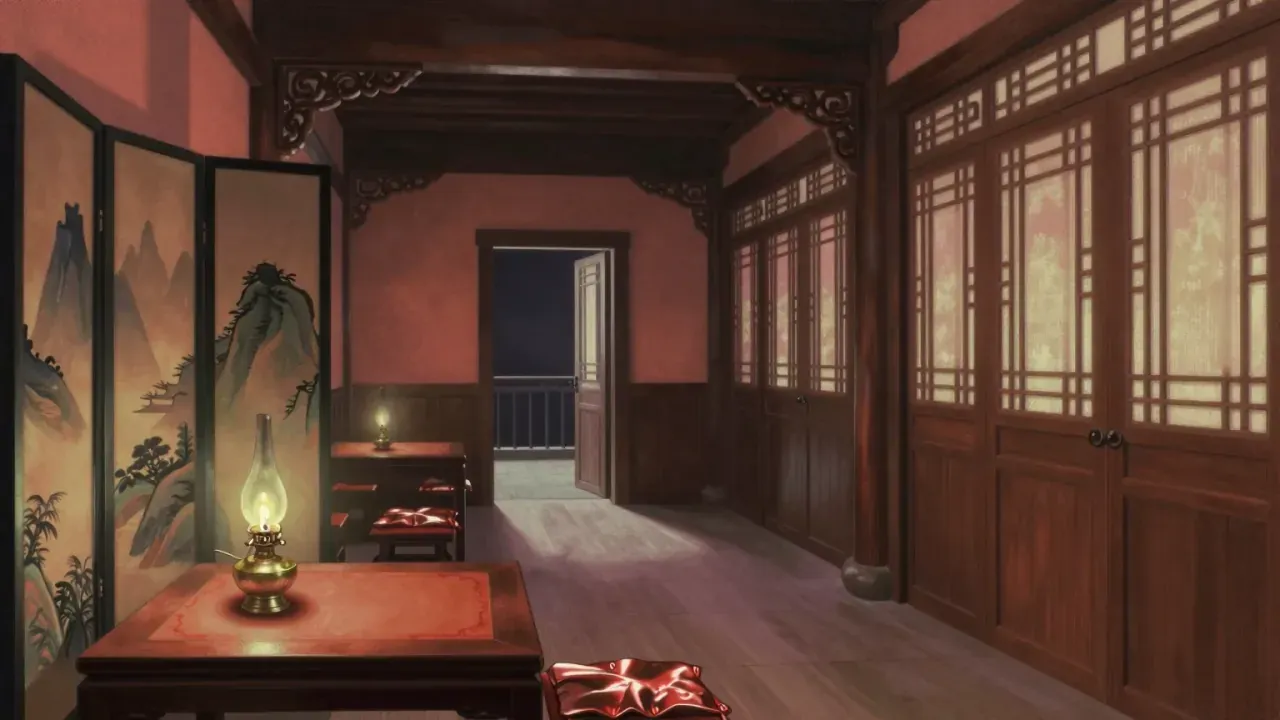
Set in 1884 Shanghai’s elite brothels, Hou Hsiao-Hsien’s Flowers of Shanghai adapts Han Bangqing’s novel via Eileen Chang’s translation. Shot entirely on Taiwanese soundstages under candlelight, it unfolds across thirty-eight long takes, tracing the constrained lives and negotiated intimacies of ‘flower girls’ and their patrons. With no outdoor scenes, minimal dialogue, and fades replacing cuts, it constructs a world governed by ritual, debt, and quiet endurance—not historical recreation, but emotional archaeology.