filmbriefs
Topic

French literature

Three centuries of writers who assumed literature was a public argument.

10
in film
13:00
average
130 min
in total
15
across the network
French literature across the network →
All briefs10
13:00

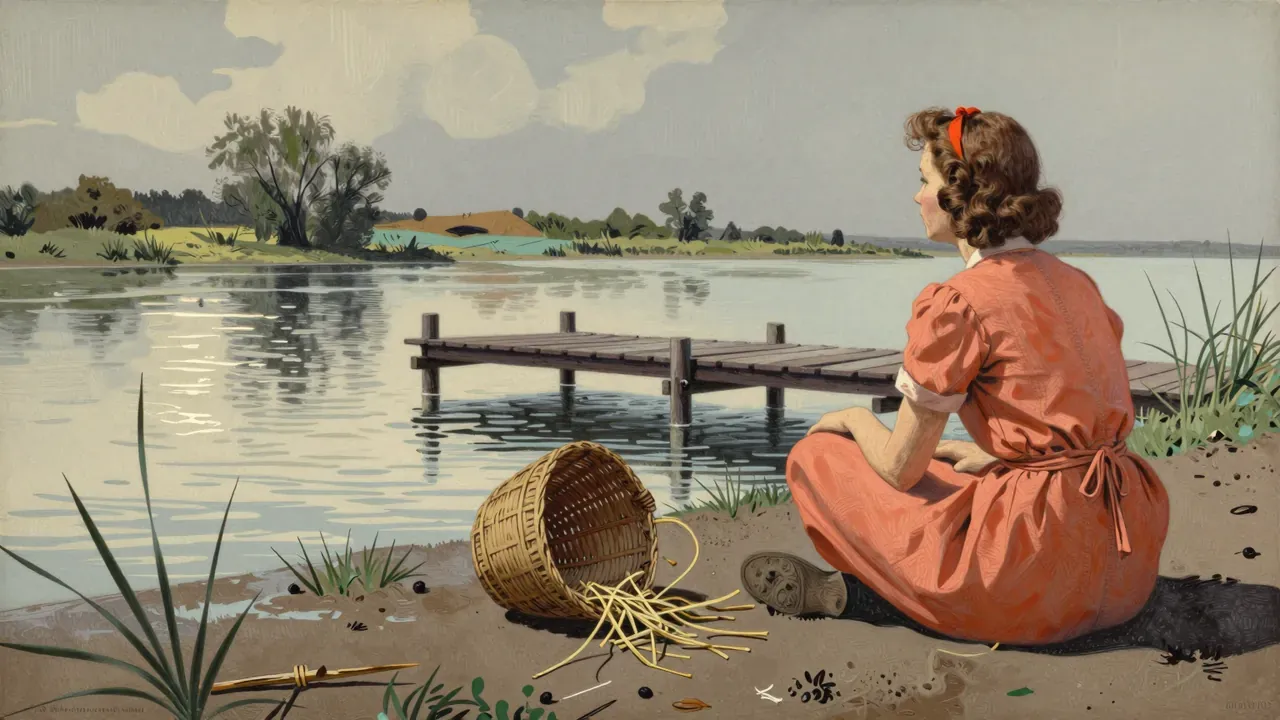
A Day in the Country

Jean Renoir · 1946

Jean Renoir’s 1946 featurette, shot in 1936 and adapted from Maupassant, captures a summer day in 1860 when a Paris shopkeeper’s daughter is briefly drawn from her world by a riverbank encounter. Forty minutes long, it relies on atmosphere, restraint, and precise visual storytelling rather than exposition or resolution. Claude Renoir’s cinematography, Joseph Kosma’s score, and Marguerite Renoir’s editing sustain a mood of quiet inevitability. Though some structural choices feel tentative, its emotional accuracy and formal discipline make it a benchmark of poetic realism.
13:00

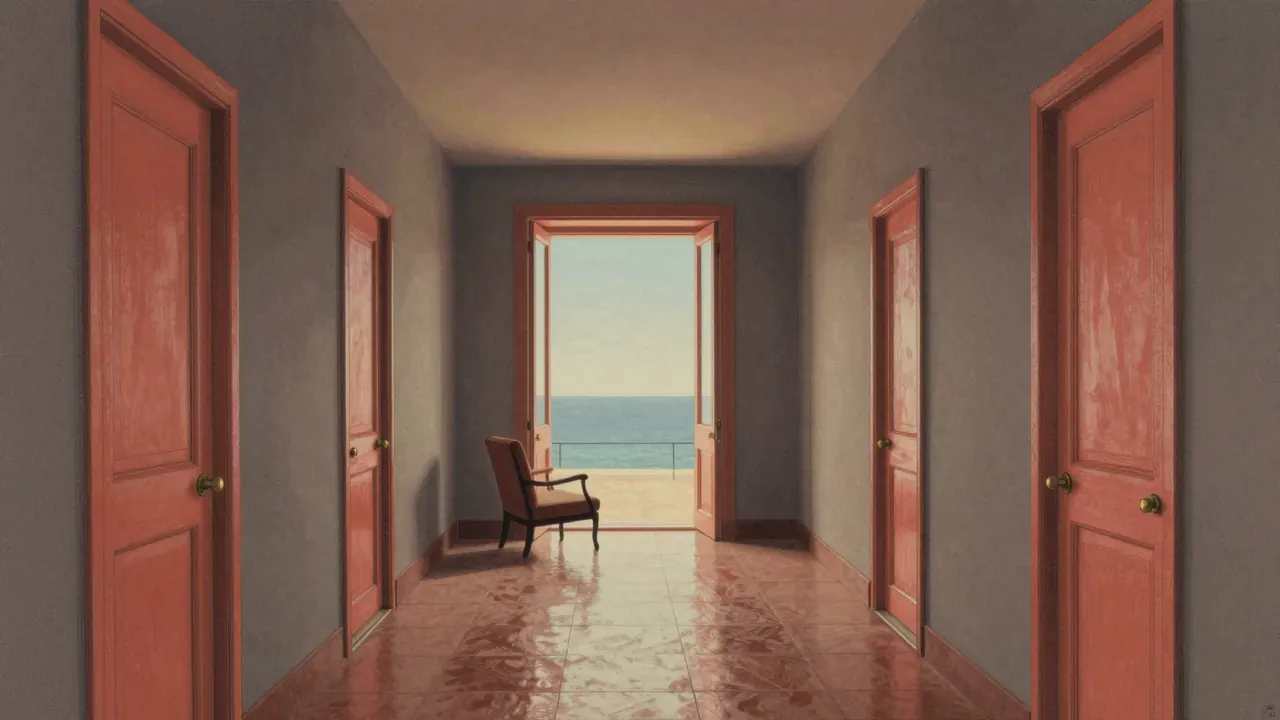
Baxter, Vera Baxter

Marguerite Duras · 1977

Baxter, Vera Baxter (1977) is a French arthouse drama written and directed by Marguerite Duras. Set largely in a rented seaside villa, it follows Vera Baxter as she receives two visitors and recounts fragments of her marriage. With Delphine Seyrig, Noëlle Châtelet, and Claudine Gabay, the film uses stillness, repetition, and architectural framing to explore existential exhaustion, bourgeois entrapment, and the silent circuits of duty. Carlos d’Alessio’s sparse score and unhurried editing reinforce its austere tone.

13:00

La Bête Humaine

Jean Renoir · 1938

Jean Renoir’s 1938 adaptation of Zola’s La Bête humaine follows railway driver Lantier, whose inherited violent impulses collide with a web of guilt, desire, and industrial routine. Shot by Curt Courant and scored by Joseph Kosma, it uses the railway as both setting and structural principle — a world governed by timetables, steam, and inescapable consequence.

13:00

La Cérémonie

Claude Chabrol · 1995

Claude Chabrol’s 1995 adaptation of Ruth Rendell’s A Judgment in Stone follows Sophie, an illiterate maid hired by a wealthy Brittany family, and Jeanne, a disgraced postmistress. Their bond curdles into shared contempt for the Lelièvres’ unexamined privilege, culminating in a methodical, unemphatic massacre. Shot with clinical precision by Bernard Zitzermann and performed with chilling understatement by Isabelle Huppert and Sandrine Bonnaire, the film sustains a tone of moral neutrality that renders its violence not shocking but structurally inevitable.

13:00

La Tête d'un homme

Julien Duvivier · 1933

Julien Duvivier’s 1933 adaptation of Simenon’s A Battle of Nerves follows Inspector Maigret (Harry Baur) as he untangles a murder set in motion by a gambler’s careless remark, a desperate burglar’s stumble, and a dying émigré’s bitter calculation. Shot in subdued tones by Thirard and Pierre, with a sparse score by Belasco and editing by Poncin, it trades thrills for psychological weight — building tension through silence, spatial constraint, and moral ambiguity. Its power lies in what it withholds: no grand confessions, no triumphant deductions, only the quiet, cumulative force of cause and effect in interwar Paris.

13:00

Le Plaisir

Max Ophüls · 1952

Max Ophüls’ 1952 French anthology film adapts three Guy de Maupassant short stories — 'Le Masque', 'La Maison Tellier', and 'Le Modèle' — into a restrained, tonally coherent study of illusion, dignity, and social performance. Shot by Philippe Agostini with quiet formal discipline, it features performances by Madeleine Renaud, Jean Gabin, Daniel Gélin, and Simone Simon. Though structurally episodic and occasionally uneven in rhythm, its power lies in its refusal to moralise or explain, trusting the audience to sit with ambiguity, irony, and the quiet weight of everyday compromise.

13:00

Les Dames du Bois de Boulogne

Robert Bresson · 1945

Robert Bresson’s 1945 adaptation of Diderot follows Hélène’s coldly calculated revenge on Jean, whom she tricks into marrying Agnès — a cabaret dancer she presents as aristocratic. Shot under German occupation with limited resources, the film deploys stillness, sparse scoring, and precise editing to dramatise moral collapse without melodrama. Though Bresson later disowned it, its influence on the French New Wave and its formal rigour make it a pivotal, unsettling work of postwar French cinema.

13:00

Orlando, My Political Biography

Paul B. Preciado · 2023

Paul B. Preciado’s 2023 documentary brings together 26 trans and non-binary participants—from age eight to seventy—to collectively reinterpret Virginia Woolf’s Orlando. Shot in France and structured around testimony, reenactment, and mythic staging, it treats gender transition as inseparable from law, medicine, and power. Victor Zébo’s cinematography and Yotam Ben-David’s editing sustain a deliberate, unhurried rhythm that privileges multiplicity over singularity. The film premiered at Berlinale, where it won the Teddy Award for Best Documentary.

13:00

The Lovers

Louis Malle · 1958

Louis Malle’s 1958 drama follows Jeanne Tournier, a woman adrift in bourgeois marriage near Dijon, whose life pivots during one night spent with a younger man. Adapted from an 1876 short story, the film avoids moral framing or psychological exposition, relying instead on Jeanne Moreau’s restrained performance, Henri Decaë’s naturalistic cinematography, and a tightly contained structure. It won the Grand Jury Prize at Venice and later played a pivotal role in US obscenity law. Its strength lies in its tactful realism and unwavering focus on the physical and temporal texture of choice.

13:00

Zazie in the Metro

Louis Malle · 1960

Louis Malle’s 1960 adaptation of Raymond Queneau’s novel is a tightly controlled explosion of comedic logic: ten-year-old Zazie wanders a Métro-strike Paris, exposing the absurdity of adult institutions through deadpan inquiry and visual non-sequitur. Shot with only two lenses, edited for rhythmic disjunction, and scored with deliberate silence, it privileges construction over character, pattern over plot. Its themes — language as performance, authority as costume, childhood as unmediated perception — emerge not through exposition but through relentless formal consistency.