filmbriefs
Topic

The civil rights movement

A decade of organised pressure that changed what American law would say.

25
in film
13:00
average
325 min
in total
62
across the network
The civil rights movement across the network →
All briefs25
13:00

Affirmations

Marlon Riggs · 1990

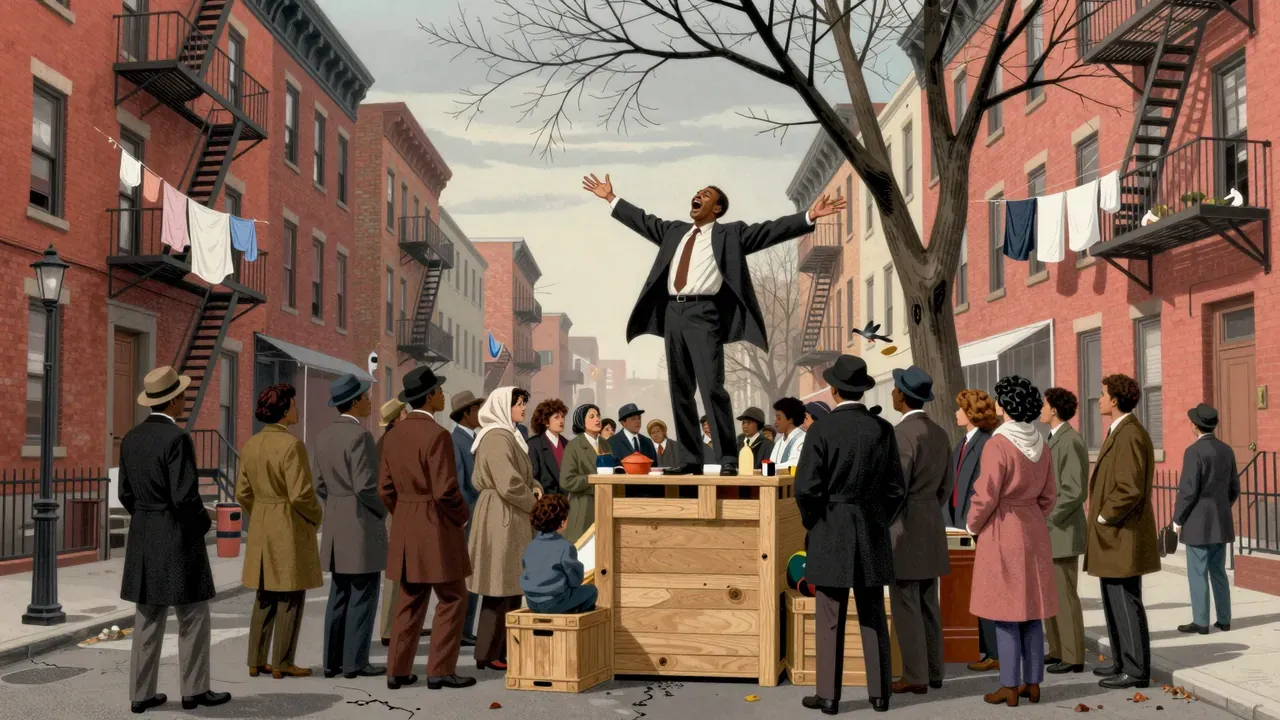
Marlon Riggs’s 1990 ten-minute short Affirmations places Black gay men visibly within Harlem’s African American Freedom Day parade, intercutting Reginald T. Jackson’s quiet recollection of intimacy with footage of protest, portraiture and public speech. Using minimal craft and maximal assertion, it treats queerness not as deviation from Black tradition but as its living, contested continuation.
13:00

Buck and the Preacher

Sidney Poitier · 1972

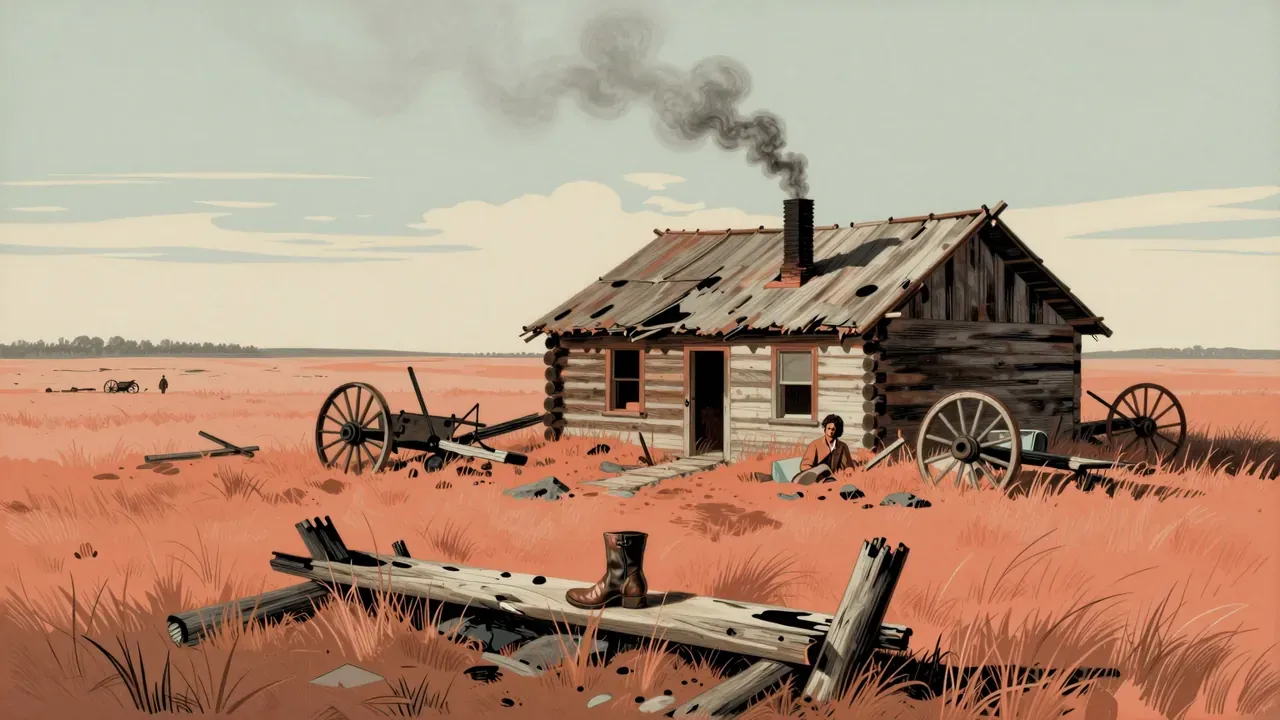
Sidney Poitier’s 1972 directorial debut Buck and the Preacher recasts the Western around the Exoduster movement: Buck (Poitier) leads freed people westward, negotiates with Native Americans for safe passage, and allies with the sharp-tongued Reverend Rutherford (Harry Belafonte) to evade white marauders. Shot in Mexico and Kenya, with cinematography by Alex Phillips Jr. and music by Benny Carter, it balances action with quiet realism — prioritising collective survival over individual legend. Though its villains lack nuance and some plot devices feel functional, its commitment to Black self-determination, material history, and genre reclamation remains potent.

13:00

Claudine

John Berry, John Berry · 1974

A 1974 drama set in Harlem, Claudine follows Claudine Price, a single Black mother of six who works as a housekeeper while relying on welfare. When she begins dating Rupert, a cheerful garbage collector, their relationship is tested by poverty, bureaucratic constraints, her children’s resistance, and systemic pressures. Directed by John Berry and written by Tina Pine, the film grounds its social observation in specific place and unvarnished performance—Diahann Carroll and James Earl Jones anchor a portrait of endurance, interdependence, and quiet dignity.

13:00

Color Adjustment

Marlon Riggs · 1992

Marlon Riggs’s 1992 documentary examines four decades of African American representation on US prime-time television, tracing how sitcoms and variety shows absorbed racial conflict into safe, marketable formats. Narrated by Ruby Dee and built from archival clips, interviews with performers and producers, and cultural criticism, it argues that inclusion was conditional — granted only when it reinforced, rather than challenged, dominant myths of the American family and dream.

13:00

Do the Right Thing

Spike Lee · 1989

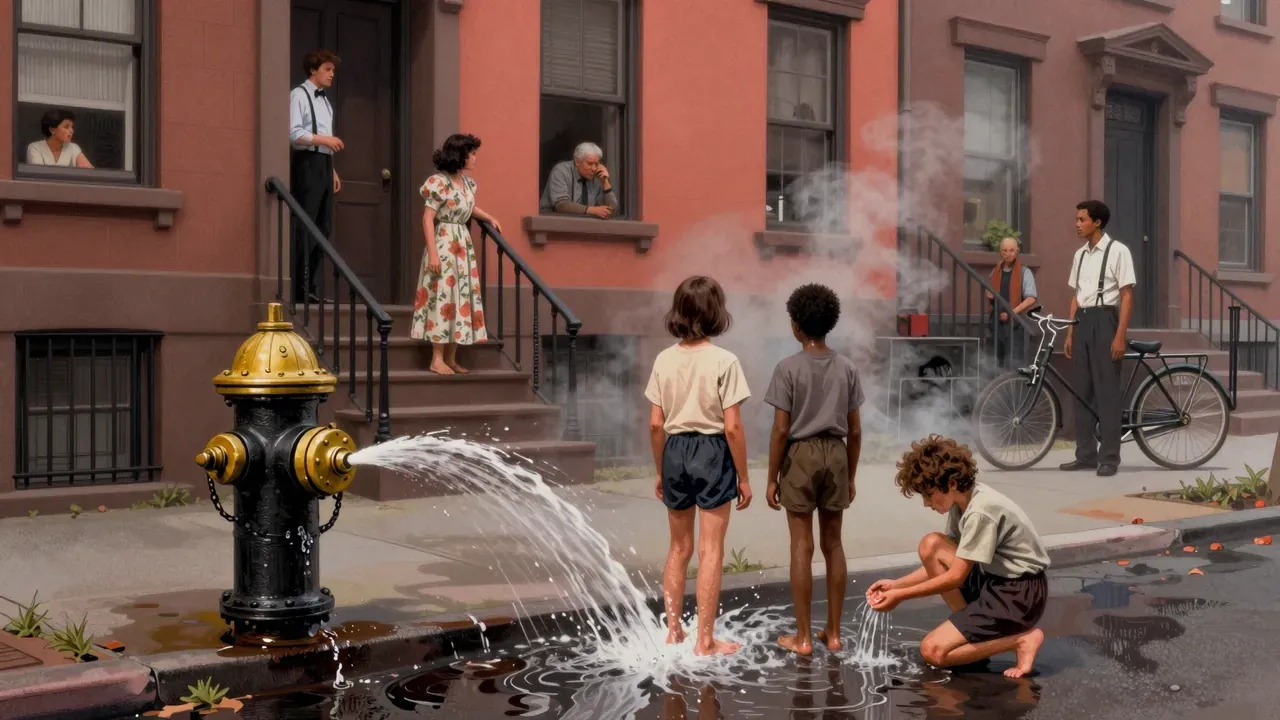
Set over one sweltering day in Bedford–Stuyvesant, Do the Right Thing follows residents of a Brooklyn block as racial tensions escalate around Sal’s pizzeria. Spike Lee’s script, direction and performance anchor a tightly composed ensemble piece whose visual intensity, rhythmic editing and layered sound design sustain pressure until a violent climax forces confrontation — not resolution. It is a film about proximity without understanding, labour without equity, and protest without guarantees.

13:00

Easy Rider

Dennis Hopper · 1969

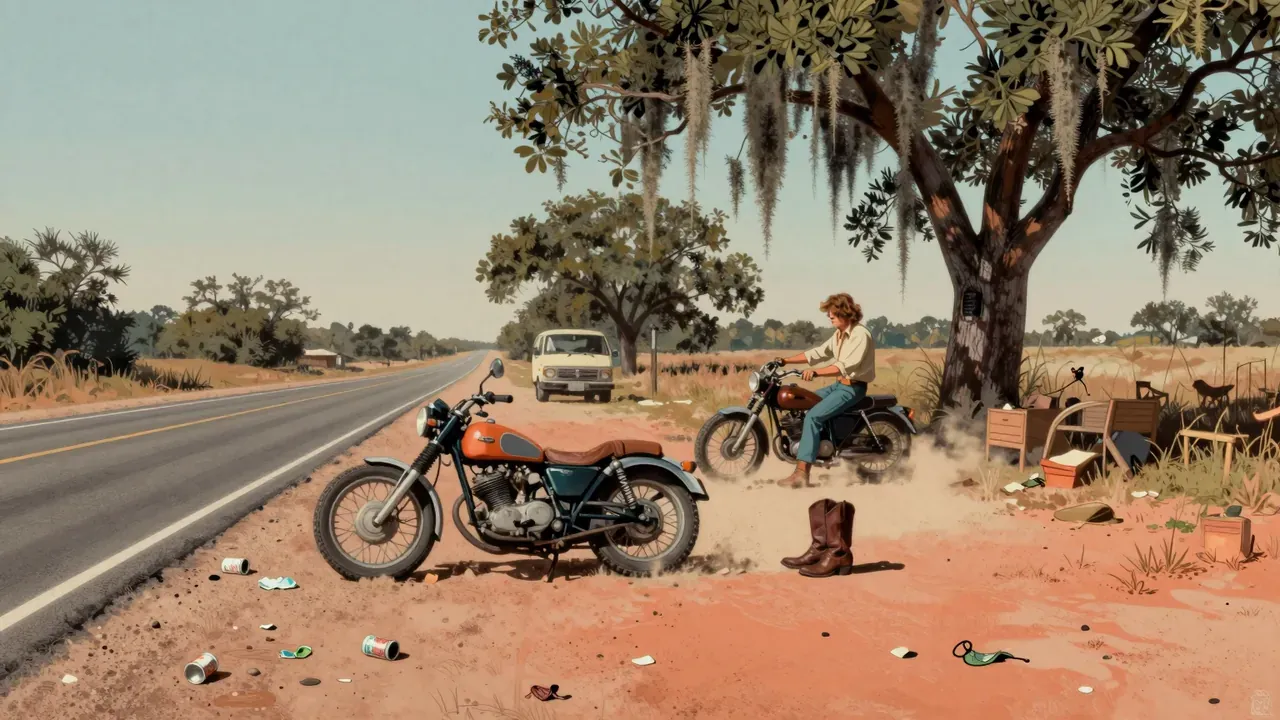
Easy Rider (1969), directed by Dennis Hopper and starring Peter Fonda and Jack Nicholson, follows two bikers travelling cross-country after a drug deal. Shot on location with natural light and improvised dialogue, it captures a fractured America through landscape, gesture, and omission. Its influence on independent cinema is well documented, but its endurance rests on formal discipline — not countercultural myth-making.

13:00

Ethnic Notions

Marlon Riggs · 1987

Marlon Riggs’ 1987 documentary Ethnic Notions traces the development and function of anti-Black stereotypes in American popular culture from the 1800s to the 1960s. Using archival footage, academic commentary, and Esther Rolle’s narration, it dissects figures like The Mammy, The Tom, and The Brute across minstrelsy, advertising, film, and song — showing how visual language enforced racial hierarchy and shaped self-perception. It won a 1988 National Emmy and remains Riggs’ most widely seen work.

13:00

Hairspray

John Waters · 1988

John Waters’s 1988 romantic comedy reimagines 1962 Baltimore as a stage for joyful, noisy resistance. Tracy Turnblad, a plus-size teen, fights to integrate a local TV dance show — and in doing so, exposes segregation as farcical, fragile, and beatable. With Ricki Lake, Divine, Ruth Brown, and Debbie Harry, it balances satire and sincerity, using music, dance, and outrageous costume to argue that liberation is loud, embodied, and unapologetically fun.

13:00

In the Heat of the Night

Norman Jewison · 1967

Norman Jewison’s 1967 crime drama follows Philadelphia detective Virgil Tibbs (Sidney Poitier), detained in a Mississippi town and reluctantly drawn into a murder investigation alongside racist police chief Bill Gillespie (Rod Steiger). Haskell Wexler’s lighting, Hal Ashby’s editing, and Quincy Jones’ score serve a tightly wound procedural that exposes racial hierarchy as structural, not incidental. It won five Academy Awards, including Best Picture and Best Actor.

13:00

Malcolm X

Spike Lee · 1992

Spike Lee’s 1992 Malcolm X follows Denzel Washington’s portrayal of the civil rights leader across three decades — from street hustler to Nation of Islam minister to international human rights advocate. Built from Alex Haley’s Autobiography and shaped by Lee’s structural rigour, the film refuses simplification, holding contradiction without resolution. Ernest Dickerson’s cinematography, Terence Blanchard’s score, and Barry Alexander Brown’s editing sustain its 201-minute arc with discipline. It is less a tribute than a reckoning: dense, demanding, and deliberately unhurried.

13:00

Night of the Living Dead

George A. Romero · 1968

Night of the Living Dead (1968) is a black-and-white American horror film directed by George A. Romero, shot on 35mm with a $114,000 budget. Nine people take refuge in a rural Pennsylvania farmhouse as flesh-eating ghouls close in. Duane Jones stars as Ben, the de facto leader whose authority is tested by both the dead outside and the living within. The film avoids exposition, embraces technical limitation, and treats social breakdown as an observable process. It entered the public domain due to a missing copyright notice, enabling wide distribution and lasting influence. Preserved in the National Film Registry in 1999.

13:00

Nothing but a Man

Michael Roemer · 1964

Nothing but a Man (1964), directed by Michael Roemer, follows Duff Anderson, a Black railroad worker in Alabama, as he marries a preacher’s daughter and confronts systemic racism, economic precarity, and fractured fatherhood. Made independently on a $300,000 budget, it uses Motown’s early 1960s hits as diegetic sound and relies on understated performances—especially Ivan Dixon’s and Abbey Lincoln’s—to trace dignity as quiet persistence. Though initially overlooked, it entered the National Film Registry in 1993 and now stands as a landmark of American neorealism.

13:00

One Night in Miami...

Regina King · 2020

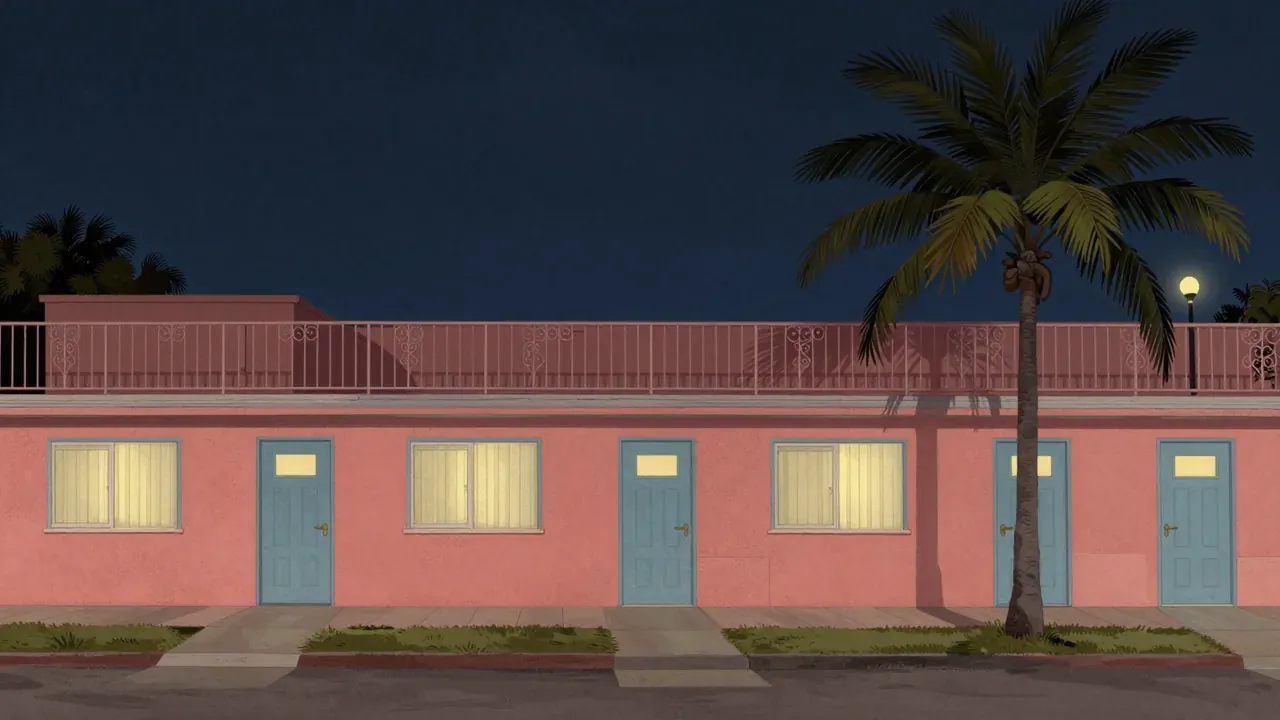
Regina King’s directorial debut adapts Kemp Powers’s play into a contained, dialogue-driven drama set in a Miami motel room on 25 February 1964. Kingsley Ben-Adir, Eli Goree, Aldis Hodge and Leslie Odom Jr. portray Malcolm X, Cassius Clay, Jim Brown and Sam Cooke, debating faith, art, politics and legacy in the wake of Clay’s title win. Shot by Tami Reiker and scored by Terence Blanchard, it prioritises voice and presence over exposition or visual flourish.

13:00

Paul Robeson: Tribute to an Artist

Saul J. Turell · 1979

Saul J. Turell’s 1979 Oscar-winning short documentary focuses on Paul Robeson’s evolving performances of 'Ol’ Man River' across three decades, using archival footage and Sidney Poitier’s restrained narration to trace artistic and political transformation without biographical exposition. It is a precise, austere act of reclamation — less a life story than a sustained listening.

13:00

The Learning Tree

Gordon Parks · 1969

Gordon Parks’ 1969 debut feature, adapted from his own novel, follows Newt Winger’s adolescence in 1920s Kansas. Shot on location in Fort Scott with Burnett Guffey, it renders Black interiority through restraint: moral choices accumulate without resolution, violence lingers without spectacle, and dignity is shown as daily practice. Its historical significance—as the first film by a Black director for a major studio—is matched by its formal composure and thematic weight.

13:00

The Times of Harvey Milk

Rob Epstein · 1984

Rob Epstein’s 1984 documentary assembles interviews, news footage and archival material to trace Harvey Milk’s election, advocacy and assassination in San Francisco. It avoids dramatisation, focusing instead on the mechanics of coalition-building, the texture of local politics and the public aftermath of violence. Awarded the Academy Award for Best Documentary Feature and preserved in the National Film Registry, it remains a model of factual rigour and civic empathy.

13:00

Watermelon Man

Melvin Van Peebles · 1970

A 1970 Columbia Pictures satire directed by Melvin Van Peebles, in which a bigoted white insurance salesman wakes up black and confronts the immediate, unvarnished consequences of racialised systems — housing, work, medicine, marriage. Written by Herman Raucher and starring Godfrey Cambridge, it uses allegory, not realism, to dissect liberal complicity and structural exclusion. Its power lies in its restraint, its refusal to explain, and its unwavering focus on consequence over cause.

13:00

When We Were Kings

Leon Gast · 1996

When We Were Kings (1996) is a documentary about the 1974 'Rumble in the Jungle' fight between Muhammad Ali and George Foreman in Kinshasa, Zaire. Directed by Leon Gast and edited over twenty-two years, it combines 1974 archival footage — of the fight, the Zaire 74 music festival, and Ali’s interactions with locals — with 1990s interviews by Norman Mailer, Spike Lee, George Plimpton and others. The film treats the event as a convergence of sport, race, postcolonial politics and personal reinvention, centring Ali’s agency and rhetorical power. It won the 1997 Academy Award for Best Documentary Feature.

13:00

White Dog

Samuel Fuller · 1982

Samuel Fuller’s 1982 drama follows a white actress who adopts a stray dog trained to attack Black people on sight. When a Black trainer attempts to recondition it, the film becomes a stark, unsentimental inquiry into whether racism is a treatable reflex or an irreversible imprint. Shot in 45 days with clinical precision, it avoids moralising, opting instead for procedural realism—its power lies in what it refuses to show, explain, or resolve.

13:00

The Birth of a Nation

D. W. Griffith · 1915

D. W. Griffith’s 1915 silent epic pioneered cinematic grammar while propagating a violently racist revision of Reconstruction history. Adapted from Thomas Dixon Jr.’s The Clansman, it glorifies the Ku Klux Klan as saviours of white womanhood and Southern order. Though lauded for its editing, scale, and orchestral score, its depictions of Black Americans—many performed in blackface—are dehumanising fabrications that incited protest on release and continue to shape debates about film preservation, pedagogy, and responsibility.

13:00

A Raisin in the Sun

Daniel Petrie · 1961

Daniel Petrie’s 1961 film adapts Lorraine Hansberry’s landmark play about the Younger family’s struggle to claim dignity, space, and self-determination in 1950s Chicago. Anchored by Sidney Poitier and Claudia McNeil, it unfolds almost entirely within their cramped apartment, using dialogue, gesture, and quiet moral reckoning to explore race, class, generational conflict, and the meaning of home. Its power lies in specificity, restraint, and unwavering attention to how systemic forces shape daily life.

13:00

Ali

Michael Mann · 2001

Michael Mann’s Ali traces ten years in Muhammad Ali’s life, from his 1964 title win over Sonny Liston to the 1974 Rumble in the Jungle. Will Smith performs Ali as physical and vocal presence rather than psychological portrait; Emmanuel Lubezki’s cinematography and Pieter Bourke and Lisa Gerrard’s score reinforce texture over exposition. The film prioritises endurance, visibility, and voice over narrative clarity or emotional exposition — landing hardest in its sensory fidelity, faltering where it attempts thematic breadth or relational depth.

13:00

Detroit

Kathryn Bigelow · 2017

Kathryn Bigelow’s Detroit dramatises the 1967 Algiers Motel incident with forensic restraint: tight framing, minimal score, and performances rooted in silence and hesitation. It focuses not on the wider riot but on how unchecked authority operates in a single night — and how institutions protect themselves through omission, delay, and procedural evasion. The film’s power lies in its refusal to resolve what history left open.

13:00

Driving Miss Daisy

Bruce Beresford · 1989

Driving Miss Daisy (1989) follows twenty-five years in the relationship between Daisy Werthan, a Jewish widow in Atlanta, and Hoke Colburn, the Black chauffeur her son hires after she can no longer drive. Adapted by Alfred Uhry from his play and directed by Bruce Beresford, it relies on understated performances by Jessica Tandy and Morgan Freeman, restrained cinematography by Peter James, and a patient, episodic structure. Though commercially successful and awarded Best Picture, it has drawn criticism for its gentle treatment of systemic racism. Its strength lies in cumulative intimacy, not exposition.

13:00

Guess Who's Coming to Dinner

Stanley Kramer · 1967

Guess Who’s Coming to Dinner is a 1967 Columbia Pictures drama directed by Stanley Kramer, written by William Rose, and starring Katharine Hepburn, Spencer Tracy (in his final role), Sidney Poitier, and Katharine Houghton. Set over one day in San Francisco, it follows a liberal white couple as they confront their daughter’s engagement to a Black doctor. Structured as a moral argument rather than a psychological portrait, the film isolates race as the sole obstacle to acceptance, using tightly controlled dialogue, restrained cinematography by Sam Leavitt, and a functional score by Frank De Vol. It won three Academy Awards, including Best Actress and Best Original Screenplay, and was added to the National Film Registry in 2017.