filmbriefs
Topic

Buddhism

A method for ending suffering that became a religion on the way.

11
in film
13:00
average
143 min
in total
28
across the network
Buddhism across the network →
All briefs11
13:00

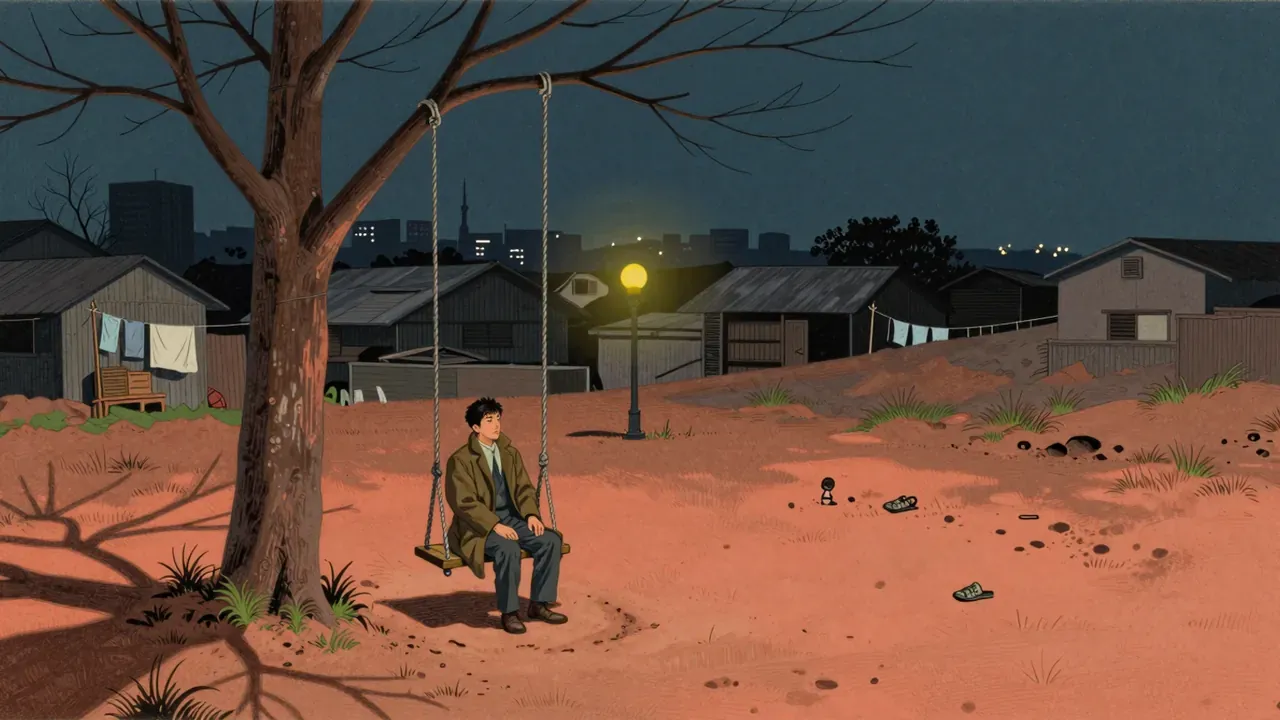
Ikiru

Akira Kurosawa · 1952

Ikiru (1952), directed by Akira Kurosawa, follows Kanji Watanabe, a Tokyo civil servant diagnosed with terminal cancer, as he seeks purpose in his final months. Rejecting hedonism and spiritual cliché, he devotes himself to realising a children’s playground stalled by bureaucratic inertia. Anchored by Takashi Shimura’s restrained performance and Asakazu Nakai’s unadorned cinematography, the film builds meaning through repetition, silence, and the quiet dignity of incremental action. Its structure—split by Watanabe’s death—shifts focus from his life to the puzzle of his final intent, resolved only in the tangible outcome of his labour.
13:00

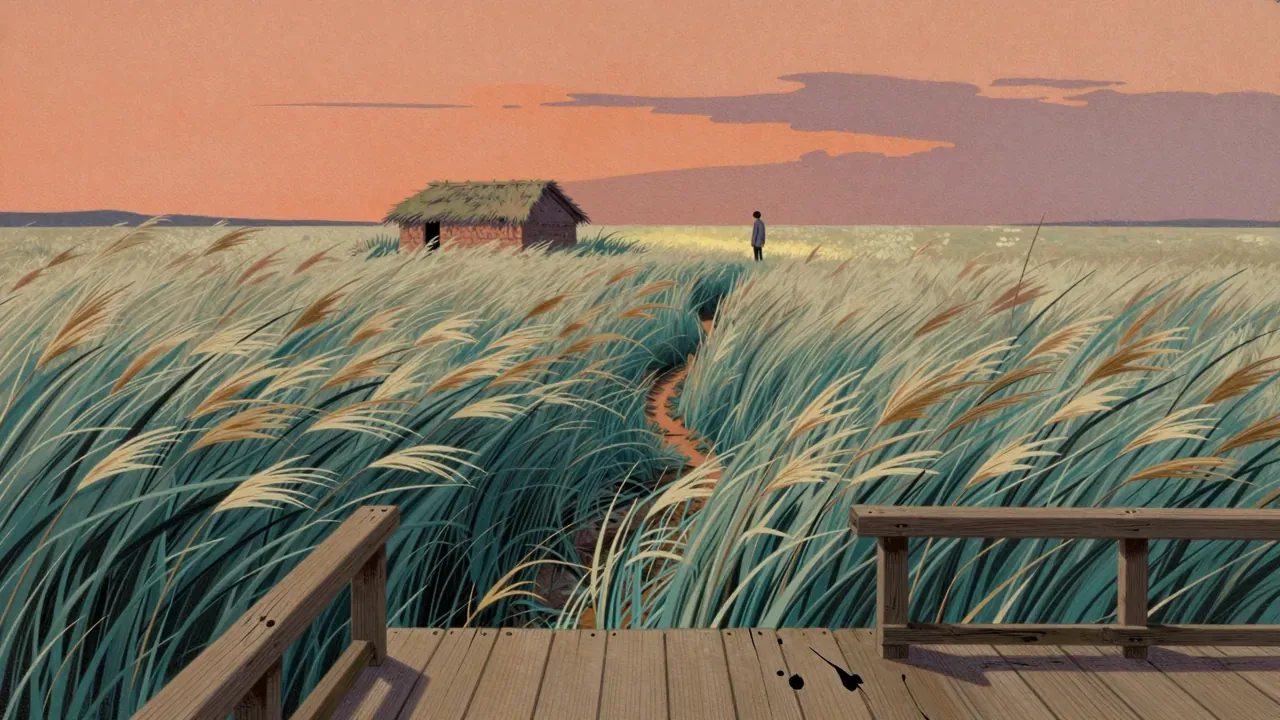
Onibaba

Kaneto Shindō · 1964

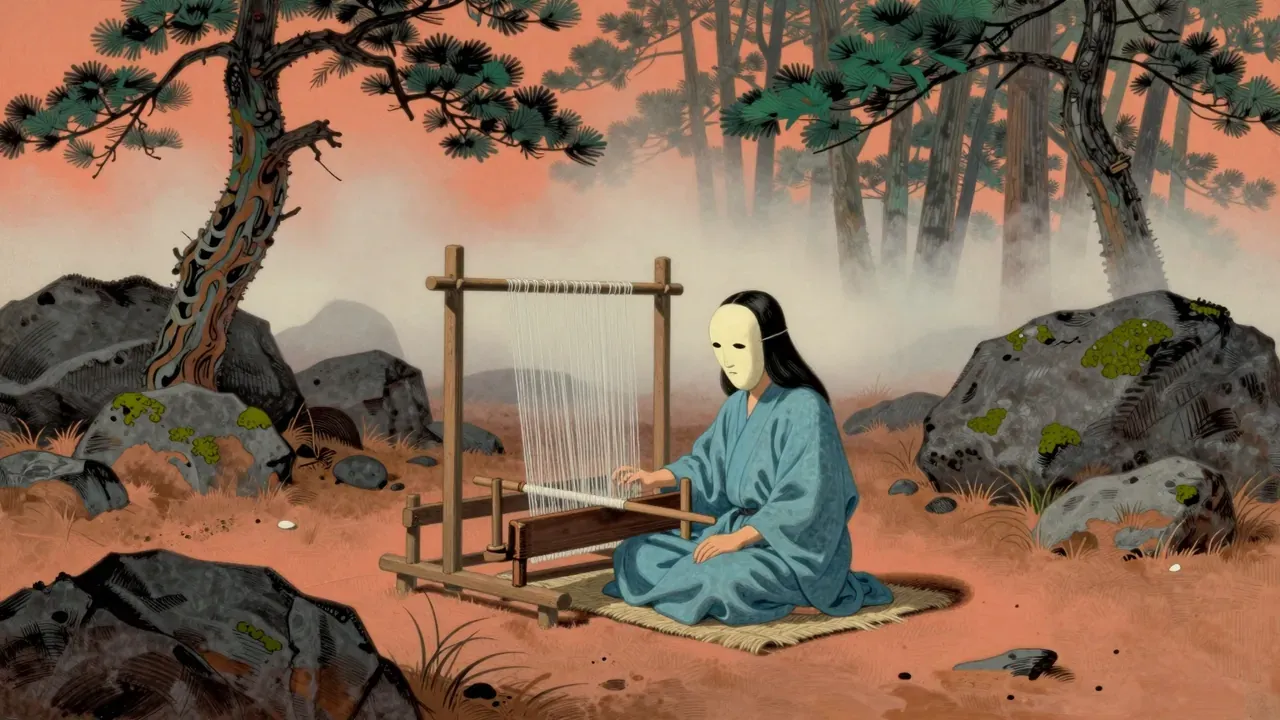
Set in 14th-century Japan amid civil war, Onibaba follows two unnamed women who kill stray soldiers in a vast reed field to trade armour for food. When a masked samurai dies in their pit, the older woman takes his hannya mask — and finds it will not come off. Kaneto Shindō’s 1964 film uses stark black-and-white cinematography, minimal dialogue, and physical performance to explore moral erosion, interdependence, and the bodily cost of fear.

13:00

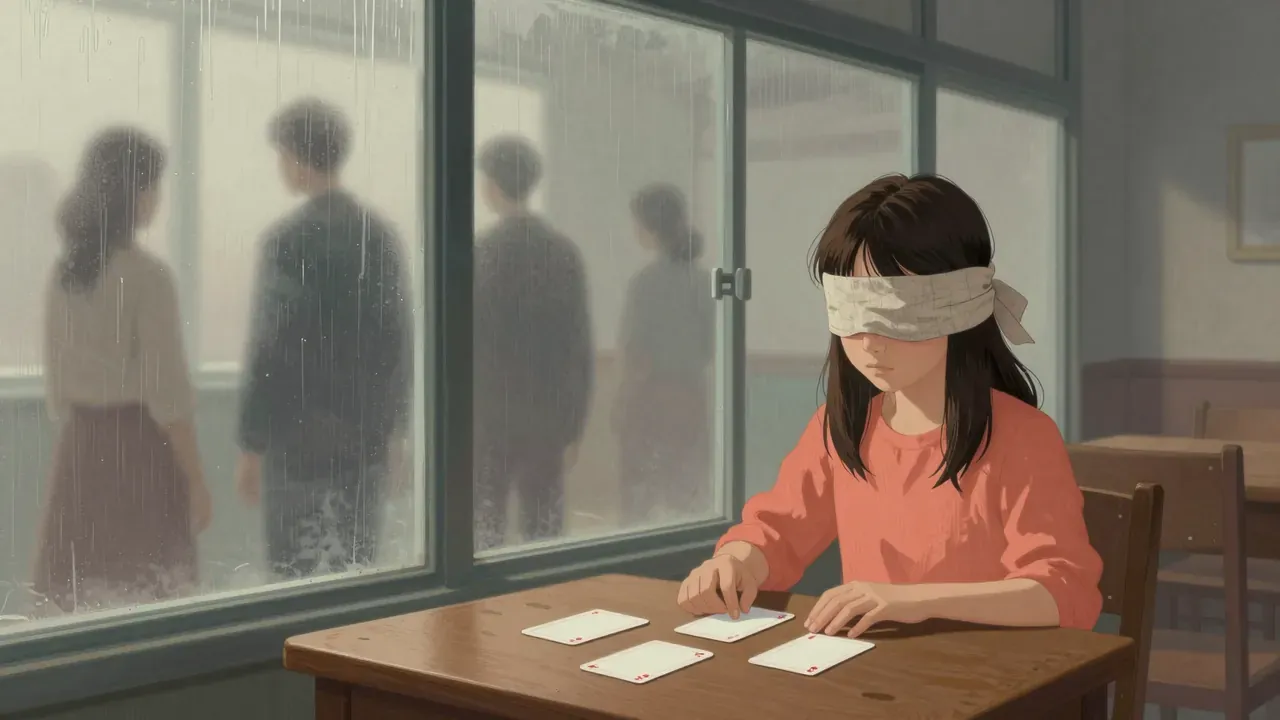
Resurrection

Bi Gan · 2025

Bi Gan’s Resurrection is a 156-minute Mandarin-language science fiction film structured around the six Buddhist senses. Starring Jackson Yee as a dying ‘Deliriant’ who relives a century across four dreams, aided by Shu Qi’s enigmatic guide, it uses formal techniques — long takes, double exposure, stop motion — to explore dreaming as forbidden ritual. Shot by Dong Jingsong and scored by M83, it premiered at Cannes 2025, winning the Prix Spécial, and was released theatrically in China and France late that year. Its ambition is liturgical: to make cinema itself the site of resurrection.

13:00

Samurai I: Musashi Miyamoto

Hiroshi Inagaki · 1954

Hiroshi Inagaki’s 1954 Samurai I: Musashi Miyamoto follows the transformation of the unruly Takezo into the disciplined swordsman Musashi Miyamoto. Adapted from Eiji Yoshikawa’s novel, it charts his journey through exile, imprisonment, and moral education in early Tokugawa Japan. With Toshirō Mifune in a physically commanding, psychologically restrained performance, the film privileges restraint over action, silence over exposition, and accumulation over epiphany. Shot in Eastman Color by Toho, it won a Special Academy Award in 1955 and remains a cornerstone of Japanese cinematic craft.

13:00

Sanshiro Sugata

Akira Kurosawa · 1943

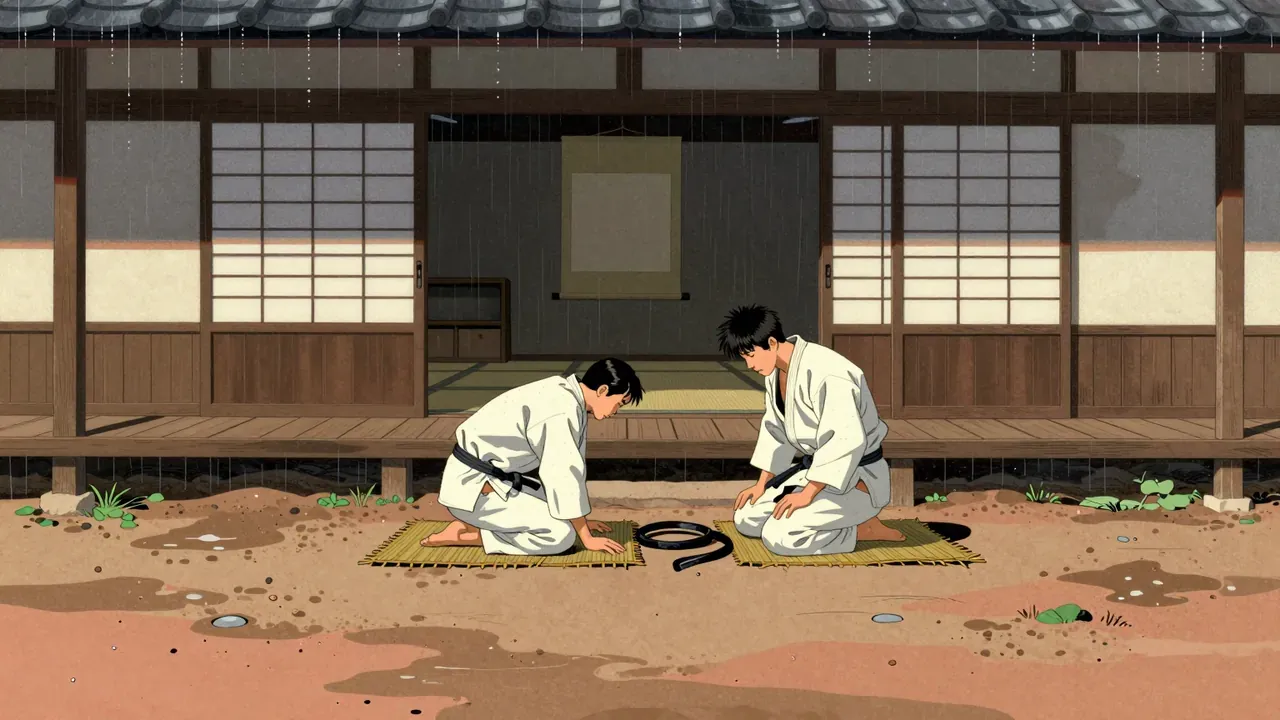
Akira Kurosawa’s 1943 debut adapts Tsuneo Tomita’s novel about a young judo student’s moral and physical education in Meiji-era Tokyo. Made under wartime censorship, it foregrounds cinematic control — wipes, weather, slow motion — over didacticism. Its power lies in quiet accumulation: the pond vigil, the measured matches, the unspoken parting. Though some characters remain schematic and its politics underdeveloped, its focus on discipline as self-erasure remains potent. Restored footage has deepened, but not altered, its austere coherence.

13:00

The Burmese Harp

Kon Ichikawa · 1956

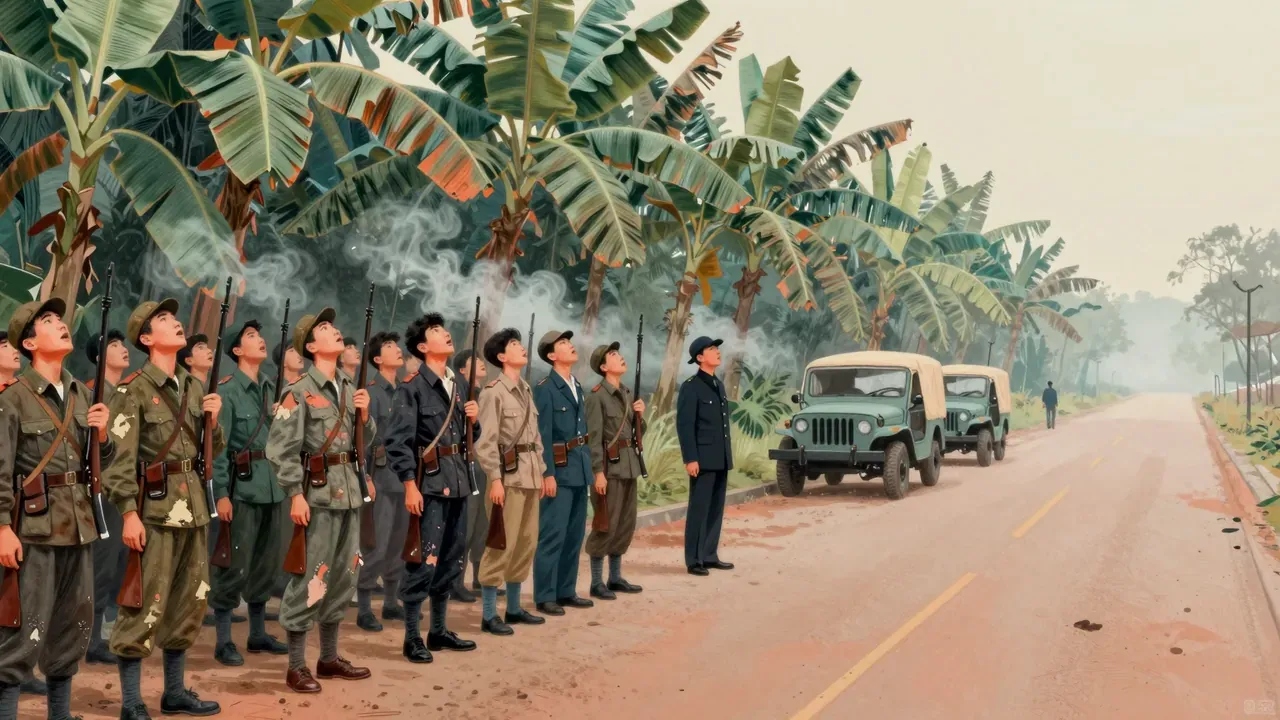
Kon Ichikawa’s 1956 drama follows Japanese soldiers in Burma at the end of World War II, narrowing to one man’s solitary mission to bury the dead and become a Buddhist monk. Adapted from Michio Takeyama’s novel by Natto Wada, it uses monochrome restraint, deliberate pacing and Akira Ifukube’s haunting score to explore grief, duty and spiritual transformation — not as transcendence, but as daily labour.

13:00

The Eight Mountains

Felix van Groeningen, Charlotte Vandermeersch · 2022

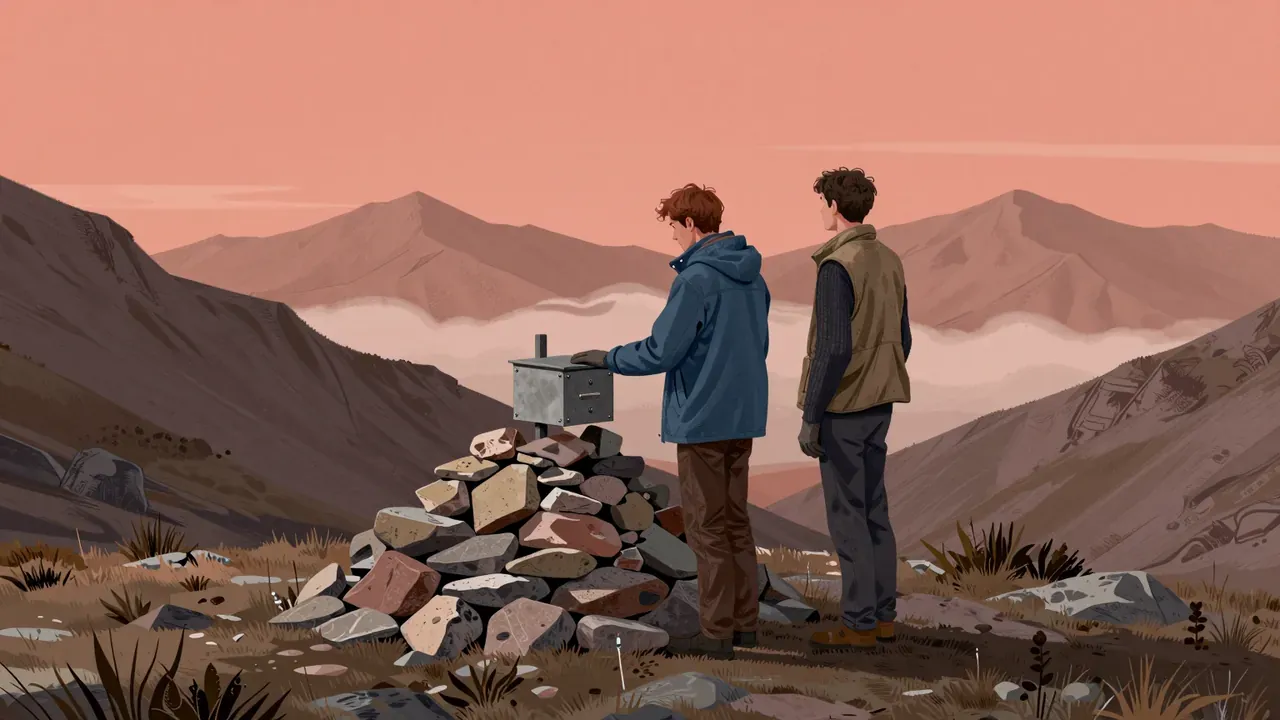
Co-directed by Felix van Groeningen and Charlotte Vandermeersch, The Eight Mountains follows Pietro and Bruno across thirty years as their childhood bond in the Italian Alps fractures, endures, and reshapes itself through distance, grief, and divergent choices. Shot by Ruben Impens and scored by Daniel Norgren, it treats landscape as character and time as weather — a slow, tactile drama about inheritance, solitude, and the quiet persistence of place.

13:00

The Lower Depths

Akira Kurosawa · 1957

Akira Kurosawa’s 1957 adaptation of Gorky’s play relocates the action to Edo Japan and strips away theatrical artifice to create a claustrophobic, ensemble-driven portrait of a tenement’s inhabitants. With Toshirō Mifune, Isuzu Yamada and Kyōko Kagawa, it sustains a tone of moral exhaustion rather than uplift, treating poverty as an environment that reshapes language, loyalty and selfhood. Shot in extended takes with minimal editing, it privileges texture over plot and ambiguity over resolution.

13:00

Throne of Blood

Akira Kurosawa · 1957

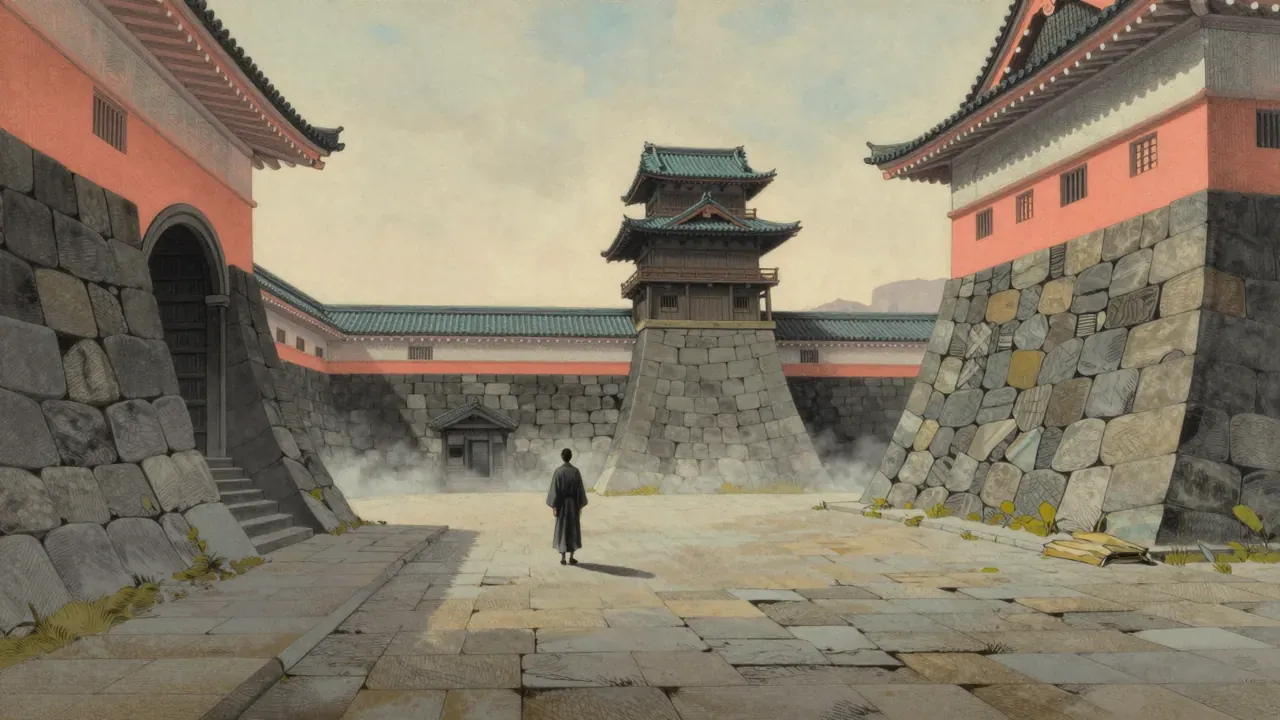
Akira Kurosawa’s 1957 Throne of Blood transposes Macbeth to feudal Japan, using Noh aesthetics, volcanic landscapes, and deliberate stillness to trace the physical and psychological narrowing of a man who kills to become lord — and finds only enclosure. Toshirō Mifune and Isuzu Yamada anchor a film where fog obscures but never excuses, and silence carries more threat than speech.

13:00

Zatoichi's Pilgrimage

Kazuo Ikehiro · 1966

The fourteenth Zatoichi film sees Shintarō Katsu’s blind swordsman undertake the Shikoku pilgrimage, seeking quiet reckoning rather than redemption. Directed by Kazuo Ikehiro with script by Kaneto Shindō, it trades action set-pieces for sustained atmosphere, subtle performance, and restrained craft. Violence is brief and consequential; stillness is prolonged and meaningful. The film’s strength lies in its commitment to rhythm over revelation, repetition over resolution.

13:00

A Touch of Zen

King Hu · 1971

King Hu’s 1971 wuxia epic, adapted from Pu Songling’s 'Xia Nü', uses Ming-dynasty politics, Chan Buddhist philosophy, and classical Chinese aesthetics to reimagine action cinema as meditative discipline. Shot over three years in Taiwan, its fragmented editing, operatic sound design, and painterly compositions construct a world where scholarship and swordplay, silence and percussion, ghost stories and state terror coexist as interdependent forces. Though structurally demanding and thematically dense, its formal rigour and ethical precision make it a landmark of arthouse fantasy.