filmbriefs
Topic

Boxing

The sport that is hardest to defend and hardest to look away from.

11
in film
13:00
average
143 min
in total
14
across the network
Boxing across the network →
All briefs11
13:00

Girlfight

Karyn Kusama · 2000

Girlfight (2000), Karyn Kusama’s debut, follows Diana Guzman, a Brooklyn teenager who takes up boxing to channel her rage and claim autonomy in a hostile environment. Shot in 24 days on a $1 million budget, it stars Michelle Rodriguez in her first role, trained rigorously at Gleason’s Gym. The film avoids sports-movie clichés, focusing instead on physical discipline, gendered constraint, and quiet, hard-won agency. It won Sundance’s Grand Jury and Directing Prizes, and remains a benchmark for grounded, unsentimental female-led drama.
13:00

Here Comes Mr. Jordan

Alexander Hall · 1941

Here Comes Mr. Jordan (1941) follows boxer Joe Pendleton, mistakenly taken to Heaven before his time, who must inhabit a new body on Earth to complete his life. Directed by Alexander Hall and written by Sidney Buchman and Seton I. Miller, the film balances fantasy, romance, and comedy with precise structure and restrained performances. Its strength lies in treating the afterlife as bureaucratic infrastructure and grounding ethical choices in tangible action — restitution, not revelation. Though its final act softens its earlier rigour, the film remains a masterclass in economical, character-led storytelling.

13:00

I Am Waiting

Koreyoshi Kurahara · 1957

Directed by Koreyoshi Kurahara and released in 1957, I Am Waiting follows a disgraced boxer and a failing cabaret singer as they shelter together in a Tokyo restaurant, evading gangsters and their own pasts. Written by Shintarō Ishihara and starring Yūjirō Ishihara and Mie Kitahara, it is a tightly wound drama of quiet desperation, built on withheld information, atmospheric tension, and the weight of unspoken histories. Part of Nikkatsu’s early noir wave, it trades plot mechanics for psychological compression and visual restraint.

13:00

One Night in Miami...

Regina King · 2020

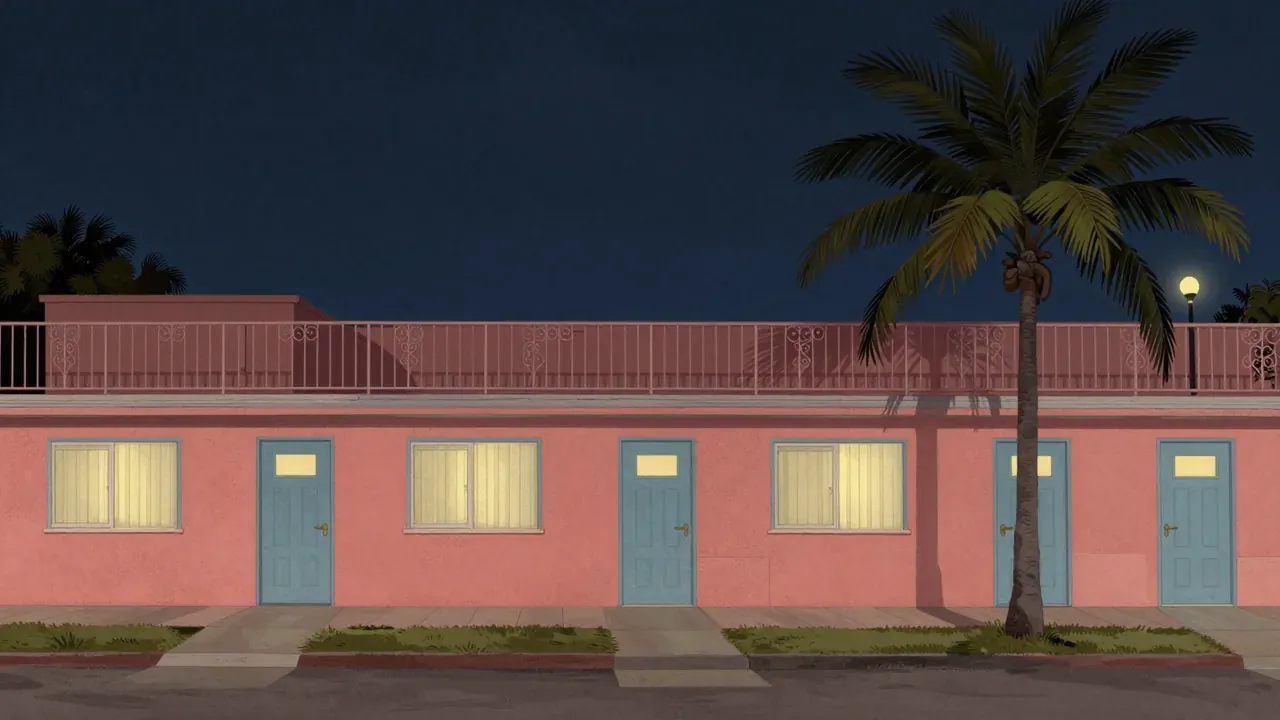
Regina King’s directorial debut adapts Kemp Powers’s play into a contained, dialogue-driven drama set in a Miami motel room on 25 February 1964. Kingsley Ben-Adir, Eli Goree, Aldis Hodge and Leslie Odom Jr. portray Malcolm X, Cassius Clay, Jim Brown and Sam Cooke, debating faith, art, politics and legacy in the wake of Clay’s title win. Shot by Tami Reiker and scored by Terence Blanchard, it prioritises voice and presence over exposition or visual flourish.

13:00

Sanshiro Sugata Part II

Akira Kurosawa · 1945

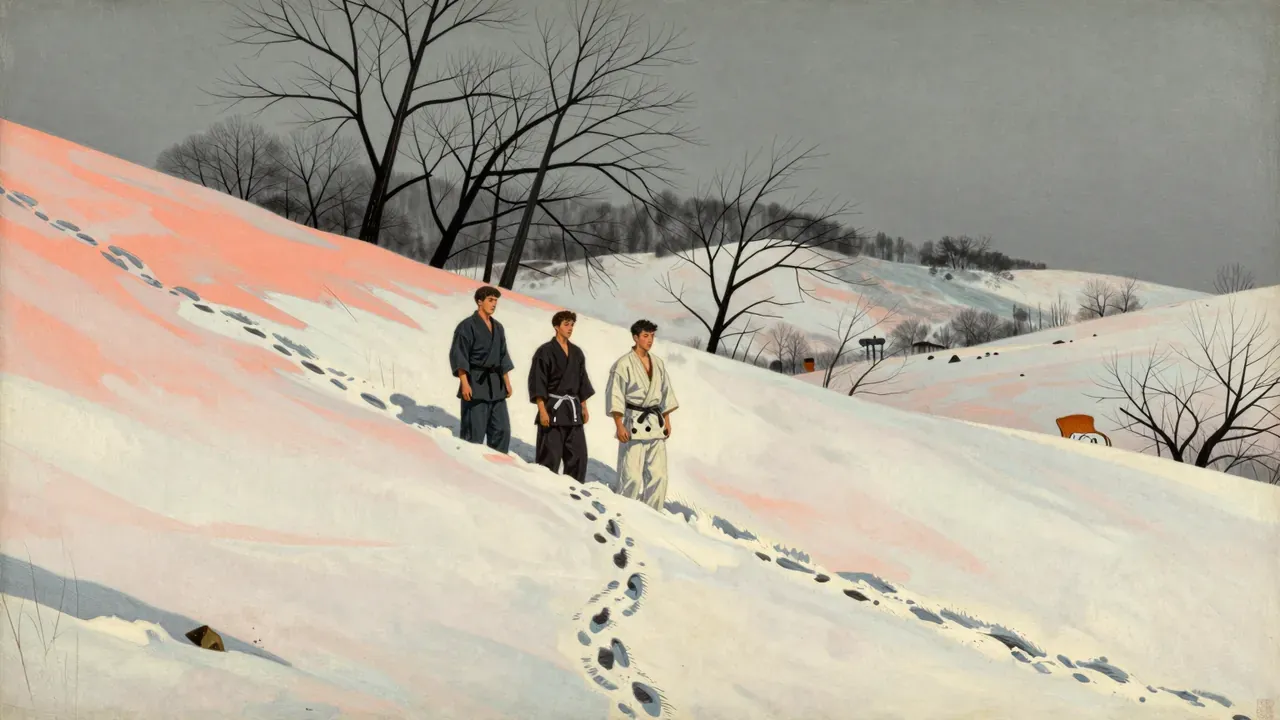
Made in early 1945 for Toho, Sanshiro Sugata Part II follows Sanshiro Sugata’s training under judo’s founder, culminating in a symbolic boxing match against an American sailor. Directed and edited by Akira Kurosawa, with cinematography by Takeo Itō and music by Seiichi Suzuki, the film departs from the spiritual focus of its predecessor to assert judo’s moral and physical supremacy amid Japan’s wartime collapse. Its fights are tightly structured, its ideology unambiguous, its landscape functional rather than lyrical. It is less a character study than a controlled rehearsal of triumph — historically revealing, aesthetically restrained.

13:00

The Big Boss

Lo Wei · 1971

Bruce Lee’s 1971 debut for Golden Harvest, filmed in rural Thailand, establishes his screen persona through disciplined physicality rather than dialogue or psychology. Directed by Lo Wei with functional clarity, it tells a simple revenge story among Chinese migrant workers, using sparse settings and extended fight sequences to foreground Lee’s stamina, timing and presence. Its strengths lie in authenticity of effort and historical significance as the catalyst for Hong Kong’s martial arts boom — not in narrative depth or thematic elaboration.

13:00

When We Were Kings

Leon Gast · 1996

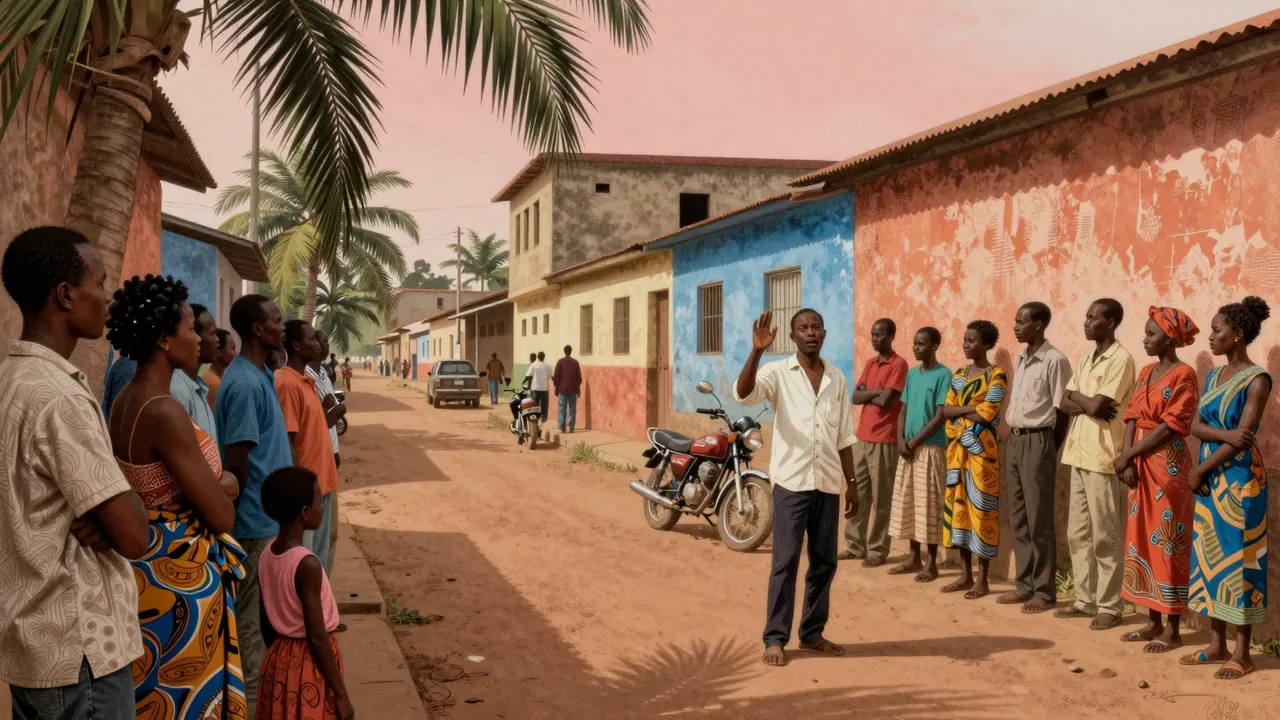
When We Were Kings (1996) is a documentary about the 1974 'Rumble in the Jungle' fight between Muhammad Ali and George Foreman in Kinshasa, Zaire. Directed by Leon Gast and edited over twenty-two years, it combines 1974 archival footage — of the fight, the Zaire 74 music festival, and Ali’s interactions with locals — with 1990s interviews by Norman Mailer, Spike Lee, George Plimpton and others. The film treats the event as a convergence of sport, race, postcolonial politics and personal reinvention, centring Ali’s agency and rhetorical power. It won the 1997 Academy Award for Best Documentary Feature.

13:00

Ali

Michael Mann · 2001

Michael Mann’s Ali traces ten years in Muhammad Ali’s life, from his 1964 title win over Sonny Liston to the 1974 Rumble in the Jungle. Will Smith performs Ali as physical and vocal presence rather than psychological portrait; Emmanuel Lubezki’s cinematography and Pieter Bourke and Lisa Gerrard’s score reinforce texture over exposition. The film prioritises endurance, visibility, and voice over narrative clarity or emotional exposition — landing hardest in its sensory fidelity, faltering where it attempts thematic breadth or relational depth.

13:00

Killer's Kiss

Stanley Kubrick · 1955

Stanley Kubrick’s 1955 second feature is a lean, black-and-white film noir shot on real New York streets — Penn Station, Times Square, SoHo lofts — with a shoestring budget and no studio oversight. It follows a fading boxer and a taxi dancer caught in the orbit of a violent dance-hall boss. Kubrick wrote, produced, directed, photographed and edited it himself, using post-dubbed sound and stark, high-contrast cinematography. Though structurally thin and acted with restraint rather than flourish, its physical authenticity, spatial intelligence and unblinking urban gaze make it a singular early document of a major filmmaker’s method.

13:00

Rocco and His Brothers

Luchino Visconti · 1960

Luchino Visconti’s 1960 epic follows the Parondi family—mother and four sons—as they migrate from rural Lucania to industrial Milan. Their attempts to adapt fracture along lines of class, labour, and desire: Simone turns to boxing and self-destruction, Rocco clings to quiet decency, Ciro embraces union politics, and Luca walks away. Shot by Giuseppe Rotunno in Milan’s housing projects and factories, scored by Nino Rota, and performed with restrained intensity by Alain Delon, Renato Salvatori and Annie Girardot, the film treats disintegration as process, not event.

13:00

The Killers

Robert Siodmak · 1946

Robert Siodmak’s 1946 crime film expands Hemingway’s terse short story into a layered noir investigation, anchored by Burt Lancaster’s debut performance and Elwood Bredell’s atmospheric cinematography. It traces an insurance investigator’s dogged reconstruction of a doomed ex-boxer’s final years, using flashbacks to expose how betrayal, loyalty, and fatalism accumulate like sediment. Though structurally ambitious, its commitment to mood over momentum makes it demanding—and deeply rewarding—for viewers attuned to tone, texture, and the quiet gravity of inevitability.