filmbriefs
Topic

Anarchism

Order without rulers, tested more often than it is credited.

9
in film
13:00
average
117 min
in total
38
across the network
Anarchism across the network →
All briefs9
13:00

Baal

Volker Schlöndorff · 1970

Volker Schlöndorff’s 1970 adaptation of Brecht’s Baal transposes the 1923 play into late-1960s West Germany, starring Rainer Werner Fassbinder in the title role. Shot in vivid, expressionistic colour by Dietrich Lohmann and scored sparsely by Klaus Doldinger, it refuses psychological exposition or moral framing. Instead, it holds Baal — a self-destructive, charismatic, violently entitled poet — in unrelenting focus, exposing the social machinery that enables his ‘genius’. Long suppressed and recently restored, it remains a rigorous, uncomfortable, and formally exacting work.
13:00

Babo 73

Robert Downey Sr. · 1964

Babo 73 is a 1964 American underground comedy directed by Robert Downey Sr., presenting a surreal, non-narrative campaign for a fictional presidential candidate named Babo. Shot on 16mm in black and white, it uses repetition, deadpan delivery, and jagged editing to dissect the performative emptiness of political theatre. With no score, minimal dialogue, and no character development, it operates as a formal experiment in anti-rhetoric—less satire than structural diagnosis.

13:00

Jubilee

Derek Jarman · 1978

Derek Jarman’s 1978 Jubilee transplants Queen Elizabeth I into a decaying, punk-saturated 1970s London. Shot on location in Blitz-damaged neighbourhoods, it follows a nihilistic gang—Amyl Nitrate, Bod, Chaos, Crabs and Mad—through acts of violence, commodification and petty rebellion, all observed by Elizabeth, John Dee and Ariel. With Brian Eno’s ambient score and Peter Middleton’s raw cinematography, the film rejects narrative fluency in favour of texture, rupture and mythic collapse. Now a cult classic, it remains a stark, unresolved portrait of national exhaustion.

13:00

Lady Snowblood: Love Song of Vengeance

Toshiya Fujita · 1974

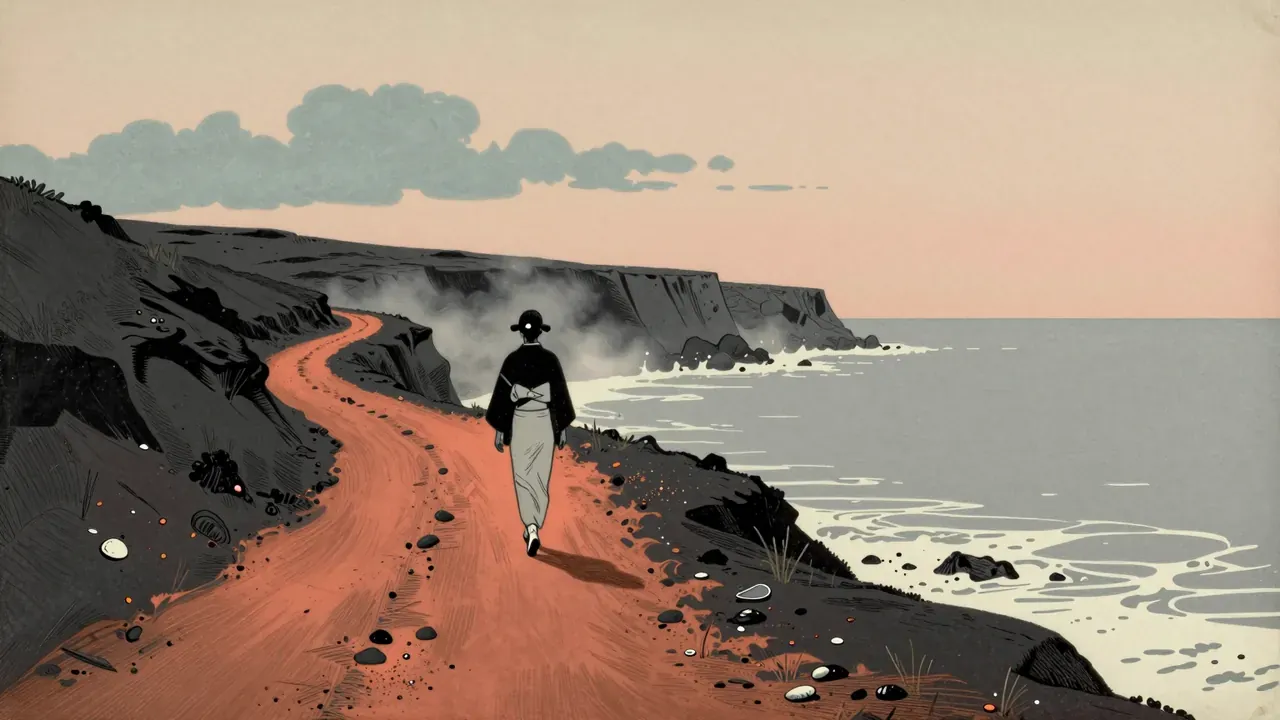
Lady Snowblood: Love Song of Vengeance (1974), directed by Toshiya Fujita, is the second film in the Lady Snowblood series — but a deliberate departure from its manga source and predecessor. Set in late-Meiji Japan, it follows Yuki Kashima (Meiko Kaji) as she infiltrates the household of anarchist Ransui Tokunaga (Jūzō Itami) under orders from the Secret Police. With restrained performances, muted cinematography by Tatsuo Suzuki and Masaki Tamura, and a script that favours implication over exposition, the film explores coercion, ideological uncertainty, and the quiet violence of bureaucratic control. Though structurally uneven and thematically opaque in places, it remains a precise, unsentimental study in moral suspension.

13:00

Multiple Maniacs

John Waters · 1970

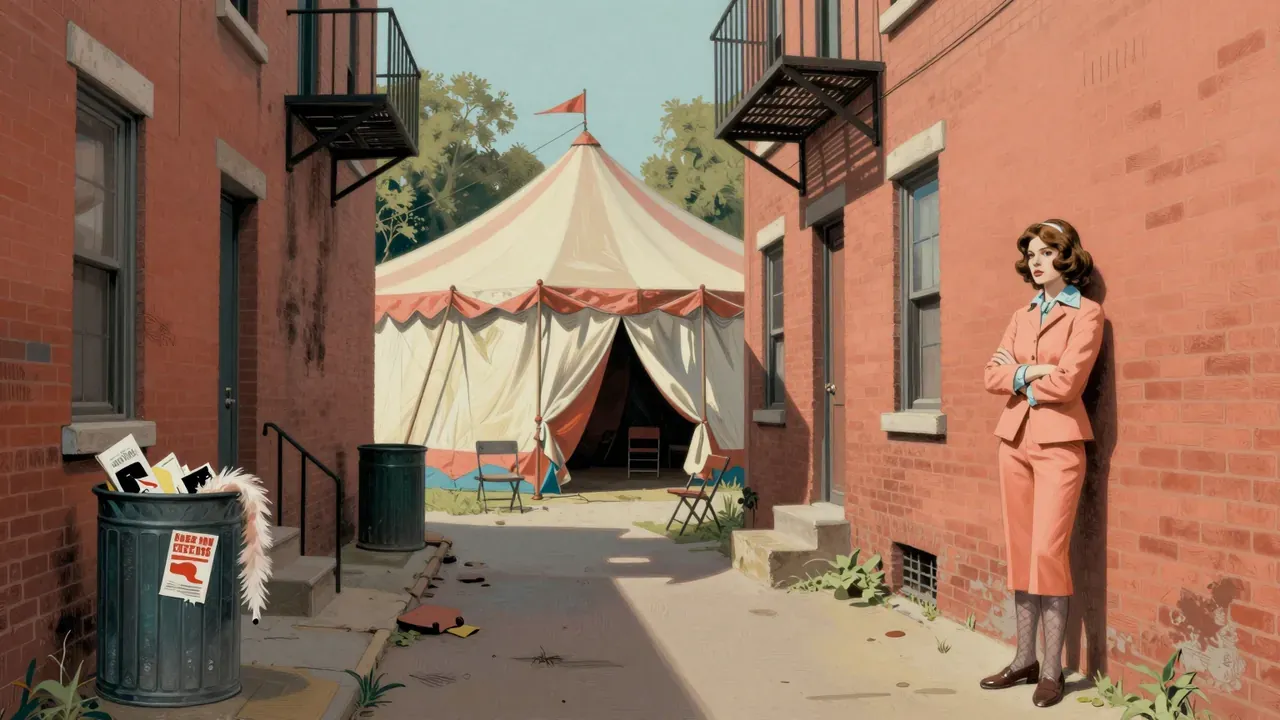
Multiple Maniacs (1970), written and directed by John Waters, is a black-and-white 16mm comedy starring Divine and the Dreamland troupe. Set in Baltimore, it follows a perverse carnival’s descent into violence and surreal retribution. Shot, edited, and scored by Waters himself, it rejects narrative logic and technical polish in favour of sustained provocation. Its themes include the performativity of morality, the politics of disgust, and the aesthetics of marginality. Though rated 100% on Rotten Tomatoes, its value lies not in consensus but in its uncompromising coherence as a polemic in film form.

13:00

Slacker

Richard Linklater · 1991

Richard Linklater’s 1991 debut is a loose chain of vignettes following eccentric, under-30 Austinites over a single day. Shot on 16mm with a $23,000 budget, it moves from character to character without resolution, using muted cinematography by Lee Daniel and sparse scoring by Georges Delerue. It rejects traditional narrative in favour of observational density, capturing a mood of intellectual drift and quiet disaffection. Though divisive in pacing and structure, it became a landmark of American arthouse cinema and entered the National Film Registry in 2012.

13:00

Zero for Conduct

Jean Vigo · 1933

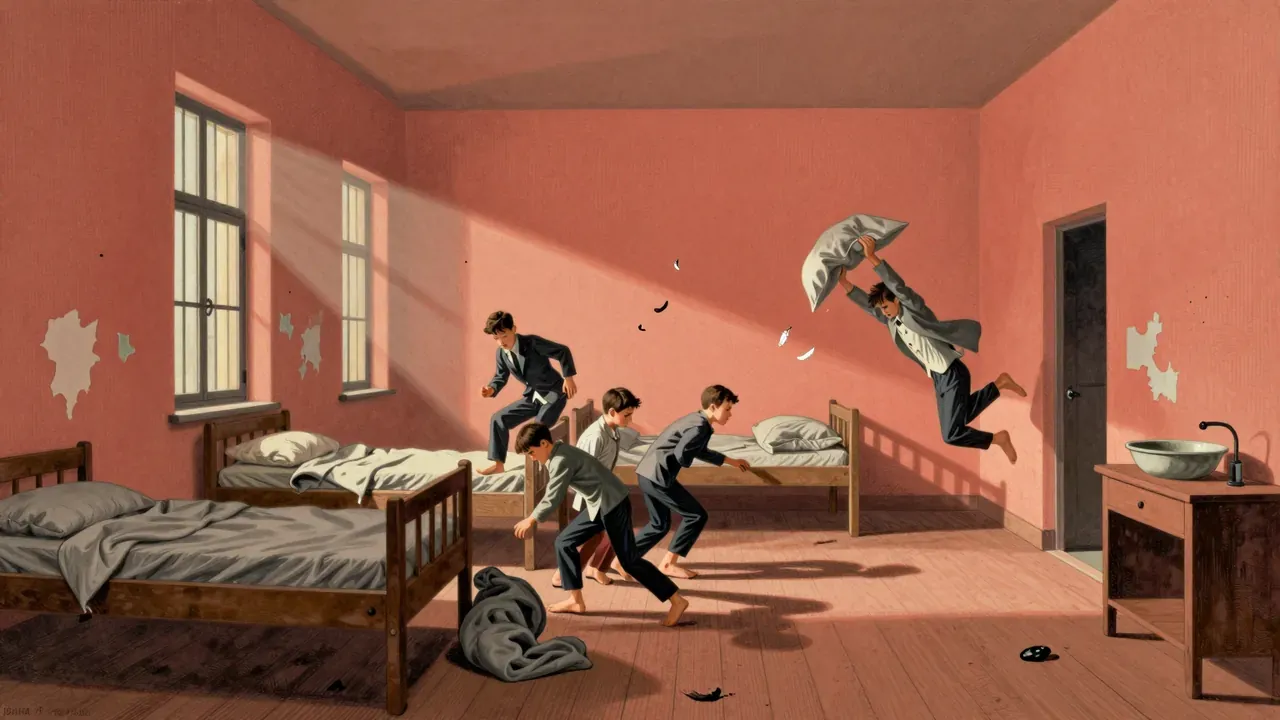
Jean Vigo’s Zero for Conduct (1933) is a 44-minute French featurette depicting revolt by four boys against the rigid authority of a boarding school. Shot on a modest budget with non-professional actors, it draws on Vigo’s own childhood experiences and anarchist convictions. Boris Kaufman’s cinematography and Vigo’s editing emphasise physicality and rhythm over exposition, while Maurice Jaubert’s score underscores its insurgent pulse. Banned in France until 1945, it has since influenced Truffaut and Anderson. It is arthouse comedy rooted in pedagogy, surrealism, and resistance.

13:00

Branded to Kill

Seijun Suzuki · 1967

Seijun Suzuki’s 1967 Nikkatsu production is a formally audacious, narratively defiant yakuza film starring Joe Shishido as Goro Hanada, a contract killer whose professional collapse triggers a descent into absurdity. Written collectively as Hachiro Guru and shot in 25 days, it replaces genre conventions with visual non-sequiturs, tonal whiplash and structural sabotage — rice-sniffing fetishes, butterfly interruptions and projected film loops all serve its core project: to make coherence feel like the illusion.

13:00

Weekend

Jean-Luc Godard · 1967

Jean-Luc Godard’s 1967 Weekend follows a bourgeois couple’s disastrous road trip through a hallucinatory French countryside, where narrative collapses into allegory, history bleeds into farce, and revolution ends in cannibalism. Shot by Raoul Coutard and edited by Agnès Guillemot, it is a formally radical, politically abrasive essay-film that treats cinema as a site of ideological combat — not storytelling.