filmbriefs
Topic

Space exploration

Leaving the planet, at enormous cost, for contested reasons.

7
in film
13:00
average
91 min
in total
84
across the network
Space exploration across the network →
All briefs7
13:00

Armageddon

Michael Bay · 1998

A 1998 American action film directed by Michael Bay, Armageddon follows a team of oil drillers recruited by NASA to destroy a Texas-sized asteroid hurtling toward Earth. With a $140 million budget and an ensemble cast including Bruce Willis, Ben Affleck and Liv Tyler, it prioritises emotional clarity, physical craft and relentless momentum over scientific plausibility or psychological nuance. Though critically divided, it became the highest-grossing film of 1998 and remains a benchmark for large-scale, character-driven spectacle.
13:00

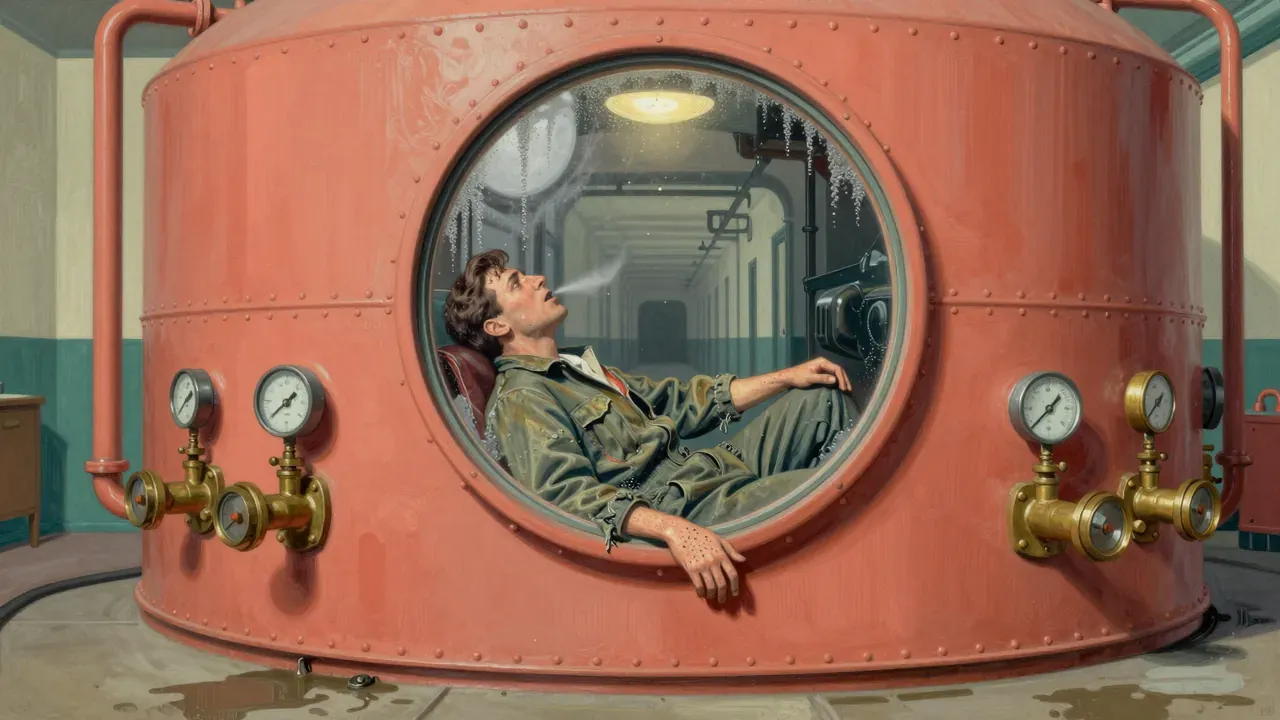
First Man into Space

Robert Day · 1959

First Man into Space (1959) is a British science fiction-horror film directed by Robert Day, following a US Navy pilot who returns from extreme altitude encrusted in meteoric dust and transformed into a blood-dependent creature. Built on a tight budget and grounded in procedural realism, it prioritises physiological logic over myth or metaphor, using restrained performances, functional cinematography, and a lean narrative structure to sustain its central conceit. Though limited by its means, it delivers a coherent, atmospheric, and quietly tragic vision of spaceflight as irreversible bodily violation.

13:00

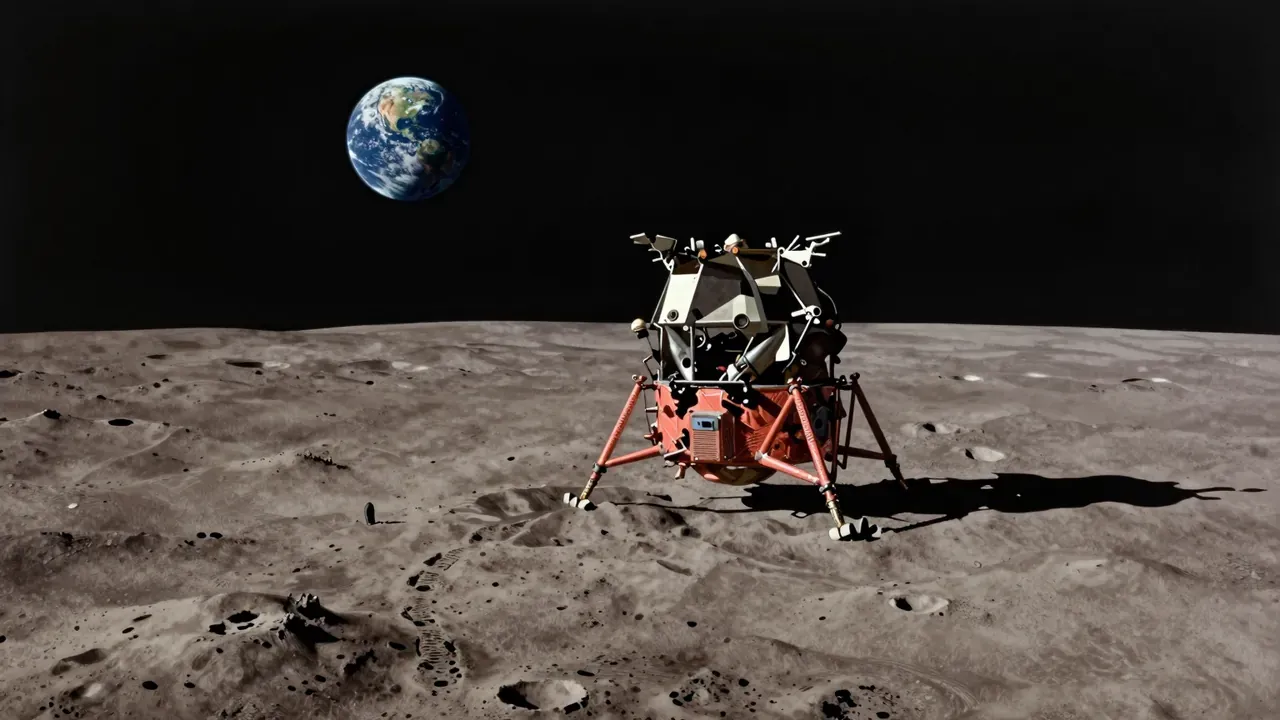
For All Mankind

Al Reinert · 1989

Al Reinert’s 1989 documentary For All Mankind assembles six million feet of NASA film into a single, continuous lunar mission, using astronauts’ interview voices and Brian Eno’s ambient score to evoke the physical and psychological experience of spaceflight — prioritising sensation over explanation, silence over speech, and scale over story.

13:00

Robinson Crusoe on Mars

Byron Haskin · 1964

Robinson Crusoe on Mars (1964) relocates Defoe’s castaway tale to a scientifically plausible Mars — one with thin air, hidden water, and mineral oxygen. Commander Draper survives alone, then with a monkey and finally with Friday, a fellow captive. Shot in Death Valley by Winton Hoch and directed by Byron Haskin, it favours procedural realism over spectacle, trusting silence, scale, and incremental discovery. Its strengths lie in tactile survival logic and visual consistency; its weaknesses are a rushed finale and underdeveloped alien context. It remains a singular, unhurried vision of isolation and reciprocity in space.

13:00

The Right Stuff

Philip Kaufman · 1983

Philip Kaufman’s 1983 film adapts Tom Wolfe’s book into a sprawling, visually precise account of American test pilots and Mercury astronauts. Shot across California locations including Edwards Air Force Base and Hamilton AFB, it contrasts Chuck Yeager’s solitary mastery with the seven astronauts’ managed ascent into orbit. Caleb Deschanel’s cinematography, Bill Conti’s score, and Glenn Farr’s editing sustain its 184-minute runtime through texture and rhythm rather than plot velocity. Though criticised for historical compressions — particularly around Gus Grissom — it endures as a meditation on visibility, endurance, and the cost of turning courage into spectacle.

13:00

The X from Outer Space

Kazui Nihonmatsu · 1967

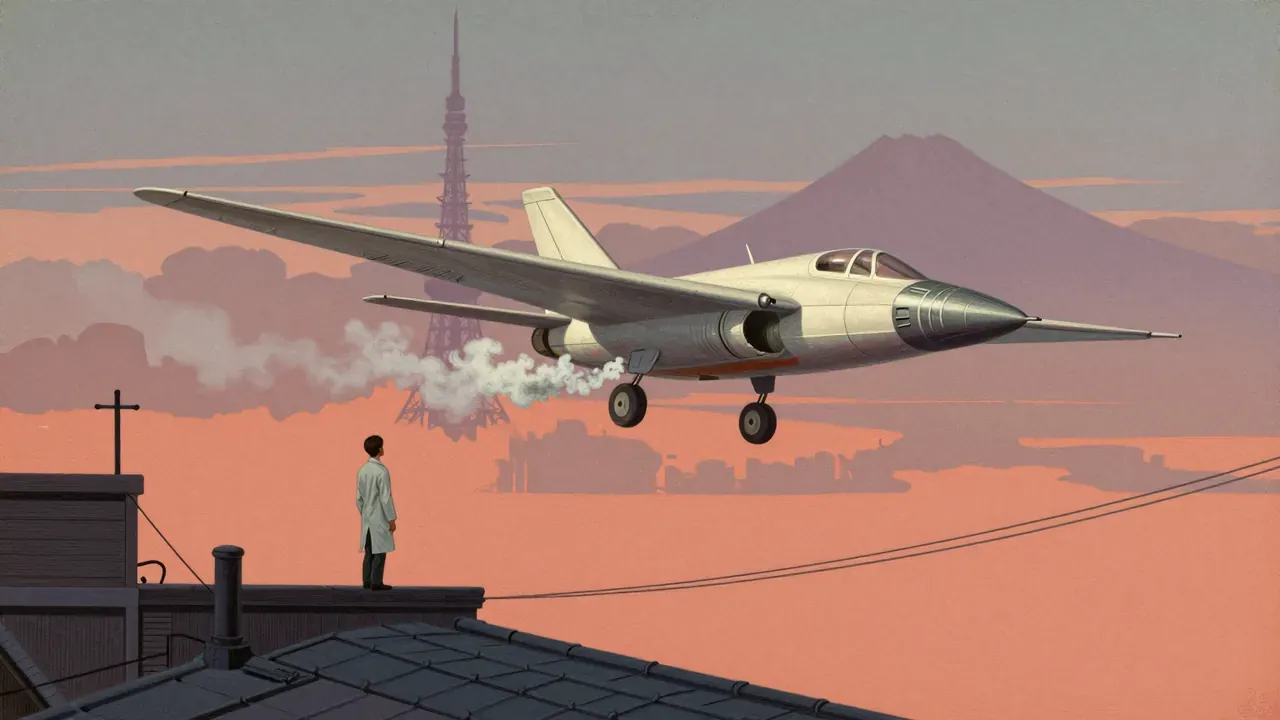
The X from Outer Space (1967) is a Japanese kaiju film directed by Kazui Nihonmatsu, produced under governmental tax incentives to promote Japanese genre cinema abroad. It follows a Martian spore that mutates into Guilala — a jet-headed, feathered monster — which rampages through Tokyo before being neutralised with a fictional compound and launched into solar orbit. Made with shared effects resources and minimal narrative scaffolding, it prioritises momentum and tactile spectacle over coherence or character. Released theatrically in Japan and later on US television, it has endured as a touchstone of earnest, low-budget tokusatsu.

13:00

A Trip to the Moon

Georges Méliès · 1902

Georges Méliès’s 1902 A Trip to the Moon is a 16-minute silent French fantasy built from theatrical illusion, hand-painted sets, substitution splices, and hand-coloured frames. It follows astronomers who cannon-launch to the Moon, land in its eye, battle Selenites, and return with a captive. Made at Méliès’s Montreuil studio, it synthesises Verne, Wells, Offenbach, and Buffalo exposition spectacle into a self-contained world of visual puns and mechanical magic. Its power lies not in narrative or realism but in the sustained ingenuity of its craft—and its unwavering assertion that cinema is, first, a maker’s medium.