filmbriefs
Topic

Protest

Pressure applied from outside the institutions.

9
in film
13:00
average
117 min
in total
75
across the network
Protest across the network →
All briefs9
13:00

A Room in Town

Jacques Demy · 1982

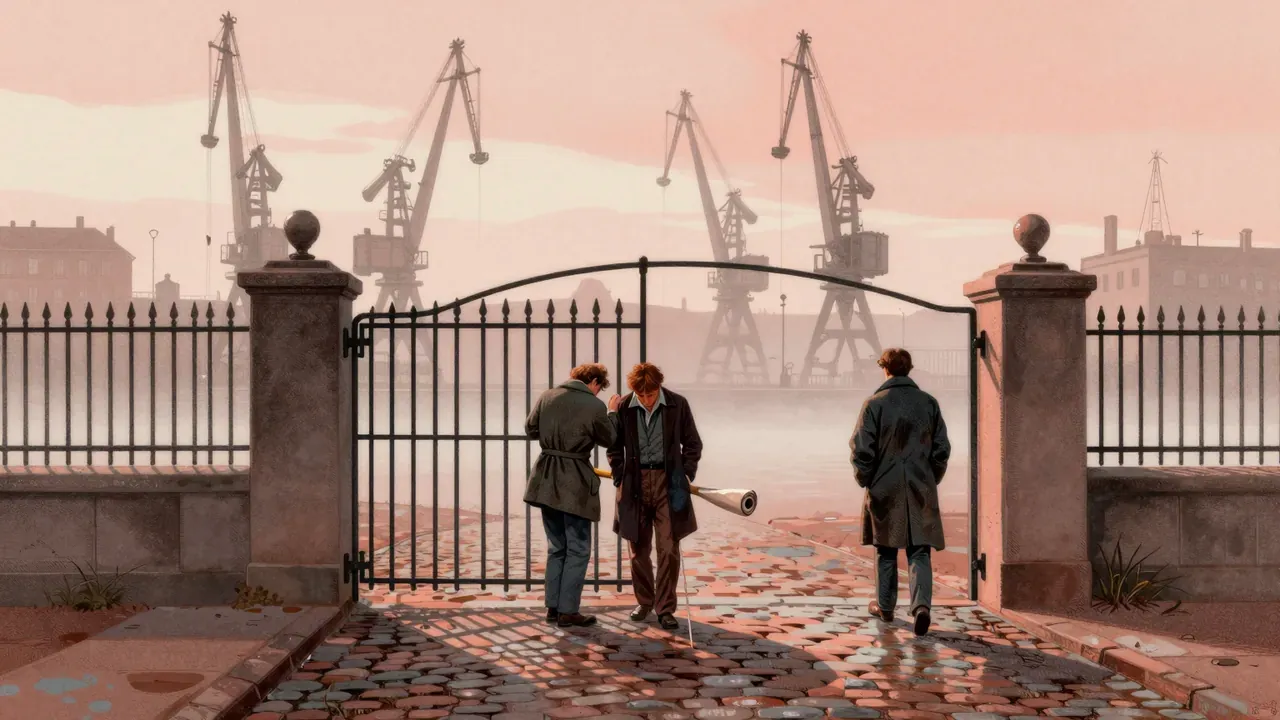
Jacques Demy’s 1982 sung-through musical, set during the 1955 Nantes shipyard strike, follows a young striker torn between two women as political tension escalates. Every line is sung to Michel Colombier’s austere score; Jean Penzer’s cinematography is precise and unflashy. Though less buoyant than The Umbrellas of Cherbourg, it pursues a graver, more politically explicit vision of musical storytelling — one where melody carries ideology, and tragedy arrives in perfect time.
13:00

Anthem

Marlon Riggs · 1991

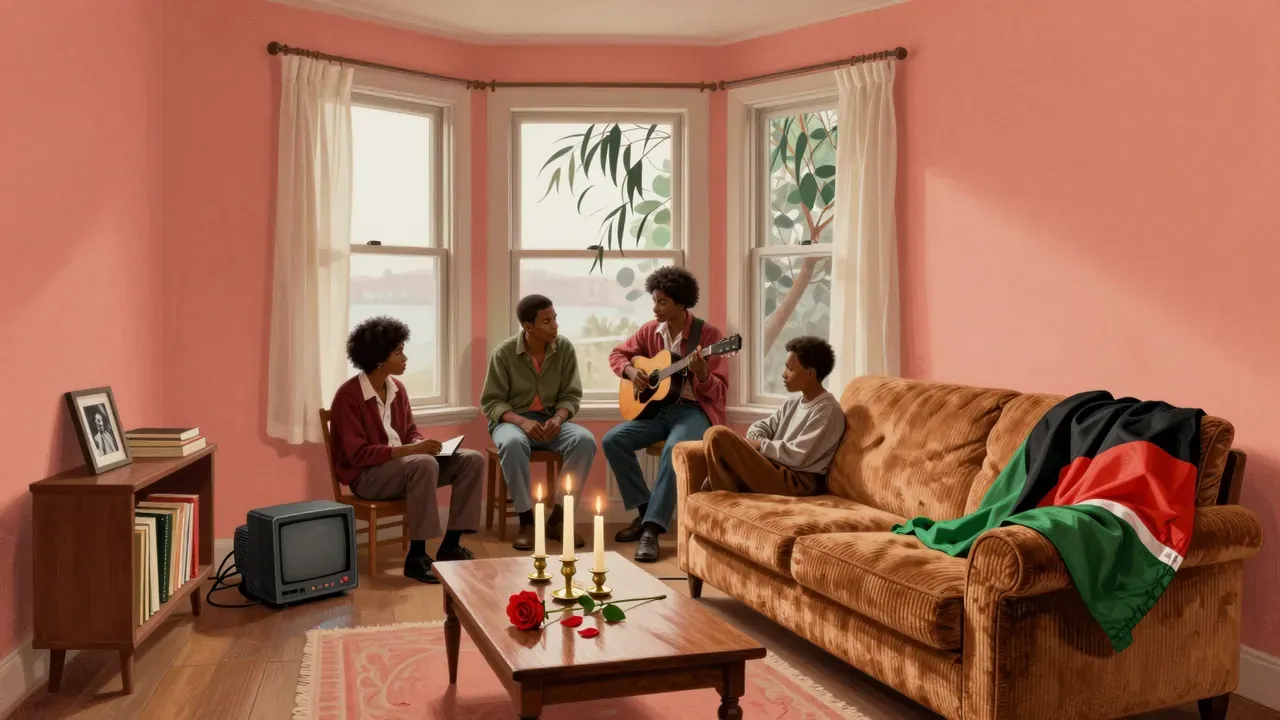
Marlon Riggs’s 1991 eight-minute music video Anthem fuses poetry, hip-hop rhythm, and political iconography to assert Black gay identity as inseparable from African heritage and American citizenship. Featuring Essex Hemphill, Colin Robinson, and others, it overlays ACT UP slogans with Pan-African symbols, memorial candles with erotic intimacy, and spoken word with drum patterns — building a declarative, non-narrative montage that refuses assimilation and rejects erasure.

13:00

Gimme Shelter

Charlotte Zwerin, Albert Maysles, David Maysles · 1970

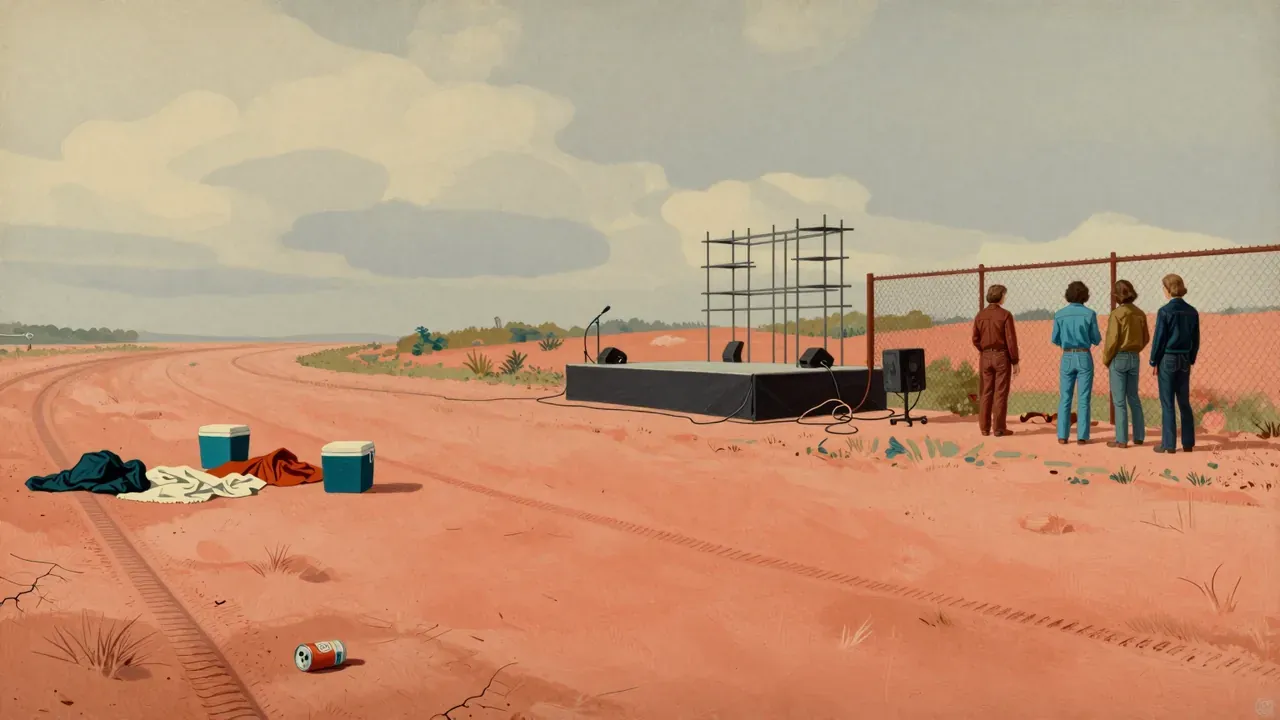
Gimme Shelter is a 1970 Direct Cinema documentary following the Rolling Stones’ 1969 US tour to its violent end at the Altamont Free Concert. Shot by Albert and David Maysles with Charlotte Zwerin’s editing, it records studio sessions, concerts, negotiations and the fatal stabbing of Meredith Hunter — without voiceover, interviews or moral framing. Its power lies in its unblinking chronology and refusal to resolve what it witnesses.

13:00

Medium Cool

Haskell Wexler · 1969

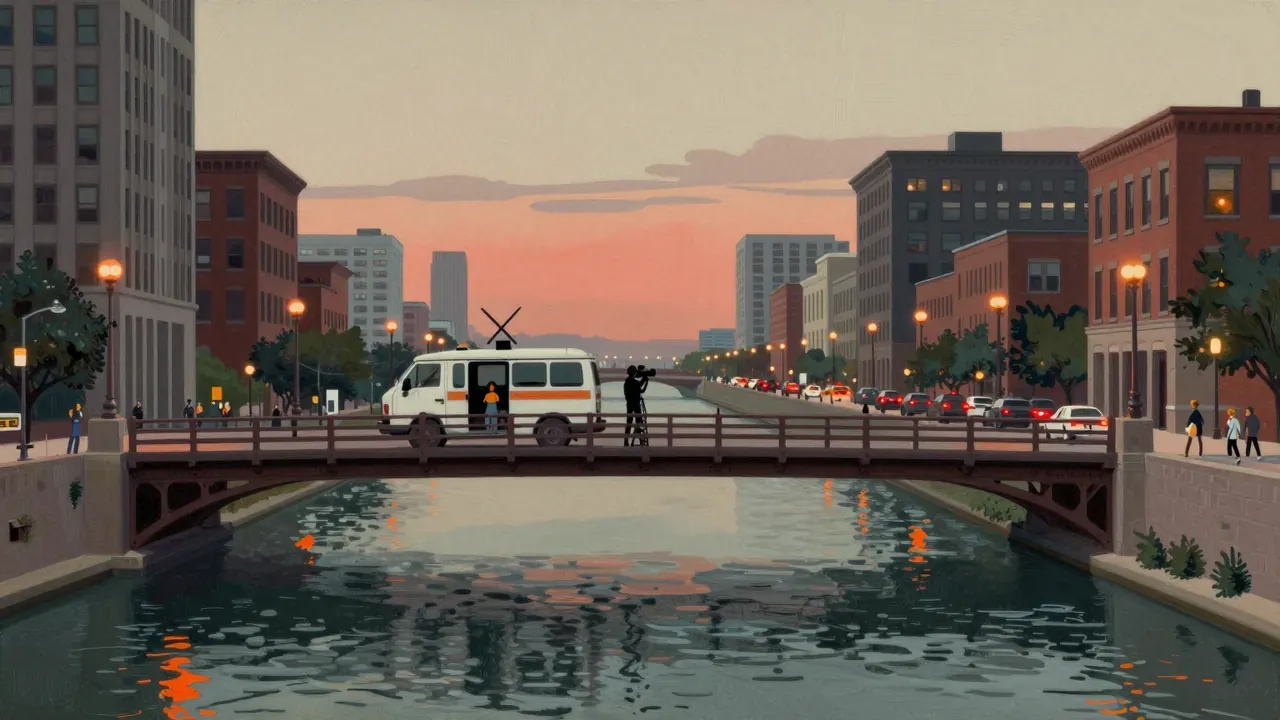
Haskell Wexler’s 1969 film merges scripted drama with documentary footage shot during the 1968 Democratic National Convention riots in Chicago. It follows a television cameraman who begins to question his role in recording — rather than intervening in — social crisis. Shot in cinéma vérité style, with minimal artifice and deliberate genre blurring, it interrogates media complicity, surveillance, and the ethics of observation. Though its romance and character arcs remain deliberately thin, its formal rigour and historical immediacy give it enduring force.

13:00

One Sings, the Other Doesn't

Agnès Varda · 1977

One Sings, the Other Doesn’t (1977) follows Pomme and Suzanne across fourteen years of personal and political change in France. Directed and written by Agnès Varda, it charts their friendship through illegal abortion, protest, motherhood, clinic work, and reunion — all rendered with quiet precision, natural light, and minimal score. Charles Van Damme’s cinematography and Varda’s narration structure the story around letters, songs, and real-life activism, including a recreation of the 1972 Bobigny abortion trial demonstration. The film avoids didacticism, treating feminism as daily practice rather than theory.

13:00

Tout Va Bien

Jean-Luc Godard, Jean-Pierre Gorin · 1972

Tout Va Bien (1972) is a French-Italian essay-film directed by Jean-Luc Godard and Jean-Pierre Gorin. Starring Jane Fonda and Yves Montand, it depicts a sausage factory strike through a self-reflexive, Brechtian framework: a cross-sectioned set, flat performances, direct address, and anti-continuity editing. It interrogates class, media, and capitalism in the wake of May 1968, refusing psychological realism in favour of structural clarity.

13:00

Strike

Sergei Eisenstein · 1925

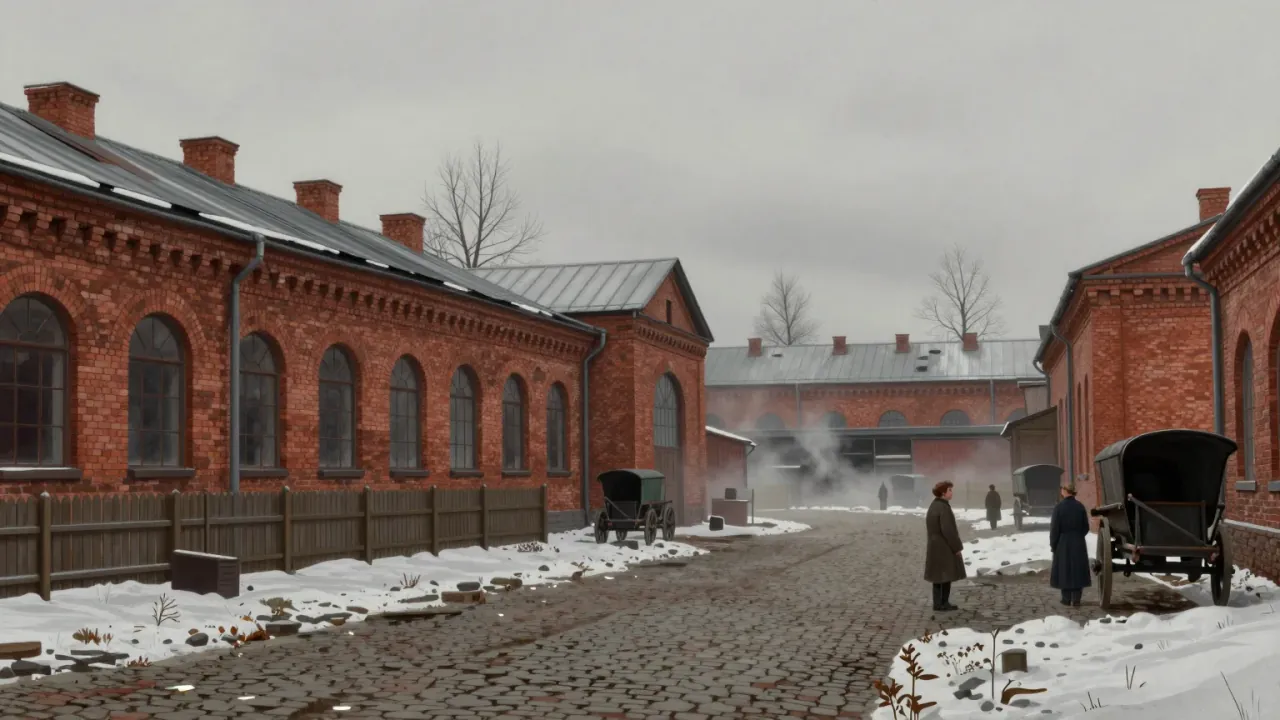
Sergei Eisenstein’s 1925 debut is a Soviet silent propaganda film depicting a 1903 factory strike. Using rapid montage, symbolic cross-cutting (notably workers and slaughtered cattle), and stylised performances, it advances a Marxist analysis of labour, provocation and state violence. Shot by Eduard Tisse and edited by Eisenstein himself, it prioritises ideological clarity over psychological realism. Though initially confusing to audiences, it is now regarded as a foundational work of avant-garde cinema and a key text in film theory.

13:00

Chicken Run

Peter Lord, Nick Park · 2000

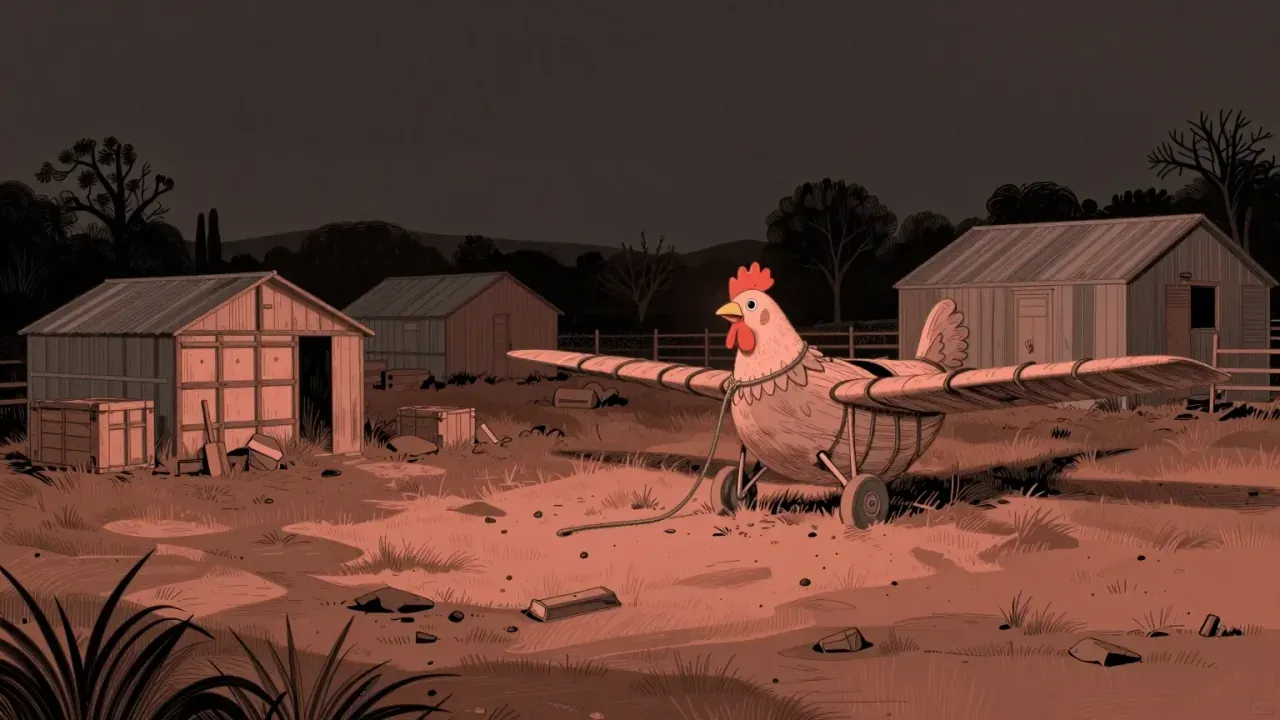
Chicken Run reworks the World War Two escape film as a story about hens on a Yorkshire egg farm run like a prison camp, who pin their hopes of freedom on a crash-landed American rooster claiming he can fly. Aardman's first feature, directed by Peter Lord and Nick Park, was shot in stop-motion across thirty sets over eighteen months and became the highest-grossing stop-motion film ever made, taking $225 million against a $45 million budget.

13:00

South Park: Bigger, Longer & Uncut

Trey Parker · 1999

Trey Parker and Matt Stone expand their Comedy Central series into a full musical: four boys learn a stream of profanity from an R-rated movie, a parental panic follows, and the United States ends up declaring war on Canada. Made for $21 million and released by Paramount, it took $83 million worldwide and became the highest-grossing R-rated animated film at the time, earning an Academy Award nomination for the song Blame Canada.