filmbriefs
Topic

Photography

The medium that changed what everything else was for.

7
in film
13:00
average
91 min
in total
37
across the network
Photography across the network →
All briefs7
13:00

All the Beauty and the Bloodshed

Laura Poitras · 2022

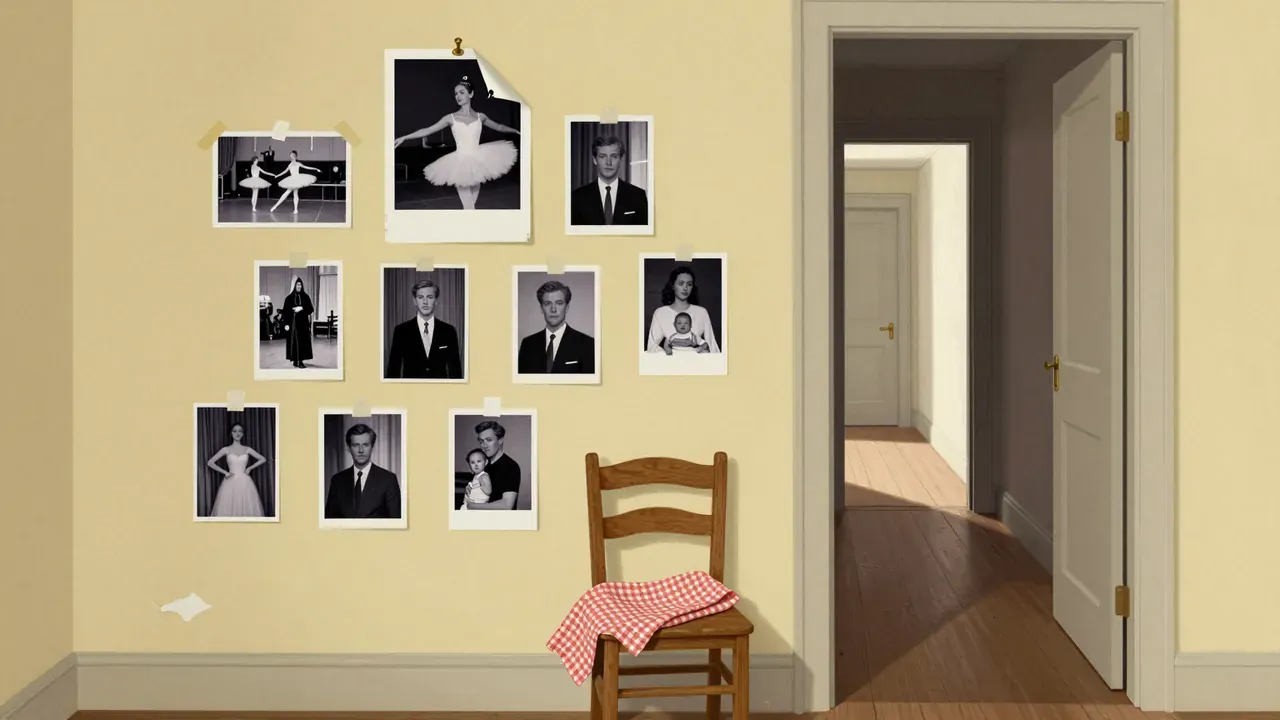
Laura Poitras’s 2022 documentary follows photographer and activist Nan Goldin across five decades — from her early portraits of New York’s queer and AIDS-affected communities to her founding of P.A.I.N. and protests against the Sackler family’s role in the opioid crisis. Built almost entirely from Goldin’s own archive and recent footage of museum demonstrations, the film frames art-making and political action as inseparable practices of truth-telling.

13:00

Daguerréotypes

Agnès Varda · 1975

Made in 1975 on Paris’s Rue Daguerre, Agnès Varda’s Daguerréotypes is a quietly radical documentary composed of static portraits of local shopkeepers and residents, all filmed within ninety metres of her home. Each subject answers three questions about origin and arrival, their responses left unedited and unframed by commentary. Nurith Aviv and William Lubtchansky’s cinematography is unobtrusive and naturalistic; Varda’s direction is resolutely local, anti-extractive, and typologically curious. The film treats the street as both subject and limit—offering not analysis, but sustained attention.

13:00

Everlasting Moments

Jan Troell · 2008

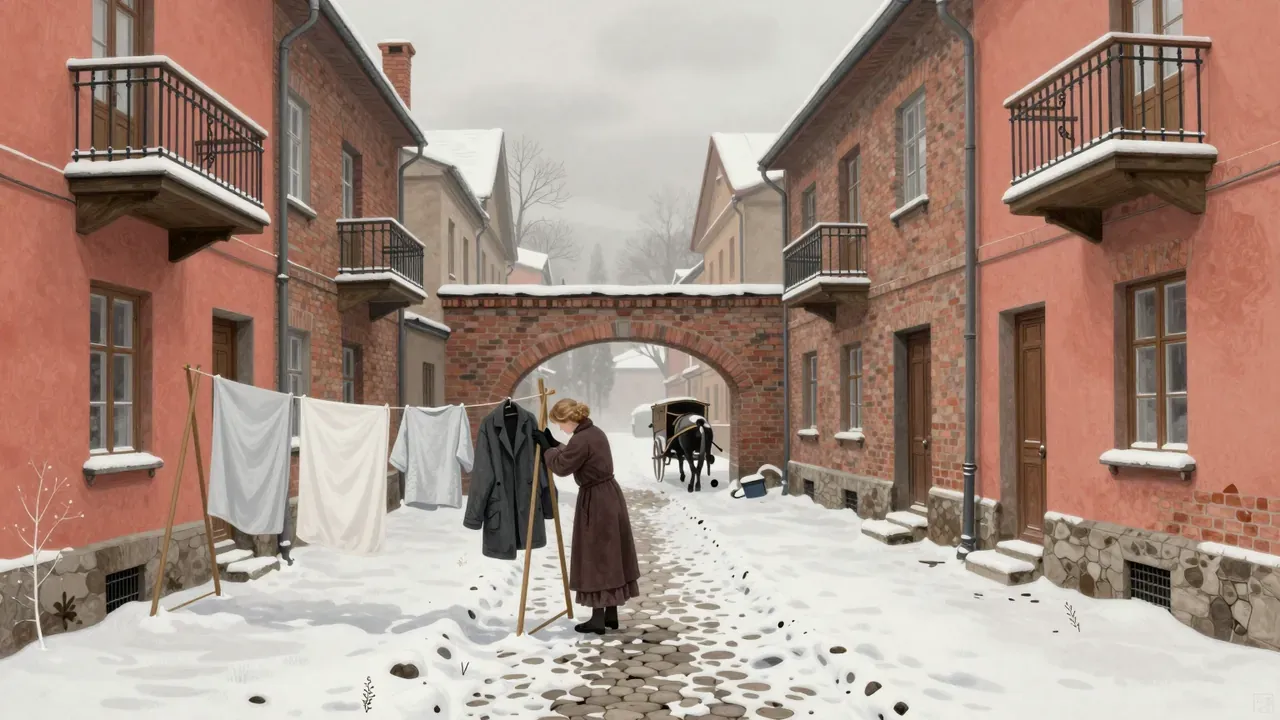
Set in early-20th-century Malmö, Everlasting Moments follows Maria Larsson, a Finnish immigrant who wins a camera in a lottery and begins taking photographs — of her children, the dead, monarchs — as a slow, unspoken assertion of self. Directed by Jan Troell with deliberate, grainy 16 mm imagery and restrained performances, it treats time, class and visibility as physical presences, not abstractions. Based loosely on a true story, it avoids biography in favour of accumulated detail, finding resonance in silence, gesture and the chemical patience of early photography.

13:00

Peter Hujar’s Day

Ira Sachs · 2025

Set in a SoHo apartment in 1974, Peter Hujar’s Day reconstructs a single day in the photographer’s life through his real-time recollection for writer Linda Rosenkrantz. Directed by Ira Sachs and starring Ben Whishaw and Rebecca Hall, it unfolds almost entirely in one room, trusting the rhythms of speech, silence, and memory over conventional narrative. Shot by Alex Ashe and edited by Affonso Gonçalves, the film honours the granularity of artistic labour — developing film, negotiating commissions, navigating fame — without embellishment or explanation.

13:00

Varda by Agnès

Agnès Varda · 2019

Varda by Agnès is Agnès Varda’s last film: a self-directed documentary in which, at eighty-nine, she reflects on her six-decade career in photography and film. Seated, speaking directly to camera, she watches excerpts from her own work and comments on them with characteristic clarity, wit and warmth. Structured around the words inspiration, creation and sharing, it is less a historical account than an act of sustained authorial presence — intimate, unhurried, materially attentive. Edited by Varda herself, it privileges texture, recurrence and silence over exposition or argument.

13:00

Blowup

Michelangelo Antonioni · 1966

Michelangelo Antonioni’s 1966 English-language debut follows a London fashion photographer who believes he has photographed a murder — only to find that each enlargement deepens uncertainty rather than clarifying truth. Shot on location across Swinging London, with Carlo Di Palma’s restrained cinematography and Herbie Hancock’s sparse jazz score, Blowup uses photographic process as metaphor for perception itself. It won the Palme d’Or, helped end Hollywood’s Production Code, and remains a touchstone for films about mediation, alienation, and the instability of the image.

13:00

The Terrorizers

Edward Yang · 1986

A 1986 Taiwanese drama by Edward Yang, The Terrorizers traces intersecting lives in Taipei — a depressed novelist, a photographer obsessed with a stranger, a hospital worker unraveling professionally and personally — bound by miscommunication, mediated images, and unspoken grief. Its structure resists resolution, favouring spatial and temporal disorientation over narrative closure.