filmbriefs
Topic

Nationalism

The idea that a people should have a state, and the cost of drawing the line.

3
in film
13:00
average
39 min
in total
40
across the network
Nationalism across the network →
All briefs3
13:00

Before the Rain

Milcho Manchevski · 1994

Before the Rain (1994) is Milcho Manchevski’s debut feature: a non-linear Macedonian drama structured in three interlocking parts — WORDS, FACES, PICTURES — that begin and end at the same moment. Shot by Manuel Teran and scored by Anastasia, it traces cycles of silence, misrecognition, and reprisal across Macedonia and London. Its formal rigour and ethical austerity have made it a touchstone of post-Yugoslav cinema — and a test of how much meaning a film can hold without explanation.
13:00

Patriotism

Yukio Mishima, Masaki Dōmoto · 1965

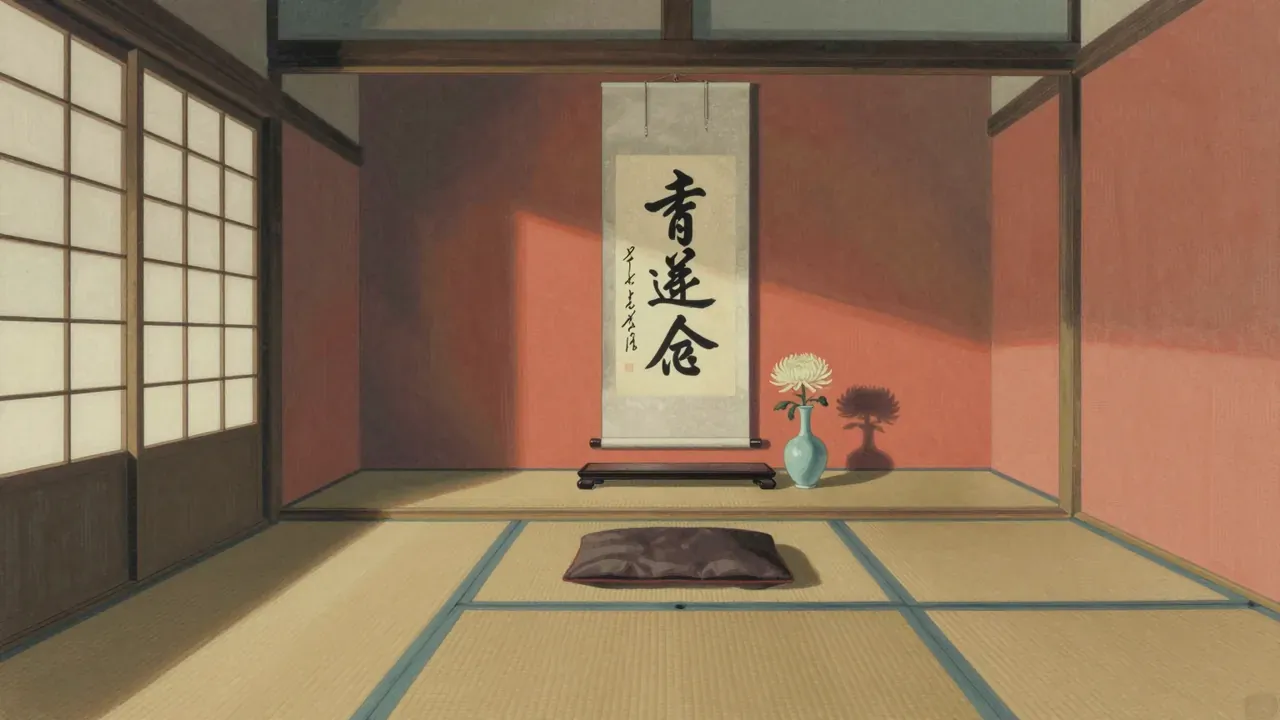
Patriotism (1966) is a thirty-minute silent black-and-white short directed by Yukio Mishima and Masaki Dōmoto, adapting Mishima’s 1960 story. It depicts the final hours of a young army officer and his wife after the 1936 Tokyo coup attempt, culminating in their joint suicide. Shot in two days with stark Noh-influenced staging, it uses static frames, high-contrast cinematography by Kimio Watanabe, and intertitles to render devotion, ritual, and mortality as inseparable. Richard Wagner’s music accompanies some screenings, though the film itself is silent. Rediscovered in 2005 after Mishima’s widow ordered its destruction, it remains a singular, uncompromising work of formal and philosophical austerity.

13:00

Mother India

Mehboob Khan · 1957

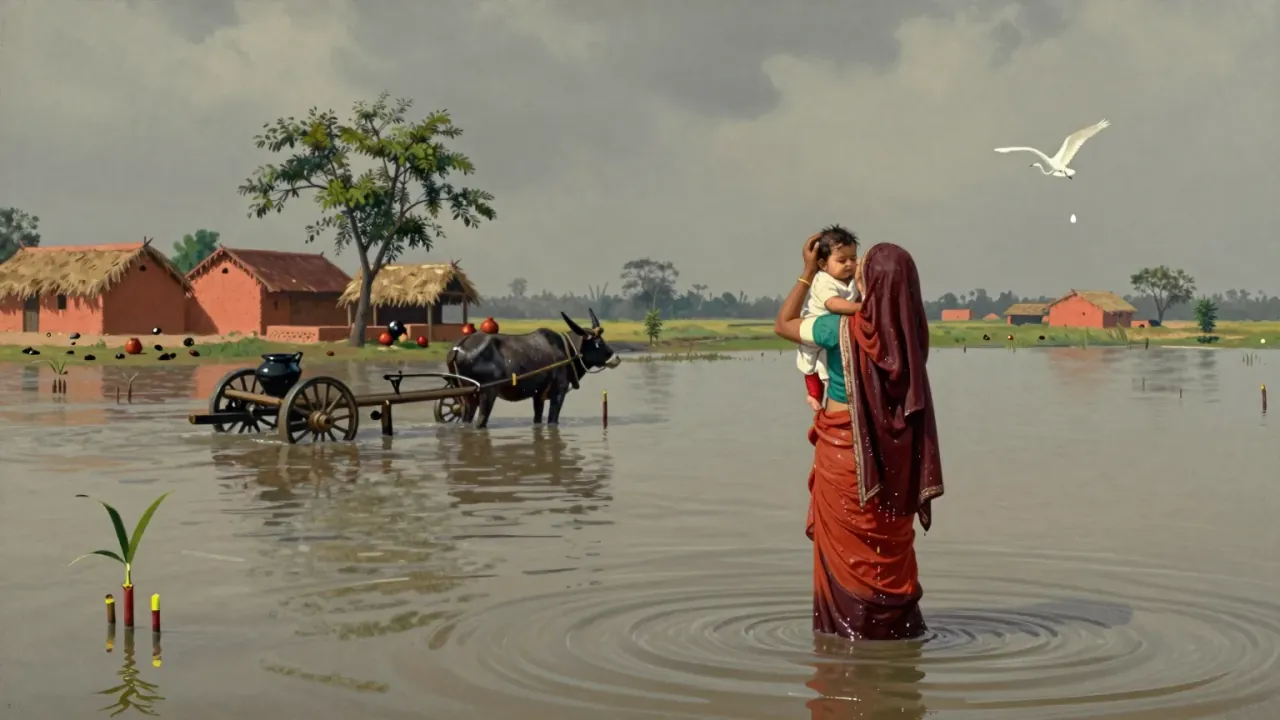
Mother India (1957), directed by Mehboob Khan, is a Hindi-language drama starring Nargis as Radha, a woman who withstands drought, debt, and betrayal to uphold dignity in a newly independent India. Adapted from Khan’s 1940 film Aurat and written by S. Ali Raza, it counters Katherine Mayo’s polemical 1927 book of the same name by casting rural motherhood as the ethical core of the nation. Shot across villages in Maharashtra, Gujarat, and Uttar Pradesh, with music by Naushad and cinematography by Faredoon Irani, it blends vernacular realism and Hindu mythic framing. At 172 minutes, it moves deliberately, anchoring its vision of resilience in agricultural labour, moral choice, and communal endurance.

More from film

All briefs →
13:00

20th Century Women

Mike Mills · 2016

Set in 1979 Santa Barbara, Mike Mills’ 20th Century Women follows 15-year-old Jamie as his single mother Dorothea enlists two younger women — photographer Abbie and teenage friend Julie — to help raise him. Anchored by Annette Bening’s restrained performance, the film observes their overlapping lives with warmth and precision, treating feminism, illness, ageing and adolescence as lived conditions rather than themes. Shot by Sean Porter and edited by Leslie Jones, it moves at the pace of real conversation, building meaning through accumulation rather than climax.

13:00

24 Frames

Abbas Kiarostami · 2017

Abbas Kiarostami’s final film, 24 Frames, comprises twenty-four uncut, static shots — each ninety seconds long — observing nature, animals, and thresholds between interior and exterior. Beginning with animated movement superimposed on Bruegel’s Hunters in the Snow, it proceeds into real-world stillness, testing how much meaning resides in time, attention, and unmediated presence. Released posthumously at Cannes 2017, it is a rigorous, unsentimental essay on perception and impermanence.

13:00

3:10 to Yuma

Delmer Daves · 1957

Delmer Daves’ 1957 Western 3:10 to Yuma adapts Elmore Leonard’s taut short story into a study of obligation under pressure. Rancher Dan Evans agrees to escort outlaw Ben Wade to the 3:10 train for Yuma, facing ambush, betrayal, and his own wavering resolve. Shot by Charles Lawton Jr. with sun-bleached realism and scored sparingly by George Duning, the film builds suspense through pacing, performance, and moral granularity — not spectacle. It was preserved by the Library of Congress in 2012 for its cultural and aesthetic significance.

13:00

3 Women

Robert Altman · 1977

Robert Altman’s 1977 film 3 Women follows the uncanny merging of identities among a timid young woman, her garrulous roommate and a silent, pregnant artist in a sun-scorched California town. Built from a dream and shot with deliberate, unhurried precision, it uses repetition, reflection and improvisation to explore how selves are borrowed, performed and abandoned.