filmbriefs
Topic

Medicine

The practice of intervening in a body, with evidence arriving late.

14
in film
13:00
average
182 min
in total
124
across the network
Medicine across the network →
All briefs14
13:00

A Woman's Face

Gustaf Molander · 1938

A disfigured Swedish woman, Anna Holm, joins a blackmail ring out of social exile. After a botched break-in, she is taken in by a plastic surgeon who repairs her face — not to make her beautiful, but to restore her ability to move unseen in the world. As she assumes a new identity to infiltrate a wealthy family, she begins to protect the very child she was meant to kill. Gustaf Molander’s 1938 drama traces moral change not through epiphany but through repeated, quiet choices — about care, labour, and who gets to belong.
13:00

Bigger Than Life

Nicholas Ray · 1956

Nicholas Ray’s 1956 drama follows schoolteacher Ed Avery, whose recovery from a rare illness via cortisone treatment triggers a psychological unraveling that fractures his marriage, terrifies his son, and exposes the brittle ideologies underpinning Eisenhower-era domestic life. James Mason stars and produced; Joseph MacDonald’s CinemaScope cinematography turns suburban interiors into psychological pressure chambers.

13:00

Brink of Life

Ingmar Bergman · 1958

Ingmar Bergman’s 1958 hospital drama observes three pregnant women — one miscarrying, one facing an unwanted pregnancy, one enduring a stillbirth — within the unadorned confines of a Swedish maternity ward. Shot with clinical precision by Max Wilén and written by Ulla Isaksson, it trades psychological exposition for procedural realism, letting silence, duration and restraint carry its moral weight.

13:00

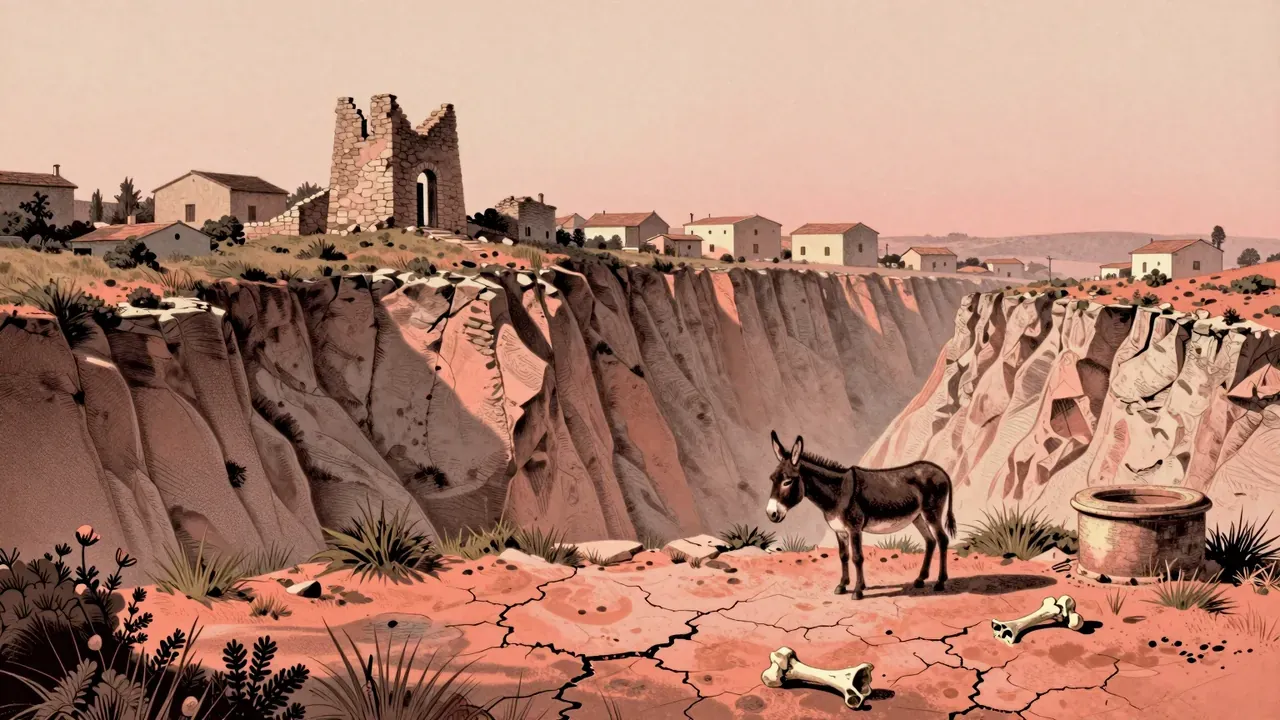
Christ Stopped at Eboli

Francesco Rosi · 1979

Francesco Rosi’s 1979 adaptation of Carlo Levi’s memoir follows a Turin intellectual exiled to rural Basilicata under Fascism. Shot on location in crumbling villages, it renders poverty, superstition and resilience without sentiment or exposition. Gian Maria Volonté plays Levi as observer first, healer second, and the film’s power lies in its patient, unsparing gaze—not on suffering, but on what power ignores.

13:00

Corridors of Blood

Robert Day · 1958

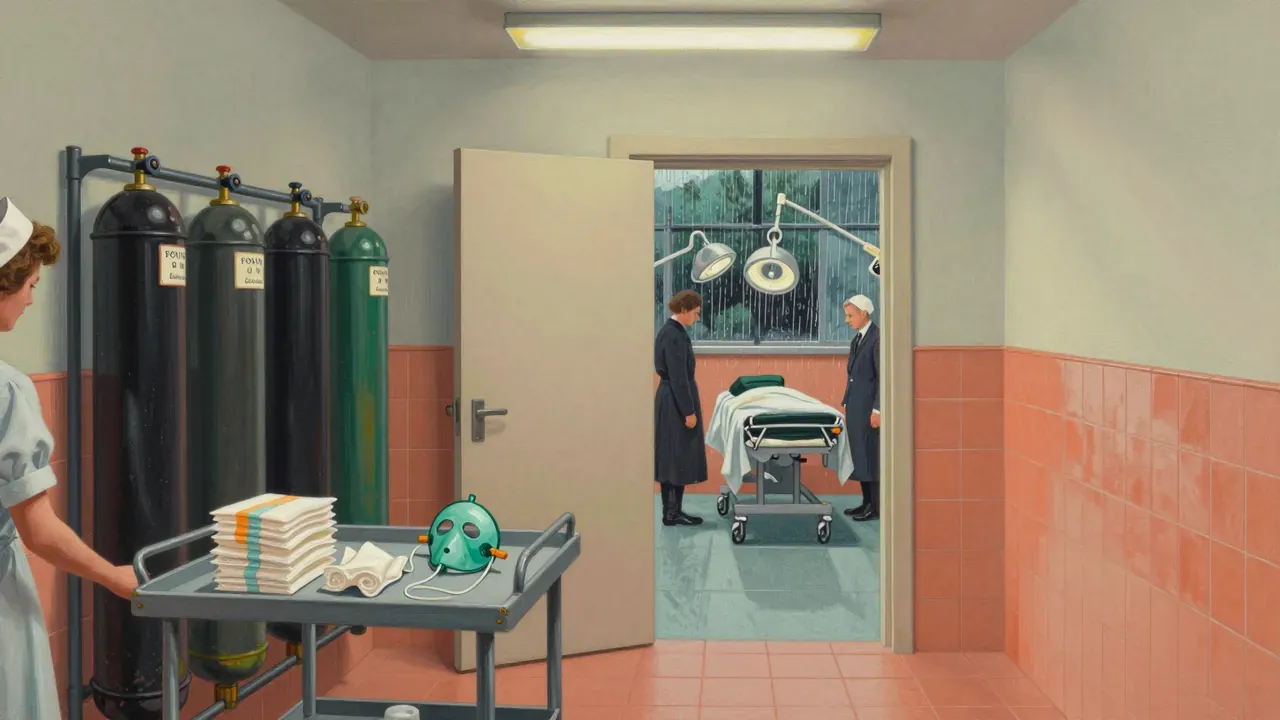
Corridors of Blood (1958) is a British horror-drama starring Boris Karloff as Dr. Thomas Bolton, an 1840s surgeon whose pioneering work with anaesthetic gases leads to professional ruin, addiction, and entanglement with criminals. Directed by Robert Day and shot by Geoffrey Faithfull, it trades gothic excess for moral austerity, using tight framing, chiaroscuro lighting, and Karloff’s restrained performance to trace a downward spiral rooted in cause and effect. Though hampered by repetitive plotting and thin characterisation in places, it remains a coherent, atmospheric study of scientific vocation undone by human frailty.

13:00

Dead Ringers

David Cronenberg · 1988

David Cronenberg’s 1988 film follows identical twin gynecologists Elliot and Beverly Mantle as their shared professional and personal life fractures under drug dependency, ethical collapse, and blurred identity. Jeremy Irons plays both roles with uncanny precision, supported by Peter Suschitzky’s austere cinematography and Howard Shore’s unnerving score. Based loosely on the Marcus twins and adapted from Bari Wood’s novel, it is a tightly controlled psychological drama that prioritises behavioural realism over exposition, clinical space over emotional catharsis, and structural inevitability over narrative surprise.

13:00

Dying at Grace

Allan King · 2003

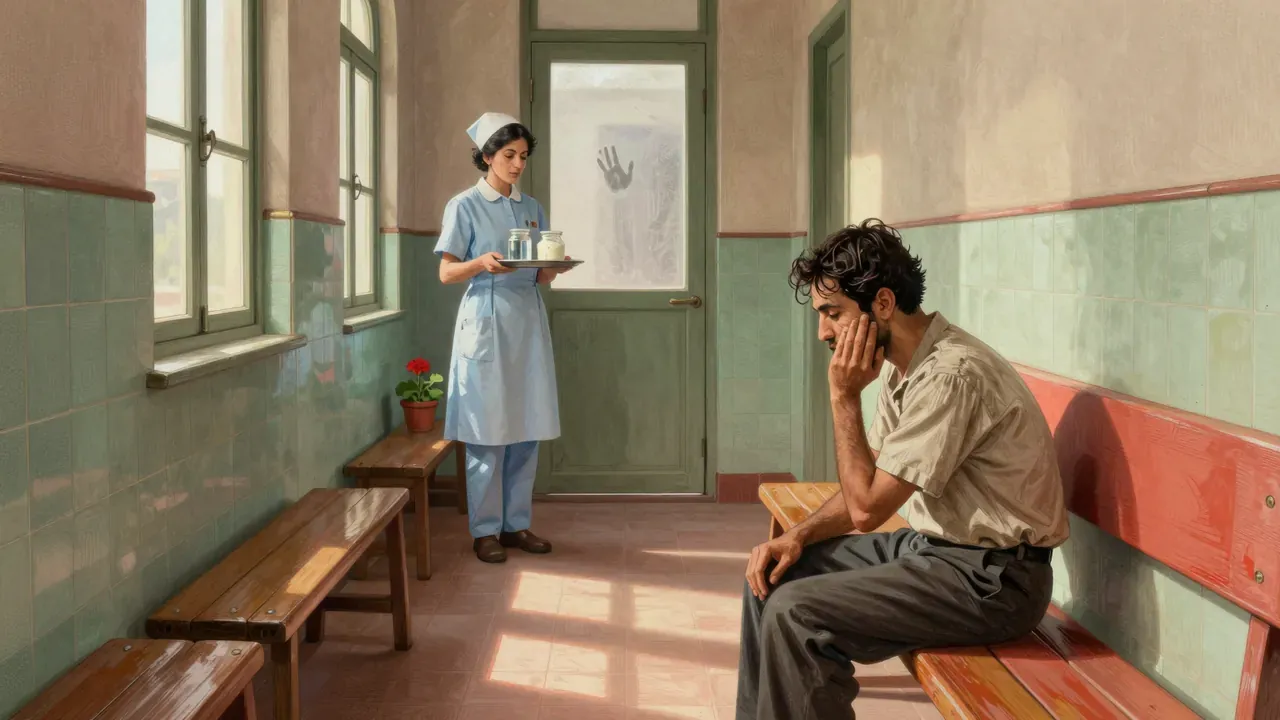
Allan King’s 2003 documentary Dying at Grace observes five patients in palliative care at Toronto Grace Health Centre over their final weeks. Shot with unwavering stillness and edited to honour silence and repetition, it refuses narration, exposition, or interpretation. Its power lies in duration, fidelity, and restraint — holding attention on breath, light, hesitation, and the quiet labour of care.

13:00

Green for Danger

Sidney Gilliat · 1946

Green for Danger (1946) is a British mystery set in a rural wartime hospital, where two deaths and a near-fatal incident draw Inspector Cockrill into a tightly wound investigation. Adapted by Christianna Brand from her own novel and directed by Sidney Gilliat, it balances procedural rigour with dry wit, using anaesthetic equipment, Blitz-era constraints, and staff psychology to build suspense. Wilkie Cooper’s cinematography and William Alwyn’s score reinforce its controlled, atmospheric tone.

13:00

Jericho

Thornton Freeland · 1937

Jericho (1937), directed by Thornton Freeland, follows Paul Robeson as Jericho Jackson, a medical student court-martialed after saving trapped soldiers during World War I. Fleeing to North Africa, he earns acceptance among the Tuareg through healing and leadership, culminating in his guidance of their annual salt caravan. When a British officer recognises him in an anthropological film, he chooses not to reassert jurisdiction. Shot by John W. Boyle, the film balances courtroom tension with expansive desert realism — anchored by Robeson’s restrained, physically commanding performance.

13:00

Red Beard

Akira Kurosawa · 1965

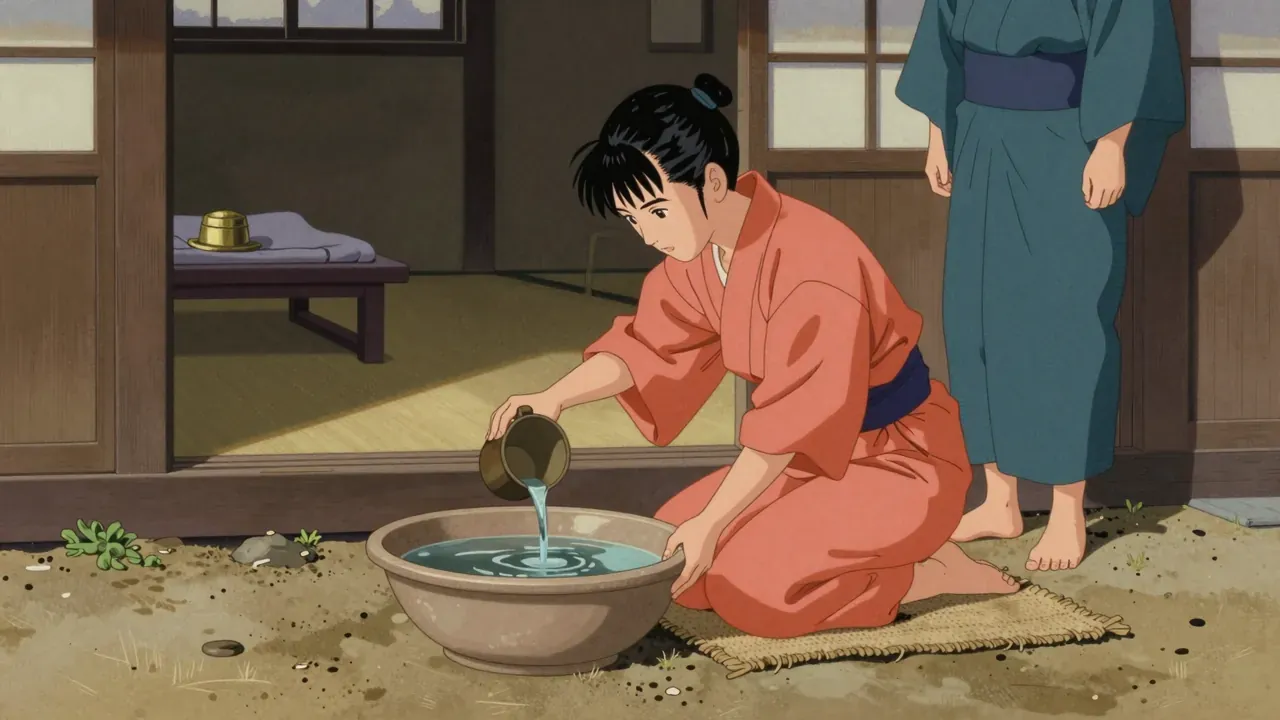
Akira Kurosawa’s 1965 drama follows a privileged young doctor’s moral education under the stern but compassionate mentorship of Red Beard, a rural clinic director in Edo-era Japan. Through patient vignettes—including a rescued brothel girl and a grieving townsman—the film traces quiet, hard-won shifts in perception, responsibility, and care. Shot in black-and-white with meticulous historical detail, it is Kurosawa’s last film with Toshirō Mifune and his most sustained meditation on humanism as daily practice.

13:00

Toothache

Abbas Kiarostami · 1980

Abbas Kiarostami’s 1980 short Toothache is a rigorously functional educational film made for Iranian schoolchildren. Shot on 16mm at Kanoon, it traces a boy’s physical and social decline due to poor dental hygiene, culminating in a thirteen-minute direct-to-camera lecture by a dentist, punctuated by animated sequences and clinical footage. Its power lies in its unwavering commitment to pedagogy over artifice — a rare, unembellished record of how cinema can serve public health.

13:00

Caro diario

Nanni Moretti · 1993

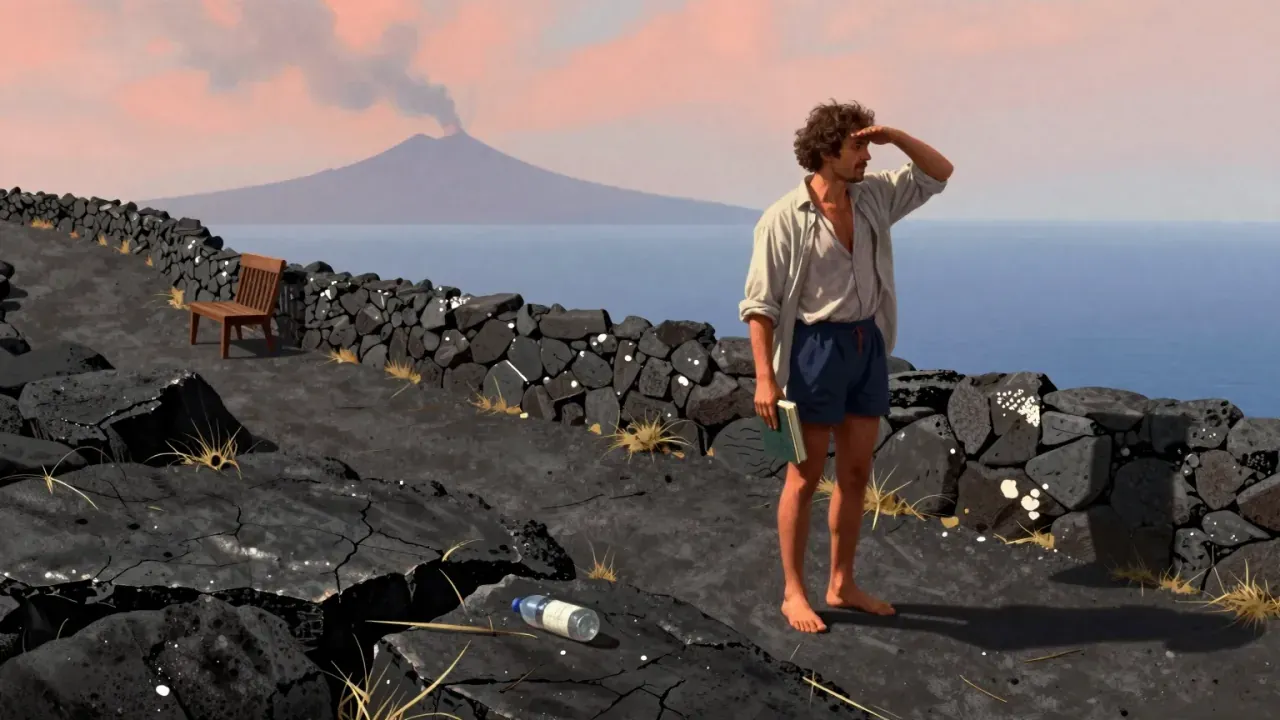
Caro diario (1993) is Nanni Moretti’s semi-autobiographical essay film in three chapters: riding a Vespa through Rome, seeking quiet on the Aeolian Islands, and navigating misdiagnosis and treatment for Hodgkin’s lymphoma. Shot with quiet precision by Giuseppe Lanci and edited by Mirco Garrone, it uses personal experience to examine failures of attention in politics, culture, and medicine. Moretti appears as himself throughout, his dry, self-aware tone holding the film’s fragments together.

13:00

Once Upon a Time in China

Tsui Hark · 1991

Tsui Hark’s 1991 Hong Kong action-drama stars Jet Li as Wong Fei-hung, a physician and martial artist navigating colonial pressure, legal collapse and local corruption in late-19th-century Foshan. Built around his Po-chi-lam clinic, the film treats kung fu as inseparable from ethics, education and civic responsibility — with fights that serve character, not spectacle, and a climax resolved through perception, not firepower.

13:00

The Death of Louis XIV

Albert Serra · 2016

Albert Serra’s 2016 film follows Louis XIV’s final weeks in 1715, filmed in austere, candlelit interiors with Jean-Pierre Léaud in a physically exacting, unembellished performance. Shot in fifteen days at Château de Hautefort, it avoids exposition, psychology, or political context, focusing instead on the slow, unvarnished mechanics of decline: diagnosis, ritual, silence, and the quiet erosion of agency. Critics praised its restraint and Léaud’s performance, though its deliberate pace divides audiences.