filmbriefs
Topic

Britain

An island that ran the world and has been adjusting ever since.

11
in film
13:00
average
143 min
in total
131
across the network
Britain across the network →
All briefs11
13:00

A Canterbury Tale

Michael Powell, Emeric Pressburger · 1944

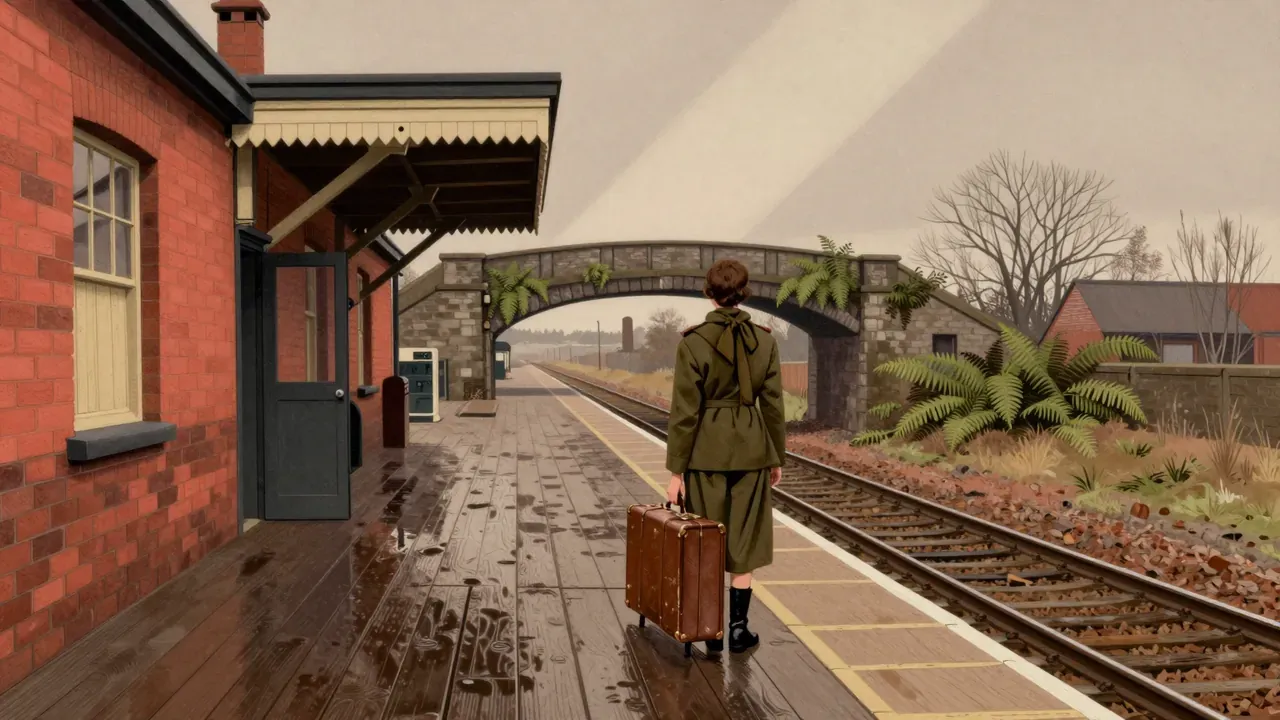
A Canterbury Tale (1944) follows three strangers — a Land Girl, a British soldier and an American GI — who converge in a Kent village during WWII and investigate a local 'glue man' mystery. Directed by Powell and Pressburger, it uses Chaucer’s pilgrimage framework to explore English identity, wartime community and the weight of place, all filmed on location amid real bomb sites and rural villages. Its power lies in restraint: in Erwin Hillier’s understated cinematography, in performances that avoid theatrics, and in a story that values observation over explanation.
13:00

I, Daniel Blake

Ken Loach · 2016

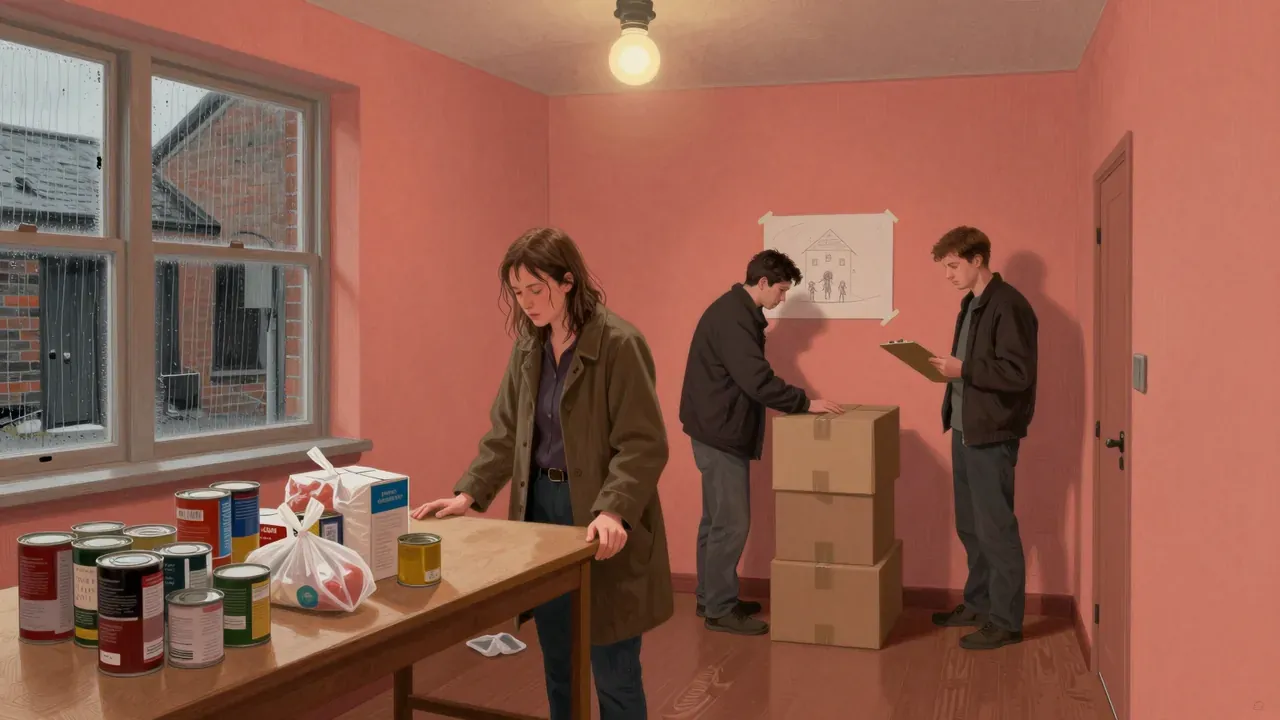
Ken Loach’s 2016 drama follows a Newcastle joiner denied benefits after a heart attack, and a single mother navigating homelessness and sanctions. Built from real testimonies and shot with documentary restraint, it charts how digital mandates, punitive rules, and institutional indifference corrode health, time, and dignity. Winning the Palme d’Or, it remains a stark, unsentimental record of austerity’s human toll.

13:00

Local Hero

Bill Forsyth · 1983

Local Hero (1983), written and directed by Bill Forsyth, follows an American oil executive sent to buy a remote Scottish village for a refinery. As he spends time in Ferness, his assumptions about progress, ownership and value quietly erode. With performances from Peter Riegert and Burt Lancaster, Chris Menges’ naturalistic cinematography and Mark Knopfler’s evocative score, the film traces a subtle transformation — not through drama or debate, but through stillness, repetition and quiet observation.

13:00

Meantime

Mike Leigh · 1983

Mike Leigh’s 1983 Meantime observes four days in an East London working-class family amid rising unemployment and social fragmentation. With Tim Roth, Phil Daniels, Gary Oldman, and Pam Ferris, it uses rigorous rehearsal-based performance and unadorned cinematography to render austerity as atmosphere, not argument — a precise, unsentimental study of endurance in the early Thatcher years.

13:00

My Beautiful Laundrette

Stephen Frears · 1985

Stephen Frears’ 1985 film, written by Hanif Kureishi, follows Omar — a British-Pakistani man in South London — as he renews a laundrette with Johnny, his childhood friend and lover. Set against Thatcher-era austerity and community tensions, it balances romance, entrepreneurship, and intergenerational conflict with understated craft and unforced specificity. Shot on 16 mm, it was expanded from a Channel 4 commission into an international success.

13:00

Sapphire

Basil Dearden · 1959

A 1959 British crime drama in which police investigate the murder of a light-skinned Black woman who passed as white, using the procedural format to expose everyday racism in post-war London. Directed by Basil Dearden from a script by Janet Green, it balances genre conventions with social observation, winning Best British Film at the 1960 BAFTAs and an Edgar Award for its screenplay.

13:00

That Hamilton Woman

Alexander Korda · 1941

That Hamilton Woman (1941) is a black-and-white historical drama directed by Alexander Korda, starring Vivien Leigh and Laurence Olivier as Emma Hamilton and Horatio Nelson. Made in Hollywood during British exile, it uses the Napoleonic Wars as allegory for Britain’s resistance to Nazi Germany. The film follows Emma’s rise from courtesan to national symbol and her tragic decline, framed by Nelson’s principled defiance and ultimate sacrifice at Trafalgar. Crafted with restraint and moral clarity, it prioritises thematic weight over psychological nuance or visual spectacle.

13:00

The Long Good Friday

John Mackenzie · 1980

Set over one Easter weekend in 1980, The Long Good Friday follows London gangster Harold Shand as his plans to redevelop the Docklands and attract American investment unravel amid coordinated attacks. Directed by John Mackenzie and written by Barrie Keeffe, the film uses tight framing, restrained performances, and real London locations to chart the collapse of authority — not through violence, but through the sudden withdrawal of trust, information, and time.

13:00

This Happy Breed

David Lean · 1944

David Lean’s 1944 debut follows the Gibbons family across twenty years of peace and gathering storm in suburban London. Anchored by Robert Newton and Celia Johnson, it charts domestic life against national events — the General Strike, the rise of fascism, the abdication — not through speeches or spectacle, but through wallpaper, radio sets, and the weight of unspoken grief. Shot in muted Technicolor and edited with Lean’s signature temporal bleed, it is a film of accumulation: small details, repeated gestures, returning spaces. Its power lies in endurance, not revelation.

13:00

Victim

Basil Dearden · 1961

Victim (1961), directed by Basil Dearden and written by Janet Green, is a British drama centred on a married barrister drawn into confronting a blackmail ring targeting gay men. Made before decriminalisation in England and Wales, it was the first UK film to name homosexuality explicitly and argue, through restrained craft and deliberate pacing, that the law itself enabled abuse. Starring Dirk Bogarde and Sylvia Syms, it trades spectacle for structural clarity — using cinematography, performance, and script to expose how statutes manufacture vulnerability.

13:00

Howards End

James Ivory · 1992

James Ivory’s 1992 adaptation of E. M. Forster’s novel traces class, inheritance, and quiet moral reckoning across Edwardian Britain. Emma Thompson, Anthony Hopkins, and Vanessa Redgrave anchor a precisely observed world where property, language, and silence carry equal weight. Tony Pierce-Roberts’ cinematography and Luciana Arrighi’s production design ground the film in tactile reality, while Richard Robbins’ score underscores its restraint. Though some subplots lack depth and its pacing demands patience, the film rewards close attention with cumulative emotional and intellectual resonance.