filmbriefs
Topic

The sixties

The decade everything is still dated from, accurately or not.

3
in film
13:00
average
39 min
in total
27
across the network
The sixties across the network →
All briefs3
13:00

I Wanna Hold Your Hand

Robert Zemeckis · 1978

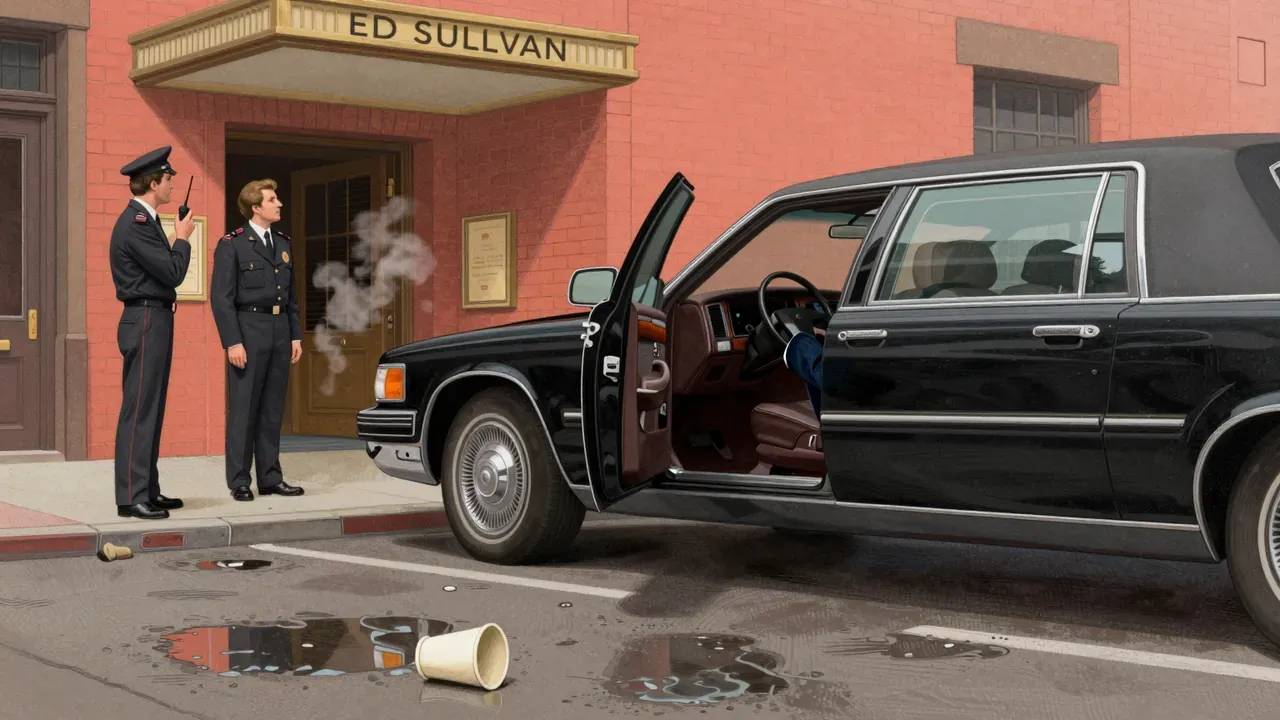
Set over one day in February 1964, I Wanna Hold Your Hand follows six New Jersey teenagers converging on New York City to witness the Beatles’ Ed Sullivan Show debut — without ever showing the band. Directed by Robert Zemeckis in his feature debut, it uses tight plotting, period-accurate detail, and ensemble performances to map fandom as a system of access, exclusion, and improvised agency. Though commercially unsuccessful on release, it has endured as a cult object for its structural rigour and humane farce.
13:00

Masculin Féminin

Jean-Luc Godard · 1966

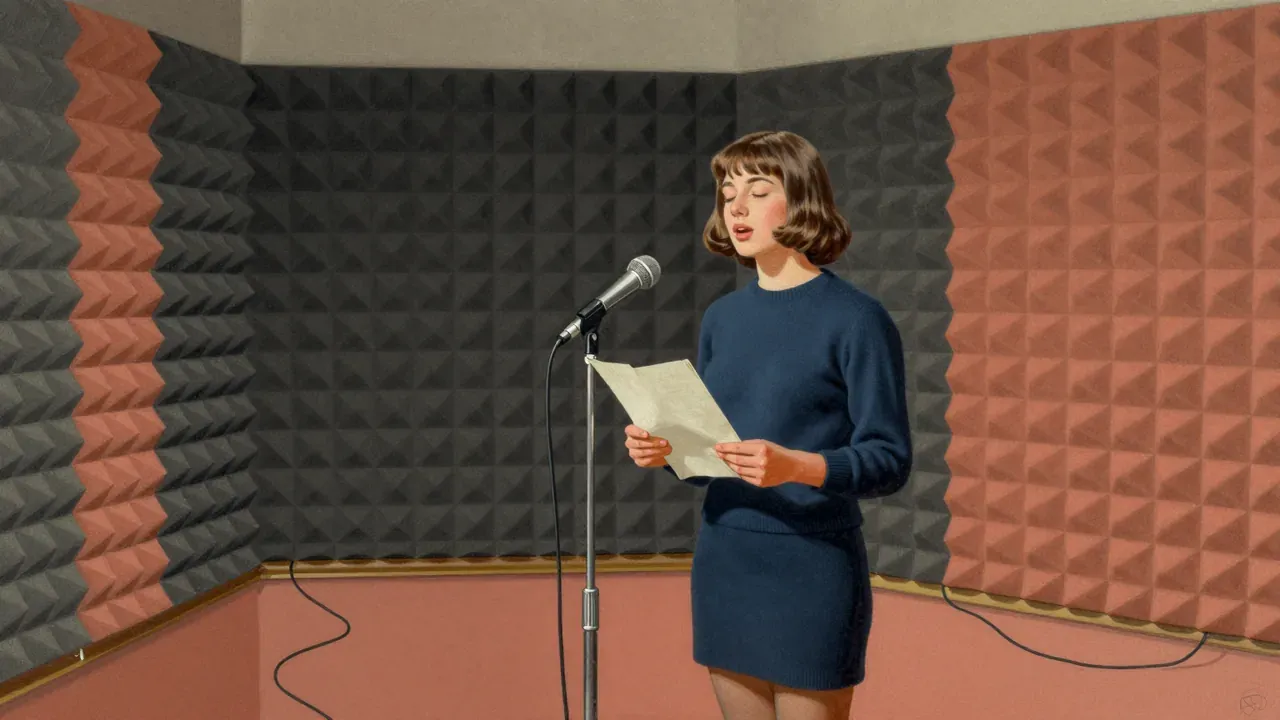
Jean-Luc Godard’s 1966 Masculin Féminin follows Paul—a young idealist navigating love, work, and politics in Paris—as a loose sequence of interviews, encounters, and interruptions. Shot in black-and-white with natural light and minimal crew, it treats youth culture as a field of study, not a story. Its structure mimics opinion polling: questions posed, answers recorded, conclusions withheld. Starring Jean-Pierre Léaud, Chantal Goya, Marlène Jobert, and Catherine-Isabelle Duport, it remains one of Godard’s most formally rigorous and thematically restless works.

13:00

Monterey Pop

D. A. Pennebaker · 1968

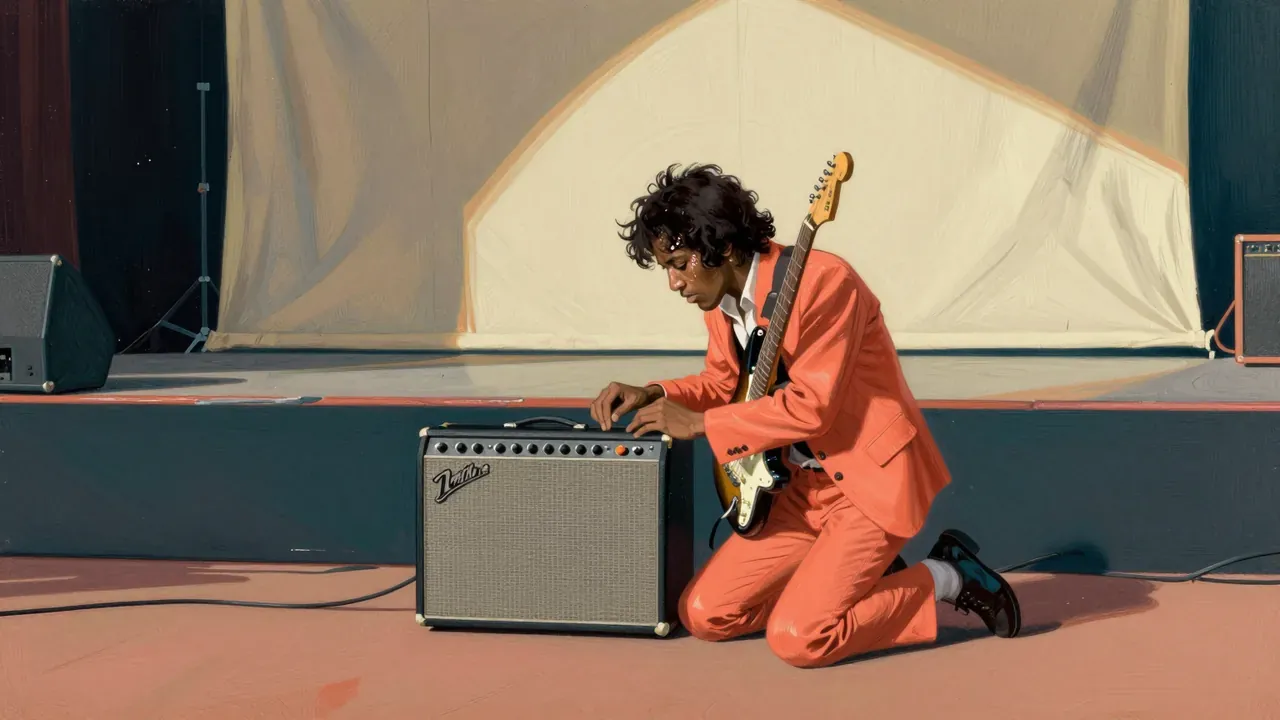
D. A. Pennebaker’s 1968 documentary captures select performances from the 1967 Monterey Pop Festival with minimal intervention: no narration, no crowd shots, no chronological fidelity. Shot on 16mm and mixed from live eight-track recordings, it presents Otis Redding, Ravi Shankar, Jimi Hendrix, The Who, and others as autonomous musical events — valued for physical presence, duration, and sonic fidelity rather than cultural symbolism. Its power lies in restraint, not revelation.

More from film

All briefs →
13:00

20th Century Women

Mike Mills · 2016

Set in 1979 Santa Barbara, Mike Mills’ 20th Century Women follows 15-year-old Jamie as his single mother Dorothea enlists two younger women — photographer Abbie and teenage friend Julie — to help raise him. Anchored by Annette Bening’s restrained performance, the film observes their overlapping lives with warmth and precision, treating feminism, illness, ageing and adolescence as lived conditions rather than themes. Shot by Sean Porter and edited by Leslie Jones, it moves at the pace of real conversation, building meaning through accumulation rather than climax.

13:00

24 Frames

Abbas Kiarostami · 2017

Abbas Kiarostami’s final film, 24 Frames, comprises twenty-four uncut, static shots — each ninety seconds long — observing nature, animals, and thresholds between interior and exterior. Beginning with animated movement superimposed on Bruegel’s Hunters in the Snow, it proceeds into real-world stillness, testing how much meaning resides in time, attention, and unmediated presence. Released posthumously at Cannes 2017, it is a rigorous, unsentimental essay on perception and impermanence.

13:00

3:10 to Yuma

Delmer Daves · 1957

Delmer Daves’ 1957 Western 3:10 to Yuma adapts Elmore Leonard’s taut short story into a study of obligation under pressure. Rancher Dan Evans agrees to escort outlaw Ben Wade to the 3:10 train for Yuma, facing ambush, betrayal, and his own wavering resolve. Shot by Charles Lawton Jr. with sun-bleached realism and scored sparingly by George Duning, the film builds suspense through pacing, performance, and moral granularity — not spectacle. It was preserved by the Library of Congress in 2012 for its cultural and aesthetic significance.

13:00

3 Women

Robert Altman · 1977

Robert Altman’s 1977 film 3 Women follows the uncanny merging of identities among a timid young woman, her garrulous roommate and a silent, pregnant artist in a sun-scorched California town. Built from a dream and shot with deliberate, unhurried precision, it uses repetition, reflection and improvisation to explore how selves are borrowed, performed and abandoned.