filmbriefs
Topic

Mining

Where the materials actually come from, and at what cost.

4
in film
13:00
average
52 min
in total
30
across the network
Mining across the network →
All briefs4
13:00

Ariel

Aki Kaurismäki · 1988

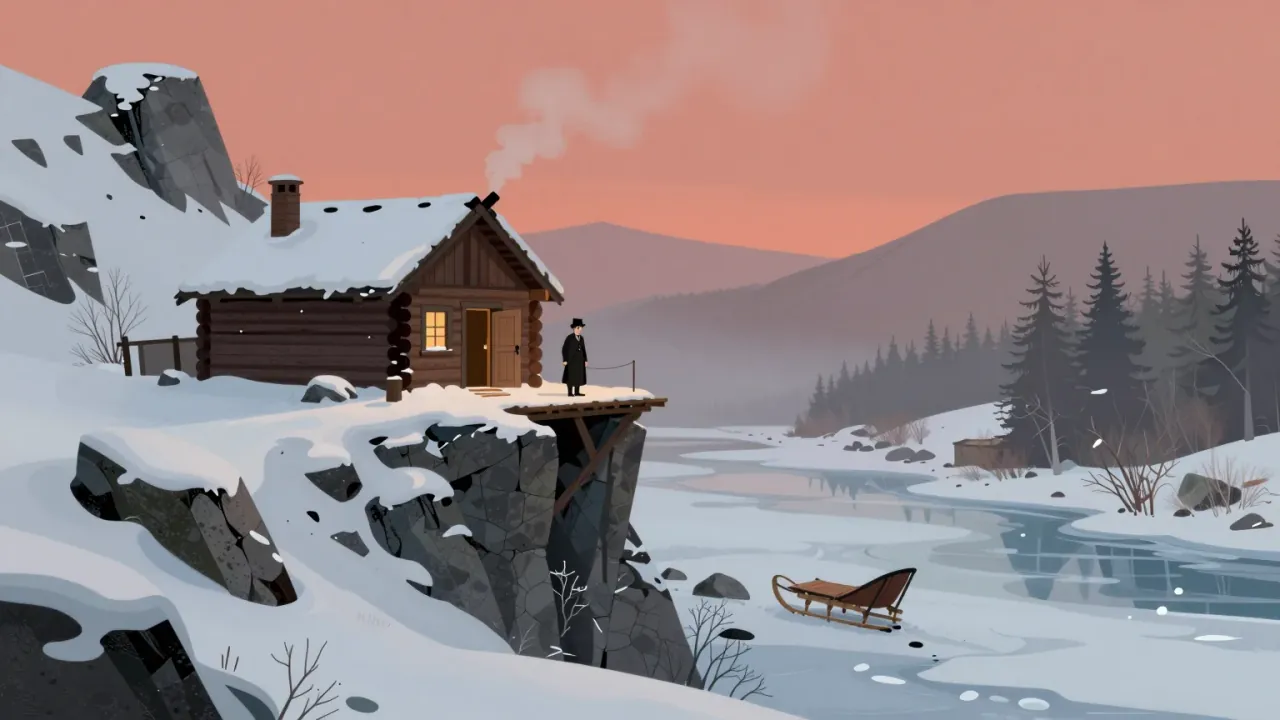
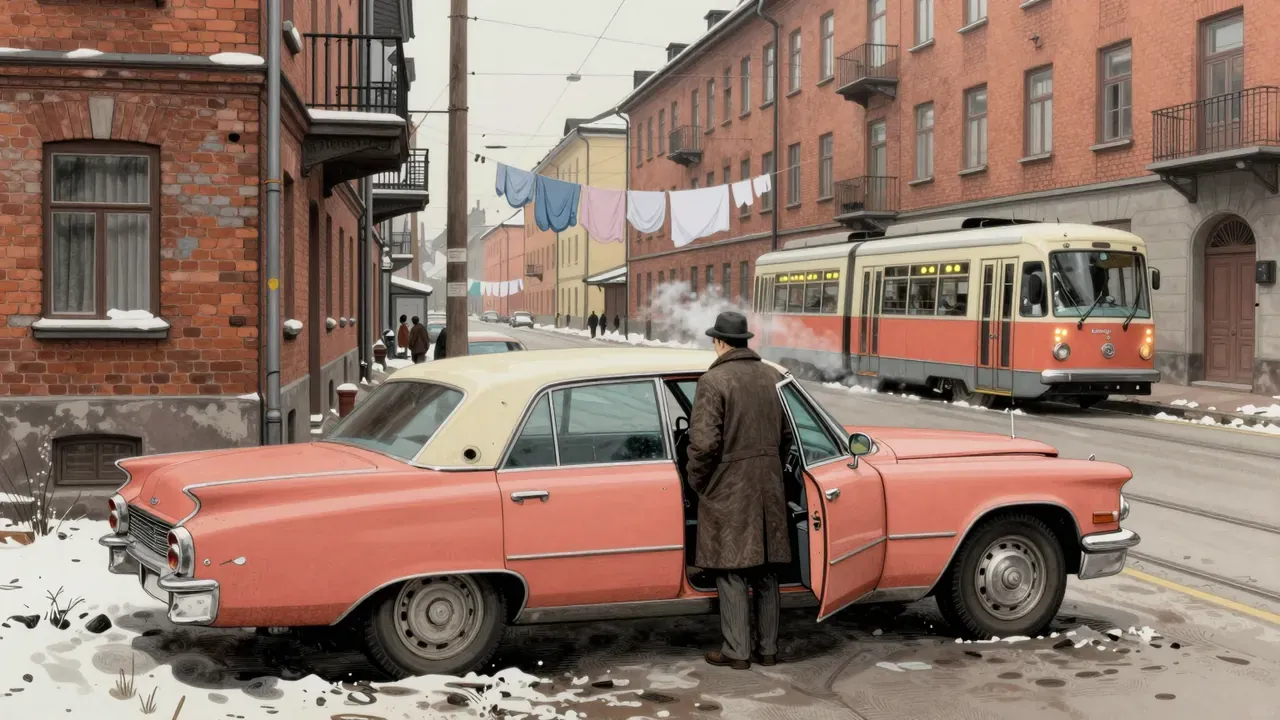
Aki Kaurismäki’s 1988 drama follows a displaced Finnish miner, Taisto Kasurinen, as he drifts from Lapland to Helsinki, surviving eviction, robbery, imprisonment, and finally a bank heist — all with deadpan reserve and minimal dialogue. Shot by Timo Salminen in muted tones and edited with deliberate stillness, the film treats economic abandonment as atmosphere rather than crisis, and resilience as routine rather than triumph.
13:00

Pitfall

Hiroshi Teshigahara · 1962

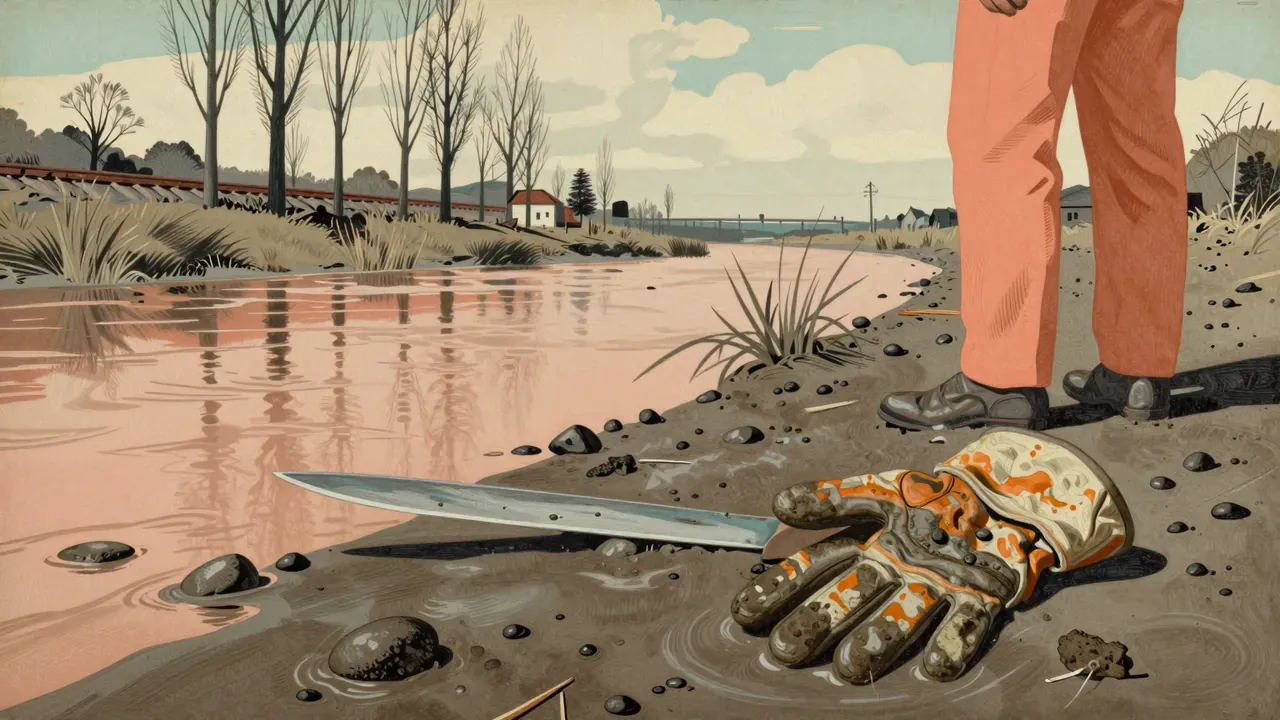
Hiroshi Teshigahara’s 1962 debut, written by Kōbō Abe, follows a miner murdered in a Kyūshū ghost town, then resurrected as a silent ghost while a man in white manipulates evidence to frame a union leader. Shot in stark black-and-white with Tōru Takemitsu’s percussive score, it uses surreal structure and deliberate opacity to articulate systemic erasure — not as metaphor but as lived, repeatable condition.

13:00

The Proud Valley

Pen Tennyson · 1940

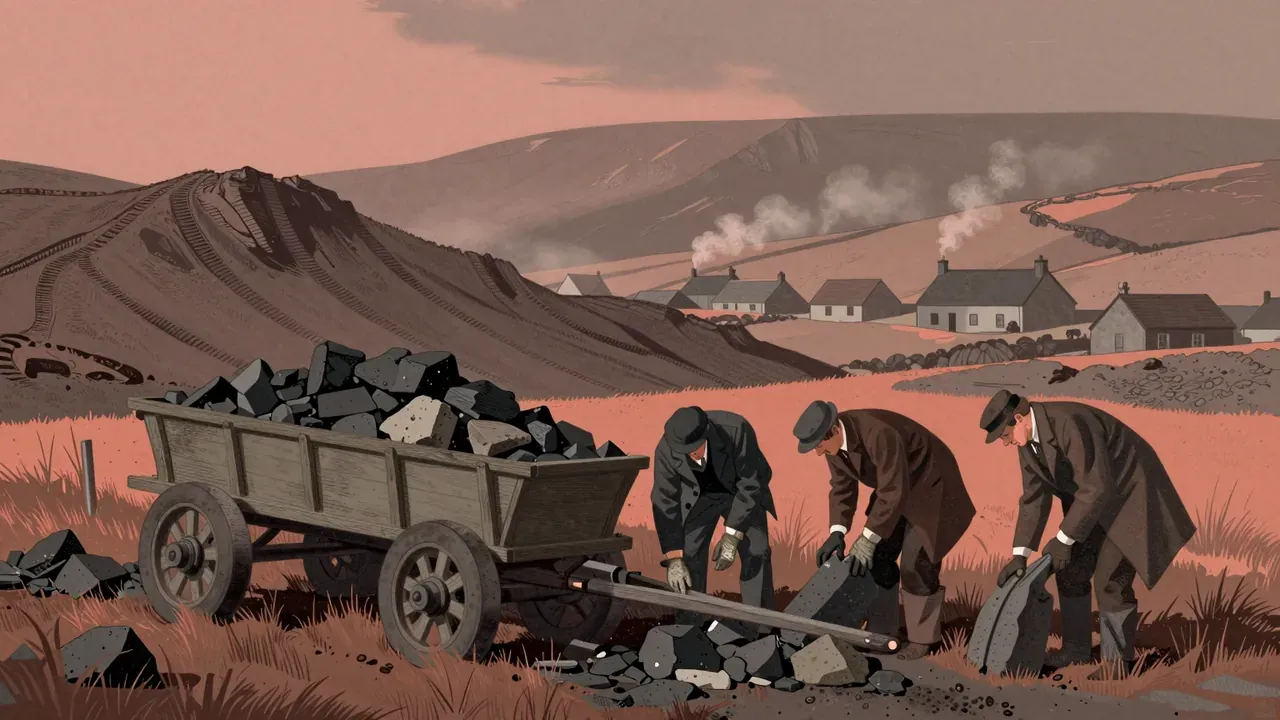
The Proud Valley (1940) follows Paul Robeson as an African American sailor who joins a Welsh mining community, finding kinship in labour and song. Filmed on location before the outbreak of WWII, it was re-cut to soften its socialist ending — yet retains its emotional and political force through understated performances, choral texture, and unvarnished depictions of industrial life. Directed by Pen Tennyson for Ealing Studios, it remains Robeson’s favourite film and a rare British drama centred on Black dignity, cross-racial solidarity, and collective endurance.

13:00

The Gold Rush

Charlie Chaplin · 1925

Charlie Chaplin’s 1925 silent feature The Gold Rush transplants his Little Tramp into the Klondike Gold Rush, using starvation, cold, and isolation as structural principles rather than setting. Its most enduring sequences — shoe-eating, roll-dancing, cabin-on-a-cliff — succeed through unwavering tonal control and physical precision. While the romantic second half lacks the psychological density of the survival sections, the film remains a masterclass in expressive economy: every frame, gesture, and pause serves its dual commitment to laughter and pathos.