filmbriefs
Topic

Free will

Whether the chooser was ever free, and what follows if not.

7
in film
13:00
average
91 min
in total
13
across the network
Free will across the network →
All briefs7
13:00

A Clockwork Orange

Stanley Kubrick · 1971

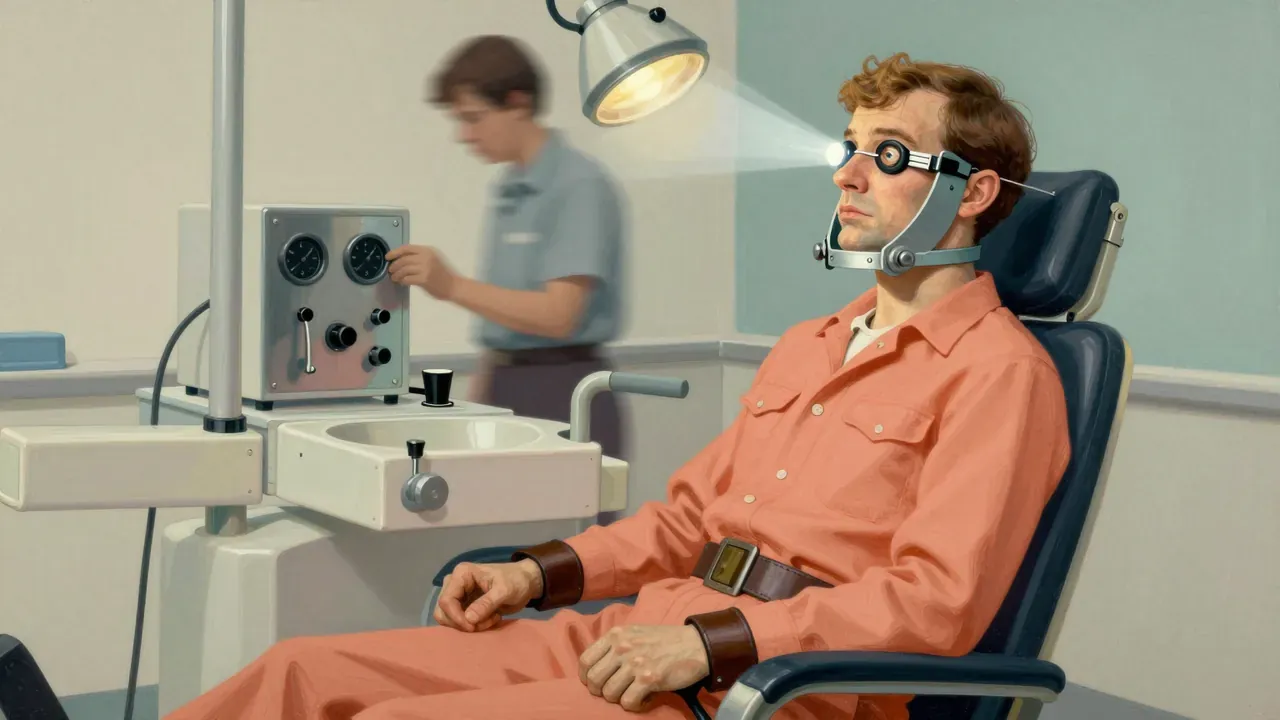
Stanley Kubrick’s 1971 adaptation of Anthony Burgess’s novel follows Alex DeLarge, a charismatic teenage delinquent subjected to state-mandated aversion therapy. Stylised, unsettling, and formally exacting, it interrogates free will, coercion, and the aestheticisation of power through John Alcott’s cinematography, Wendy Carlos’s electronic score, and Malcolm McDowell’s indelible performance.
13:00

Blind Chance

Krzysztof Kieślowski · 1987

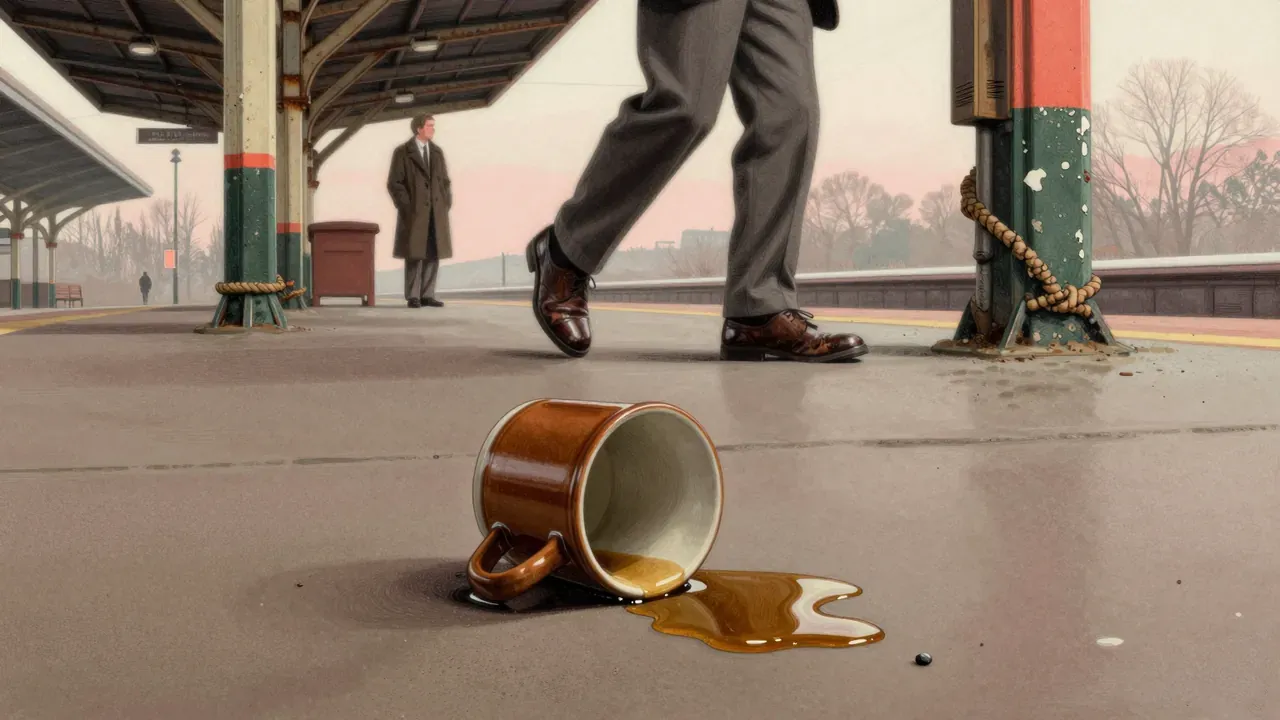
Krzysztof Kieślowski’s 1987 film follows Witek (Bogusław Linda) through three divergent lives, each triggered by how he navigates a single encounter at Łódź Fabryczna station. In one, he joins the Communist Party; in another, he joins the anti-Communist resistance; in the third, he retreats into apolitical domesticity. Shot with procedural restraint by Krzysztof Pakulski and edited with mathematical parity by Elżbieta Kurkowska, the film treats political identity as emergent from physical circumstance — not philosophy, but timing, surface, and sequence.

13:00

Les Créatures

Agnès Varda · 1966

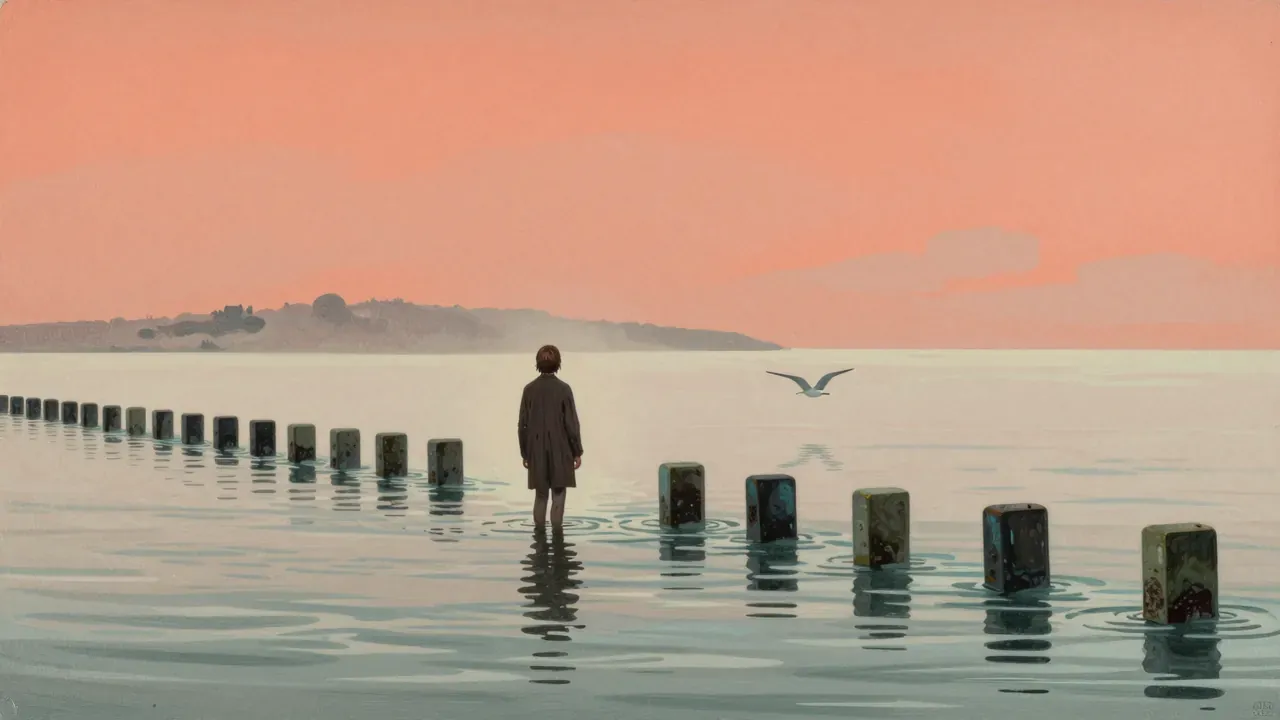
Agnès Varda’s 1966 Les Créatures follows a writer recovering from a car crash on the island of Noirmoutier, as his real-life experiences blur with the science-fiction novel he is drafting about mind control and communal collapse. Shot by Willy Kurant and edited by Janine Verneau, the film uses red tints, abrupt cuts, and layered performance to sustain ambiguity between fiction and reality. Though commercially unsuccessful and critically divided on release, it remains a rigorous, unsettling study of authorship, perception, and the messy birth of narrative.

13:00

My Night at Maud's

Éric Rohmer · 1969

Set over Christmas in Clermont-Ferrand, Éric Rohmer’s 1969 film follows a Catholic engineer as he navigates conversations about faith, desire, and choice with three other single people. Built around Pascal’s wager and shot in natural light by Néstor Almendros, it privileges dialogue, hesitation, and quiet observation over plot or resolution. Its moral architecture rests on what is said, unsaid, deferred — and how it is said.

13:00

The Bakery Girl of Monceau

Éric Rohmer · 1962

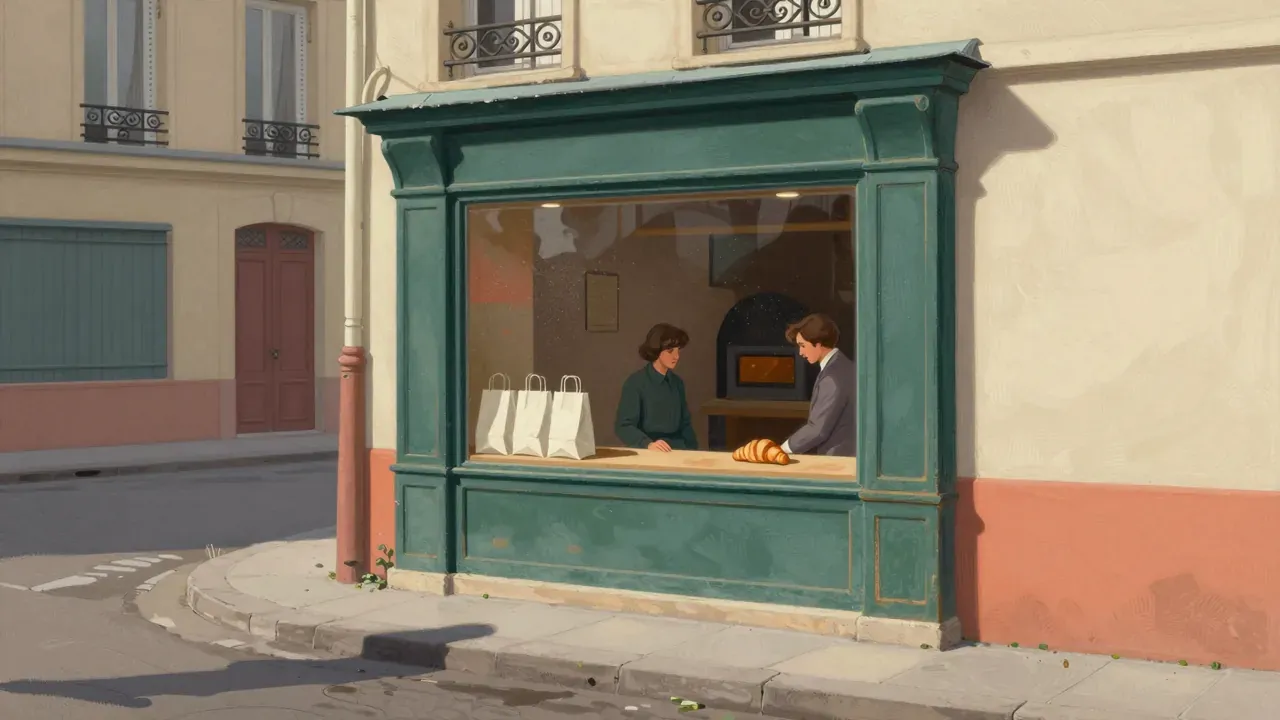
Éric Rohmer’s 1962 short The Bakery Girl of Monceau is the first of his Six Moral Tales: a 22-minute study in male subjectivity, told via voice-over narration over static, location-shot images of Paris. A law student pursues one woman, distracts himself with another, then returns to the first — all while constructing a story in which his choices appear inevitable, noble, and coherent. There is no music, no on-set sound, no psychological exposition beyond the narrator’s own account. Its power lies in the precision of its restraint.

13:00

The Beast

Bertrand Bonello · 2023

Bertrand Bonello’s The Beast follows Gabrielle across three lifetimes — 1910 Paris, 2014 Los Angeles, and 2044, where AI mandates emotional purification — to trace how dread and desire recur as physiological patterns, not psychological choices. Léa Seydoux and George MacKay anchor a formally precise, emotionally austere film that refuses catharsis in favour of cumulative resonance.

13:00

Pickpocket

Robert Bresson · 1959

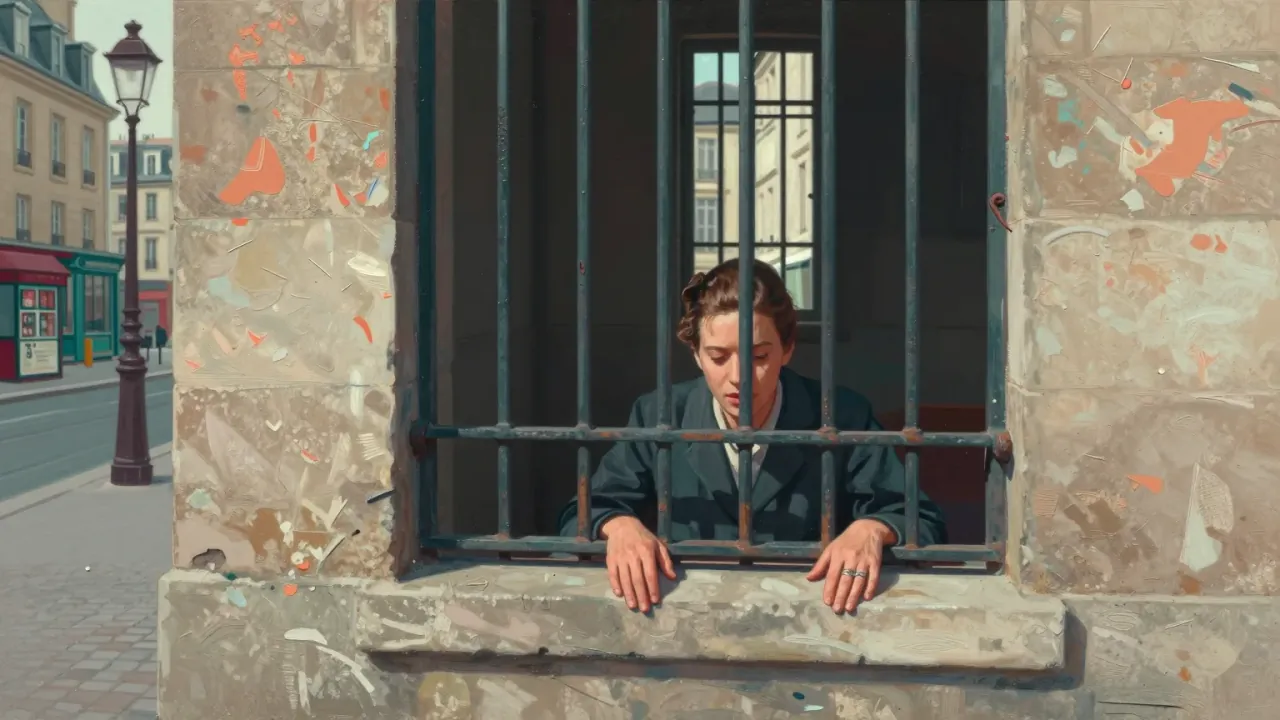
Robert Bresson’s 1959 drama follows Michel, a Parisian who turns to pickpocketing not out of need but as an assertion of will. Shot with austere precision by Léonce-Henri Burel and performed with deliberate restraint by Martin LaSalle, the film treats theft as ritual, silence as substance, and moral choice as physical habit. Influenced by Dostoyevsky and shaped by real pickpocket Henri Kassagi, it builds tension through gesture and repetition rather than exposition or score. Its power lies in what it omits — psychology, motive, catharsis — and what it insists upon: attention, consequence, and the quiet persistence of human connection.