filmbriefs
Topic

Football

The world's game, and the money that arrived late.

3
in film
13:00
average
39 min
in total
16
across the network
Football across the network →
All briefs3
13:00

The Traveller

Abbas Kiarostami · 1974

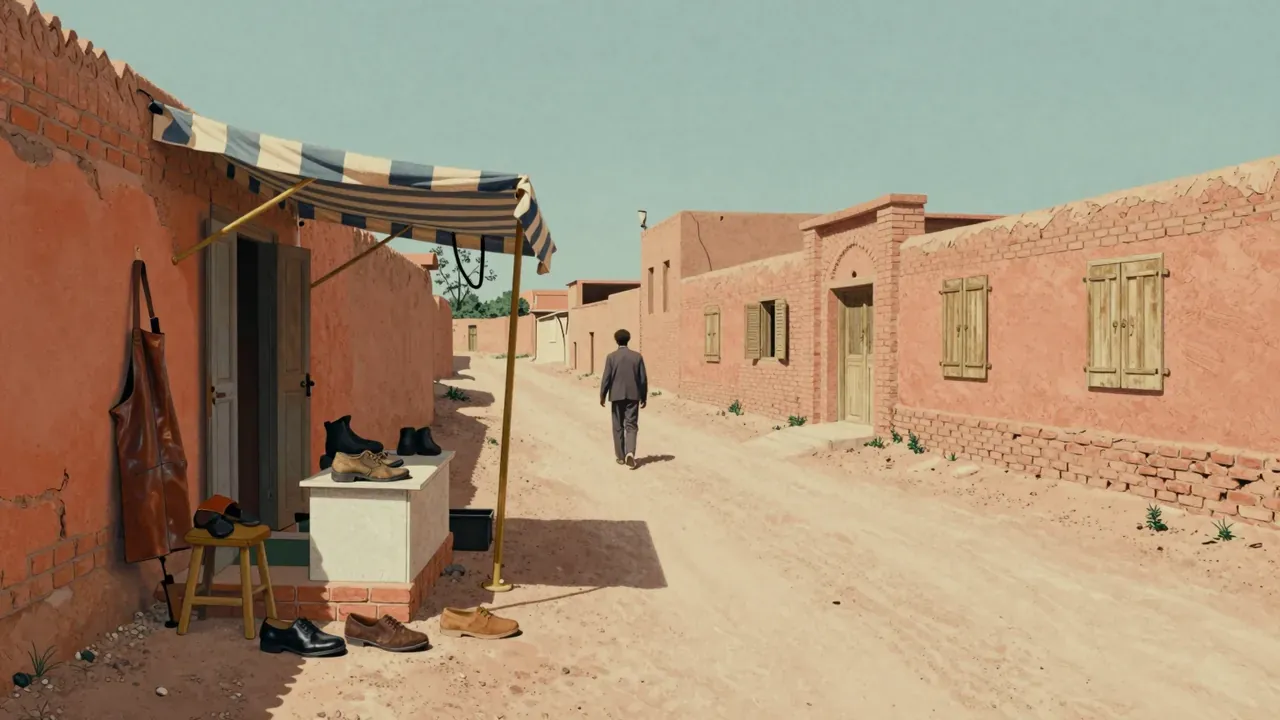
Abbas Kiarostami’s 1974 film follows Qassem, a resourceful twelve-year-old in Malayer, Iran, as he lies, steals and scams his way to a football match in Tehran. Shot with observational restraint and no musical score, the film refuses to moralise or explain his behaviour. Instead, it traces the logic of childhood desire — pragmatic, unselfconscious, and indifferent to collateral damage — until the final, empty stadium becomes its clearest statement: effort does not guarantee meaning, and arrival does not imply understanding.
13:00

Offside

Jafar Panahi · 2006

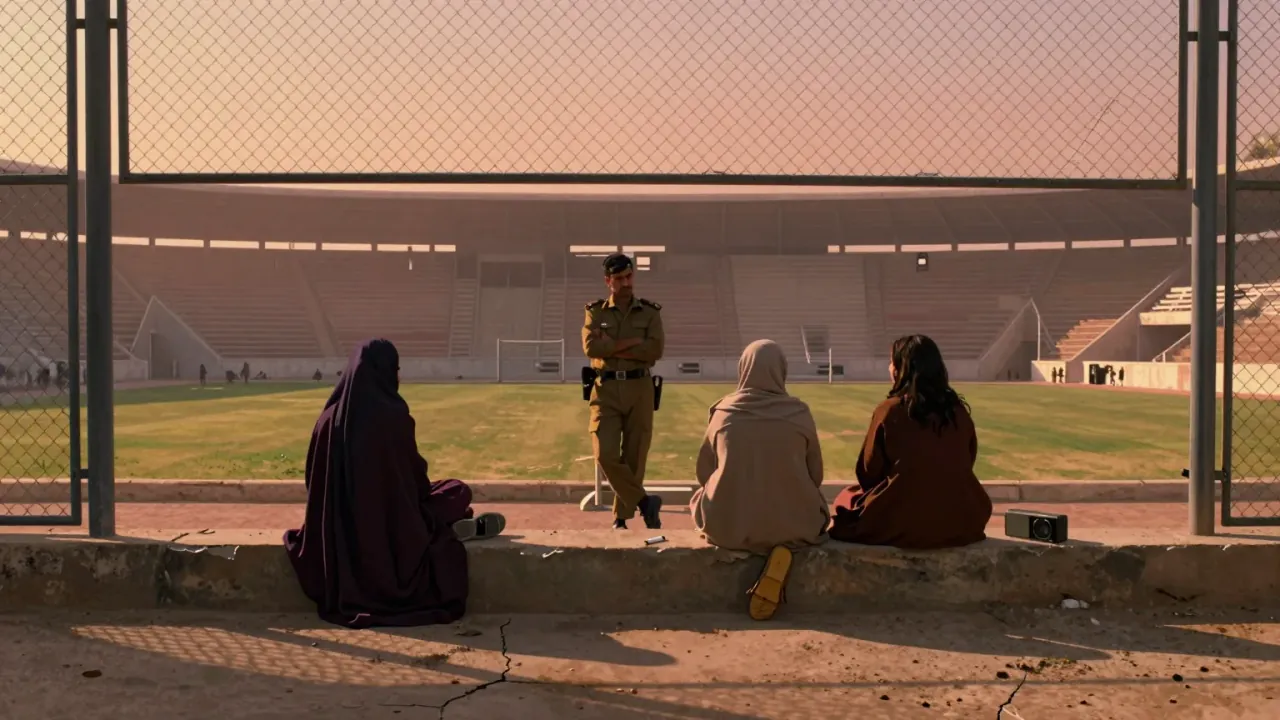
Offside (2006), directed by Jafar Panahi, follows a group of Iranian women arrested for trying to enter Azadi Stadium to watch a World Cup qualifier. Confined to a rooftop holding pen, they listen to the match through soldiers’ commentary and the distant roar of the crowd. Shot during the actual Iran–Bahrain game, the film blends documentary immediacy with scripted tension, examining gender exclusion through proximity, boredom, and fleeting solidarity — not protest or resolution.

13:00

Gregory's Girl

Bill Forsyth · 1981

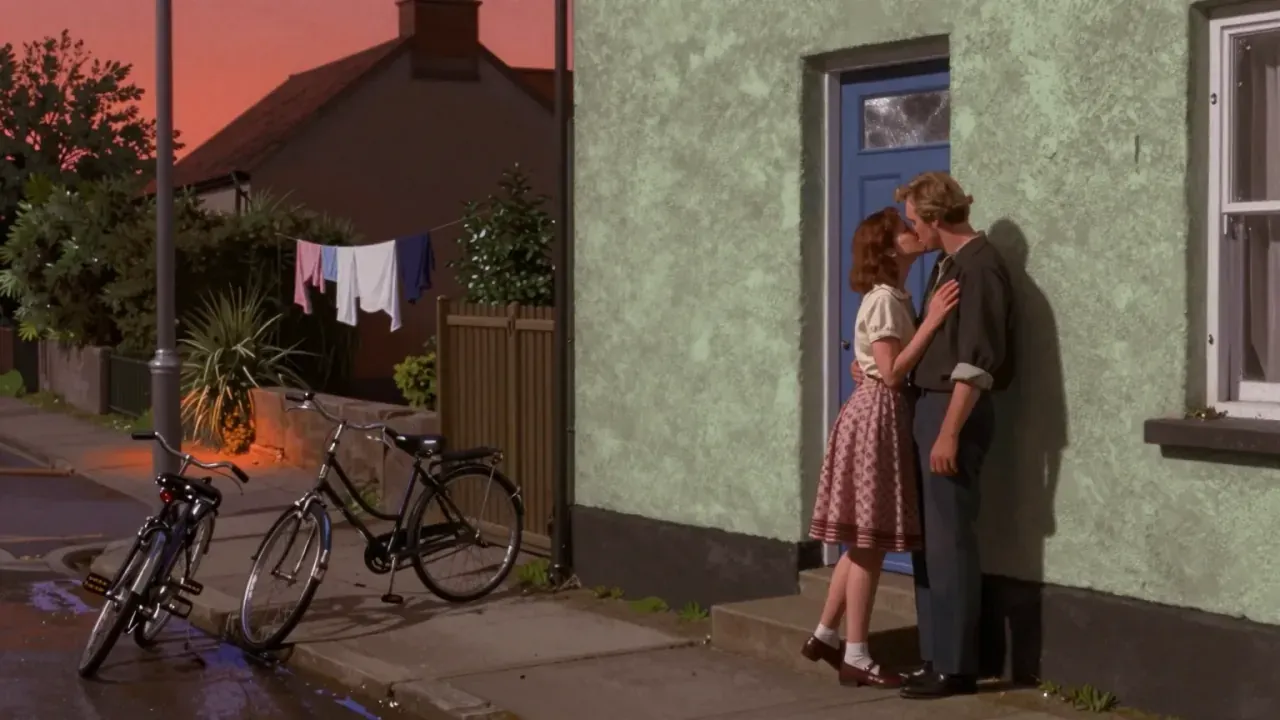
A 1981 Scottish romantic comedy written and directed by Bill Forsyth, set in a Cumbernauld secondary school. Gregory Underwood, a teenage footballer, develops a quiet crush on Dorothy, a new player who replaces him on the pitch. His attempts to connect with her unfold through miscommunications, interventions by friends and family, and small, unremarkable moments of connection. Shot on a £200,000 budget, it favours observational realism over plot mechanics, and remains notable for its gentle, unsentimental portrayal of teenage vulnerability.

More from film

All briefs →
13:00

20th Century Women

Mike Mills · 2016

Set in 1979 Santa Barbara, Mike Mills’ 20th Century Women follows 15-year-old Jamie as his single mother Dorothea enlists two younger women — photographer Abbie and teenage friend Julie — to help raise him. Anchored by Annette Bening’s restrained performance, the film observes their overlapping lives with warmth and precision, treating feminism, illness, ageing and adolescence as lived conditions rather than themes. Shot by Sean Porter and edited by Leslie Jones, it moves at the pace of real conversation, building meaning through accumulation rather than climax.

13:00

24 Frames

Abbas Kiarostami · 2017

Abbas Kiarostami’s final film, 24 Frames, comprises twenty-four uncut, static shots — each ninety seconds long — observing nature, animals, and thresholds between interior and exterior. Beginning with animated movement superimposed on Bruegel’s Hunters in the Snow, it proceeds into real-world stillness, testing how much meaning resides in time, attention, and unmediated presence. Released posthumously at Cannes 2017, it is a rigorous, unsentimental essay on perception and impermanence.

13:00

3:10 to Yuma

Delmer Daves · 1957

Delmer Daves’ 1957 Western 3:10 to Yuma adapts Elmore Leonard’s taut short story into a study of obligation under pressure. Rancher Dan Evans agrees to escort outlaw Ben Wade to the 3:10 train for Yuma, facing ambush, betrayal, and his own wavering resolve. Shot by Charles Lawton Jr. with sun-bleached realism and scored sparingly by George Duning, the film builds suspense through pacing, performance, and moral granularity — not spectacle. It was preserved by the Library of Congress in 2012 for its cultural and aesthetic significance.

13:00

3 Women

Robert Altman · 1977

Robert Altman’s 1977 film 3 Women follows the uncanny merging of identities among a timid young woman, her garrulous roommate and a silent, pregnant artist in a sun-scorched California town. Built from a dream and shot with deliberate, unhurried precision, it uses repetition, reflection and improvisation to explore how selves are borrowed, performed and abandoned.