filmbriefs
Topic

Food history

What was eaten, by whom, and how it got there.

2
in film
13:00
average
26 min
in total
588
across the network
Food history across the network →
All briefs2
13:00

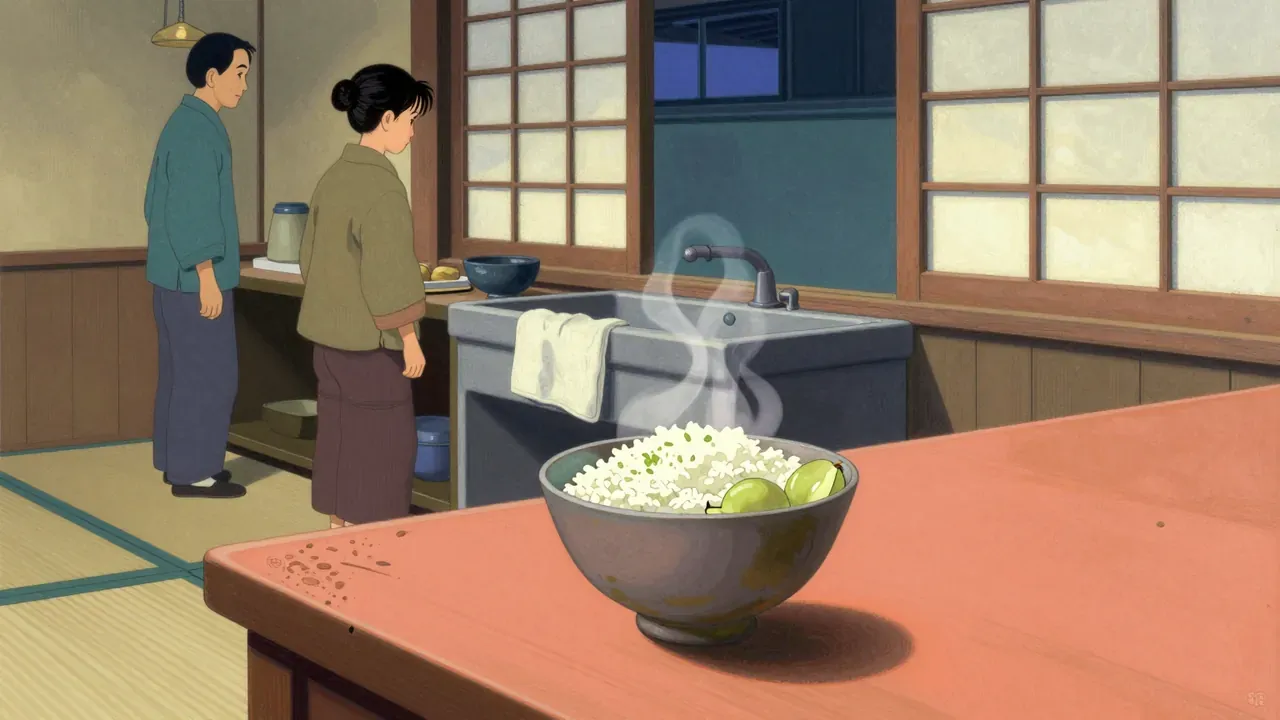
The Flavor of Green Tea over Rice

Yasujirō Ozu · 1952

Yasujirō Ozu’s 1952 drama follows a Tokyo couple drifting apart amid family obligations and their niece’s resistance to arranged marriage. With still compositions, restrained performances, and deliberate pacing, it traces how small, shared acts—like making green-tea rice late at night—can quietly restore connection without resolving deeper tensions.
13:00

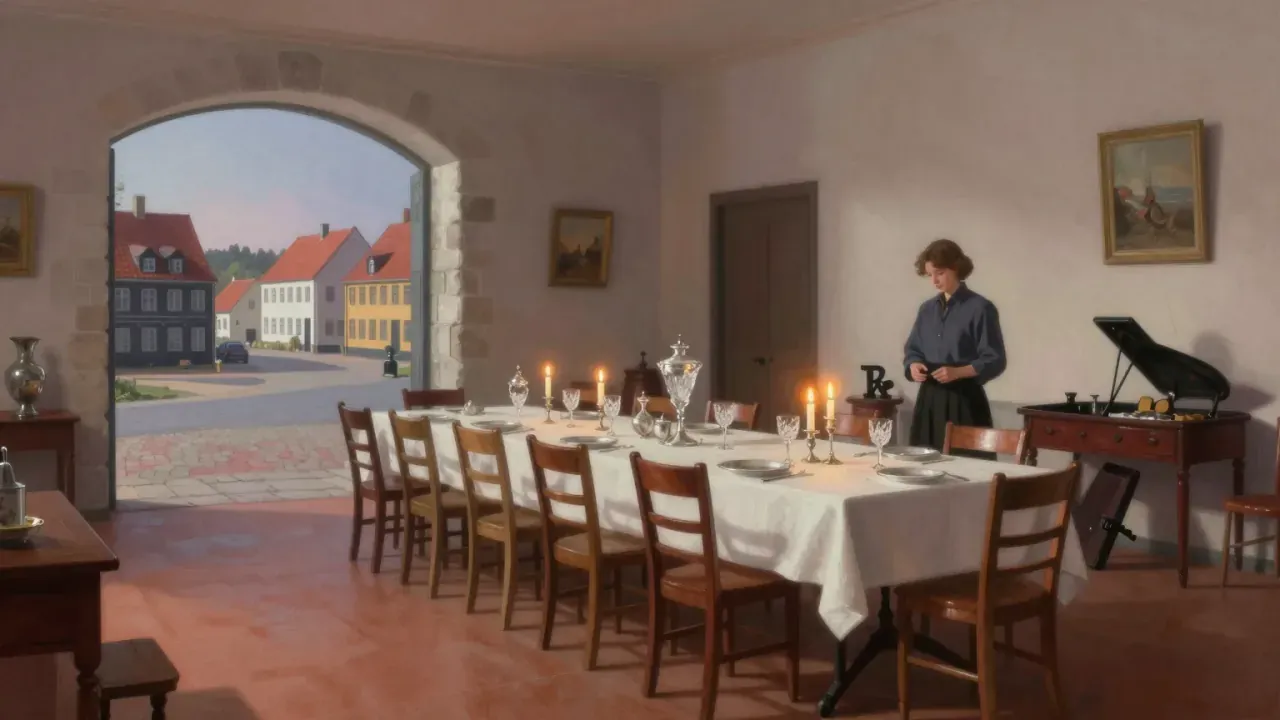
Babette's Feast

Gabriel Axel · 1987

Gabriel Axel’s 1987 Danish drama adapts Isak Dinesen’s story of Babette, a Parisian refugee who spends fourteen years as a silent housekeeper to two pious sisters in rural Jutland, then spends her lottery winnings on a lavish French feast for their austere congregation. With minimal dialogue, restrained performances and unadorned cinematography, it traces how abundance, offered without condition, reshapes decades of self-denial — not through conversion, but through quiet, collective recognition.

More from film

All briefs →
13:00

20th Century Women

Mike Mills · 2016

Set in 1979 Santa Barbara, Mike Mills’ 20th Century Women follows 15-year-old Jamie as his single mother Dorothea enlists two younger women — photographer Abbie and teenage friend Julie — to help raise him. Anchored by Annette Bening’s restrained performance, the film observes their overlapping lives with warmth and precision, treating feminism, illness, ageing and adolescence as lived conditions rather than themes. Shot by Sean Porter and edited by Leslie Jones, it moves at the pace of real conversation, building meaning through accumulation rather than climax.

13:00

24 Frames

Abbas Kiarostami · 2017

Abbas Kiarostami’s final film, 24 Frames, comprises twenty-four uncut, static shots — each ninety seconds long — observing nature, animals, and thresholds between interior and exterior. Beginning with animated movement superimposed on Bruegel’s Hunters in the Snow, it proceeds into real-world stillness, testing how much meaning resides in time, attention, and unmediated presence. Released posthumously at Cannes 2017, it is a rigorous, unsentimental essay on perception and impermanence.

13:00

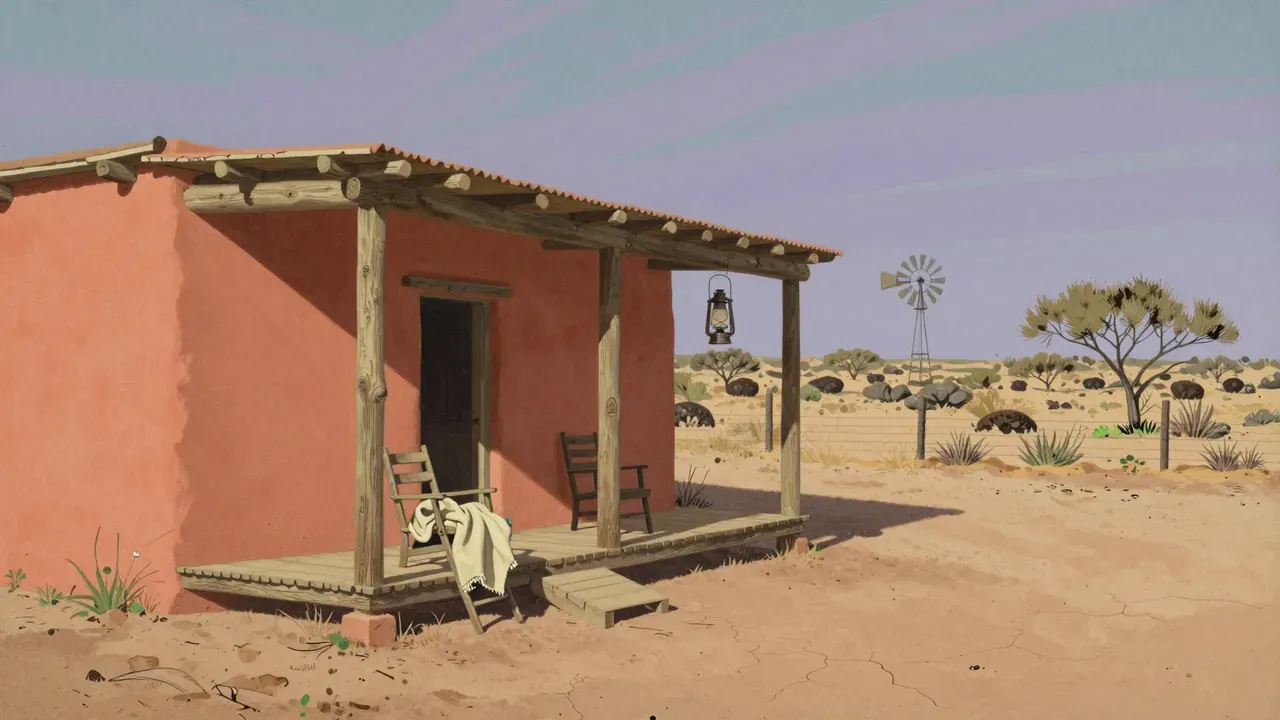
3:10 to Yuma

Delmer Daves · 1957

Delmer Daves’ 1957 Western 3:10 to Yuma adapts Elmore Leonard’s taut short story into a study of obligation under pressure. Rancher Dan Evans agrees to escort outlaw Ben Wade to the 3:10 train for Yuma, facing ambush, betrayal, and his own wavering resolve. Shot by Charles Lawton Jr. with sun-bleached realism and scored sparingly by George Duning, the film builds suspense through pacing, performance, and moral granularity — not spectacle. It was preserved by the Library of Congress in 2012 for its cultural and aesthetic significance.

13:00

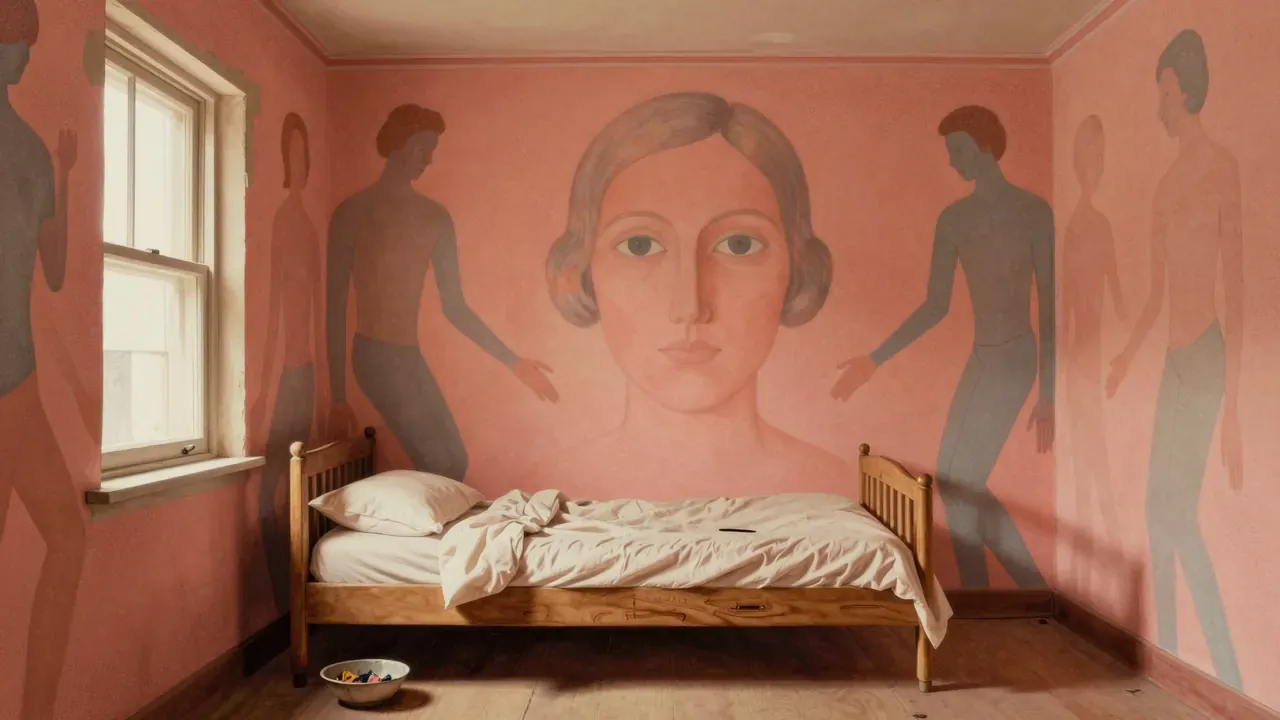
3 Women

Robert Altman · 1977

Robert Altman’s 1977 film 3 Women follows the uncanny merging of identities among a timid young woman, her garrulous roommate and a silent, pregnant artist in a sun-scorched California town. Built from a dream and shot with deliberate, unhurried precision, it uses repetition, reflection and improvisation to explore how selves are borrowed, performed and abandoned.