filmbriefs
Topic

Fishing

The last large-scale hunt, running out of stock.

3
in film
13:00
average
39 min
in total
11
across the network
Fishing across the network →
All briefs3
13:00

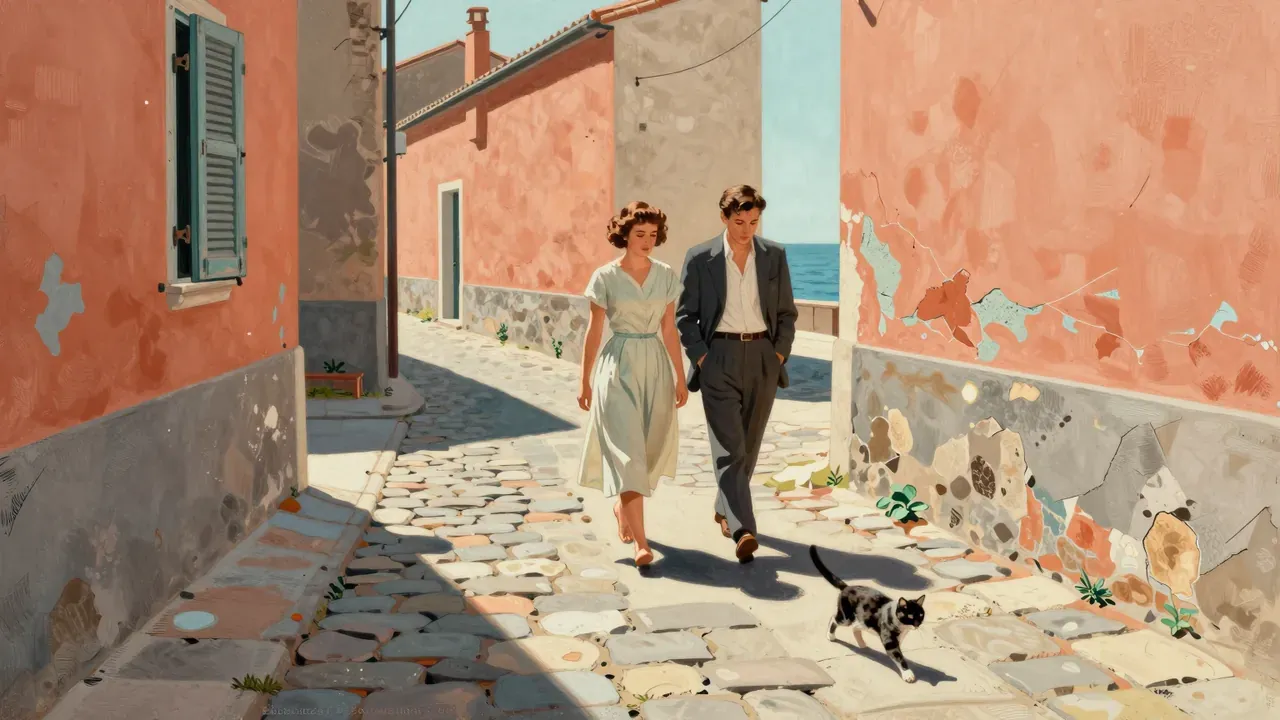
La Pointe Courte

Agnès Varda · 1955

Agnès Varda’s 1955 debut interweaves a Parisian couple’s marital crisis with the daily resistance of Sète’s fishing quarter against a shellfish ban. Shot on location with locals and two professional actors, it blends fiction and documentary without hierarchy, trusting observation over exposition. Its quiet power lies in duration, texture, and the unforced coexistence of private and collective life.
13:00

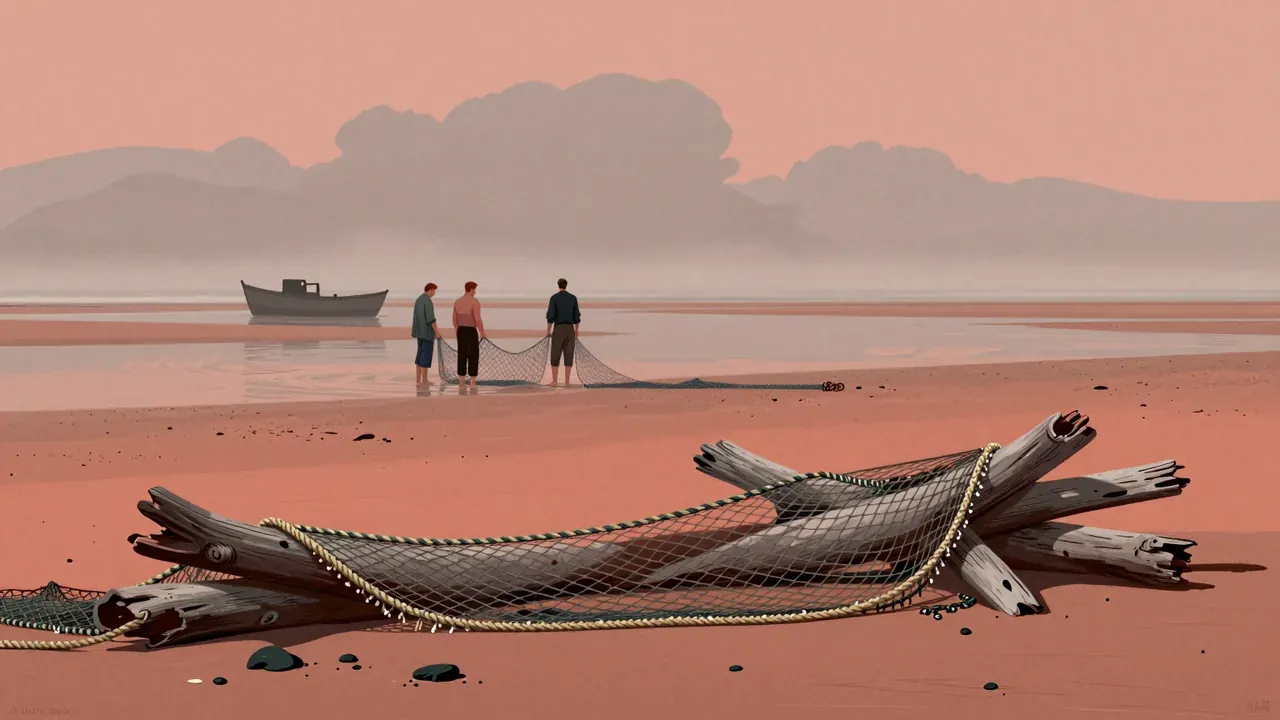
Redes

Fred Zinnemann, Emilio Gómez Muriel · 1936

A 1936 Mexican fiction film shot on location in Alvarado, Redes depicts fishermen resisting exploitation through collective action. Directed by Fred Zinnemann and Emilio Gómez Muriel, written by John Dos Passos, and scored by Silvestre Revueltas, it uses non-professional actors, Paul Strand’s stark cinematography, and a politically grounded script to render poverty as material condition rather than moral allegory. Though its narrative scaffolding is thin, its formal coherence — in image, sound, and rhythm — makes it a singular work of interwar cinematic socialism.

13:00

Titash Ekti Nadir Naam

Ritwik Ghatak · 1973

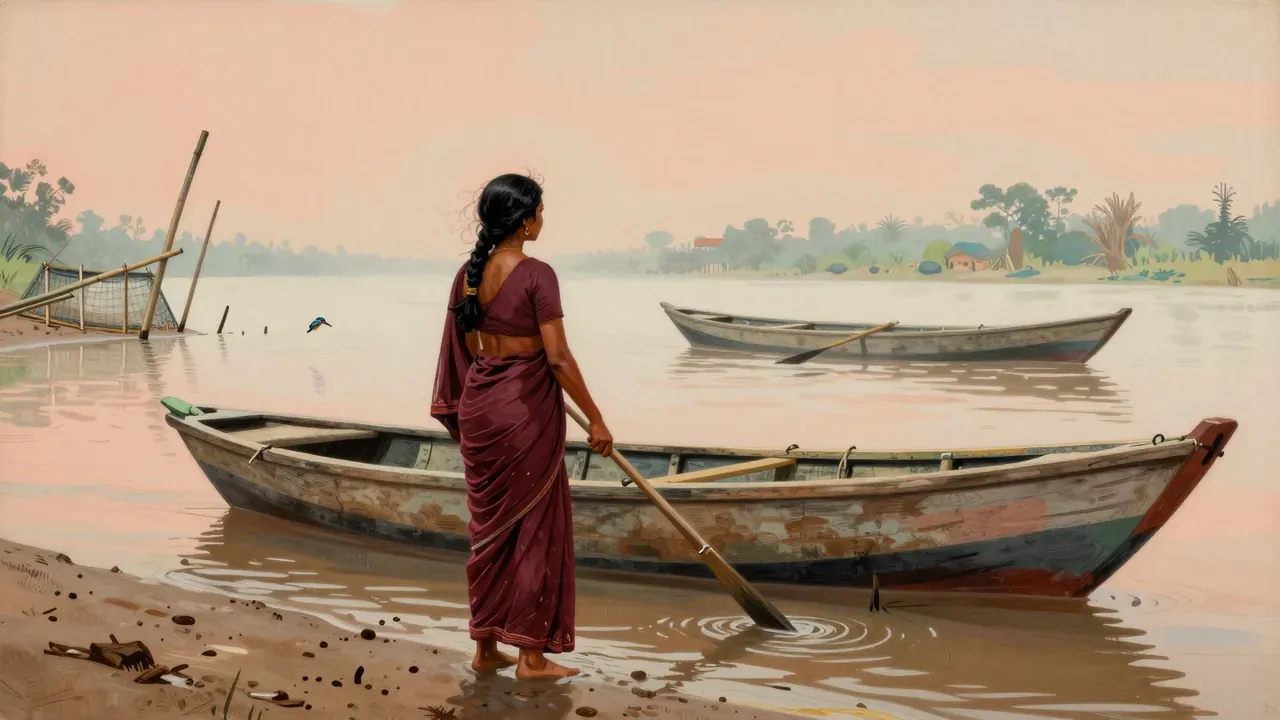
Ritwik Ghatak’s 1973 film adapts Adwaita Mallabarman’s novel to trace the generational unraveling of a Bengali fishing community along the Titas River. Structured as interwoven tragedies — abduction, madness, widowhood, starvation — it treats Partition not as event but as ambient pressure, dissolving kinship, ritual, and language. Baby Islam’s austere black-and-white photography and Ghatak’s fragmented, Brechtian staging resist catharsis in favour of accumulation: meaning settles like silt, not strikes like lightning.

More from film

All briefs →
13:00

20th Century Women

Mike Mills · 2016

Set in 1979 Santa Barbara, Mike Mills’ 20th Century Women follows 15-year-old Jamie as his single mother Dorothea enlists two younger women — photographer Abbie and teenage friend Julie — to help raise him. Anchored by Annette Bening’s restrained performance, the film observes their overlapping lives with warmth and precision, treating feminism, illness, ageing and adolescence as lived conditions rather than themes. Shot by Sean Porter and edited by Leslie Jones, it moves at the pace of real conversation, building meaning through accumulation rather than climax.

13:00

24 Frames

Abbas Kiarostami · 2017

Abbas Kiarostami’s final film, 24 Frames, comprises twenty-four uncut, static shots — each ninety seconds long — observing nature, animals, and thresholds between interior and exterior. Beginning with animated movement superimposed on Bruegel’s Hunters in the Snow, it proceeds into real-world stillness, testing how much meaning resides in time, attention, and unmediated presence. Released posthumously at Cannes 2017, it is a rigorous, unsentimental essay on perception and impermanence.

13:00

3:10 to Yuma

Delmer Daves · 1957

Delmer Daves’ 1957 Western 3:10 to Yuma adapts Elmore Leonard’s taut short story into a study of obligation under pressure. Rancher Dan Evans agrees to escort outlaw Ben Wade to the 3:10 train for Yuma, facing ambush, betrayal, and his own wavering resolve. Shot by Charles Lawton Jr. with sun-bleached realism and scored sparingly by George Duning, the film builds suspense through pacing, performance, and moral granularity — not spectacle. It was preserved by the Library of Congress in 2012 for its cultural and aesthetic significance.

13:00

3 Women

Robert Altman · 1977

Robert Altman’s 1977 film 3 Women follows the uncanny merging of identities among a timid young woman, her garrulous roommate and a silent, pregnant artist in a sun-scorched California town. Built from a dream and shot with deliberate, unhurried precision, it uses repetition, reflection and improvisation to explore how selves are borrowed, performed and abandoned.