filmbriefs
Topic

Dinosaurs

The animals every child knows and every decade revises.

3
in film
13:00
average
39 min
in total
12
across the network
Dinosaurs across the network →
All briefs3
13:00

Bringing Up Baby

Howard Hawks · 1938

Bringing Up Baby (1938), directed by Howard Hawks, pairs Katharine Hepburn and Cary Grant in a relentless romantic comedy about a paleontologist undone by a scatterbrained heiress and her leopard. Written by Dudley Nichols and Hagar Wilde, it trades emotional exposition for escalating absurdity, using precise performance, tight editing and rhythmic dialogue to sustain a world where logic collapses on cue. Though commercially modest on release, it is now regarded as a pinnacle of screwball form.
13:00

Godzilla Raids Again

Motoyoshi Oda · 1955

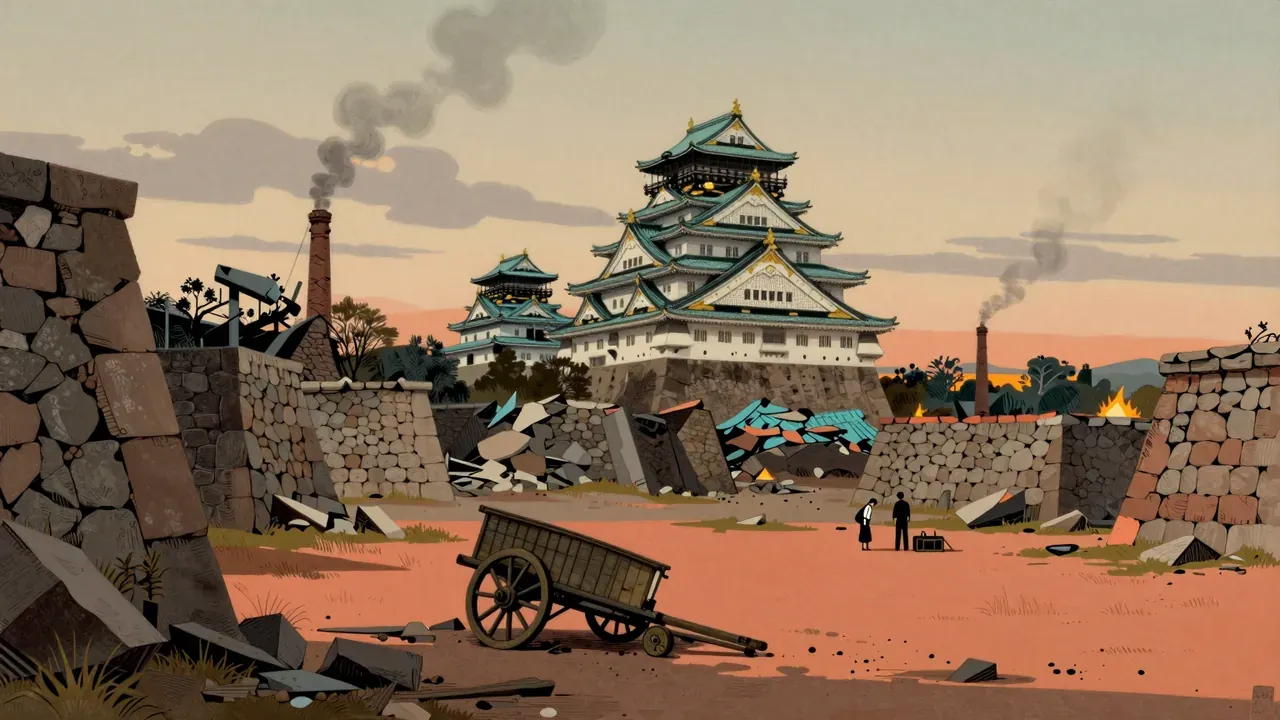
Toho’s 1955 follow-up to Godzilla is a lean, effects-driven kaiju film directed by Motoyoshi Oda under tight deadlines. It introduces Anguirus in a destructive Osaka showdown, prioritising spectacle and procedural urgency over the moral weight of its predecessor. With Haruo Nakajima in the Godzilla suit and Eiji Tsuburaya refining his special-effects techniques — including variable camera speeds and outdoor ice sets — the film functions as both a commercial necessity and a technical bridge to the franchise’s expansive future.

13:00

Journey to the Beginning of Time

Karel Zeman · 1955

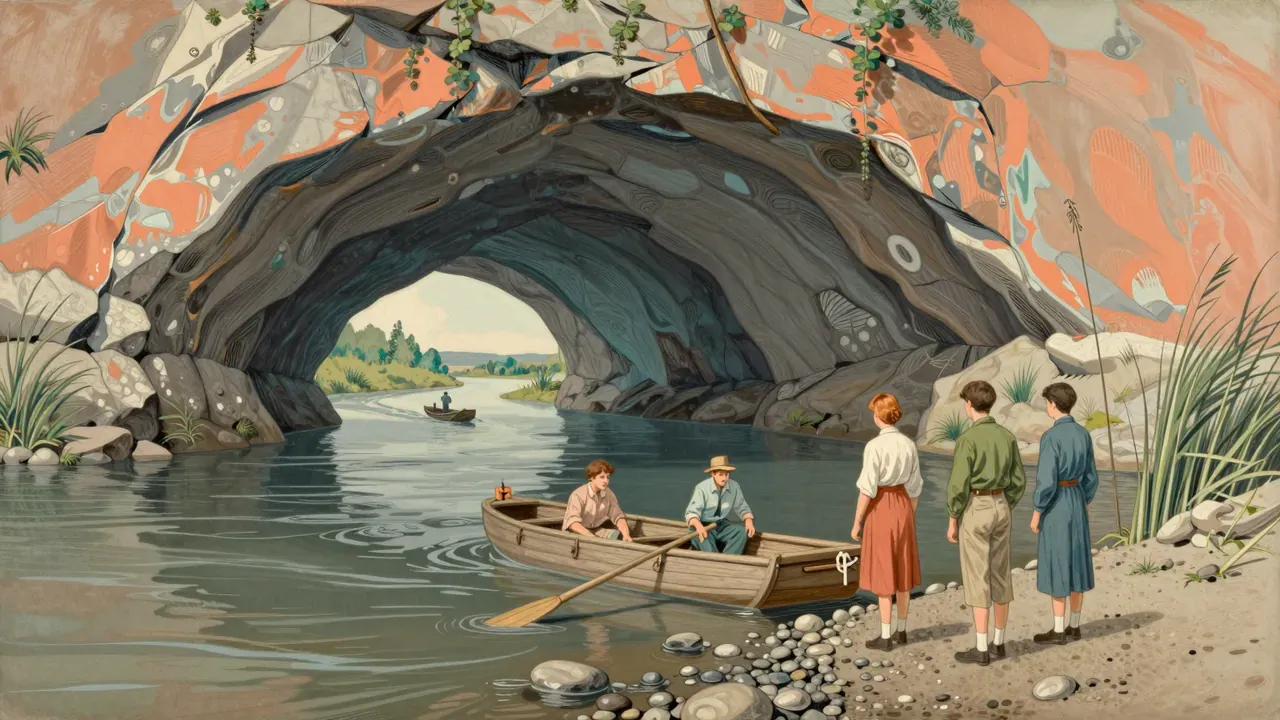
Journey to the Beginning of Time (1955) is a Czechoslovak science fiction film directed by Karel Zeman, in which four teenagers row up a river that carries them backward through geological time. Using a blend of live action, stop-motion, 2-D cut-outs, and studio sets—all inspired by palaeo-artist Zdeněk Burian—it illustrates prehistoric life with scientific rigour and visual coherence. The film avoids narrative convention in favour of pedagogical sequencing, treating epochs as habitats and observation as method. Though modest in budget and scope, its integration of craft, content, and calm authority makes it a landmark of cinematic science communication.

More from film

All briefs →
13:00

20th Century Women

Mike Mills · 2016

Set in 1979 Santa Barbara, Mike Mills’ 20th Century Women follows 15-year-old Jamie as his single mother Dorothea enlists two younger women — photographer Abbie and teenage friend Julie — to help raise him. Anchored by Annette Bening’s restrained performance, the film observes their overlapping lives with warmth and precision, treating feminism, illness, ageing and adolescence as lived conditions rather than themes. Shot by Sean Porter and edited by Leslie Jones, it moves at the pace of real conversation, building meaning through accumulation rather than climax.

13:00

24 Frames

Abbas Kiarostami · 2017

Abbas Kiarostami’s final film, 24 Frames, comprises twenty-four uncut, static shots — each ninety seconds long — observing nature, animals, and thresholds between interior and exterior. Beginning with animated movement superimposed on Bruegel’s Hunters in the Snow, it proceeds into real-world stillness, testing how much meaning resides in time, attention, and unmediated presence. Released posthumously at Cannes 2017, it is a rigorous, unsentimental essay on perception and impermanence.

13:00

3:10 to Yuma

Delmer Daves · 1957

Delmer Daves’ 1957 Western 3:10 to Yuma adapts Elmore Leonard’s taut short story into a study of obligation under pressure. Rancher Dan Evans agrees to escort outlaw Ben Wade to the 3:10 train for Yuma, facing ambush, betrayal, and his own wavering resolve. Shot by Charles Lawton Jr. with sun-bleached realism and scored sparingly by George Duning, the film builds suspense through pacing, performance, and moral granularity — not spectacle. It was preserved by the Library of Congress in 2012 for its cultural and aesthetic significance.

13:00

3 Women

Robert Altman · 1977

Robert Altman’s 1977 film 3 Women follows the uncanny merging of identities among a timid young woman, her garrulous roommate and a silent, pregnant artist in a sun-scorched California town. Built from a dream and shot with deliberate, unhurried precision, it uses repetition, reflection and improvisation to explore how selves are borrowed, performed and abandoned.