filmbriefs
Topic

Cooking

The daily technology, and the only one everybody practises.

3
in film
13:00
average
39 min
in total
178
across the network
Cooking across the network →
All briefs3
13:00

Tampopo

Jūzō Itami · 1985

Tampopo (1985), written and directed by Jūzō Itami, follows a widowed ramen-shop owner mentored by a trucker in her quest for culinary excellence. Framed as a 'noodle western', it interweaves this central story with vignettes exploring food, class, and desire across 1980s Tokyo. Shot on location with natural light by Masaki Tamura and edited by Akira Suzuki, it favours observation over exposition, craft over climax, and quiet resonance over narrative resolution.
13:00

The Secret of the Grain

Abdellatif Kechiche · 2007

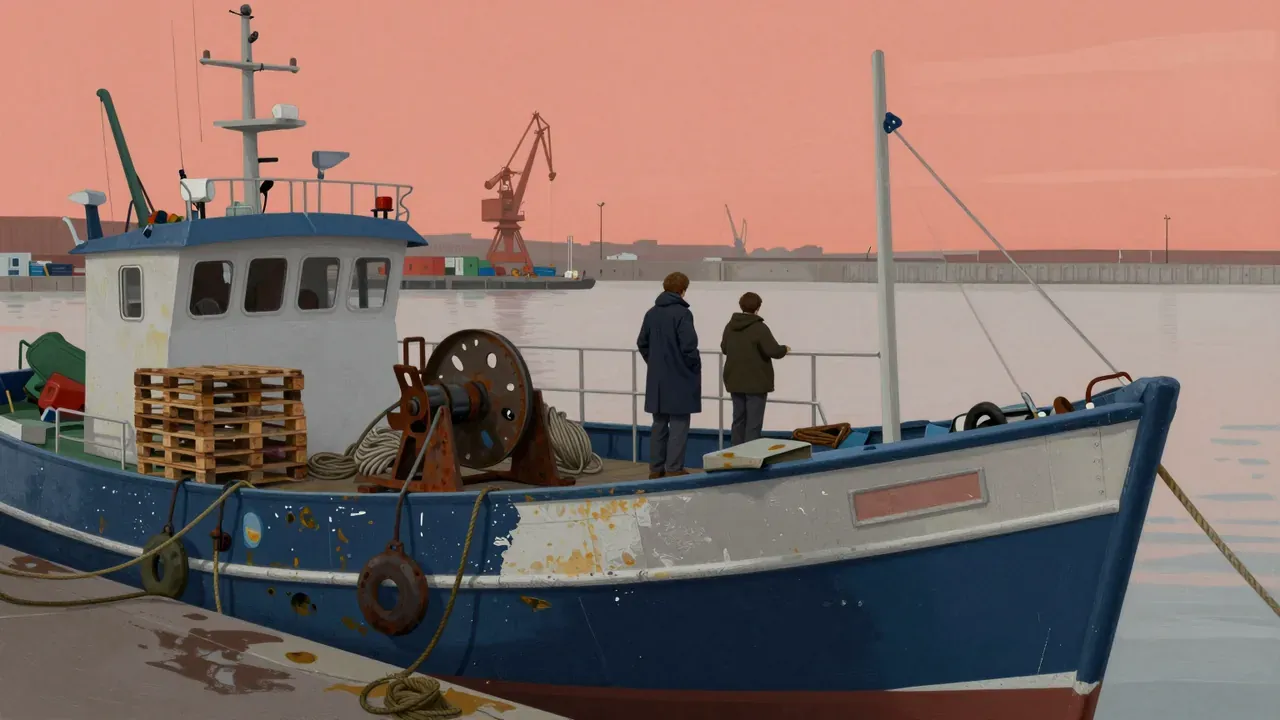
Abdellatif Kechiche’s 2007 drama follows Slimane Beiji, a Maghrebi shipyard worker in Sète, as he attempts to convert a derelict boat into a couscous restaurant for his extended Franco-Arab family. With no score, minimal exposition, and scenes that run long enough to feel lived-in, the film traces the rhythms of domestic labour, bureaucratic delay, and intergenerational care — culminating in a gala night derailed by absence, miscommunication, and a stolen motorbike.

13:00

Eat Drink Man Woman

Ang Lee · 1994

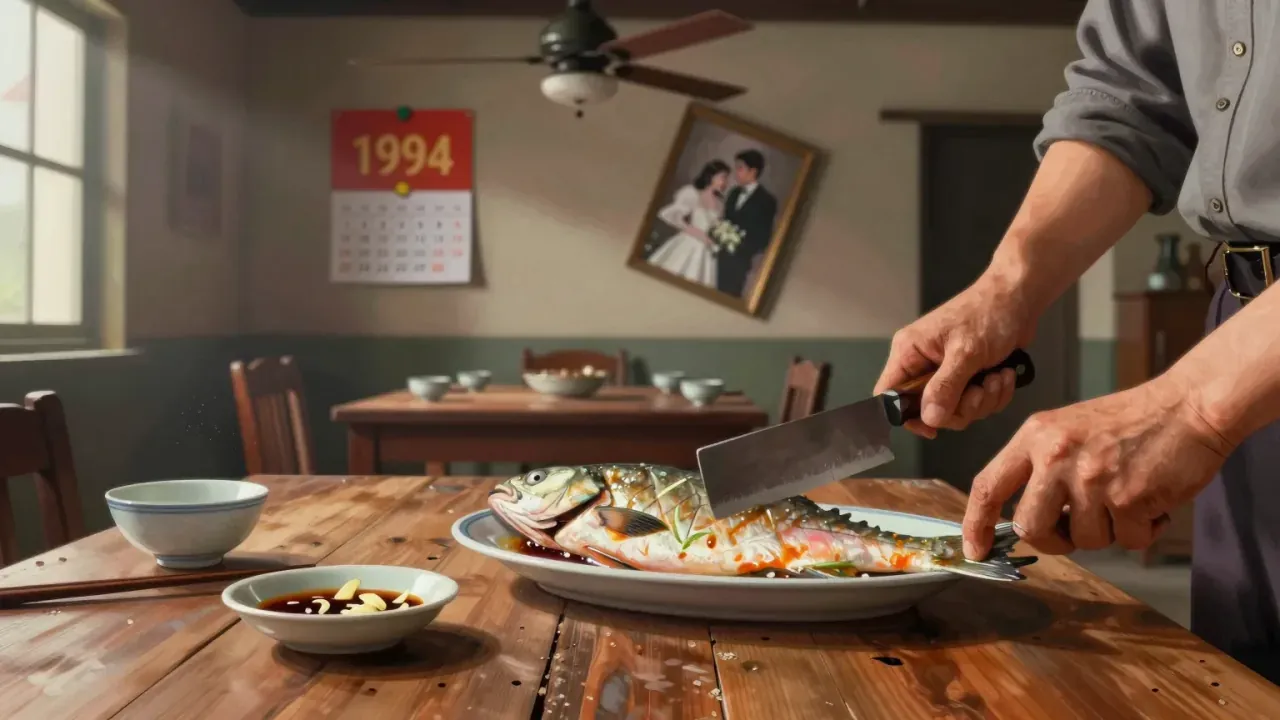
Set in 1990s Taipei, Eat Drink Man Woman follows Zhu, a retired chef and widower, and his three daughters as their weekly Sunday meals become the stage for shifting desires, unspoken tensions, and gradual reinvention. Directed by Ang Lee, the film treats food, faith, career, and love as interwoven strands of daily life — not symbols, but substances. Its strength lies in specificity: Mandarin dialogue, Taipei locations, culinary detail, and performances that resist caricature. While Jia-Ning’s storyline feels underdeveloped, the film’s emotional logic remains coherent and deeply humane.

More from film

All briefs →
13:00

20th Century Women

Mike Mills · 2016

Set in 1979 Santa Barbara, Mike Mills’ 20th Century Women follows 15-year-old Jamie as his single mother Dorothea enlists two younger women — photographer Abbie and teenage friend Julie — to help raise him. Anchored by Annette Bening’s restrained performance, the film observes their overlapping lives with warmth and precision, treating feminism, illness, ageing and adolescence as lived conditions rather than themes. Shot by Sean Porter and edited by Leslie Jones, it moves at the pace of real conversation, building meaning through accumulation rather than climax.

13:00

24 Frames

Abbas Kiarostami · 2017

Abbas Kiarostami’s final film, 24 Frames, comprises twenty-four uncut, static shots — each ninety seconds long — observing nature, animals, and thresholds between interior and exterior. Beginning with animated movement superimposed on Bruegel’s Hunters in the Snow, it proceeds into real-world stillness, testing how much meaning resides in time, attention, and unmediated presence. Released posthumously at Cannes 2017, it is a rigorous, unsentimental essay on perception and impermanence.

13:00

3:10 to Yuma

Delmer Daves · 1957

Delmer Daves’ 1957 Western 3:10 to Yuma adapts Elmore Leonard’s taut short story into a study of obligation under pressure. Rancher Dan Evans agrees to escort outlaw Ben Wade to the 3:10 train for Yuma, facing ambush, betrayal, and his own wavering resolve. Shot by Charles Lawton Jr. with sun-bleached realism and scored sparingly by George Duning, the film builds suspense through pacing, performance, and moral granularity — not spectacle. It was preserved by the Library of Congress in 2012 for its cultural and aesthetic significance.

13:00

3 Women

Robert Altman · 1977

Robert Altman’s 1977 film 3 Women follows the uncanny merging of identities among a timid young woman, her garrulous roommate and a silent, pregnant artist in a sun-scorched California town. Built from a dream and shot with deliberate, unhurried precision, it uses repetition, reflection and improvisation to explore how selves are borrowed, performed and abandoned.