filmbriefs
Topic

Consciousness

The one thing everybody has and nobody can explain.

6
in film
13:00
average
78 min
in total
16
across the network
Consciousness across the network →
All briefs6
13:00

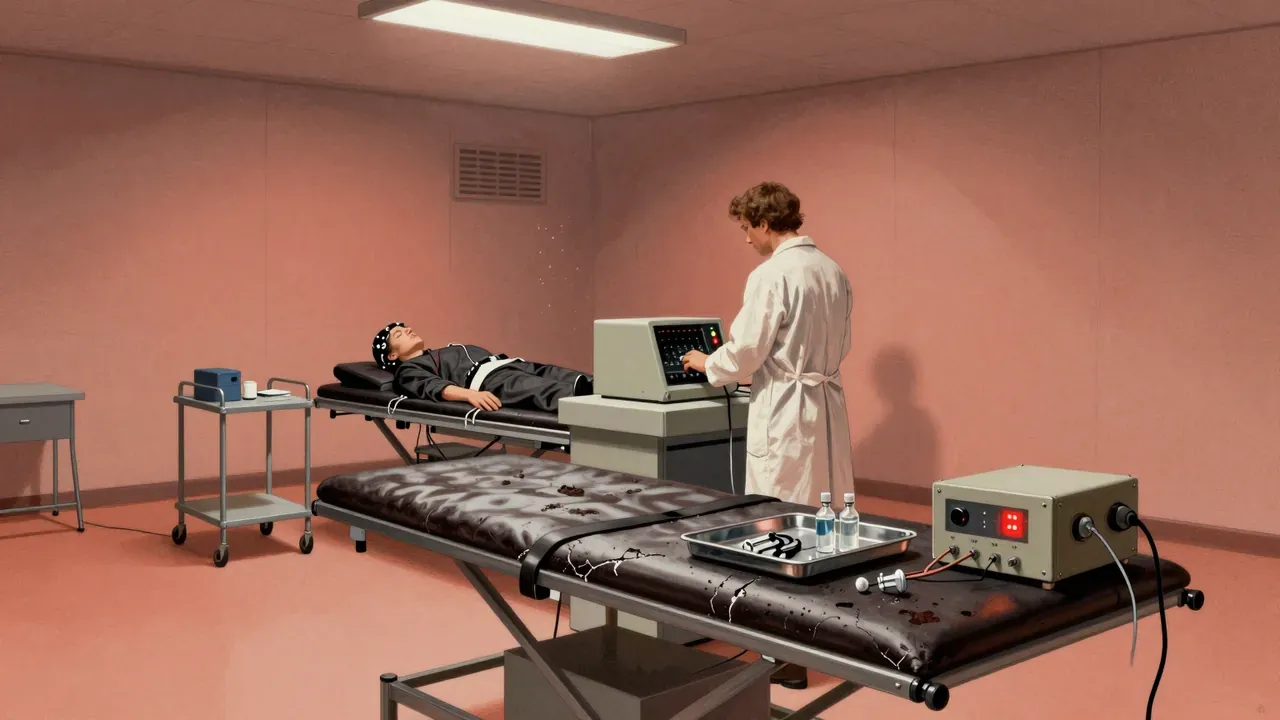
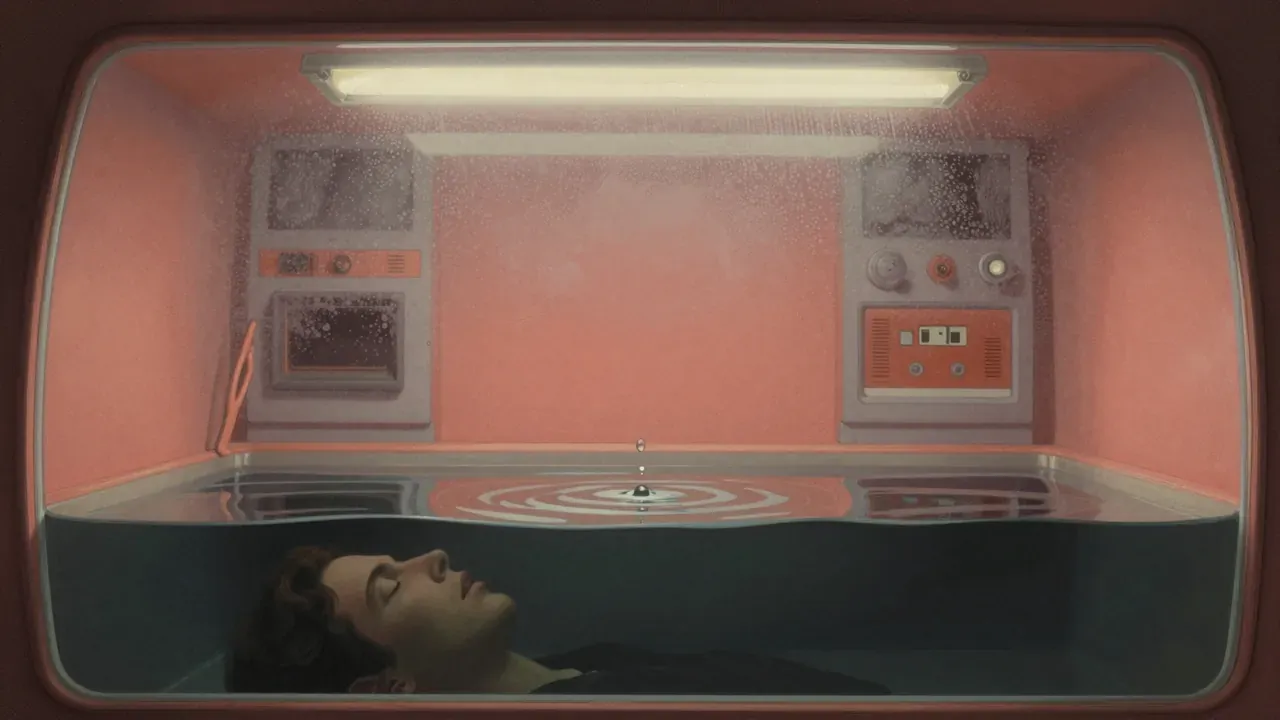
Altered States

Ken Russell · 1980

Altered States (1980), directed by Ken Russell from Paddy Chayefsky’s novel, follows a scientist whose experiments with sensory deprivation and psychoactive drugs trigger a terrifying biological regression. Anchored by William Hurt’s debut performance and Dick Smith’s groundbreaking makeup effects, it merges psychological horror with surrealist science fiction. Though marked by creative conflict between writer and director, the film endures as a formally audacious, physically immersive inquiry into consciousness, identity, and the fragility of the human form.

13:00

Being John Malkovich

Spike Jonze · 1999

Being John Malkovich (1999) is a surrealist comedy-drama written by Charlie Kaufman and directed by Spike Jonze. A down-on-his-luck puppeteer discovers a portal into actor John Malkovich’s mind, sparking a chain of ethical and existential complications among his wife, co-worker, and employer. With precise writing, restrained performances, and a singular conceptual rigour, it explores identity, desire, and control without resorting to explanation or sentiment.

13:00

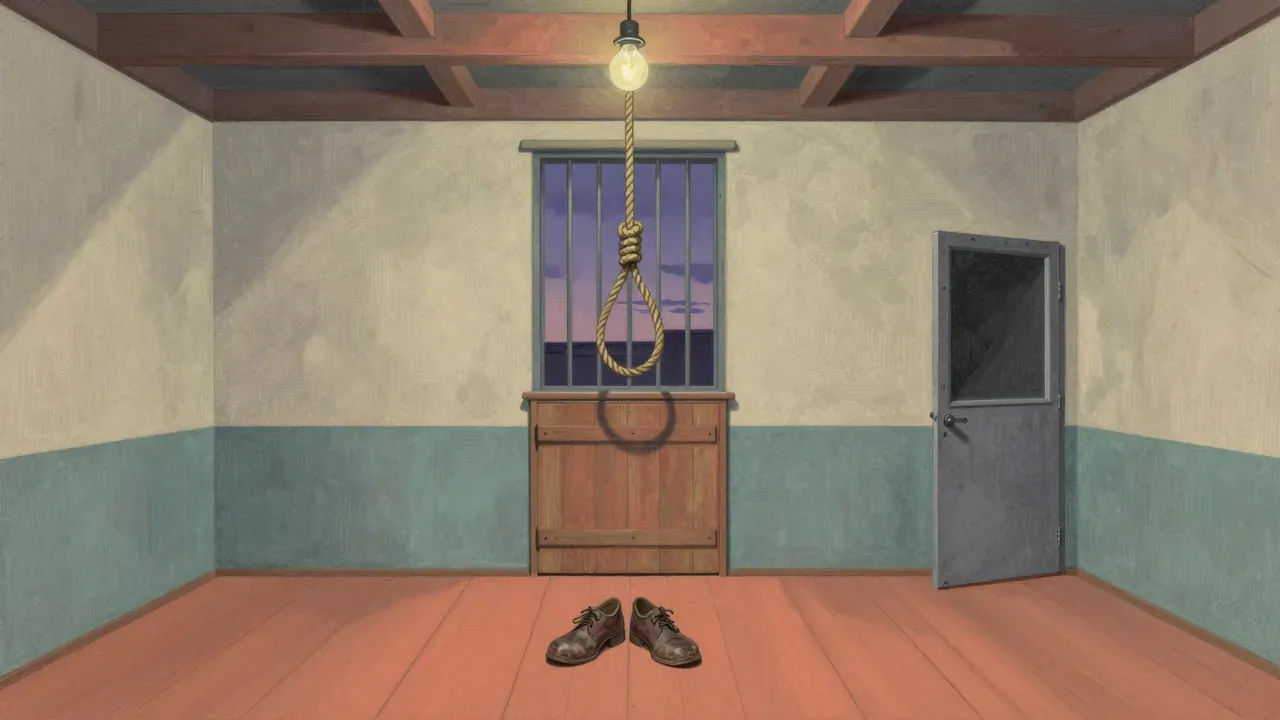
Death by Hanging

Nagisa Ōshima · 1968

Nagisa Ōshima’s 1968 film follows the botched hanging of an ethnic Korean man known only as R. When he survives but loses his memory, prison officials attempt to reconstruct his past — and his guilt — through increasingly absurd re-enactments. Using Brechtian techniques, stark staging and deliberate artifice, the film interrogates the death penalty not as a moral question but as a mechanism of racial and political control.

13:00

Scanners

David Cronenberg · 1981

David Cronenberg’s 1981 Canadian sci-fi thriller follows Cameron Vale, a scanner with uncontrollable telepathic abilities, as he is recruited by security firm ConSec to stop Darryl Revok, a rogue scanner waging psychic war. Shot in Montreal with industrial precision, the film uses its infamous head explosion not as shock for shock’s sake but as the logical endpoint of a world where minds have no boundaries. Its themes of cognitive permeability, pharmaceutical control, and corporate co-option of human evolution remain starkly relevant.

13:00

World on a Wire

Rainer Werner Fassbinder · 1973

Rainer Werner Fassbinder’s 1973 two-part television serial adapts Daniel F. Galouye’s Simulacron-3 as a cool, methodical inquiry into perception, memory, and institutional control. Set in a near-future West Germany indistinguishable from the present, it follows cyberneticist Fred Stiller as he uncovers layers of simulation — not as spectacle, but as bureaucratic fact. Shot on 16mm by Michael Ballhaus, scored sparsely by Gottfried Hüngsberg, and performed with deliberate restraint, it sustains a quiet, recursive unease across 210 minutes. Its power lies in accumulation, not climax: names disappear, people vanish, logic folds — all without fanfare.

13:00

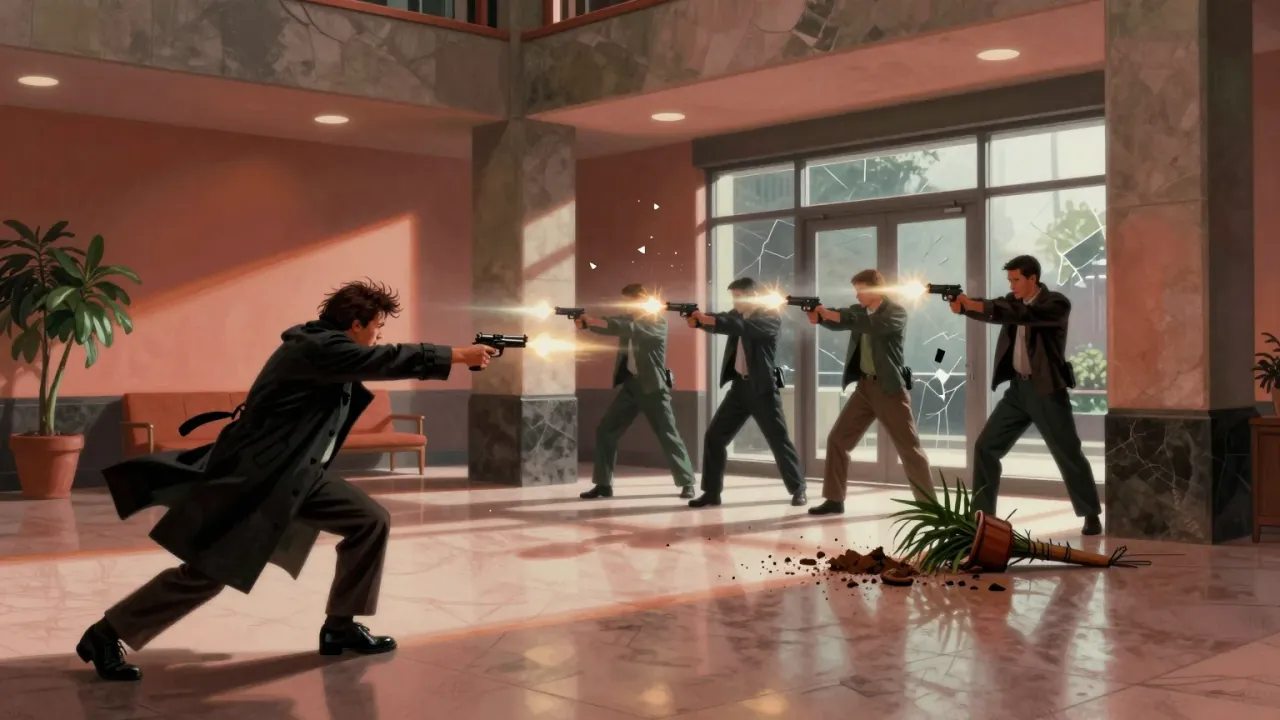
The Matrix

Lilly Wachowski · 1999

The Matrix is a 1999 science-fiction thriller directed by Lilly Wachowski, starring Keanu Reeves as Neo, a computer hacker who discovers reality is a machine-generated simulation. Guided by Morpheus (Laurence Fishburne) and Trinity (Carrie-Anne Moss), he joins a rebellion against sentient machines. Built on rigorous martial arts choreography, innovative visual effects including 'bullet time', and a green-tinged visual grammar, the film treats perception as infrastructure and freedom as embodied practice. It won four Academy Awards, including Best Visual Effects and Best Film Editing, and remains culturally resonant for its fusion of philosophy, action, and formal invention.