filmbriefs
Topic

Brazil

The largest experiment in mixing the world has run, still running.

6
in film
13:00
average
78 min
in total
43
across the network
Brazil across the network →
All briefs6
13:00

Black God, White Devil

Glauber Rocha · 1964

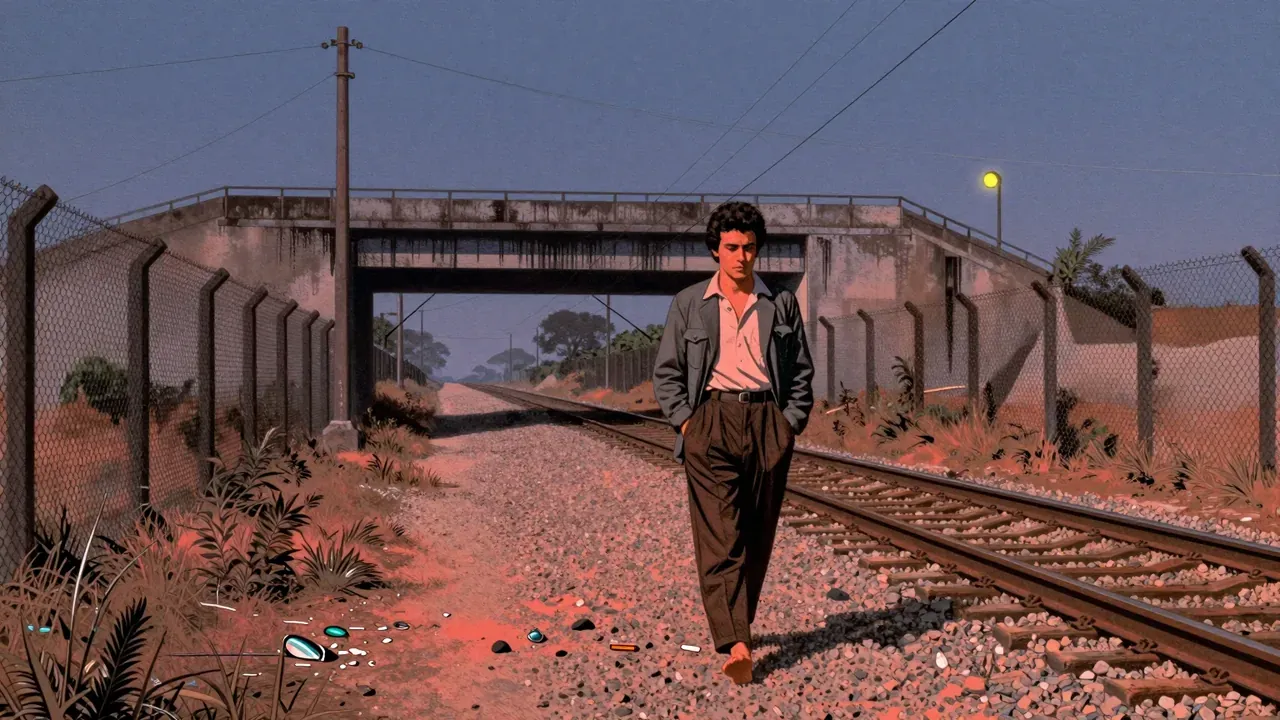
Glauber Rocha’s 1964 Black God, White Devil is a foundational Cinema Novo film set in Brazil’s drought-ravaged sertão. It follows a ranch hand and his wife as they flee, convert, join bandits, and flee again — never escaping cycles of violence sanctified by religion or revolution. Shot in stark black and white, edited by Rocha himself, and scored by Sérgio Ricardo, it treats myth and history as inseparable, and endurance as the only authentic political act.
13:00

Brazil

Terry Gilliam · 1985

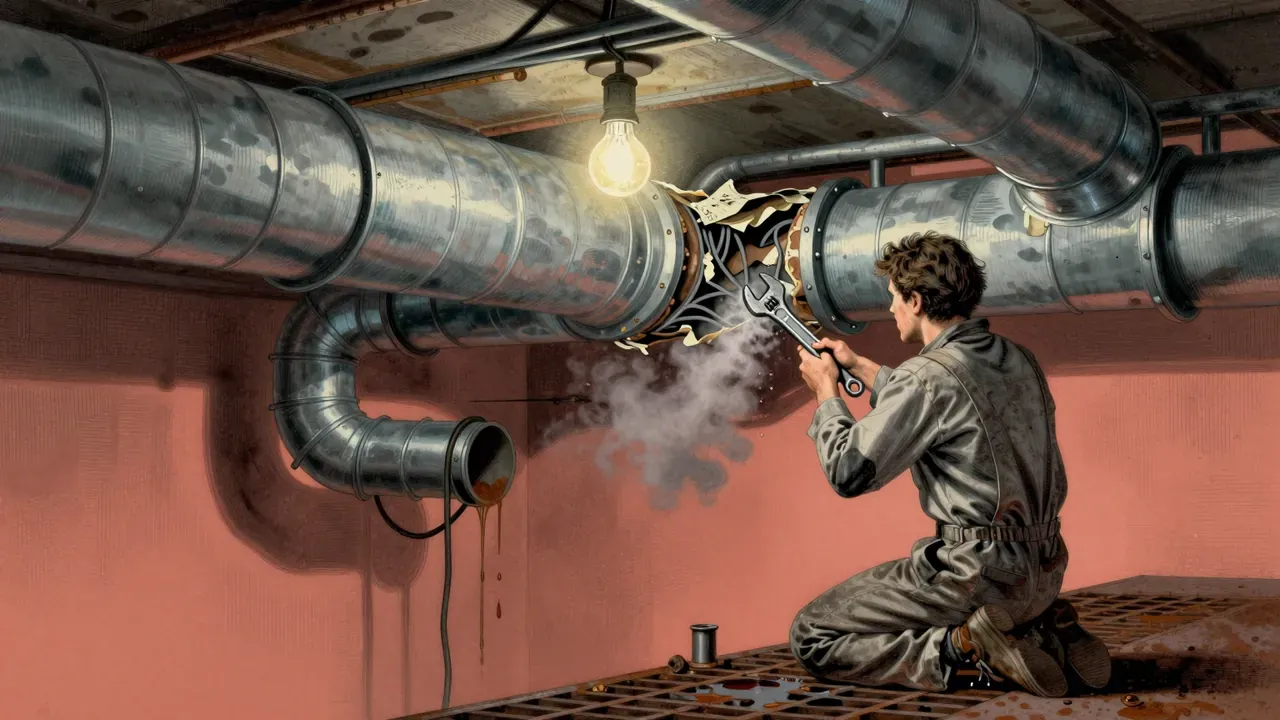
A 1985 dystopian satire directed by Terry Gilliam, Brazil follows Sam Lowry, a low-ranking bureaucrat in a decaying, anachronistic state, as he navigates absurd administrative logic, misfiled arrest warrants, and increasingly unstable fantasies. With Jonathan Pryce, Robert De Niro, Katherine Helmond and Michael Palin, it uses retro-futurist design, black comedy and Kafkaesque structure to dissect technocracy, surveillance and institutional incompetence — not as future threats, but as present habits dressed in tweed and duct tape.

13:00

Kiss of the Spider Woman

Héctor Babenco · 1985

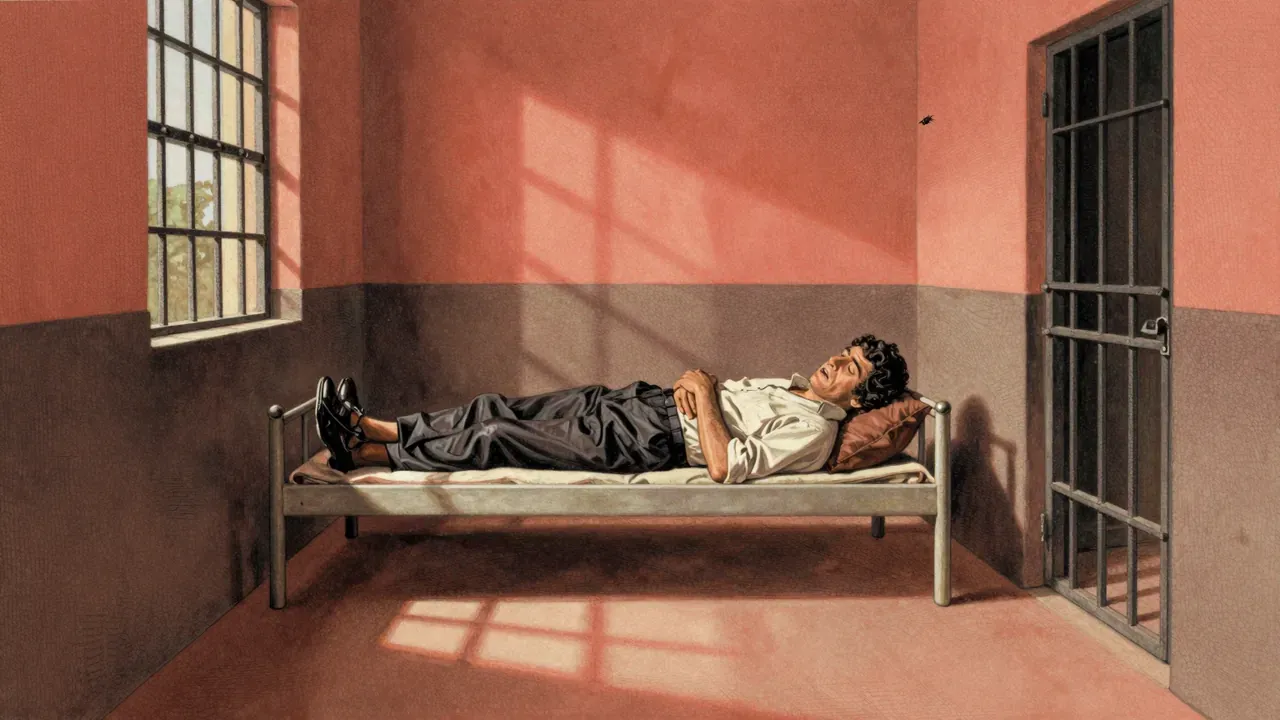
Héctor Babenco’s 1985 adaptation of Manuel Puig’s novel confines itself almost entirely to a Brazilian prison cell, where gay window-dresser Luis Molina (William Hurt) and revolutionary Valentin Arregui (Raul Julia) negotiate politics, desire, and survival through conversation and shared fantasy. Shot in São Paulo by Rodolfo Sánchez, with a tightly focused script by Leonard Schrader, it uses narrative as both shield and probe — Molina’s retelling of a Nazi-era melodrama mirroring the tensions between illusion and coercion, intimacy and control. Hurt won the Academy Award for Best Actor; the film remains a benchmark of restrained, actor-led drama.

13:00

Pixote

Héctor Babenco · 1980

A 1980 Brazilian crime drama directed by Héctor Babenco, based on José Louzeiro’s non-fiction book. It follows Pixote, a ten-year-old boy navigating juvenile detention, street crime, and exploitation in São Paulo and Rio. Cast largely with non-professionals whose lives mirrored their roles, it uses documentary-like methods to depict systemic abandonment without moral framing or narrative relief.

13:00

The Secret Agent

Kleber Mendonça Filho · 2025

Kleber Mendonça Filho’s The Secret Agent is a Portuguese-language historical political thriller set in Recife during Brazil’s military dictatorship. Starring Wagner Moura as Armando, a former professor evading persecution, it traces his movements through carnival crowds, bureaucratic offices and dissident networks—all while a severed leg found in a shark becomes a media smokescreen for state violence. Shot on location with 1970s-inspired cinematography and edited for procedural realism, the film prioritises texture over exposition, embedding its politics in infrastructure, sound and silence.

13:00

Black Orpheus

Marcel Camus · 1959

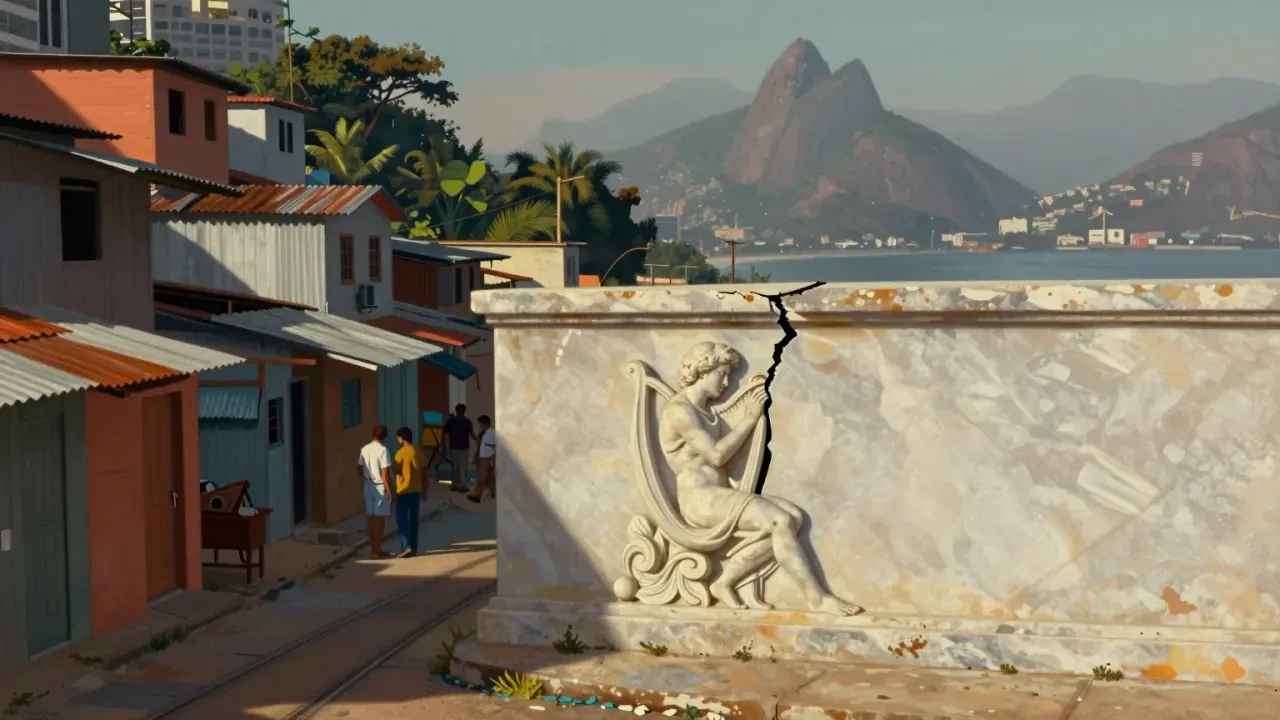
Black Orpheus (1959) transplants the Orpheus and Eurydice myth to Rio de Janeiro’s Carnaval, filmed on location in Morro da Babilônia with non-professional actors. Directed by Marcel Camus and scored by Luiz Bonfá and Antônio Carlos Jobim, it won the Palme d’Or and the Academy Award for Best International Feature Film. Though celebrated for its visual and musical vitality, it has been criticised—especially in Brazil—for reducing Afro-Brazilian life to aestheticised spectacle, sidelining social reality for mythic form.