filmbriefs
Topic

The American Revolution

A colonial tax dispute that became a founding argument.

7
in film
13:00
average
91 min
in total
19
across the network
The American Revolution across the network →
All briefs7
13:00

Ace in the Hole

Billy Wilder · 1951

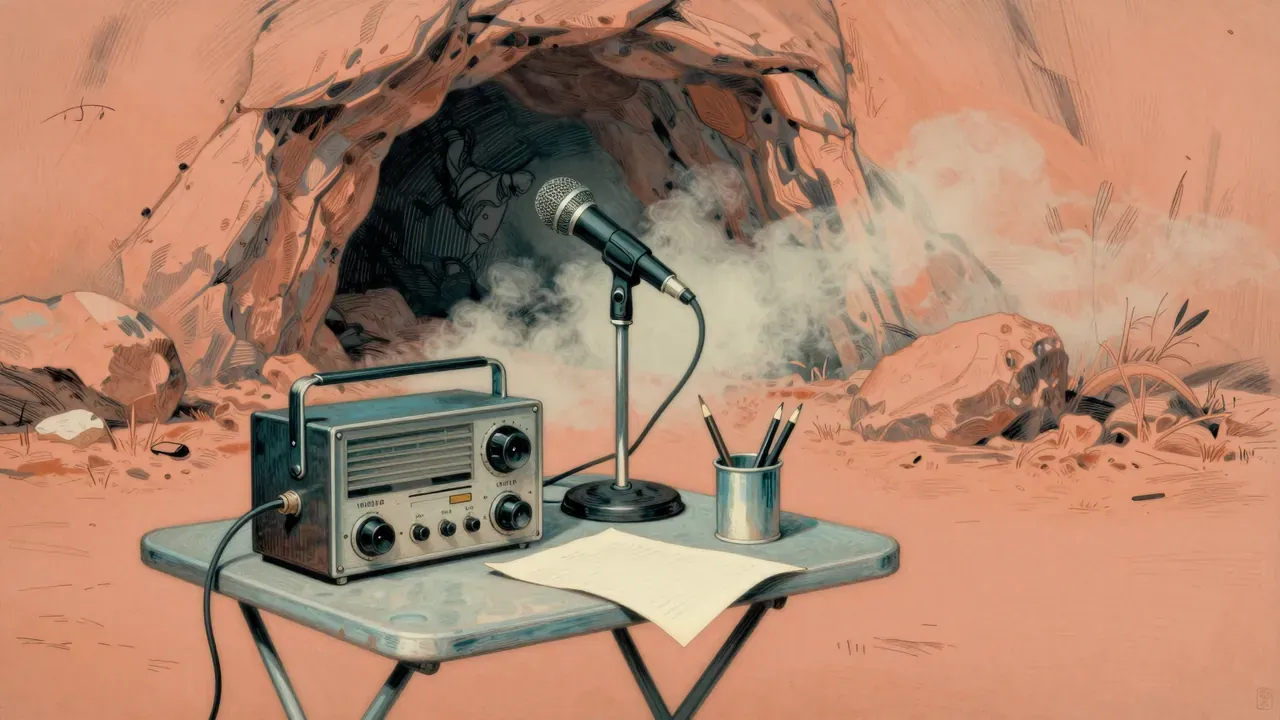
Billy Wilder’s 1951 drama follows a disgraced reporter who manipulates a cave rescue into a week-long media circus in rural New Mexico. With Kirk Douglas as the ruthlessly pragmatic Chuck Tatum, the film charts the incremental erosion of ethics across journalism, law enforcement, and community—treating truth as a negotiable resource rather than a principle. Shot by Charles Lang and edited by Arthur P. Schmidt, it remains stark, unsentimental, and structurally rigorous.
13:00

Downhill Racer

Michael Ritchie · 1969

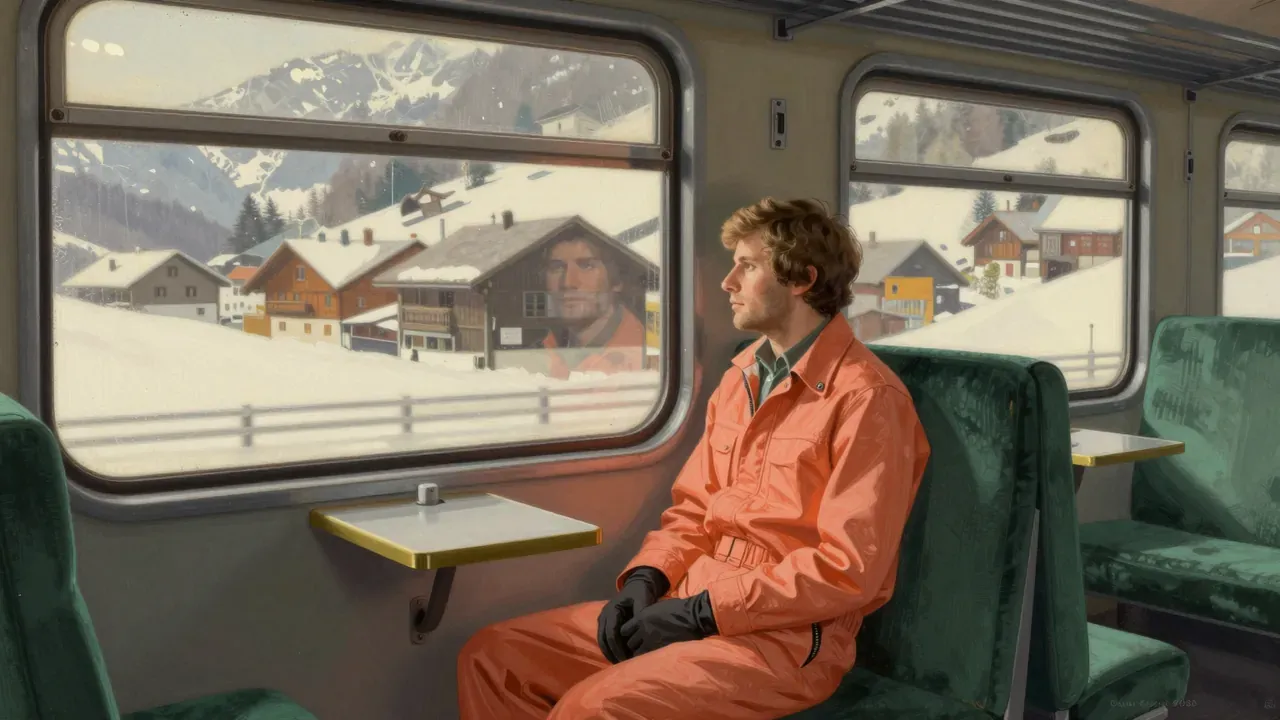
Michael Ritchie’s 1969 debut follows American downhill skier David Chappellet — played by Robert Redford — as he joins the U.S. Ski Team in Europe. Written by James Salter and shot on real World Cup courses, the film avoids sports-movie tropes: no training montages, no last-minute comebacks, no emotional breakthroughs. Instead, it observes Chappellet’s unyielding self-containment — his victories, silences, and failures — with clinical precision. Brian Probyn’s cinematography and Kenyon Hopkins’ sparse score reinforce its austere tone. It is less about skiing than about the cost of treating excellence as a solitary metric.

13:00

Fear and Loathing in Las Vegas

Terry Gilliam · 1998

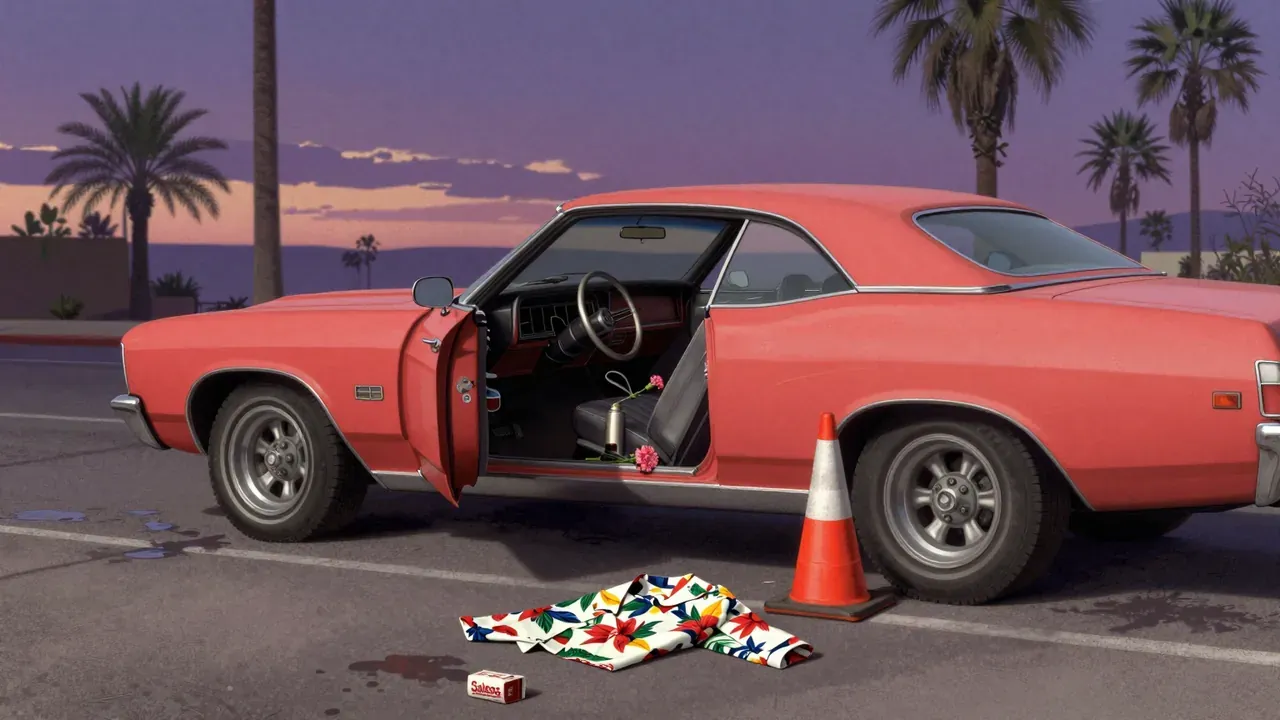
Terry Gilliam’s 1998 adaptation of Hunter S. Thompson’s Fear and Loathing in Las Vegas commits fully to the novel’s hallucinatory logic and period specificity. Starring Johnny Depp and Benicio del Toro as Raoul Duke and Dr. Gonzo, it charts their chemically accelerated descent through Las Vegas in 1971 — less a story than a sensory and moral autopsy of a fraying American dream. The film’s craft serves immersion over clarity, its themes revolve around eroded reality and institutional decay, and its value lies in fidelity, not comfort.

13:00

Old Joy

Kelly Reichardt · 2006

Kelly Reichardt’s 2006 debut follows two old friends, Mark and Kurt, on an overnight camping trip to Bagby Hot Springs in Oregon. Mark is settling into domestic life and impending fatherhood; Kurt remains rootless, spiritually adrift. Their conversation circles shared history and unspoken distance, culminating not in reconciliation but in quiet, mutual departure. Shot on a $30,000 budget, the film relies on understated performances, natural light, and ambient sound to trace the subtle erosion of intimacy across divergent adult paths.

13:00

Wild 90

Norman Mailer · 1968

Norman Mailer’s Wild 90 (1968) is a black-and-white, 16mm experimental film shot over four nights in a Lower Manhattan apartment. Mailer, Mickey Knox, and Buzz Farbar improvise as gangster avatars, armed with props and liquor, their dialogue unscripted and heavily profane. D. A. Pennebaker’s cinematography is direct and unadorned; a technical flaw left a quarter of the soundtrack muffled — a choice Mailer preserved. Edited from 150 minutes to 90, the film rejects narrative, polish, and coherence in favour of raw, durational performance. Critically panned on release, it stands as a singular, abrasive document of Mailer’s cinematic ambition — less a story than a test of attention.

13:00

Force of Evil

Abraham Polonsky · 1948

Abraham Polonsky’s 1948 Force of Evil follows lawyer Joe Morse as he helps gangster Ben Tucker rig the numbers racket in New York, only to confront the human cost when his brother Leo is drawn in. Shot by George Barnes and scored by David Raksin, it is a tightly wound, linguistically dense crime film that treats corruption as arithmetic and kinship as collateral. Preserved in the US National Film Registry, it remains a benchmark of film noir’s intellectual rigour.

13:00

Sweet Smell of Success

Alexander Mackendrick · 1957

Sweet Smell of Success (1957) is a tightly wound New York drama about a press agent’s moral collapse under the influence of a ruthless columnist. Directed by Alexander Mackendrick, with a screenplay restructured by Clifford Odets and Ernest Lehman, it stars Burt Lancaster and Tony Curtis in career-defining roles. James Wong Howe’s high-contrast cinematography and Elmer Bernstein’s jagged score deepen its portrait of media power as systemic, not personal. Though commercially unsuccessful on release, it is now regarded as a landmark of American cinema—culturally preserved, critically revered, and formally uncompromising.