filmbriefs
Topic

Slavery

The institution the modern economy was partly built on.

5
in film
13:00
average
65 min
in total
35
across the network
Slavery across the network →
All briefs5
13:00

Buck and the Preacher

Sidney Poitier · 1972

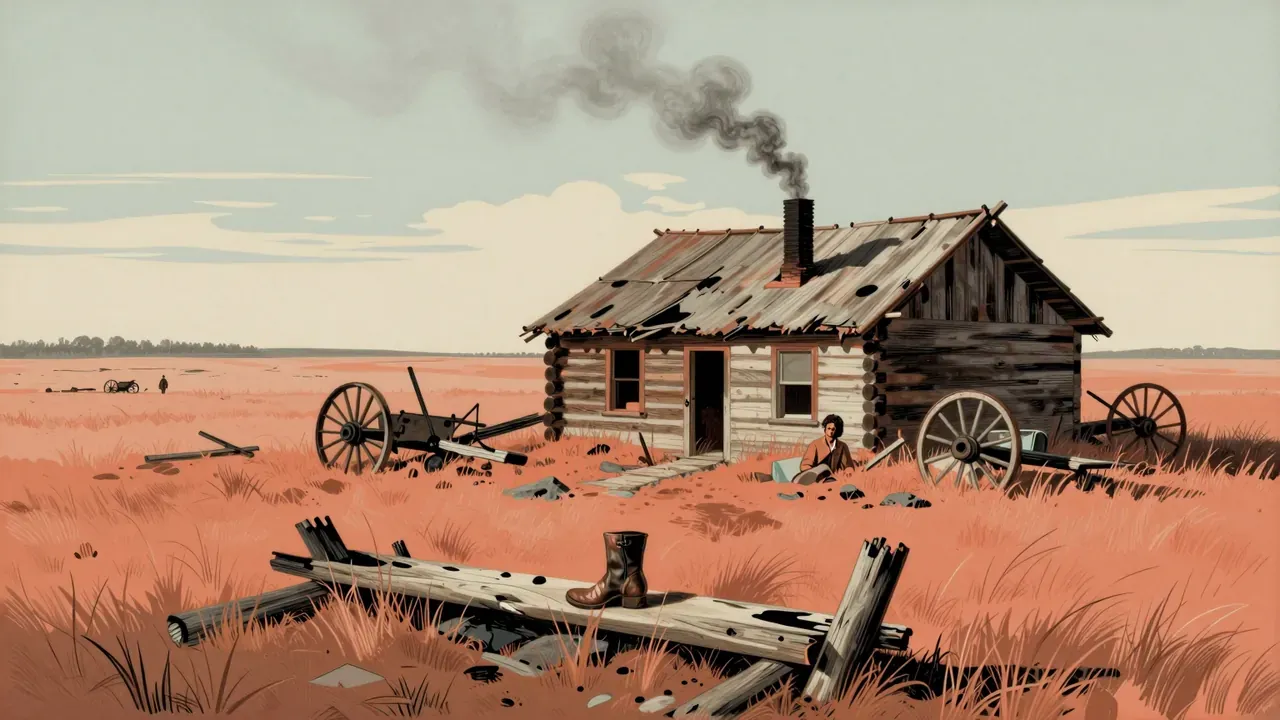
Sidney Poitier’s 1972 directorial debut Buck and the Preacher recasts the Western around the Exoduster movement: Buck (Poitier) leads freed people westward, negotiates with Native Americans for safe passage, and allies with the sharp-tongued Reverend Rutherford (Harry Belafonte) to evade white marauders. Shot in Mexico and Kenya, with cinematography by Alex Phillips Jr. and music by Benny Carter, it balances action with quiet realism — prioritising collective survival over individual legend. Though its villains lack nuance and some plot devices feel functional, its commitment to Black self-determination, material history, and genre reclamation remains potent.
13:00

Ride with the Devil

Ang Lee · 1999

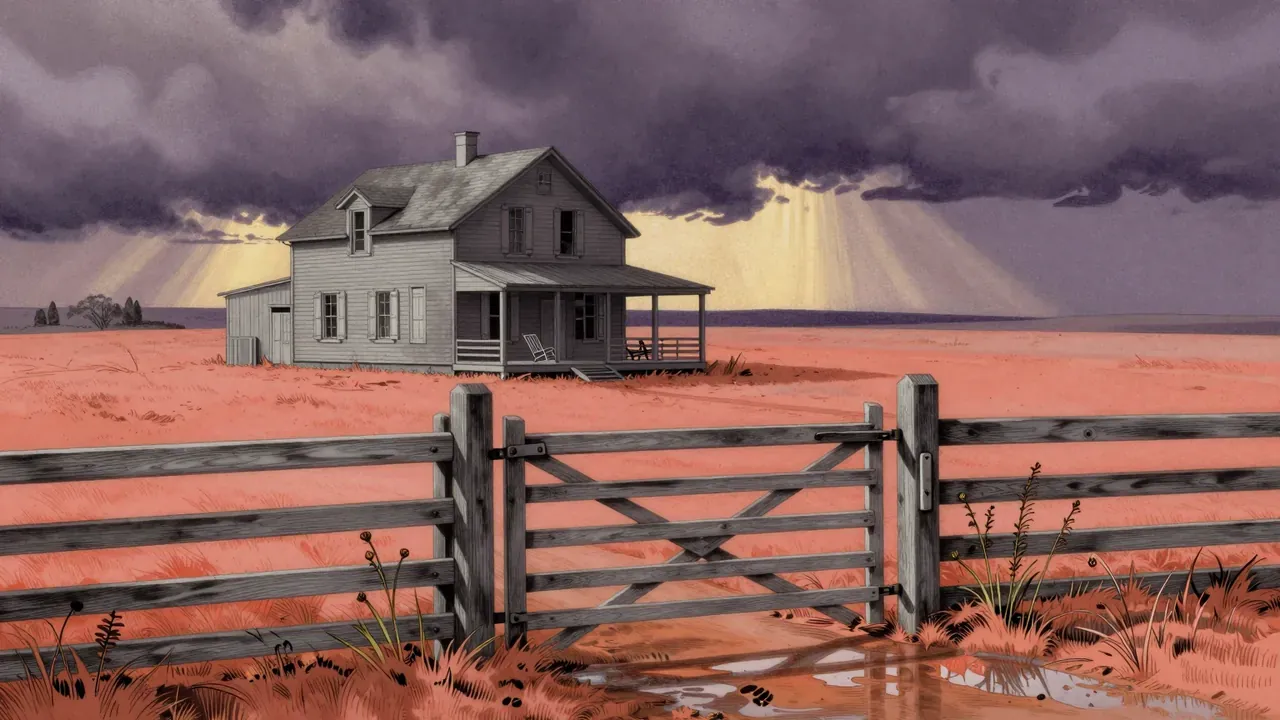
Ang Lee’s 1999 film Ride with the Devil follows young Missouri bushwhackers during the Civil War, adapting Daniel Woodrell’s novel with deliberate slowness and minimal exposition. Shot by Frederick Elmes and written by James Schamus, it foregrounds domestic endurance over battlefield drama, treating violence as rupture rather than climax. Its themes — loyalty, freedom, gendered labour, and the weight of time — emerge through gesture and silence, not speech. Though commercially overlooked and structurally demanding, it remains a singular, unhurried portrait of war’s human residue.

13:00

Sansho the Bailiff

Kenji Mizoguchi · 1954

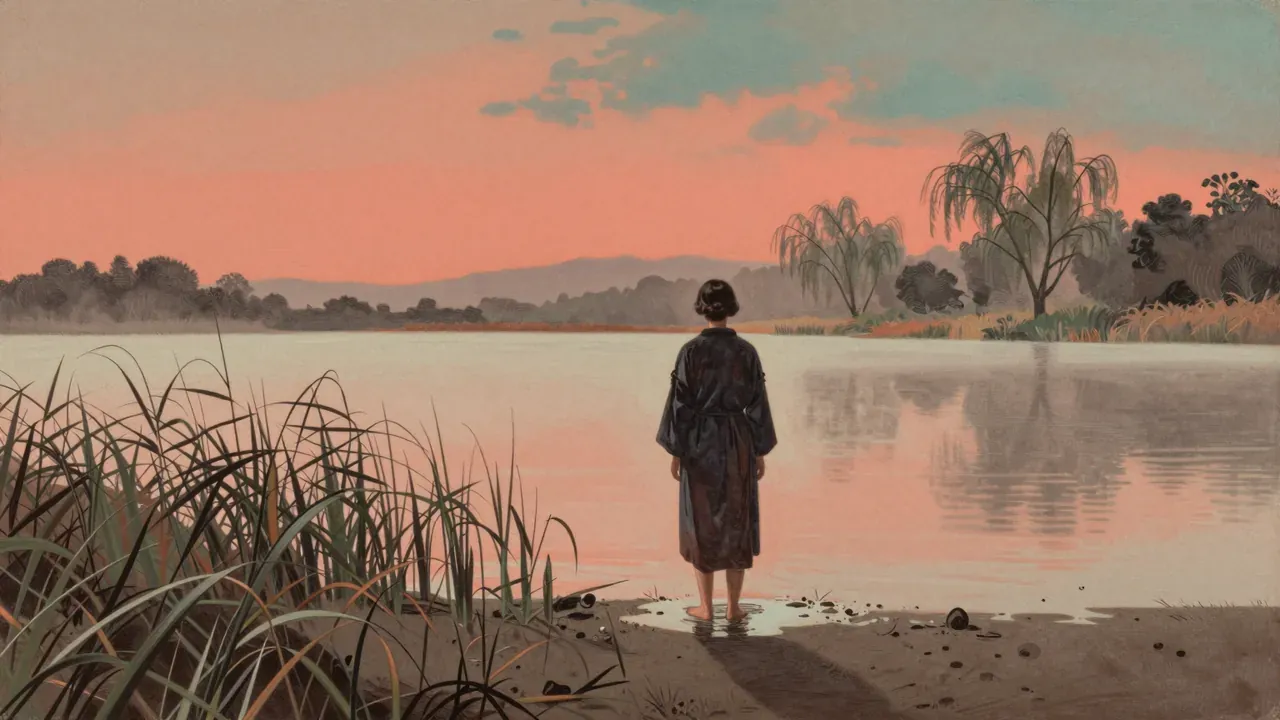
Kenji Mizoguchi’s 1954 jidai-geki follows two siblings sold into slavery after their father’s exile. Anchored by Kazuo Miyagawa’s deep-focus long takes and Fumio Hayasaka’s sparse score, it traces Zushiō’s moral fracture and slow reassembly around his father’s injunction: 'Without mercy, man is like a beast.' Its power resides in physical precision — a statuette’s grooves, a lake’s surface, a mother’s blind fingers — not exposition or catharsis.

13:00

Spartacus

Stanley Kubrick · 1960

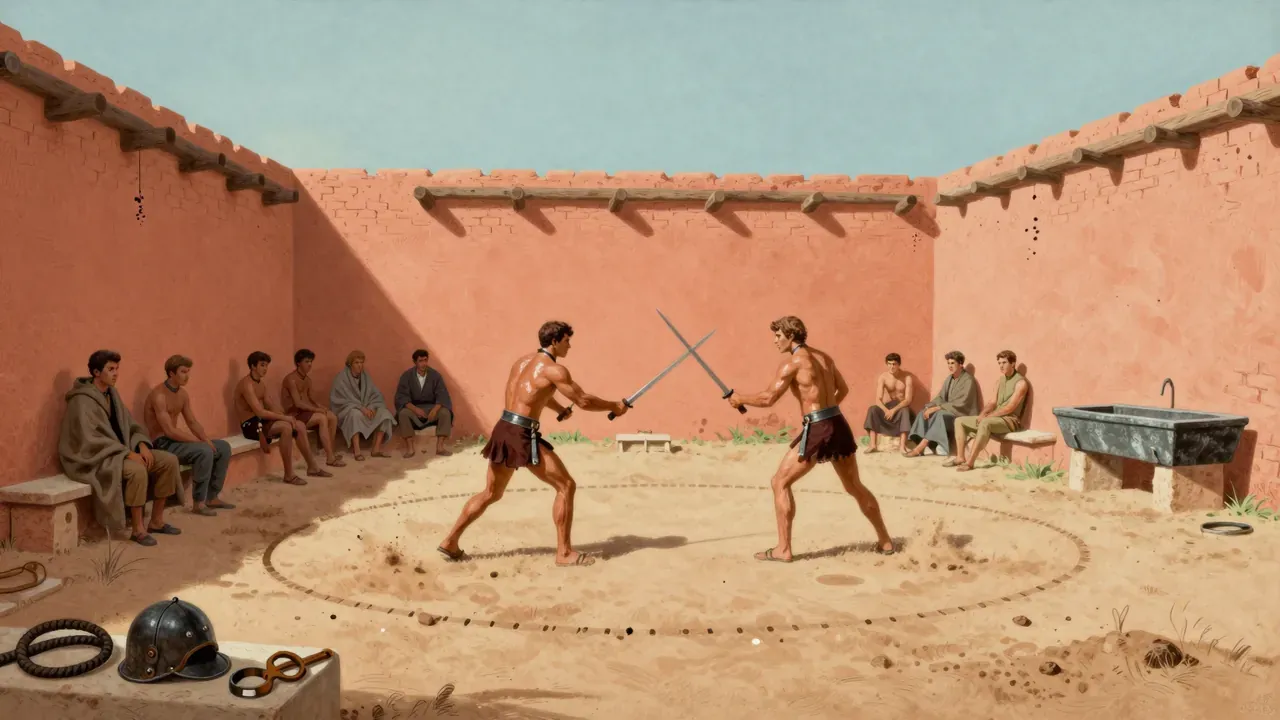
Stanley Kubrick’s 1960 Spartacus adapts Howard Fast’s novel via Dalton Trumbo’s blacklisted script, telling the story of a slave revolt not as myth but as moral architecture. Kirk Douglas stars as Spartacus, with Laurence Olivier, Peter Ustinov, and Jean Simmons in key roles. Shot across California locations including Hearst Castle and Wildwood Park, its Oscar-winning art direction and cinematography render Rome as a study in hierarchy — accent, space, and light all coded by class. Though structurally uneven and romantically thin, its enduring power lies in its deliberate, collective gaze and the historic courage of its authorship.

13:00

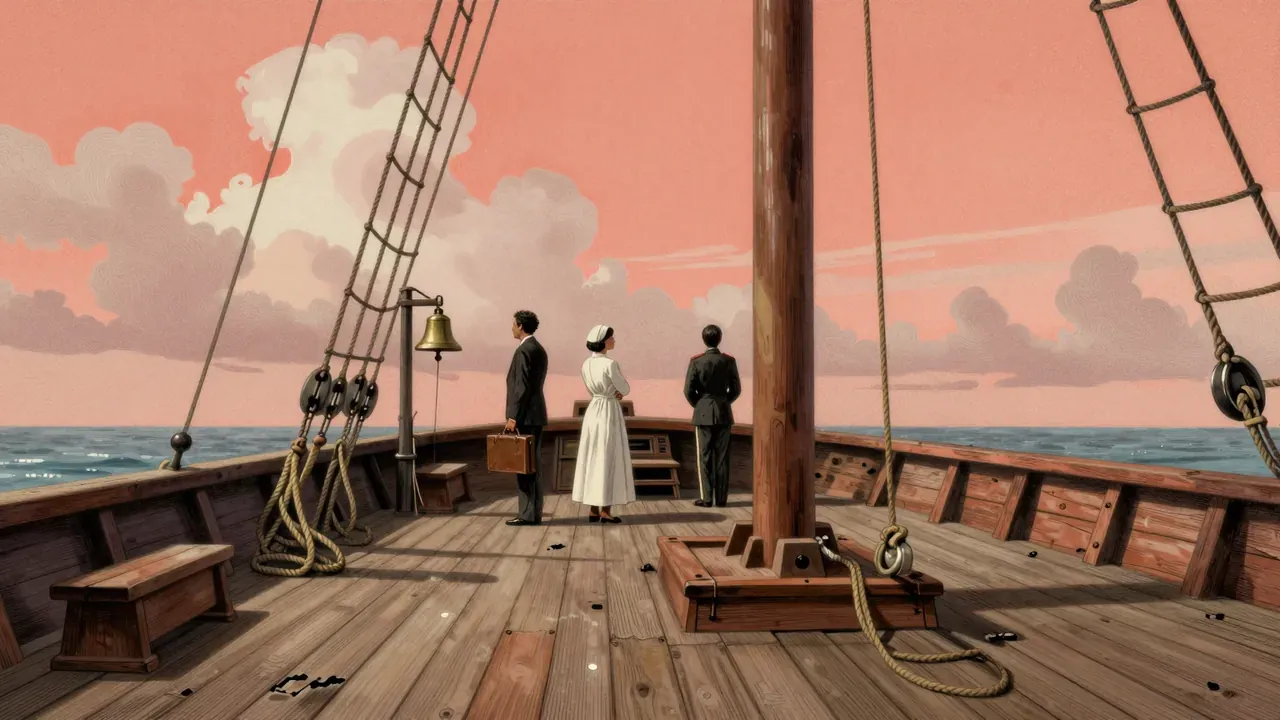
West Indies

Med Hondo · 1979

Med Hondo’s West Indies (1979) is a French-language arthouse drama filmed in Mauritania. Adapted from Daniel Boukman’s play Les négriers, it stages the transatlantic slave trade aboard a ship that doubles as theatre, using song, satire, and Brechtian technique to expose the administrative, theological, and linguistic scaffolding of French imperialism. Starring Fernand Berset, Roland Bertin, Gérard Bloncourt, Toto Bissainthe, and Hélène Vincent, it rejects historical realism in favour of forensic allegory.