filmbriefs
Topic

The seventies

Oil shocks, bad economics and an extraordinary run of records.

4
in film
13:00
average
52 min
in total
52
across the network
The seventies across the network →
All briefs4
13:00

Cold Water

Olivier Assayas · 1994

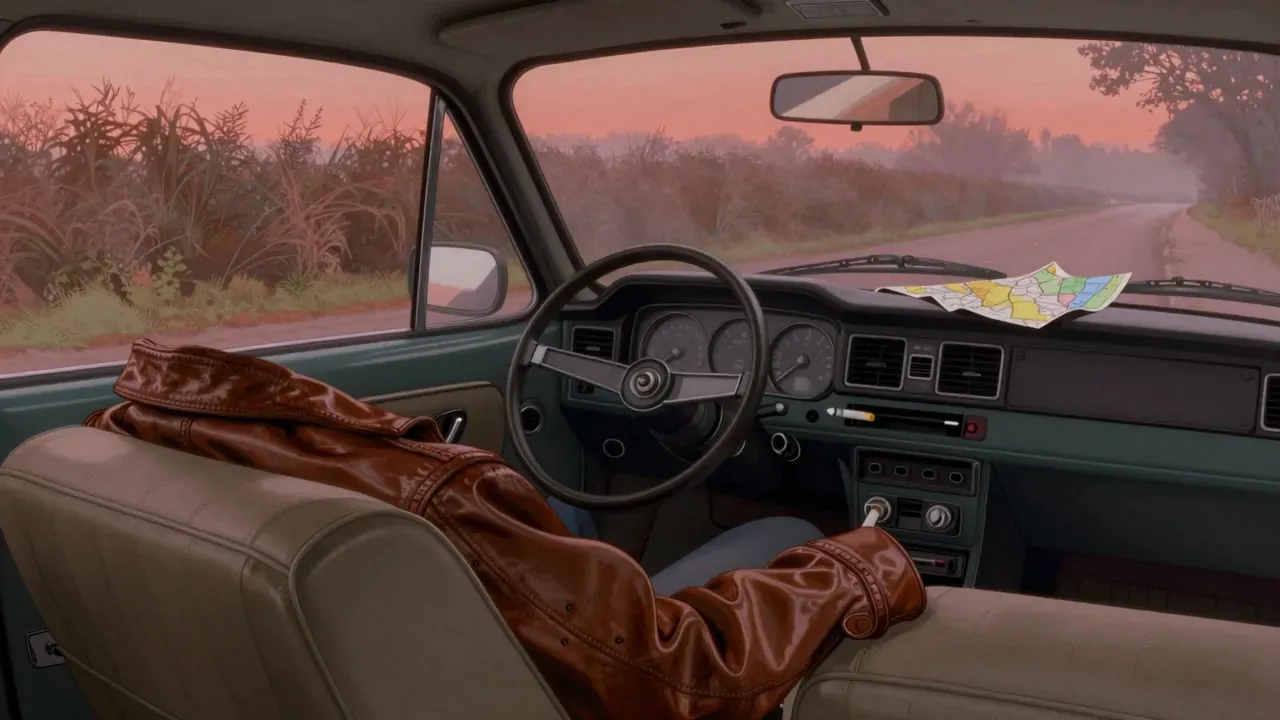
Olivier Assayas’s 1994 drama Cold Water follows two French teenagers—Christine and Gilles—as they flee unstable homes and converge at an all-night party in an abandoned country house. Set in the early 1970s and scored entirely with period American rock, the film immerses itself in the physicality of youth: smoke, sweat, vinyl crackle, and unspoken understanding. Shot by Denis Lenoir and edited by Luc Barnier, it favours duration and texture over exposition. Though its ending falters in abstraction, its middle section remains a masterclass in atmospheric storytelling—quietly political, deeply sensory, and resolutely unsentimental.
13:00

Dazed and Confused

Richard Linklater · 1993

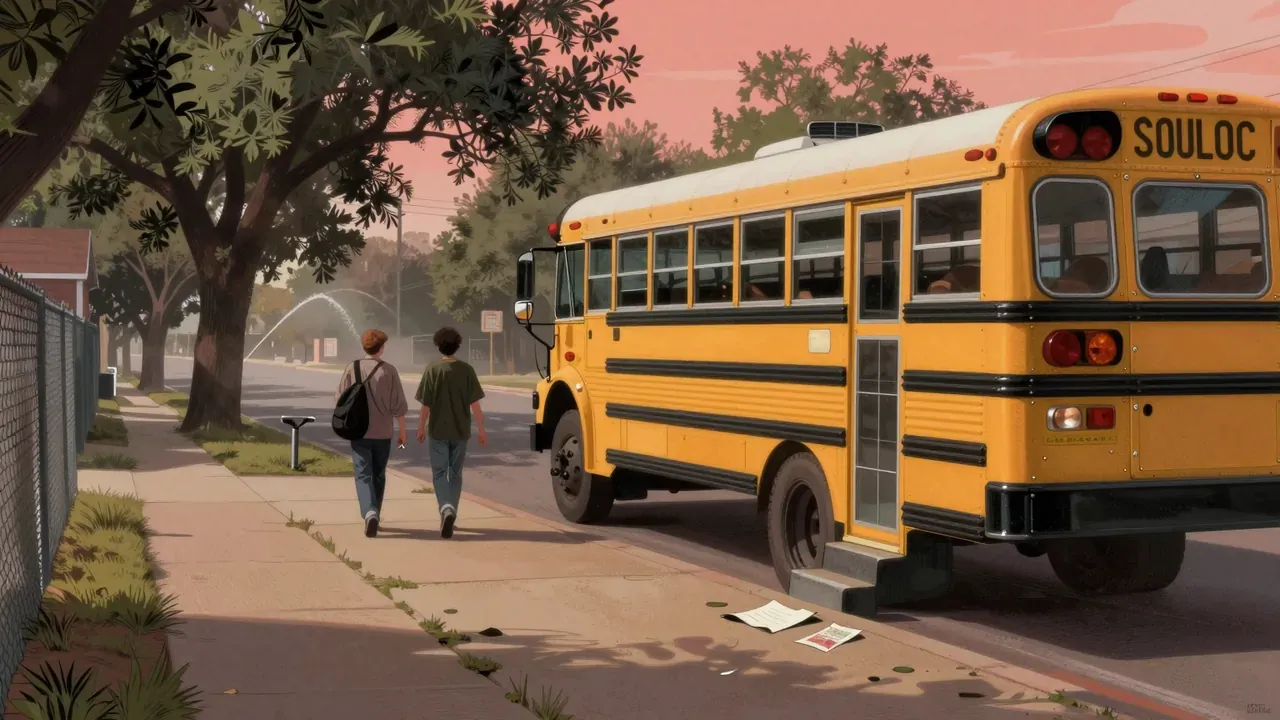
Richard Linklater’s 1993 ensemble comedy follows a group of Texas teenagers on the last day of school in 1976. With no central plot or protagonist, it builds meaning through accumulation: hazing rituals, car cruises, pool-hall loitering, and overlapping conversations. Shot on location in Austin with an ensemble of then-unknown actors, it prioritises texture over narrative, using Lee Daniel’s naturalistic cinematography, Alan Silvestri’s diegetic-heavy score, and improvised performances to evoke adolescent stasis rather than growth. Though commercially muted on release, it has since become a defining cult film of the 1990s.

13:00

Jubilee

Derek Jarman · 1978

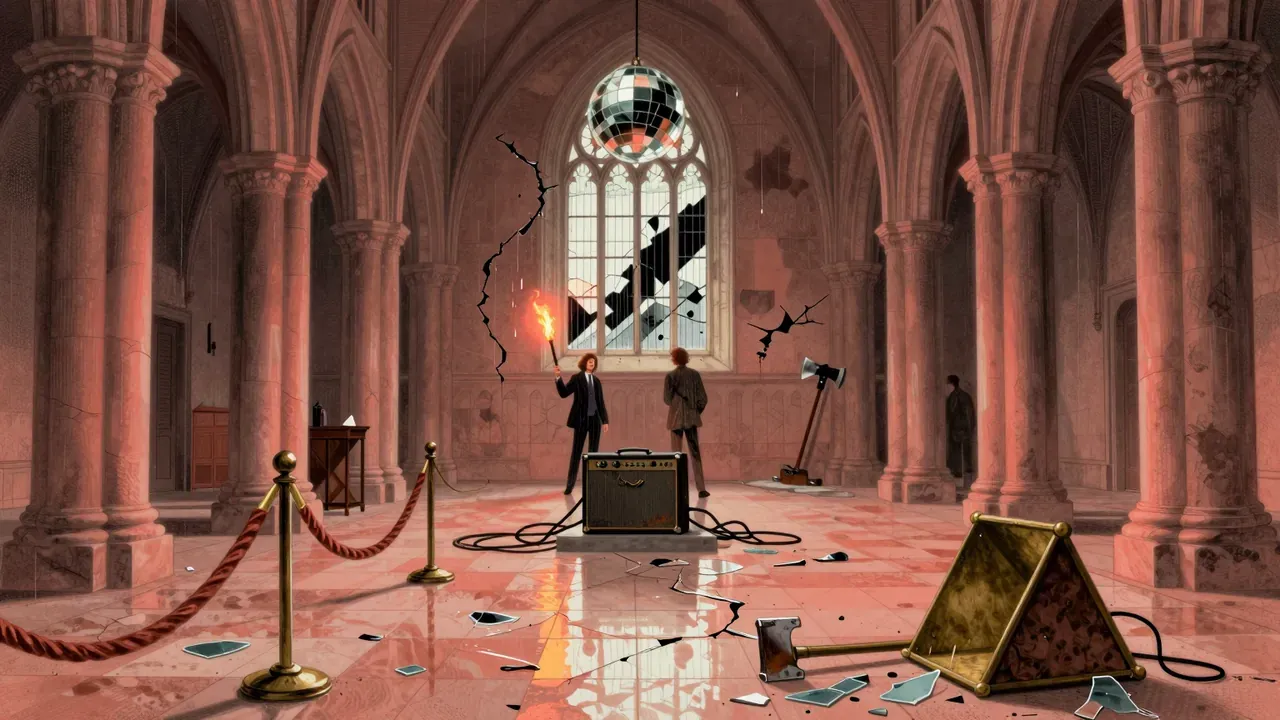
Derek Jarman’s 1978 Jubilee transplants Queen Elizabeth I into a decaying, punk-saturated 1970s London. Shot on location in Blitz-damaged neighbourhoods, it follows a nihilistic gang—Amyl Nitrate, Bod, Chaos, Crabs and Mad—through acts of violence, commodification and petty rebellion, all observed by Elizabeth, John Dee and Ariel. With Brian Eno’s ambient score and Peter Middleton’s raw cinematography, the film rejects narrative fluency in favour of texture, rupture and mythic collapse. Now a cult classic, it remains a stark, unresolved portrait of national exhaustion.

13:00

Night Moves

Arthur Penn · 1975

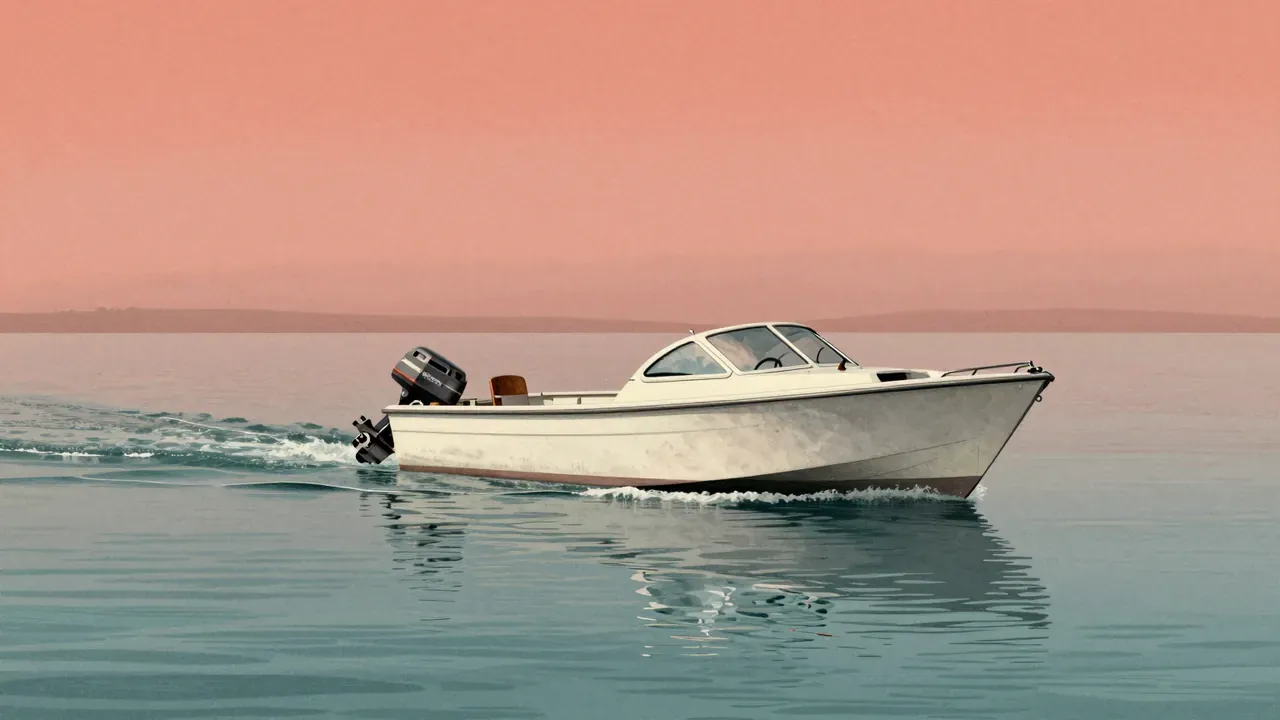
Arthur Penn’s 1975 neo-noir follows LA private investigator Harry Moseby (Gene Hackman) as he searches for a missing teenager, only to uncover layers of smuggling, infidelity, and paternal violation across Los Angeles, New Mexico, and the Florida Keys. With Bruce Surtees’ sun-bleached cinematography, Michael Small’s vibraphone-led score, and Dede Allen’s unhurried editing, the film sustains a mood of quiet disillusionment. It offers no resolution—its final image is a bleeding man aboard a boat that circles endlessly—making it less a thriller than a study in moral suspension and psychological erosion.